How to Buy Authentic 925 Sterling Silver Earrings for Sensitive Ears
Discover what to look for when buying 925 sterling silver earrings. Learn to spot fakes, prevent tarnish, and choose hypoallergenic styles for sensitive ears.

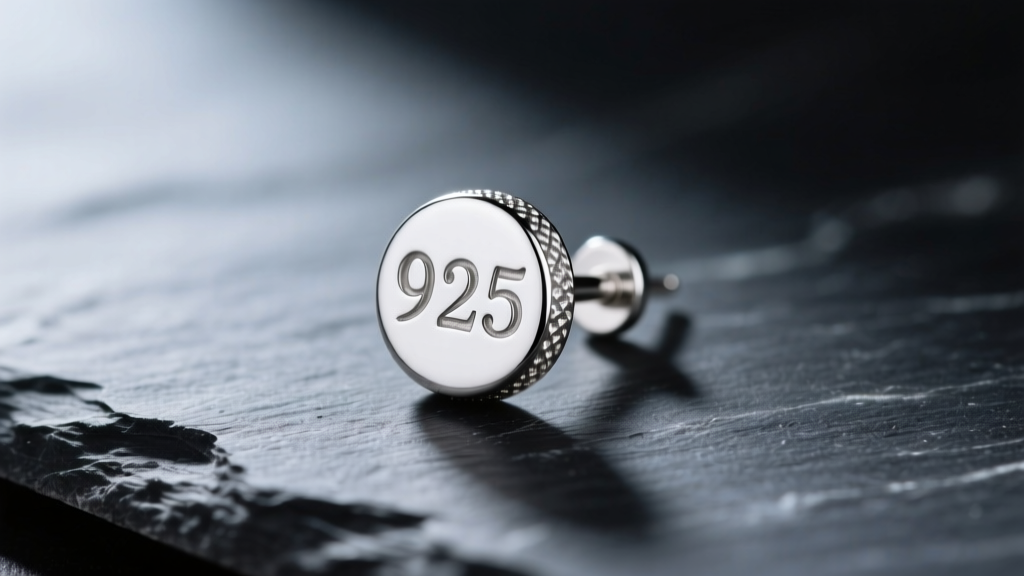
Understanding the "925" Stamp: Metallurgy and Allergies
When shopping for 925 sterling silver earrings, the "925" hallmark is your first line of defense against low-quality alloys. Pure silver (99.9%) is too malleable for jewelry; it would bend under the slight pressure of a hug or a snagged sweater. To create sterling silver, metallurgists alloy 92.5% pure silver with 7.5% other metals—most commonly copper. This specific ratio provides the tensile strength needed for durable earring posts, hinges on hoop earrings, and secure prong settings for gemstones.
However, the 7.5% alloy mix is where buyers must exercise extreme vigilance. While copper is generally hypoallergenic and safe for sensitive earlobes, some manufacturers cut costs by introducing nickel or zinc into the alloy mix. According to the American Academy of Dermatology, nickel allergy is the most common contact allergy, affecting up to 15% of the population. If your earlobes swell, itch, or weep after wearing supposedly "sterling" earrings, you are likely reacting to hidden nickel in the alloy or the solder used to attach the earring post to the backing plate.
The Rhodium Plating Factor: What Retailers Don't Tell You
Many premium 925 sterling silver earrings are plated with rhodium, a precious metal in the platinum family. Rhodium provides a brilliant, mirror-like white finish and acts as a physical barrier against tarnish. But not all plating is created equal.
Flash Plating vs. Heavy Plating
- Flash Plating (0.01 - 0.05 microns): Common in fast-fashion jewelry. It provides an initial shine but wears off within weeks of daily wear, exposing the silver underneath to sulfur and moisture.
- Standard Plating (0.1 - 0.25 microns): The industry standard for mid-tier jewelers. Offers 6 to 12 months of protection with regular wear.
- Heavy Plating (0.5 - 1.0+ microns): Found in luxury and high-end artisan pieces. This thickness can last for years and provides a robust barrier for those with mild metal sensitivities.
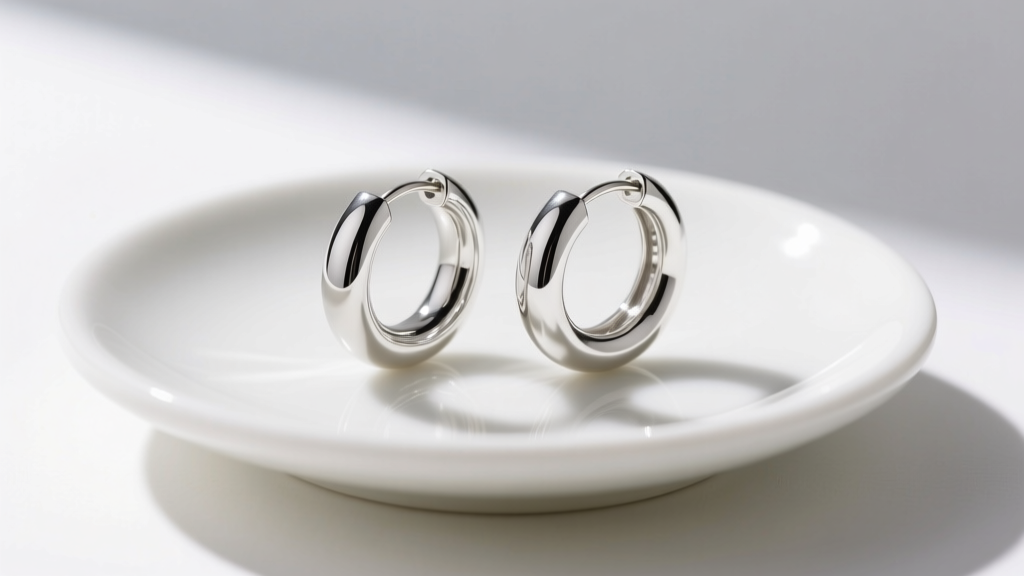
Pro Tip: If a retailer cannot specify the rhodium plating thickness or whether the piece is plated at all, assume it is either unplated (prone to rapid tarnishing) or flash-plated. Always ask for the exact micron count when investing in pieces over $50.
How to Authenticate 925 Sterling Silver Before Buying
The Federal Trade Commission (FTC) strictly regulates precious metal stamping in the United States, but the market is still flooded with counterfeit silver, especially from unverified online marketplaces. Here is a practical framework to verify your earrings:
- The Hallmark Check: Look for "925", "STER", "STG", or "Sterling". Be highly suspicious of pieces stamped "925" but lacking a maker's mark (a tiny symbol or initials indicating the manufacturer). Genuine silversmiths almost always stamp their maker's mark alongside the purity stamp.
- The Magnet Test: Silver is paramagnetic (essentially non-magnetic). If your earring post or hoop snaps to a neodymium magnet, it contains a ferrous core (like steel or iron) and is merely silver-plated.
- The Cloth Rub Test: Rub the earring with a soft, white microfiber cloth. Real sterling silver will leave faint black marks on the cloth due to natural oxidation and tarnish transfer. Silver-plated brass or steel will leave no mark or reveal a different base metal color if scratched.
2026 Pricing Guide: What You Should Actually Pay
Pricing for 925 sterling silver earrings varies wildly based on weight, craftsmanship, and brand markup. Use this baseline table to ensure you aren't overpaying for basic silver or underpaying for suspicious "deals."
| Earring Style | Average Weight (per pair) | Fair Market Price Range | Red Flag Price |
|---|---|---|---|
| Simple 4mm-6mm Studs | 0.8g - 1.2g | $25 - $45 | Under $12 |
| Medium Huggie Hoops (12mm-15mm) | 2.5g - 4.0g | $45 - $85 | Under $20 |
| Heavy Statement Hoops (25mm+) | 6.0g - 12.0g | $90 - $160 | Under $40 |
| Intricate Dangle/Drop Earrings | 3.0g - 8.0g | $75 - $150+ | Under $30 |
Note: Prices reflect raw material and standard labor costs. Designer brands or pieces featuring genuine gemstones (like turquoise or opal) will command a significant premium.
Gauge Sizes and Piercing Compatibility
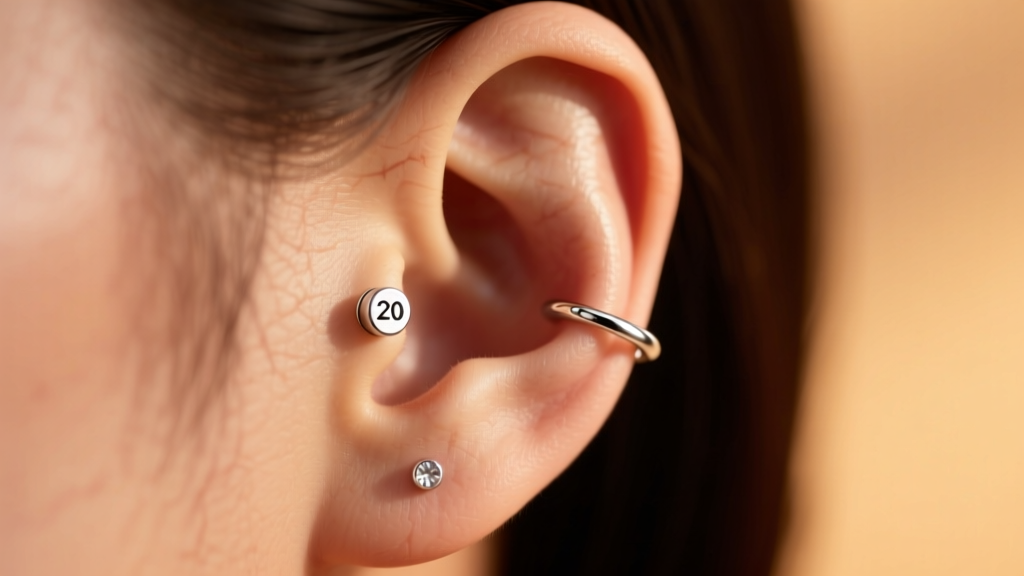
When buying 925 sterling silver earrings, the thickness of the post or wire (the gauge) is just as critical as the metal purity. Wearing the wrong gauge can cause irritation, migration, or tearing, especially in cartilage piercings.
- 20-Gauge (0.81mm): The standard for most commercial lobe earrings and lightweight studs. Ideal for standard, fully healed earlobe piercings.
- 18-Gauge (1.02mm): Slightly thicker, offering more stability for heavier dangle earrings or small hoops. Often used in nose piercings and some cartilage piercings.
- 16-Gauge (1.29mm): The gold standard for cartilage, helix, and tragus piercings. If you are buying silver huggies or flat-back labrets for your upper ear, demand 16-gauge posts to prevent the "cheese-cutter effect" where thin wires slowly migrate through the tissue.
Tarnish Prevention and Daily Care Framework
Sterling silver tarnishes when the copper alloy reacts with sulfur compounds in the air, cosmetics, and sweat. You cannot stop this chemical reaction entirely, but you can drastically slow it down.
The "Last On, First Off" Rule: Always put your sterling silver earrings on after applying hairspray, perfume, and lotions. Remove them first when you get home, before washing your face or showering. This single habit will double the lifespan of your rhodium plating and reduce tarnish buildup by up to 80%.
For storage, never leave your earrings exposed to open air on a bathroom counter. The humidity and sulfur from personal care products will cause rapid blackening. Store them in individual zip-lock bags with anti-tarnish silica strips, or in a lined jewelry box with treated tarnish-preventative flannel.
Final Verdict: Specs to Demand from Retailers
To ensure you are purchasing high-quality, hypoallergenic 925 sterling silver earrings, use this final checklist before checking out:
- Verify the "925" stamp and look for a maker's mark.
- Confirm the alloy is nickel-free (ask for written confirmation if you have severe allergies).
- Check the rhodium plating thickness (aim for 0.1 microns or higher).
- Ensure the gauge size matches your specific piercing (20G for lobes, 16G for cartilage).
- Compare the weight and price against the fair market table to avoid counterfeit alloys.
By prioritizing metallurgical transparency and proper structural specs over flashy marketing, you can build a collection of sterling silver earrings that remains brilliant, comfortable, and timeless for decades.


