The Ultimate Guide to Buying Hammered Silver Hoop Earrings
Discover what to look for when buying hammered silver hoop earrings. Learn about sterling grades, gauge sizes, weight, and clasp types in our expert guide.

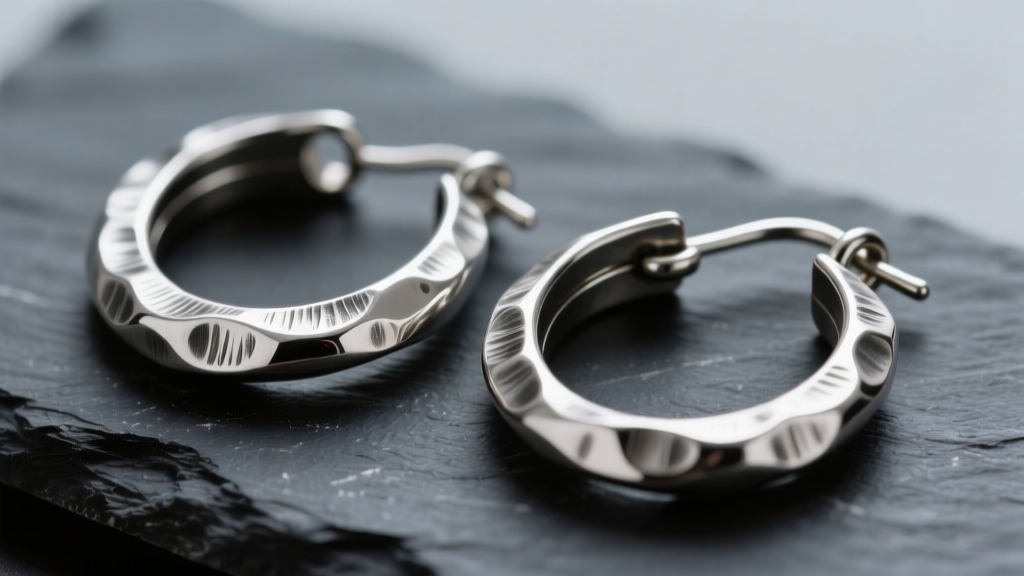
The Metallurgy of Texture: Why Hammered Hoops Stand Out
Hammered silver hoop earrings occupy a unique space in the 2026 jewelry landscape, bridging the gap between raw, artisanal craftsmanship and everyday wearability. Unlike high-polish finishes that reflect light uniformly, a hammered surface features dozens of microscopic facets. These facets catch ambient light from multiple angles, giving the earrings a dynamic, almost liquid appearance. But beyond aesthetics, the hammering process fundamentally alters the metal's physical properties.
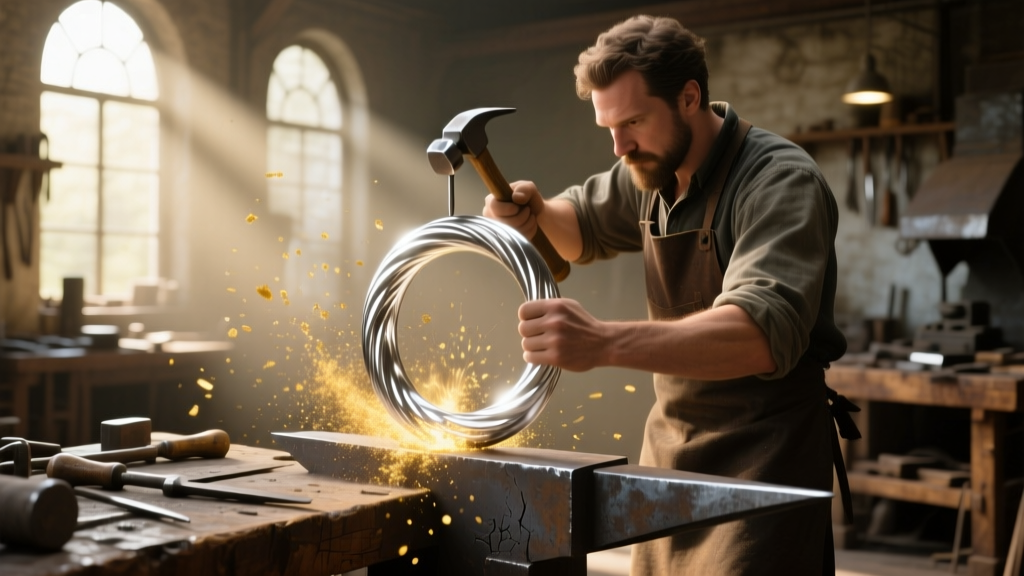
When a silversmith strikes annealed silver with a planishing hammer, they induce work hardening (also known as strain hardening). This mechanical deformation increases the dislocation density within the silver's crystal lattice, making the metal significantly harder and more springy. For hoop earrings, this is a critical structural advantage. A work-hardened hoop will maintain its circular tension and resist warping when inserted through the earlobe, a common failure mode in softer, unhammered wire hoops.
Decoding Silver Purity: 925 vs. 999 vs. Plated
Not all silver is created equal, and understanding purity is the first step in making an informed purchase. According to the Silver Institute, pure silver is naturally too malleable for structural jewelry. Here is how the market breaks down:
925 Sterling Silver: The Industry Standard
Comprising 92.5% pure silver and 7.5% alloy (usually copper), 925 sterling is the undisputed sweet spot for hammered hoops. The copper adds the necessary tensile strength to support the heavy, textured metal without bending. Always look for the "925" or "Sterling" stamp, or a recognized hallmark from an official assay office, as detailed by the London Assay Office.
999 Fine Silver: Too Soft for Hoops
Fine silver is 99.9% pure. While it is highly tarnish-resistant and hypoallergenic, it lacks structural integrity. If a hoop is made from 999 silver, the tension required to snap the clasp shut will likely warp the circle into an oval over time. Avoid fine silver for large-diameter hoops.
Silver-Plated and "Tibetan Silver": The Red Flags
The Gemological Institute of America (GIA) frequently warns consumers about misleading silver terminology. "Tibetan silver" or "tribal silver" often contains zero actual silver, consisting instead of copper, zinc, and nickel alloys that can cause severe contact dermatitis. Silver-plated hoops feature a microscopic layer of silver over a brass core; once the hammering texture wears down the plating at the friction points, the base metal will oxidize and turn your earlobes green.
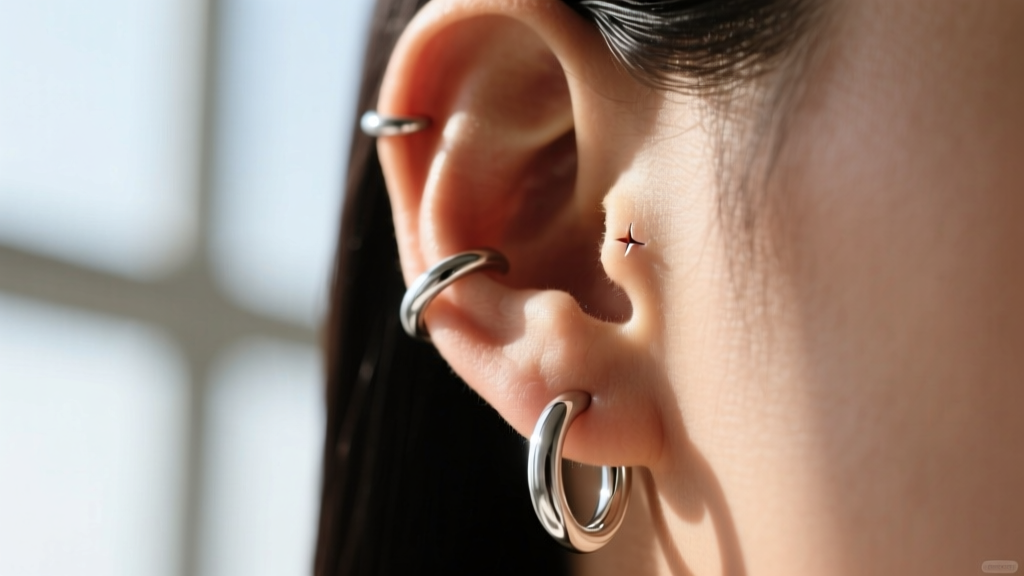
Sizing, Gauge, and Weight Considerations
The interplay between diameter, wire gauge, and overall weight dictates both the comfort and the longevity of your hammered silver hoop earrings. Heavy hammered textures add significant mass to the wire. If the gauge is too thin, the earring will droop; if it is too thick, it will cause lobe fatigue.
| Diameter | Ideal Wire Gauge | Estimated Weight (Pair) | Best Use Case & Face Shape |
|---|---|---|---|
| 15mm - 20mm (Huggie) | 18g (1.0mm) | 3 - 5 grams | Cartilage or secondary lobe piercings; suits round faces by adding subtle width. |
| 25mm - 35mm (Medium) | 16g (1.29mm) | 6 - 9 grams | Primary lobe piercings; universally flattering, elongates square face shapes. |
| 40mm - 60mm (Large) | 14g (1.6mm) or 16g | 12 - 18 grams | Statement lobes; best for oval or heart-shaped faces to balance the jawline. |
Pro-Tip for Heavy Hoops: If you opt for large-diameter hammered hoops (40mm+), the concentrated weight can slowly stretch your piercing fistula. Use invisible silicone earring support patches or distribute the weight with a flat, wide-friction back to prevent "earlobe droop" over time.
Clasp Mechanisms: Security Meets Comfort
The clasp is the most common point of failure on any hoop earring. The hammered texture adds a bohemian, organic feel, but the closure mechanism must be precision-engineered. Here are the three most common closures you will encounter:
- Hinged Snap-Back (Clicker): Features a hidden hinge and a satisfying "click" when closed. This is the most secure option for medium-to-large hammered hoops, as the structural integrity of the hinge supports the heavier textured wire.
- Latch-Back (Saddleback): A V-shaped wire that snaps into a corresponding groove. While classic, the thin latch wire can bend if the heavy hammered hoop catches on a sweater or hairbrush.
- Continuous (Endless) Hoop: A thin, slightly curved wire that threads through the piercing and snaps into a hollow tube on the opposite end. These are notoriously difficult to align on thick, hammered wires and are generally not recommended for heavy artisan hoops.
Styling Hammered Hoops: Face Shapes and Occasions
The organic, light-catching nature of hammered silver makes it incredibly versatile, but the diameter and profile of the hoop should be selected with your facial geometry in mind. For those with round face shapes, elongated oval hammered hoops or medium-sized circular hoops (30mm-40mm) help draw the eye downward, creating a slimming, lengthening effect. Avoid thick, chunky huggies that add unnecessary width to the cheekbones.
Conversely, if you have a square or angular jawline, the soft, irregular reflections of a hand-hammered texture can beautifully counterbalance sharp features. Opt for larger, softer circles (45mm+) that frame the face without introducing harsh geometric lines. For heart-shaped faces, teardrop-shaped hammered hoops or bottom-heavy oval hoops add visual weight to the lower half of the face, balancing a narrower chin.
In terms of styling, hammered silver bridges the gap between casual bohemian and elevated minimalist. A 20mm huggie with a subtle hammered finish is perfect for the modern office environment, catching the light subtly during video calls without being distracting. Meanwhile, a 50mm heavily textured, oxidized hoop pairs effortlessly with linen, denim, and evening wear, acting as the sole focal point of your accessories.
Maintenance: Managing Tarnish in the Crevices
The very texture that makes hammered silver hoop earrings so visually appealing also creates a maintenance challenge. The microscopic divots left by the hammer act as traps for moisture, skin oils, and sulfur compounds in the air, accelerating localized tarnishing.
Many artisans intentionally apply Liver of Sulfur to oxidize the silver, turning the deep crevices black while polishing the raised facets to a bright shine. This "antiqued" look provides high contrast and hides future tarnish. If you purchase bright-finish hammered hoops, avoid liquid silver dips. These harsh chemical baths will strip the silver uniformly, leaving a flat, chalky white appearance that destroys the dynamic light-play of the hammered facets.
Instead, use a treated jeweler's polishing cloth. Gently rub the raised surfaces, allowing the dark oxidation to remain in the hammered divots. This preserves the three-dimensional depth of the artisan's work.
2026 Pricing Tiers: What Should You Pay?
When shopping for hammered silver hoop earrings, price is a strong indicator of manufacturing origin and material integrity. Here is a realistic breakdown of current market pricing:
- $15 - $35 (Mass-Produced / Plated): Usually machine-stamped brass with a thin silver flash. The "hammered" texture is perfectly uniform, lacking organic variation. High risk of allergic reactions and rapid tarnishing.
- $45 - $95 (Artisan 925 Sterling): The sweet spot for genuine, hand-hammered 925 sterling silver. You are paying for the silversmith's labor, proper work-hardening, and secure hinged clasps. Look for slight asymmetries in the hammer strikes—this is the hallmark of genuine hand-forging.
- $120 - $250+ (Designer / Heavyweight): Premium designer pieces featuring 14g or 12g solid sterling silver, often accented with gold vermeil detailing or ethically sourced gemstone drops integrated into the hammered hoop structure.
Ultimately, investing in a well-crafted pair of 925 sterling hammered hoops ensures you get a versatile, structurally sound accessory that will adapt to your style for decades. Pay attention to the gauge, verify the hallmark, and embrace the organic imperfections that make hand-forged jewelry truly unique.


