The Ultimate Guide to .25 Carat Diamond Earrings for Beginners
Discover everything you need to know about .25 carat diamond earrings. Learn about CTW vs. per-ear weight, cut grades, and the best settings for daily wear.

Introduction to the Everyday Diamond Stud
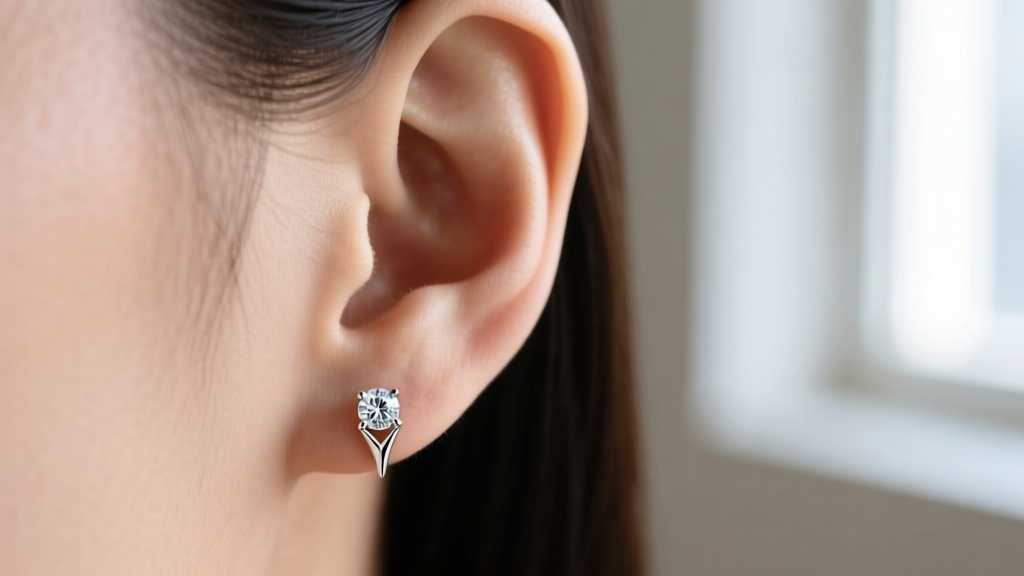
When shopping for your first pair of fine jewelry studs, the .25 carat diamond earrings category is universally considered the sweet spot for everyday elegance. They offer enough brilliance to catch the light beautifully without feeling overly flashy or heavy on the lobe. However, for beginners, navigating the jewelry industry's terminology, pricing structures, and hardware specifications can feel like learning a foreign language. This comprehensive explainer will decode the exact specifications, grading shortcuts, and structural details you need to make a confident, informed purchase.
The 'Total Weight' Trap: CTW vs. Per-Ear Weight
The single most common mistake beginners make when buying diamond studs is misunderstanding how carat weight is advertised. Retailers almost always list the Carat Total Weight (CTW) for the entire pair, not the weight of the individual diamond on each ear. This distinction drastically changes the physical size of the earrings you receive.
If a listing advertises '.25 carat diamond earrings,' it usually means 0.25 CTW for the pair. This equates to a 0.125-carat diamond per ear, which measures approximately 3.3 millimeters in diameter. If you want a 0.25-carat diamond on each ear (totaling 0.50 CTW), the stones will measure closer to 4.1 millimeters. Always verify the 'per-ear' weight before checkout.
| Advertised Weight | Per-Ear Weight | Approximate Diameter | Visual Impact |
|---|---|---|---|
| 0.25 CTW (Total) | 0.125 Carats | 3.3 mm | Subtle, minimalist, perfect for second piercings |
| 0.33 CTW (Total) | 0.165 Carats | 3.6 mm | Classic everyday size, noticeable but understated |
| 0.50 CTW (Total) | 0.25 Carats | 4.1 mm | Highly visible, standard primary lobe stud size |
| 1.00 CTW (Total) | 0.50 Carats | 5.0 mm | Bold, luxurious, significant light return |
The 4Cs Downscaled: What Actually Matters at Small Sizes
Diamond grading is governed by the 4Cs (Cut, Color, Clarity, and Carat). However, the rules change significantly when dealing with smaller stones. According to the Gemological Institute of America (GIA), carat weight measures mass, but visual spread is what matters most in earrings. Here is how to optimize your budget for stones in the 3.3mm to 4.1mm range.
Cut: The Non-Negotiable Factor
Cut dictates how light enters and exits the stone. Because small diamonds have less surface area, a poor cut will make them look like dull, flat glass beads. Only accept 'Excellent' or 'Ideal' cut grades. A well-cut 3.3mm diamond will face-up larger and sparkle far more than a poorly cut 4.1mm diamond.
Color: The G-H Sweet Spot
While colorless (D-F) diamonds command a massive premium, the human eye struggles to detect subtle color variations in stones under 0.30 carats once they are set in metal. Opting for Near-Colorless grades (G, H, or even I) will save you 20% to 30% on the price tag with zero visible compromise, especially when set in yellow or rose gold.
Clarity: Stop Paying for Flawless
The GIA clarity scale categorizes diamonds based on internal inclusions. For .25 carat diamond earrings, inclusions graded as SI1 (Slightly Included) or even I1 (Included) are completely invisible to the naked eye. The flaws are microscopic and require 10x magnification to see. Do not waste money on VVS or Flawless clarity grades for stones this small; redirect those funds toward a better cut or a higher-quality metal setting.
Martini vs. Basket vs. Bezel: Choosing the Right Setting
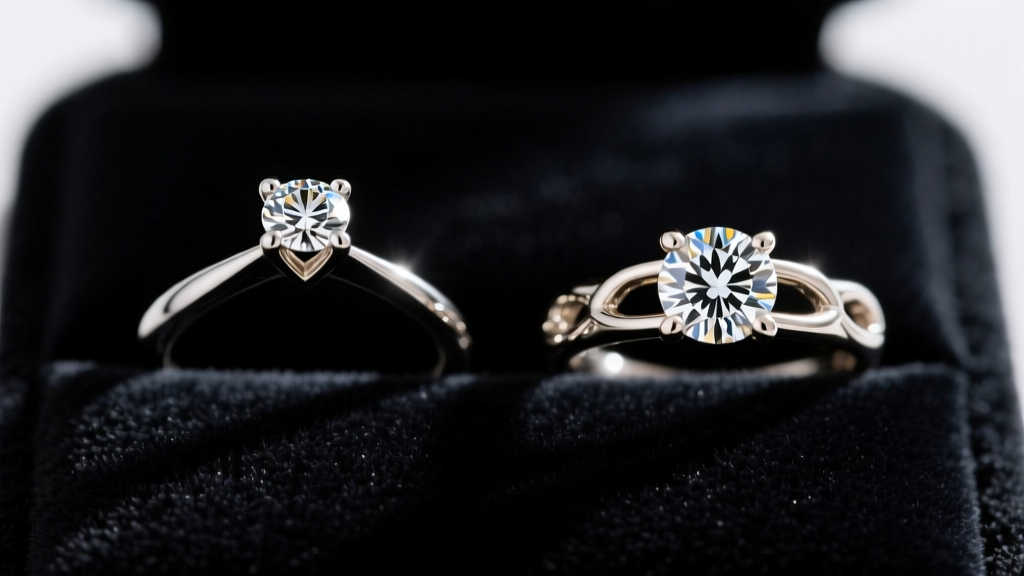
The setting style dictates both the security of your diamond and how much light can penetrate the pavilion (the bottom half of the stone). For .25 carat diamond earrings, you generally have three structural options:
- The Martini Setting (3-Prong): Shaped like a martini glass when viewed from the side, this setting uses only three prongs. It maximizes light exposure and makes the diamond appear slightly larger. However, if the post is too thin, the top-heavy design can cause the earring to droop forward on the lobe.
- The Basket Setting (4-Prong): Features a horizontal metal base that sits flush against the earlobe. It is structurally superior for preventing droop and offers excellent security, but the extra metal slightly reduces light entry from the sides.
- The Bezel Setting: A continuous rim of metal encircles the diamond's girdle. This is the ultimate snag-free, modern option, ideal for active lifestyles or healthcare workers. The trade-off is that a bezel covers roughly 10% to 15% of the diamond's visible diameter, making a 3.3mm stone look closer to 2.8mm.
Hardware: Post Gauges and Backings
Beginners rarely think about the metal post that actually pierces the ear, but it is critical for comfort and structural integrity. The standard earring post is 20-gauge (0.81mm thick). While fine for lightweight martini settings, a 20G post can easily bend if you opt for a heavier 4-prong basket or a solid gold bezel setting.
If you choose a heavier setting, look for an 18-gauge (1.02mm thick) post. Furthermore, the backing mechanism is just as important as the post. Standard 'friction backs' (butterfly backs) are prone to slipping off, especially when washing your hair or pulling off sweaters. Upgrade to La Pousette backs (which feature a mechanical locking clicker) or screw-backs to ensure your investment stays securely on your earlobes.
The Certification Reality for Small Stones
Here is an industry secret that catches many first-time buyers off guard: the GIA does not typically issue full, comprehensive grading reports for natural diamonds under 0.30 carats. Instead, they offer a 'Diamond Dossier' or retailers rely on in-house gemologists. If you are buying lab-grown .25 carat diamond earrings, look for certification from the IGI (International Gemological Institute) or GCAL, as they provide detailed grading for smaller lab-created stones. Always ask the jeweler exactly what documentation accompanies stones in the 0.15 to 0.29-carat range.

Styling, Face Shapes, and Ear Curation
Because .25 carat diamond earrings (0.125 per ear) sit at a delicate 3.3mm, they are incredibly versatile across all face shapes. For those with round or heart-shaped faces, smaller studs provide a refined point of light without adding visual width to the cheekbones. They are also the undisputed champions of the 'curated ear' trend.
If you have multiple piercings, a 3.3mm stud is the perfect anchor for your primary lobe piercing, allowing you to stack smaller huggies, seamless hoops, or delicate ear cuffs in your secondary and tertiary holes without the jewelry clashing or overlapping. For a cohesive look, match the metal alloy of your studs to your other ear jewelry; mixing 14k yellow gold studs with 18k white gold hoops can create a disjointed aesthetic.
Real-World Pricing Expectations
Understanding the market value prevents you from overpaying. As of current market trends, pricing for .25 carat diamond earrings (0.25 CTW total) varies heavily based on the origin of the stone:
- Natural Earth-Mined Diamonds: Expect to pay between $400 and $750 for 0.25 CTW studs in 14k gold, depending on the color and clarity grades.
- Lab-Grown Diamonds: Chemically and optically identical to mined stones, lab-grown 0.25 CTW studs typically range from $150 to $250, offering massive savings that can be reallocated toward a platinum setting or upgraded locking backs.
By understanding the nuances of total weight, prioritizing cut over clarity, and selecting the proper post gauge, you can confidently purchase a pair of diamond studs that will last a lifetime.


