How to Choose, Grade, and Style Rose Cut Diamond Earrings
Master the art of selecting rose cut diamond earrings. Learn how to evaluate dome symmetry, choose protective settings, and style them for your face shape.

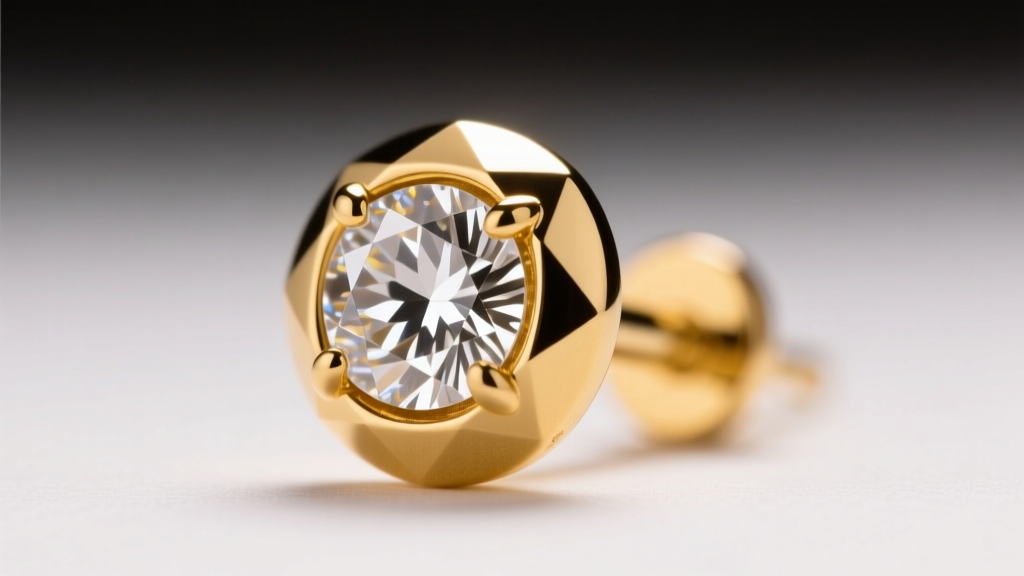
In 2026, the jewelry world continues its shift away from blinding, hyper-brilliant stones toward the quiet luxury and antique romance of rose cut diamond earrings. Unlike modern brilliant cuts that prioritize fiery scintillation, the rose cut offers a subtle, glassy luster that feels both deeply historical and effortlessly modern. However, because this cut lacks the standardized grading parameters of modern rounds, selecting the perfect pair requires a specialized eye. This step-by-step guide will teach you how to evaluate dome symmetry, choose protective settings, and style these unique gems for your specific anatomy.
Understanding the Anatomy of a Rose Cut Diamond
Before evaluating quality, you must understand the geometry of the stone. A traditional rose cut features a completely flat base and a domed top covered in triangular facets—typically ranging from 3 to 24 facets. According to Lang Antiques, the name derives from the stone's resemblance to the tightly closed petals of a rose bud. Because there is no pavilion (the bottom cone found on modern diamonds), rose cuts are significantly shallower. This shallow depth means they face up much larger than their carat weight suggests, but it also makes them highly susceptible to chipping at the girdle edge if not set correctly.
Step 1: Evaluating Cut Quality and Symmetry
Unlike modern brilliant cuts, the GIA does not assign a standardized "Cut Grade" to rose cuts. You must rely on visual inspection. The most critical flaw to look for is windowing—a phenomenon where the dome is cut too shallow, causing light to leak out the flat bottom rather than reflecting back to the eye. When windowing occurs, the center of the diamond looks transparent and lifeless.
Additionally, determine if the stone is a single-cut or double-cut rose. Single-cut stones feature a single layer of triangular facets (often seen in antique pieces), offering a chunky, romantic flash. Double-cut roses feature two rows of facets, providing more intricate light dispersion similar to a modern brilliant, though still retaining the signature glassy luster.
Dome Profile Comparison
| Dome Profile | Facet Geometry | Light Performance | Best For |
|---|---|---|---|
| Low / Shallow | Wide, flat triangles | Poor (High windowing risk) | Avoid for earrings |
| Medium | Balanced, gradual slope | Excellent (Glassy luster) | Everyday studs |
| High / Steep | Narrow, tall triangles | Good (More sparkle, less spread) | Vintage drops |
Always inspect the earrings under diffused, natural light. Tilt the stones slowly; the triangular facets should light up in a symmetrical, pinwheel-like pattern without large, dark, or completely transparent dead zones.
Step 2: Selecting the Ideal Metal and Setting
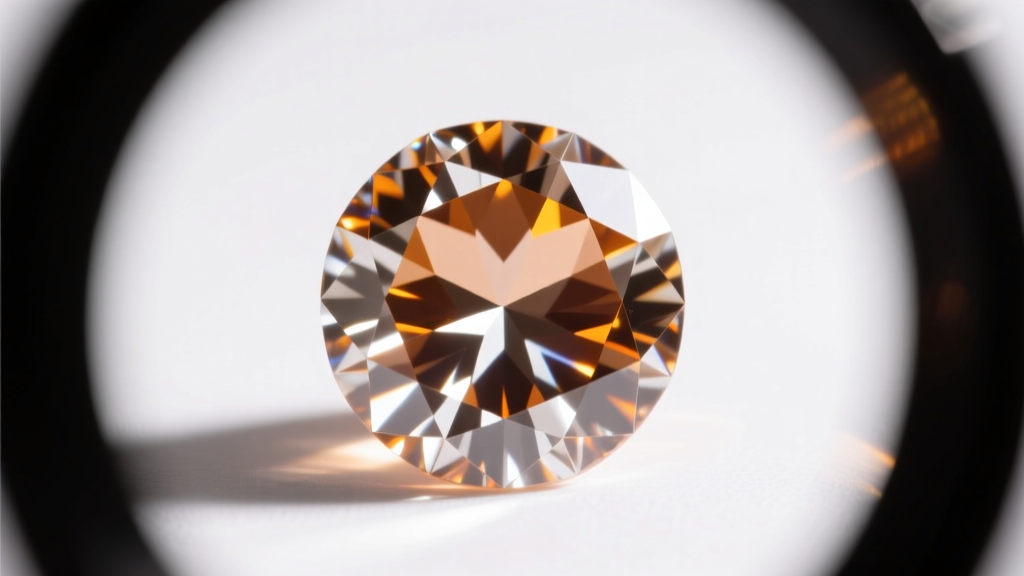
The intersection where the domed top meets the flat base creates an extremely thin, knife-edge girdle. This is the diamond's greatest structural vulnerability.
Why Bezel Settings are Mandatory for Daily Wear
While prong settings are popular for modern brilliant studs to maximize light entry, they are highly risky for rose cuts. A standard four-prong setting leaves the thin girdle exposed to impacts against steering wheels, desks, and hairbrushes. For rose cut diamond earrings intended for daily wear, a full bezel setting in 14k or 18k gold is non-negotiable. The bezel wraps a continuous ribbon of metal around the entire perimeter, protecting the fragile edge while simultaneously enhancing the stone's geometric outline. If you prefer a vintage aesthetic, a milgrain-edged bezel adds a beautiful antique texture without compromising security.
Step 3: Sizing and Carat Weight Considerations
Because rose cuts lack a deep pavilion, their carat weight is distributed horizontally rather than vertically. A 1.00-carat rose cut diamond will have a significantly larger millimeter spread than a 1.00-carat modern round brilliant. This is a massive advantage for earrings, allowing you to achieve a bold, statement-making look without paying the exponential price premiums associated with high-carat brilliant cuts.
Spread Comparison: 1.00 Carat Total Weight (per earring)
| Cut Style | Average Diameter (mm) | Visual Footprint |
|---|---|---|
| Modern Round Brilliant | 6.4mm - 6.5mm | Standard |
| Rose Cut (Medium Dome) | 7.2mm - 7.8mm | 20% to 25% Larger |
When shopping, buy based on millimeter dimensions rather than carat weight. For a substantial, lobe-covering stud, look for stones measuring between 8mm and 10mm in diameter, which typically weigh between 1.20 and 1.80 carats each.
Step 4: Styling Rose Cut Diamond Earrings for Your Face Shape
The subdued, romantic glow of a rose cut interacts with facial features differently than the sharp, fiery flashes of a brilliant cut. Here is how to pair the shape of your rose cut earrings with your natural anatomy:
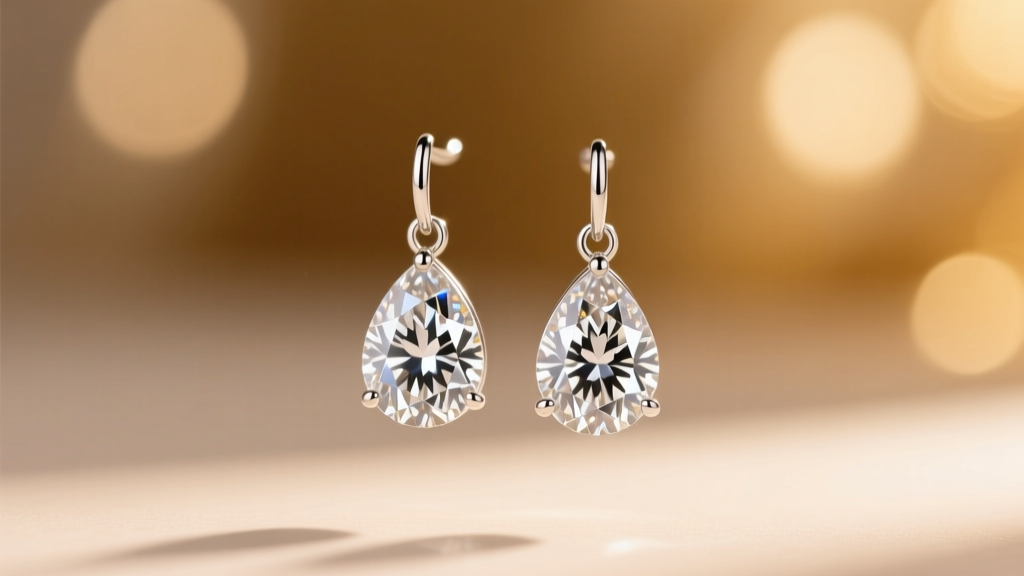
- Round Faces: Opt for elongated shapes like pear or marquise rose cut drop earrings. The vertical lines draw the eye downward, creating an illusion of length and balancing the width of the cheeks.
- Angular / Square Faces: Choose round or oval rose cut studs. The soft, continuous curves of the domed facets will soften a strong jawline and add a touch of organic fluidity to your profile.
- Heart-Shaped Faces: Hexagonal or kite-shaped rose cut dangles are exceptional. The geometric, Art Deco-inspired shapes complement the wider forehead and narrower chin, providing a striking, architectural balance.
Step 5: Cleaning and Maintenance Protocols
The flat, open base of a rose cut diamond is a magnet for sebum, lotions, and hairspray. Because the stone sits flush against the earlobe (especially in bezel settings), oils easily become trapped between the skin and the flat bottom, quickly dulling the stone's glassy luster.
The Safe Cleaning Routine
According to the Gemological Institute of America (GIA), while ultrasonic cleaners are generally safe for modern diamonds, they can be disastrous for antique rose cuts, which often contain internal feathers or fractures that can expand under high-frequency vibrations. Instead, adopt this weekly maintenance protocol:
- Soak the earrings in a bowl of warm water with three drops of mild, phosphate-free dish soap for 10 minutes.
- Use an extra-soft, baby-sized toothbrush to gently agitate the perimeter of the bezel setting.
- Crucially, if your setting has an open back, gently brush the flat bottom of the diamond to dislodge trapped skin oils.
- Rinse under lukewarm running water and pat dry with a lint-free microfiber cloth. Never use tissue paper, as the wood fibers can scratch the gold bezel over time.
A Critical Warning on Foil-Backed Antiques: If you are purchasing true antique rose cut earrings from the Georgian or early Victorian eras, be aware that many were foil-backed to increase reflectivity. Water will permanently destroy this delicate silver or gold foil, turning the stone black or cloudy. If your antique earrings are foil-backed, they must only be cleaned with a dry, soft polishing cloth and never submerged.
Pro Tip: Always insert your rose cut earrings after applying makeup, perfume, and hairspray. The porous nature of older, antique rose cuts can absorb harsh chemicals, leading to irreversible clouding.
Final Thoughts on Sourcing
Mastering the selection of rose cut diamond earrings requires shifting your mindset from modern brilliance to antique geometry. By prioritizing a high-quality dome profile, insisting on protective bezel settings, and maintaining a strict cleaning regimen, you ensure these historic stones remain a captivating, subtle statement in your jewelry wardrobe for decades to come.


