The Guy With Earring in Left Ear: 2026 Buying Guide
Discover the ultimate buying guide for the guy with earring in left ear styles. Learn about gauges, hypoallergenic metals, and 2026 masculine trends.

The Cultural Shift: Beyond the 1980s Code
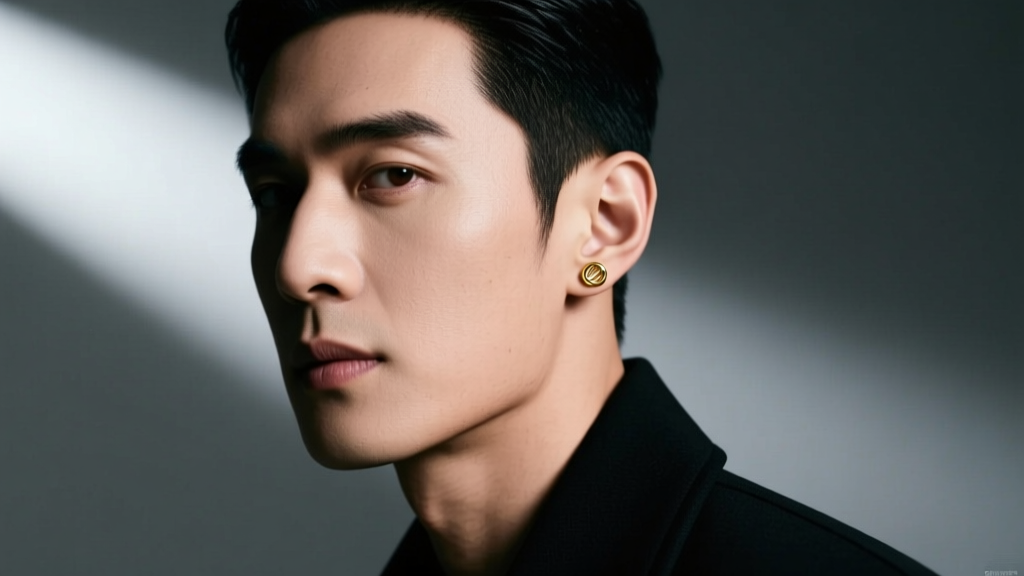
Decades ago, the guy with earring in left ear was navigating a rigid set of subcultural codes and societal assumptions. In the 1980s and 90s, the left-ear piercing was heavily codified, serving as a quiet signal within the LGBTQ+ community or a rebellious staple in rock and punk scenes. Fast forward to 2026, and those outdated rules have entirely dissolved. Today, a single left-ear piercing is a mainstream cornerstone of men’s grooming, streetwear, and high fashion. From Premier League footballers to Silicon Valley executives, the single left-ear stud or huggie hoop is an exercise in subtle, deliberate self-expression.
However, stepping into a jewelry store or browsing online retailers can be overwhelming. The market is flooded with cheap alloys, improper gauge sizes, and styles that clash with masculine aesthetics. This comprehensive buying guide cuts through the noise, providing exact material grades, gauge specifications, and styling frameworks to ensure your left-ear jewelry is as sharp and comfortable as it is stylish.
Choosing the Right Metal: Avoiding the Nickel Trap
The most common failure mode for men buying their first or second earring is ignoring metal composition. The result? Contact dermatitis, itchy lobes, and localized infections. According to the American Academy of Dermatology, nickel allergy is the most common cause of allergic contact dermatitis, and it frequently stems from low-quality body jewelry.
The Metals You Should Buy
- Implant-Grade Titanium (ASTM F136): This is the gold standard for sensitive skin and fresh piercings. It is entirely nickel-free, lightweight, and highly resistant to corrosion. If you are getting a new piercing or have ever experienced irritation, this is your baseline.
- 14k or 18k Solid Gold: For a premium, luxury aesthetic, solid gold is exceptional. Ensure it is nickel-free (white gold alloys sometimes contain nickel, so yellow or rose gold are safer bets unless verified by the jeweler). Avoid gold-plated or gold-filled options, as the friction of daily wear will eventually expose the base metal underneath.
- PVD-Coated Titanium: Physical Vapor Deposition (PVD) is a process that bonds a microscopic layer of titanium nitride or black titanium to the jewelry. It offers a sleek, dark, or matte black finish that will not flake, peel, or cause allergic reactions—perfect for modern streetwear aesthetics.
The Metals You Should Avoid
Steer clear of anything labeled simply as "surgical steel" or "stainless steel" (often 316L). While 316L is fine for some, it contains up to 10% nickel. Furthermore, avoid mystery metals from fast-fashion retailers, which often contain high levels of lead, cadmium, and nickel.
Gauge Sizes and Proportions: What Actually Fits
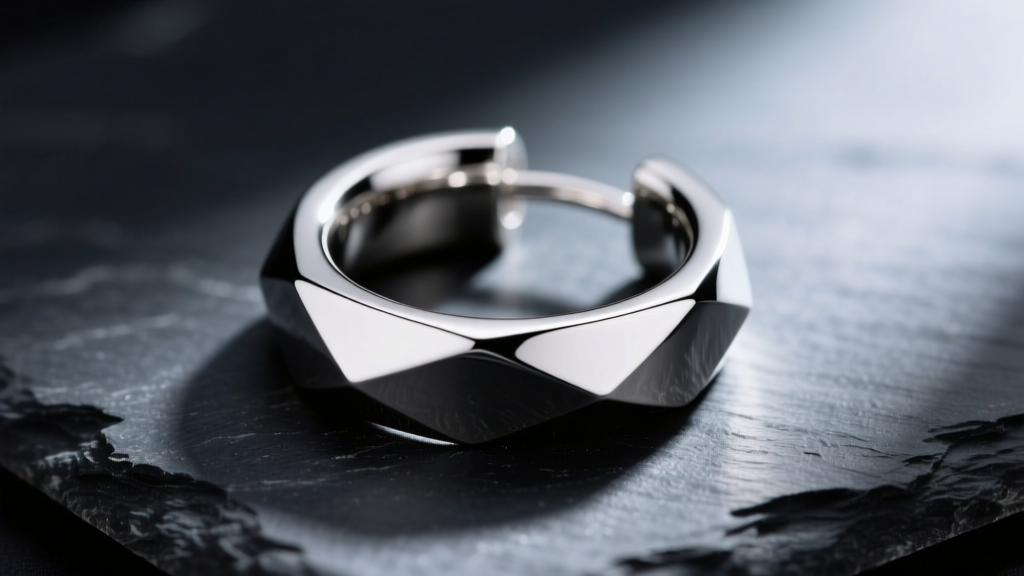
Walk into a mall kiosk, and they will likely pierce your ear with a 20-gauge (0.8mm) or 18-gauge (1.0mm) stud using a piercing gun. This is a mistake for multiple reasons. Piercing guns cause blunt-force trauma to the tissue, and thin 20g wires are prone to the "cheese-cutter effect," where the thin wire slowly migrates and slices through the earlobe over time due to the weight of the jewelry or accidental snags.
For a masculine, intentional look, professional piercers recommend thicker gauges. The Association of Professional Piercers advocates for needle piercing and appropriate jewelry thickness to ensure tissue health.
| Gauge Size | Millimeter (mm) | Aesthetic Profile | Best Use Case |
|---|---|---|---|
| 20g or 18g | 0.8mm - 1.0mm | Delicate, traditional mall piercing | Already healed childhood piercings; not recommended for new piercings. |
| 16g | 1.2mm | Standard professional piercing | Ideal balance of durability and subtlety. Great for hoops and threadless studs. |
| 14g | 1.6mm | Bold, substantial, masculine | Highly recommended for men. Prevents cheese-cutter effect; looks deliberate. |
| 12g to 00g | 2.0mm - 10mm+ | Stretched / Gauged | Requires a dedicated stretching regimen and specialized heavy-gauge jewelry. |
Pro Tip: If your ear was pierced at a mall with an 18g gun, a professional piercer can safely taper and stretch the hole to a 16g or 14g during a jewelry change. This upgrade provides a sturdier foundation for heavier, higher-quality men's jewelry.
The Best Earring Styles for a Masculine Aesthetic
The "guy with earring in left ear" look thrives on subtlety and architectural simplicity. Oversized dangles or complex chandeliers generally clash with traditional menswear. Instead, focus on these three foundational styles:
1. Threadless Push-Pin Studs
Threadless jewelry relies on tension rather than screw-on backs, which easily cross-thread, strip, or fall off in the shower. A threadless stud features a hollow post and a pin on the decorative end that you slightly bend before inserting. The tension holds it securely in place. Opt for a 2mm to 4mm bezel-set diamond, black onyx, or a simple polished titanium ball.
2. Seamless and Clicker Hoops
For a slightly more edgy or streetwear-aligned look, a small hoop is ideal. The diameter should sit snugly against the lobe or drop just a few millimeters below it (typically 8mm to 12mm in diameter). Clickers feature a hinged segment that snaps securely into place, making them incredibly easy to put on and take off without the frustration of traditional Captive Bead Rings (CBRs).
3. Huggies and Ear Cuffs
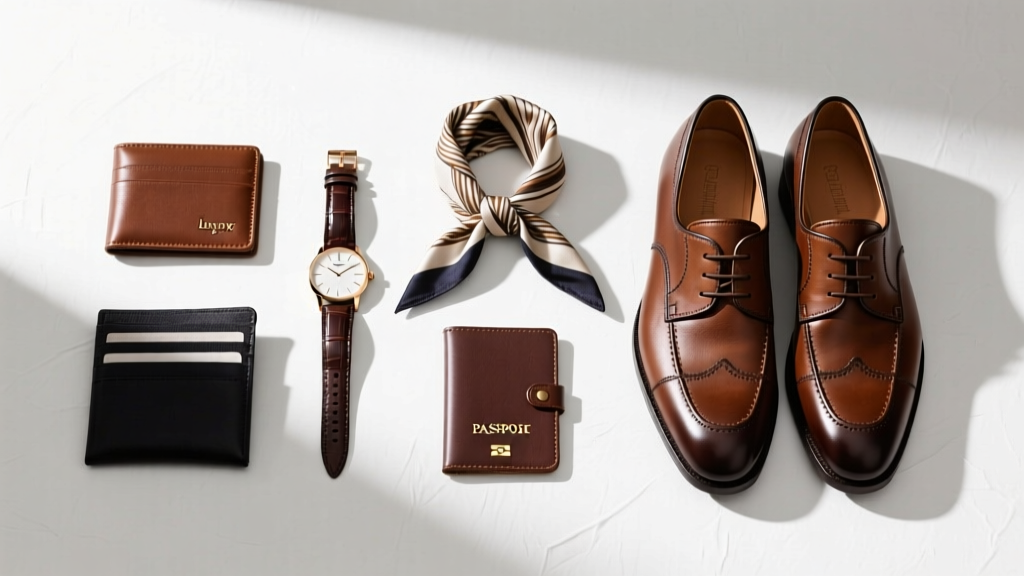
Huggies are thicker, tighter hoops that "hug" the earlobe. A 10mm black PVD titanium huggie offers a rugged, industrial vibe that pairs perfectly with casual or smart-casual attire. If you are not ready to commit to a needle, a tension-fit ear cuff on the upper cartilage (helix) can complement a left-lobe stud, creating a curated, multi-piece look without additional piercings.
Price vs. Quality: Setting Your Budget
When investing in jewelry that will sit in your body 24/7, budgeting for quality is non-negotiable. Here is what you can expect to pay in 2026 for high-quality, body-safe men's earrings:
- $25 - $60: Implant-grade titanium studs and basic seamless hoops. The best value for everyday wear and sensitive skin.
- $40 - $90: PVD-coated black titanium or anodized titanium in custom colors.
- $100 - $300+: 14k or 18k solid gold threadless ends, often featuring genuine diamonds or high-grade synthetic moissanite.
Avoid the $10 to $20 bargain bins. At this price point, you are almost certainly purchasing nickel-heavy alloys or flash-plated brass that will degrade, tarnish, and irritate your skin within weeks.
Aftercare and Troubleshooting Common Issues
Even with the best jewelry, improper care can lead to frustration. If you are getting a fresh left-ear piercing, or upgrading an old one, follow these clinical guidelines:
- Cleaning: Use only sterile 0.9% sodium chloride saline solution. Spray it on the front and back of the lobe twice daily. Do not use rubbing alcohol, hydrogen peroxide, or tea tree oil, as these destroy healing cells and cause excessive dryness.
- Sleeping: Pressure from sleeping on your left side can cause the piercing to heal at a crooked angle or develop an irritation bump. Use a travel neck pillow and sleep with your ear in the center hole to eliminate pressure.
- Troubleshooting Irritation Bumps: If a small, fleshy bump appears next to the piercing, it is usually an irritation bump, not a keloid. This is caused by pressure, sleeping on it, or jewelry that is too long. Downsize the post length with your piercer and apply warm saline compresses to reduce inflammation.
Final Verdict: Making the Left Ear Statement
Being the guy with an earring in the left ear is no longer about adhering to an old cultural code; it is about embracing a modern, refined approach to personal style. By prioritizing implant-grade titanium or solid gold, insisting on a 16g or 14g thickness for structural integrity, and selecting minimalist, architectural designs, you ensure your jewelry elevates your look rather than distracting from it. Visit a reputable, professional piercing studio—not a mall kiosk—to ensure your foundation is set correctly, and invest in threadless mechanics for a secure, hassle-free experience that lasts a lifetime.


