The Ultimate Guide to Hanafuda Earrings: Meaning & Styling
Discover the meaning behind hanafuda earrings, from traditional Japanese floral cards to anime sun motifs. Learn how to choose materials and style them.

What Are Hanafuda Earrings?
If you have spent any time exploring niche jewelry trends or anime-inspired fashion, you have likely encountered hanafuda earrings. These distinctive accessories are characterized by their rectangular, card-like drop shapes and vibrant, highly detailed motifs. But beyond their striking visual appeal, hanafuda earrings carry a rich cultural history and, more recently, a massive pop-culture legacy. For beginners looking to add a pair to their collection, understanding the difference between traditional floral designs and modern anime adaptations is just the first step. Equally important is knowing how to navigate the materials, weight distribution, and gauge sizes required to wear them comfortably without damaging your earlobes.
The Cultural Roots of Traditional Hanafuda
To truly appreciate traditional hanafuda earrings, you must understand the game they are based on. Hanafuda is a traditional Japanese card game that dates back to the late 16th century. The deck consists of 48 cards divided into 12 suits, with each suit representing a specific month of the year and its corresponding seasonal flora.
When jewelers craft traditional hanafuda earrings, they typically draw from the most iconic and visually striking cards in the deck:
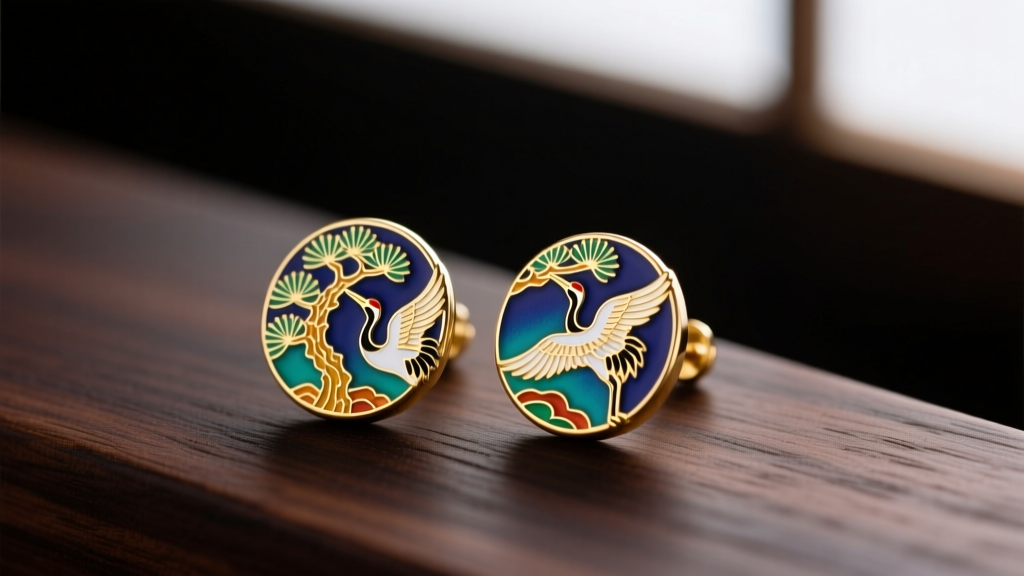
- January (Matsu): Features the resilient pine tree, often paired with a red sun or a crane, symbolizing longevity and good fortune.
- February (Ume): Showcases the delicate plum blossom, representing perseverance and the arrival of spring.
- March (Sakura): Depicts the famous cherry blossom, a universal symbol of beauty and the fleeting nature of life.
- November (Yanagi): Features the willow tree and rain, often including a figure with an umbrella, creating a moody, atmospheric design.
Traditional hanafuda earrings are usually crafted using cold enamel techniques over a brass or copper base, allowing for the crisp reds, blacks, and whites that define the classic card aesthetic. They are deeply meaningful, often worn as talismans for the wearer's birth month.
The Anime Phenomenon: Sun and Ray Motifs
In recent years, the search volume for hanafuda earrings skyrocketed due to the global phenomenon of the anime and manga series Demon Slayer (Kimetsu no Yaiba). The protagonist, Tanjiro Kamado, wears a pair of iconic rectangular earrings featuring a sun and radiating rays.
While these are widely referred to by fans as "hanafuda earrings" due to their identical shape and hanging style, the motif itself is a fictionalized alteration. Originally resembling a controversial historical flag, the anime's creators redesigned the earrings to feature a central red circle with radiating black lines and a gray bottom border. Today, jewelry makers produce both the authentic traditional floral cards and the anime-inspired geometric sun motifs, catering to two very different demographics within the jewelry market.
Material Science: Enamel, Acrylic, and Metal Alloys
When shopping for hanafuda earrings, the material composition dictates not only the price but also the longevity of the piece and the health of your piercings. Because these earrings feature large surface areas filled with color, the choice of coloring agent is critical.
Enamel vs. Acrylic Faceplates
High-end traditional hanafuda earrings use vitreous enamel (fired glass powder), which is incredibly durable, scratch-resistant, and will never yellow. However, vitreous enamel is heavy and expensive. Most affordable options on the market use cold enamel (an epoxy resin). Cold enamel is lighter and cheaper but can chip if dropped on hard tile and may yellow slightly after years of UV exposure.
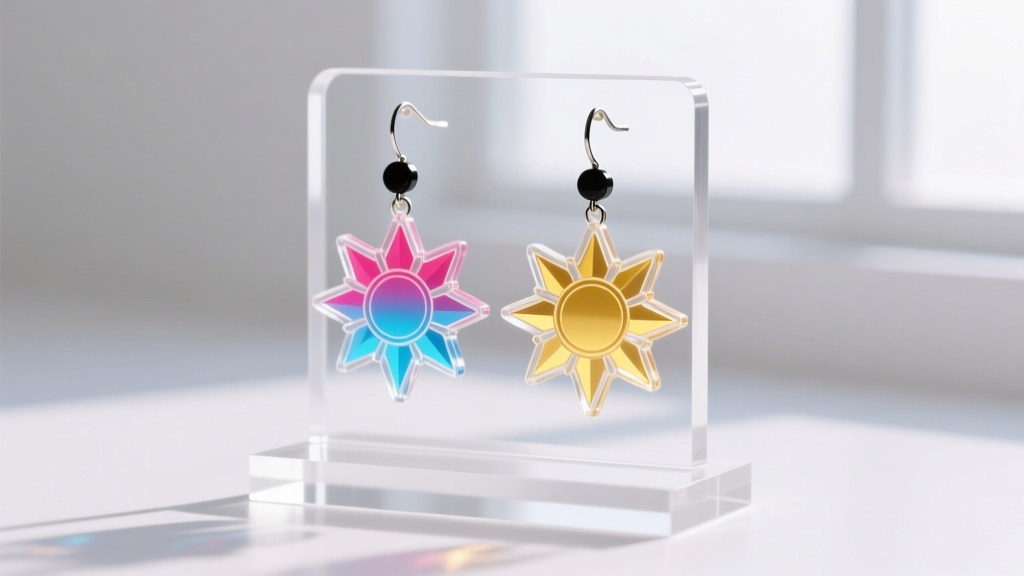
For the anime-inspired sun motifs, many jewelers use laser-cut acrylic. Acrylic is exceptionally lightweight, making it the superior choice for large dangle earrings, though it lacks the premium, glass-like luster of true enamel.
The Hidden Danger: Base Metals and Nickel Allergies
The decorative face of a hanafuda earring is often made of brass or zinc alloy. However, the post that actually goes through your ear must be carefully considered. According to the American Academy of Dermatology, nickel allergy is one of the most common causes of allergic contact dermatitis. Many cheap imported earrings use nickel-plated brass posts, which will cause severe itching, swelling, and weeping in sensitive ears.
The Expert Rule: Always verify that the earring post is made of ASTM F136 implant-grade titanium or 14k/18k solid gold. If you love a specific brass-faced hanafuda design but the post is questionable, a local piercer can often snip off the cheap post and solder or glue a titanium post in its place.
The Physics of Dangles: Weight, Gauge, and Ear Health
Hanafuda earrings are inherently top-heavy. A standard metal and enamel dangle earring of this size can weigh between 10 to 15 grams. When suspended from a delicate earlobe piercing, this concentrated weight creates a downward drag that can lead to a phenomenon piercers call the "cheese cutter effect." Over time, heavy earrings can cause the piercing hole to migrate downward, stretch the tissue, and eventually tear through the lobe entirely.
Gauge Sizing for Heavy Drops
Standard earlobe piercings are typically done at 20 gauge (0.81mm) or 18 gauge (1.0mm). If you plan to wear heavy metal hanafuda earrings regularly, an 18-gauge post is highly recommended to distribute the weight across a slightly wider surface area of tissue. For solid brass or oversized enamel cards, you may even want to consult a piercer about stretching your lobes to 16 gauge (1.2mm) or 14 gauge (1.6mm) to safely support the weight without tissue damage.
Traditional vs. Anime Hanafuda Earrings: A Comparison
| Feature | Traditional Floral Hanafuda | Anime Sun-Ray Hanafuda |
|---|---|---|
| Primary Motif | Seasonal flora (Pine, Plum, Sakura) | Geometric sun and radiating rays |
| Common Materials | Brass base, cold or vitreous enamel | Laser-cut acrylic, painted wood, or enamel |
| Average Weight | 8g - 15g (Heavy) | 2g - 5g (Lightweight) |
| Best Piercing Type | Standard lobe (18g recommended) | Standard lobe, cartilage, or helix (20g fine) |
| Price Range | $35 - $120+ | $15 - $45 |
Care and Maintenance for Enamel Jewelry
Proper maintenance is crucial for preserving the crisp lines of your hanafuda earrings. Never place cold enamel or acrylic earrings in an ultrasonic jewelry cleaner; the high-frequency vibrations will shatter the resin or cause the paint layers to delaminate from the metal base.
Instead, clean them using a mild, fragrance-free dish soap and lukewarm water. Use a soft-bristled baby toothbrush to gently sweep away skin oils and hair product buildup from the crevices of the design. Always dry them immediately with a microfiber cloth to prevent water spots on the metal framing, and store them flat in a padded jewelry box to prevent the posts from bending under the weight of other pieces.
Styling Framework: How to Wear Hanafuda Earrings
Because hanafuda earrings are bold, graphic, and culturally distinct, they act as a statement piece. Here is a practical framework for styling them in everyday wear:
- Hair Placement: The rectangular drop shape is best appreciated when fully visible. Wear your hair in a messy bun, a sleek topknot, or tucked behind the ears to allow the earrings to frame your jawline without getting tangled in loose strands.
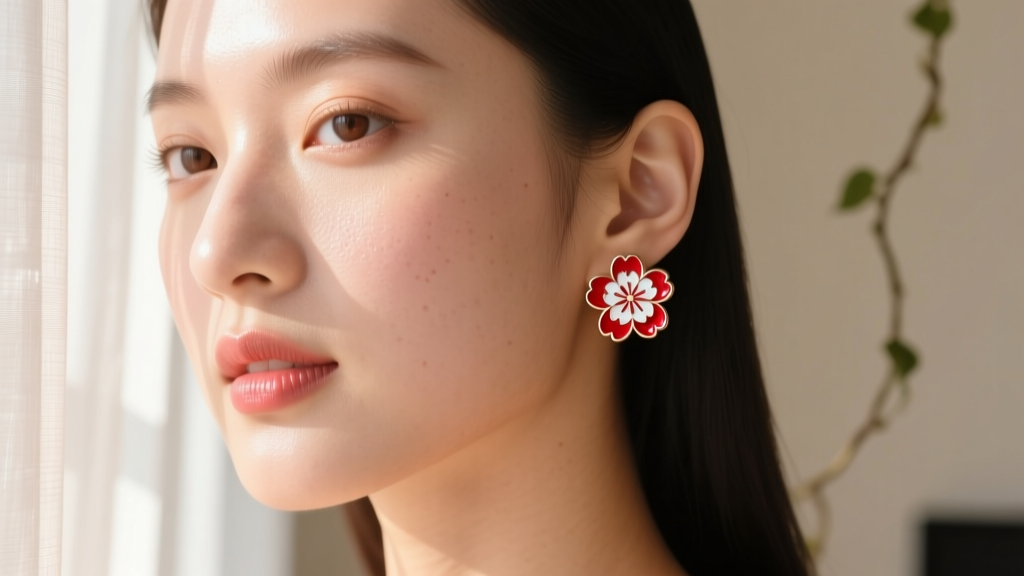
- Wardrobe Pairing: Traditional floral hanafuda earrings pair beautifully with minimalist, solid-colored clothing. A crisp white linen shirt, a black turtleneck, or a muted earth-tone sweater allows the red, black, and white enamel to pop without clashing with busy patterns.
- Face Shape Considerations: The sharp, geometric rectangles of hanafuda drops provide excellent contrast for round or oval face shapes, adding structural definition to the lower half of the face. If you have a very long or angular face, opt for the smaller, 15mm stud versions of hanafuda cards rather than the 40mm dangles to maintain facial balance.
Whether you are drawn to the deep botanical symbolism of the traditional January pine cards or the lightweight, modern appeal of the anime sun motifs, hanafuda earrings offer a unique intersection of art, history, and personal style. By prioritizing safe post materials and respecting the weight limits of your earlobes, you can wear these miniature masterpieces comfortably for years to come.


