How to Clean Earring Hole: Budget vs Premium Value Guide
Discover how to clean earring hole safely without overspending. We compare budget DIY methods vs premium aftercare to find the true value for your piercings.

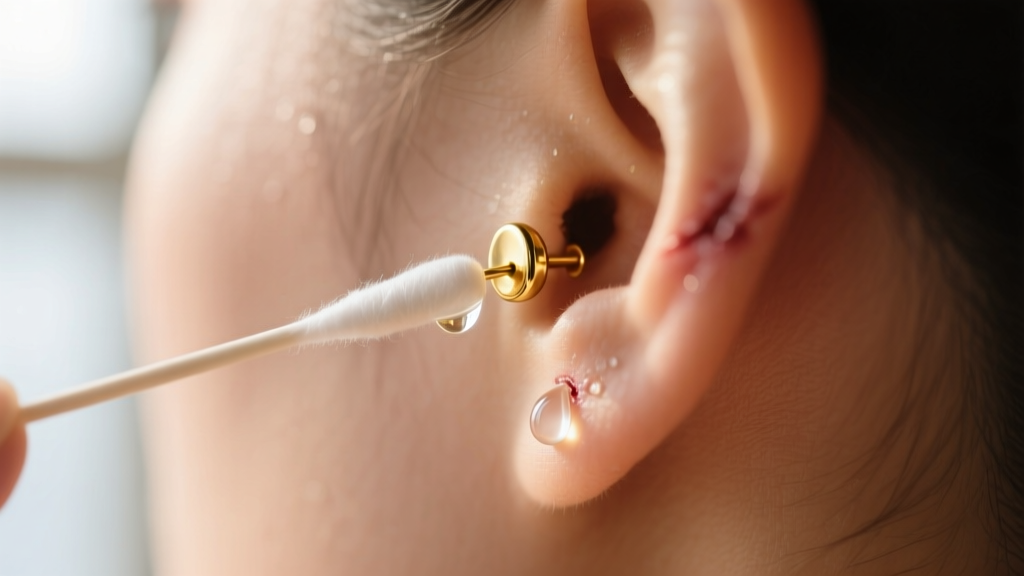
The Hidden Economics of Piercing Maintenance
When evaluating jewelry care, most consumers focus entirely on the upfront cost of the metal or gemstone. However, the long-term financial and biological cost of maintaining the fistula—the epithelial tube of skin that forms your earring hole—is frequently overlooked. Learning how to clean earring hole channels properly is not just a matter of hygiene; it is a critical budget assessment. A single infection can cost hundreds of dollars in dermatologist visits, prescription antibiotics, and ruined jewelry. Conversely, overspending on boutique 'premium' aftercare sprays can drain your wallet without offering any clinical advantage over basic, pharmacy-grade alternatives.
In this comprehensive value assessment, we break down the exact cost-per-use of various cleaning agents, evaluate the hidden costs of tissue damage from harsh chemicals, and provide a definitive, budget-optimized framework for maintaining both standard lobe piercings and complex cartilage fistulas.
Budget vs. Premium: Cleaning Solutions Compared
The piercing aftercare market is saturated with products claiming to accelerate healing or eliminate odor. To determine true value, we must look at the active ingredients, the cost per ounce, and the clinical consensus from organizations like the Association of Professional Piercers (APP). Below is a data-driven comparison of the most common solutions used to clean the earring hole.
| Cleaning Agent | Avg. Cost (2026) | Cost Per Oz | Tissue Safety | Value Verdict |
|---|---|---|---|---|
| 0.9% Sterile Saline (Wound Wash) | $5.50 / 6 oz | $0.91 | Excellent (Isotonic) | Highest Value |
| Boutique Sea Salt Spray | $14.00 / 4 oz | $3.50 | Good (If isotonic) | Low Value (Mark-up) |
| 70% Isopropyl Alcohol | $3.00 / 8 oz | $0.37 | Poor (Cytotoxic) | Negative Value |
| Tea Tree Oil (Diluted) | $12.00 / 0.5 oz | $24.00 | Risky (Irritant) | Low Value |
| Mild Liquid Castile Soap | $9.00 / 16 oz | $0.56 | Good (For healed holes) | High Value |
The Takeaway: Generic 0.9% sterile sodium chloride wound wash (found in the first-aid aisle, not the piercing aisle) is the undisputed champion of budget-friendly aftercare. It contains no preservatives, matches the body's natural salinity, and costs a fraction of branded piercing sprays. According to the American Academy of Dermatology (AAD), simple sterile saline is the gold standard for wound cleansing, rendering $18 boutique sprays a poor financial investment.
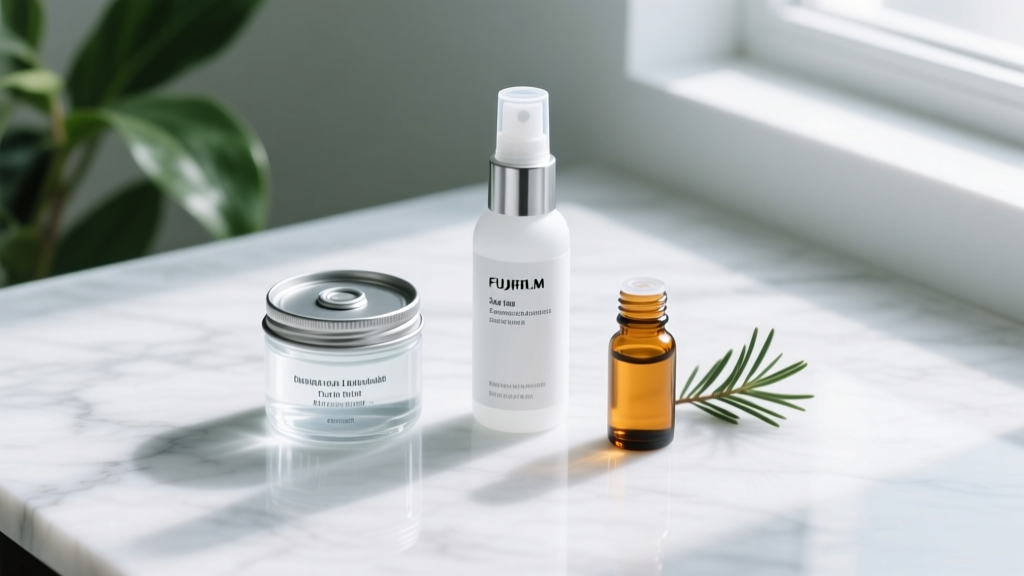
The 'Negative Value' of Harsh Chemicals
When budget-conscious consumers attempt to save money, they often reach for household antiseptics like rubbing alcohol, hydrogen peroxide, or antibiotic ointments. From a value assessment perspective, these are 'negative value' assets.
- Cellular Toxicity: Alcohol and peroxide destroy fibroblasts, the cells responsible for building the fistula. This delays healing and increases the likelihood of hypertrophic scarring.
- The Ointment Trap: Petroleum-based ointments (like Neosporin) block oxygen flow to the fistula. Piercings require oxygen to heal; suffocating them creates an anaerobic environment where harmful bacteria thrive.
- Financial Fallout: The $4 saved by using rubbing alcohol instead of saline can easily result in a $150 doctor's visit for contact dermatitis or a secondary bacterial infection.
Step-by-Step: How to Clean Earring Hole on a Budget
Whether you have a fresh 16-gauge cartilage piercing or a fully healed, stretched 00-gauge lobe, the mechanical action of cleaning is just as important as the solution. Here is the most cost-effective, APP-aligned routine.
1. The Saline Spray Method (For Fresh or Sensitive Holes)
For the first 6 to 12 weeks, or if your hole is experiencing irritation, rely exclusively on sterile saline. Spray the front and back of the fistula once in the morning and once at night. Allow it to air dry or gently pat it with a non-woven gauze pad. Avoid cotton swabs, as they shed micro-fibers that can become trapped in the healing tissue, leading to irritation bumps that cost time and money to treat.
2. The Emulsification Method (For Healed Holes & 'Ear Cheese')
Fully healed earring holes often develop a foul odor, colloquially known as 'ear cheese.' This is not an infection; it is a buildup of sebum (skin oils), dead skin cells, and soap residue trapped inside the fistula. Expensive piercing sprays will not break down lipids (fats).
The Budget Fix: Use a mild, fragrance-free liquid castile soap. In the shower, lather a small amount between your fingers and gently massage it through the earring hole. The mechanical friction and the soap's emulsifying properties will break down the sebum. Rinse thoroughly with warm water. This method costs pennies per use and completely eliminates odor without drying out the skin.
When to Invest: Premium Tools and Troubleshooting
While we advocate for budget-friendly chemical solutions, there are specific scenarios where investing in premium tools or professional services yields a high return on investment (ROI).
Ultrasonic Jewelry Cleaners
If you wear intricate jewelry, such as pavé-set huggies or textured cartilage cuffs, cleaning the metal is just as vital as cleaning the hole. A budget ultrasonic cleaner (ranging from $35 to $50) uses high-frequency sound waves to cavitate water, blasting microscopic debris out of crevices that a cloth cannot reach. This extends the lifespan of your jewelry and prevents debris from being pushed back into the earring hole, saving you from buying replacement pieces prematurely.
Upgrading to Implant-Grade Titanium
If you are constantly spending money on hydrocortisone creams to treat itchy, red earring holes, the issue is likely not your cleaning routine—it is your jewelry. 'Surgical steel' is an unregulated term and often contains nickel. Upgrading to ASTM F-136 implant-grade titanium (typically $30-$60 per piece from reputable brands like NeoMetal or BVLA) is a one-time investment that permanently resolves metal allergy flare-ups, offering immense long-term value.
The True Cost of Infection vs. Preventative Care
To finalize our budget assessment, consider the financial anatomy of a piercing complication. Treating a minor irritation bump with sterile saline and proper downsizing by a professional piercer might cost $20 in supplies and a consultation fee. Conversely, ignoring a festering hole and developing a perichondritis infection (common in cartilage) can lead to emergency room visits, IV antibiotics, and permanent cartilage deformation (cauliflower ear).
"Value in piercing care is not about finding the cheapest product on the shelf; it is about minimizing the biological risk to your tissue while avoiding the marketing markups of boutique aftercare brands."
Final Verdict: Maximizing Your Piercing Care Budget
Mastering how to clean earring hole channels effectively requires abandoning marketing hype in favor of clinical science. By utilizing $5 pharmacy-grade sterile saline for healing and irritation, and relying on $9 liquid castile soap for the long-term maintenance of sebum in healed fistulas, you can maintain pristine piercings for less than $15 a year. Avoid the false economy of harsh household chemicals, and redirect your budget toward high-quality, implant-grade titanium jewelry that will last a lifetime.


