2026 Trends: Why Every Collector Needs a Handmade Earring Holder
Discover 2026's top vanity trends as the handmade earring holder evolves from simple storage to artisanal decor for stud, hoop, and dangle collections.

The evolution of jewelry storage has reached a fascinating inflection point in 2026. Gone are the days when collectors relegated their prized possessions to mass-produced, felt-lined plastic boxes or generic acrylic stands. Today, the intersection of dopamine decor and quiet luxury has elevated functional storage into micro-sculptures. At the forefront of this movement is the artisanal, handmade earring holder—a piece that not only protects delicate metals and gemstones but also serves as a cornerstone of vanity aesthetics. As jewelry enthusiasts invest more in curated, sustainable collections, the demand for bespoke display solutions has skyrocketed, transforming how we interact with our accessories daily.
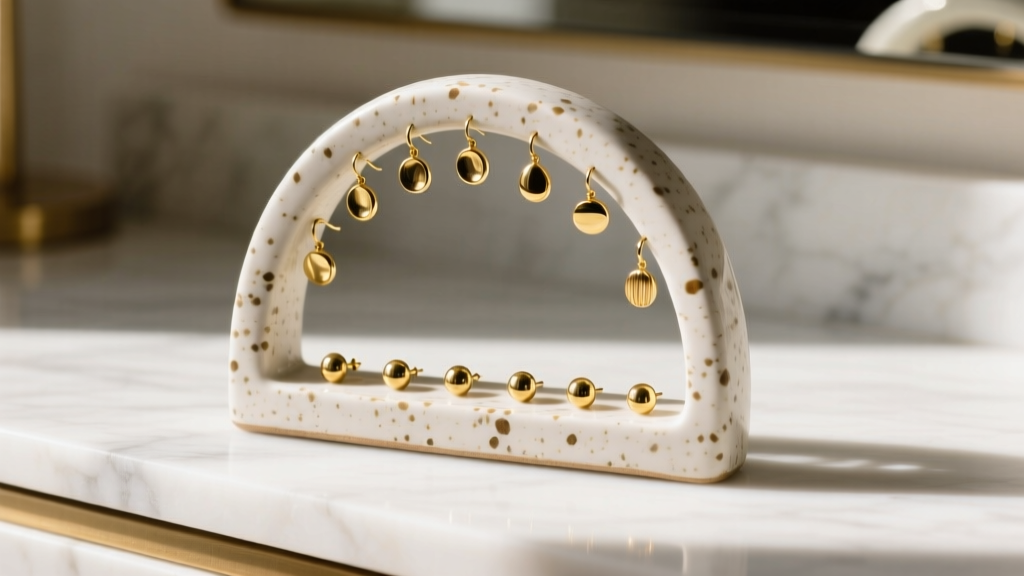
The Shift from Utility to Vanity Art
Historically, earring organization was purely utilitarian. However, interior design trends highlighted by Architectural Digest emphasize that personal spaces, particularly vanities and dressing areas, should reflect individual artistry. A handmade earring holder bridges the gap between jewelry care and interior styling. Unlike injection-molded alternatives, artisanal pieces carry the subtle imperfections and unique material properties that mass manufacturing cannot replicate. This shift is heavily driven by the desire for tactile experiences; running your fingers over a hand-turned walnut base or a kiln-fired ceramic arch before selecting your daily hoops adds a mindful ritual to the getting-ready process.
The Rejection of Fast-Fashion Storage
Consumers are increasingly aware of the environmental and aesthetic costs of fast-fashion accessories, and this scrutiny has extended to storage. Acrylic stands, which often yellow over time and contribute to microplastic pollution, are being replaced by biodegradable, sustainable, or permanently durable materials. Collectors now view their storage solutions as heirloom-adjacent investments designed to outlast the trends of the moment.
Material Trends in Artisanal Jewelry Storage
The materials defining the 2026 landscape of the handmade earring holder are rooted in earthiness, durability, and architectural minimalism. Each material offers distinct advantages depending on the weight and gauge of the earrings being displayed.
High-Fire Stoneware and Matte Ceramics
Ceramicists are dominating the bespoke storage market by utilizing high-fire cone 6 stoneware. This specific firing temperature ensures the clay body is fully vitrified, making it incredibly dense and heavy. This weight is crucial for preventing top-heavy chandelier dangles from tipping over. The trend leans heavily toward matte, speckled glazes in neutral tones like oat, sage, and terracotta, which provide a soft visual contrast to the high shine of gold and silver jewelry.
Black Walnut and Olive Wood
Woodturners are favoring black walnut and reclaimed olive wood for their striking grain patterns and natural density. A critical detail in high-end wooden holders is the precision of the drill work. Standard 20-gauge (0.81mm) and 18-gauge (1.02mm) earring posts require precision-drilled 1.5mm holes. If the holes are too tight, the metal post can scrape against rough wood grains, potentially damaging delicate gold plating or bending sterling silver posts. Artisans now seal these micro-holes with food-grade mineral oil or natural beeswax to create a frictionless glide for earring posts.
Lost-Wax Cast Brass
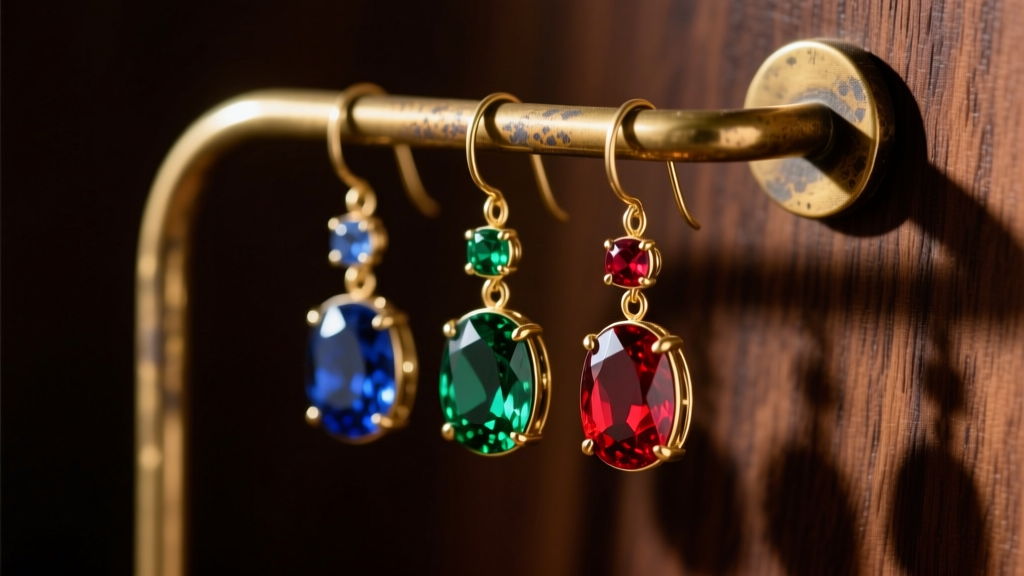
For a touch of industrial elegance, metalsmiths are employing the ancient lost-wax casting method to create solid brass holders. Unlike hollow, plated alternatives, solid cast brass develops a rich, living patina over time. The oils from handling the brass, combined with the ambient environment, create a unique finish that tells a story, perfectly complementing vintage or antique earring collections.
Matching the Holder to the Earring Architecture
Selecting the right handmade earring holder requires an understanding of earring architecture. A holder designed for lightweight studs will fail catastrophically under the weight of heavy gemstone drops. Below is a structural framework for matching your jewelry to the ideal artisanal display.
| Earring Type | Weight & Gauge Profile | Ideal Holder Material | Required Design Feature |
|---|---|---|---|
| Standard Studs | Lightweight; 20G to 18G posts | Olive Wood or Thin Ceramic | Angled display surface (15-20 degrees) for easy viewing and insertion. |
| Huggies & Small Hoops | Medium weight; 18G to 16G wires | Cast Brass or Grooved Wood | Horizontal notches or thin vertical fins to allow hoops to hang freely without tangling. |
| Chandelier Dangles | Heavy; 16G+ wires, high center of gravity | High-Fire Stoneware | Wide, weighted base with elevated clearance (minimum 3 inches) to prevent dragging. |
| Ear Cuffs & Climbers | Variable; no post, relies on tension | Textured Ceramic or Resin | Small, contoured ridges or velvet-inlaid trays to grip non-pierced pieces securely. |
Expert Insight: Never store oxidized or antiqued silver earrings in unsealed, porous wood holders. The natural moisture trapped in the wood grain can accelerate uneven tarnishing. Always opt for sealed ceramics or waxed brass for heavily oxidized pieces.
Sourcing Authentic Pieces and Market Pricing
The market for authentic, artisanal jewelry organization is thriving on platforms that prioritize maker-direct relationships. According to Etsy's market data, searches for bespoke ceramic and wood jewelry displays have seen a massive year-over-year increase, signaling a permanent shift in consumer preferences.
What to Expect in 2026 Pricing Tiers
- Entry-Level Artisan ($25 - $45): Typically features hand-finished olive wood blocks with brass inlay rods, or simple, slip-cast ceramic dishes. Excellent for everyday stud and huggie collections.
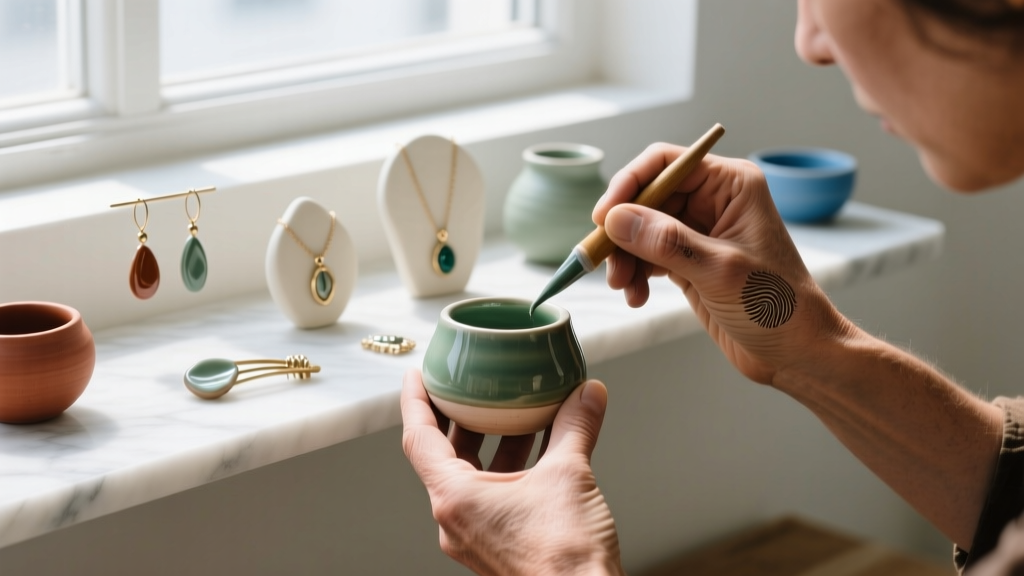
- Mid-Tier Bespoke ($50 - $95): Includes wheel-thrown, high-fire stoneware arches with custom glazes, or hand-carved walnut pieces with integrated mirrors. These offer superior weight distribution for heavier dangles.
- Heirloom Sculptural ($120 - $250+): Reserved for solid lost-wax cast brass structures, mixed-media pieces incorporating marble and precious metals, or commissioned, one-of-a-kind pottery pieces that function as standalone vanity art.
When sourcing, always verify the artisan's finishing process. For wood, inquire about the sealant used near the earring holes to ensure it is non-reactive with gold vermeil or sterling silver. For ceramics, ensure the glaze is certified lead-free, especially if the holder will be placed in humid bathroom environments where glaze degradation could theoretically occur over decades.
Care and Maintenance of Artisanal Holders
Maintaining a handmade earring holder requires specific care protocols to preserve both the display piece and the jewelry it holds. The Gemological Institute of America (GIA) emphasizes that the environment surrounding your jewelry is just as critical as the cleaning of the gems themselves.
Cleaning Protocols by Material
For wooden holders, avoid commercial furniture polishes which often contain silicones that can transfer to earring posts and cause skin irritation. Instead, dust with a soft, natural-bristle brush and recondition the wood bi-annually with a single drop of jojoba oil applied via a microfiber cloth.
For ceramic and stoneware pieces, a damp cloth with a mild, pH-neutral soap is sufficient. Avoid abrasive sponges that can create micro-scratches in matte glazes, which over time can harbor dust and skin oils.
For solid brass holders, decide whether you want to maintain the bright, polished finish or allow the natural patina to develop. If polishing is desired, use a gentle, non-ammonia-based brass cleaner, ensuring you rinse and dry the piece completely before replacing your earrings, as chemical residue can severely damage porous gemstones like turquoise or opals.
The Future of Vanity Curation
The rise of the handmade earring holder is symptomatic of a broader 2026 design philosophy: the rejection of the disposable in favor of the deeply personal. By investing in artisanal storage, collectors are not merely organizing their accessories; they are framing them. Whether it is the warm, organic touch of hand-turned walnut or the cool, architectural presence of kiln-fired stoneware, these bespoke pieces ensure that the beauty of your jewelry collection is honored long before you even put it on.


