How to Choose Metals for a Hanging Earring: Weight & Durability
Discover how specific gravity and tensile strength impact a hanging earring. Compare titanium, gold, and silver for optimal weight and durability.

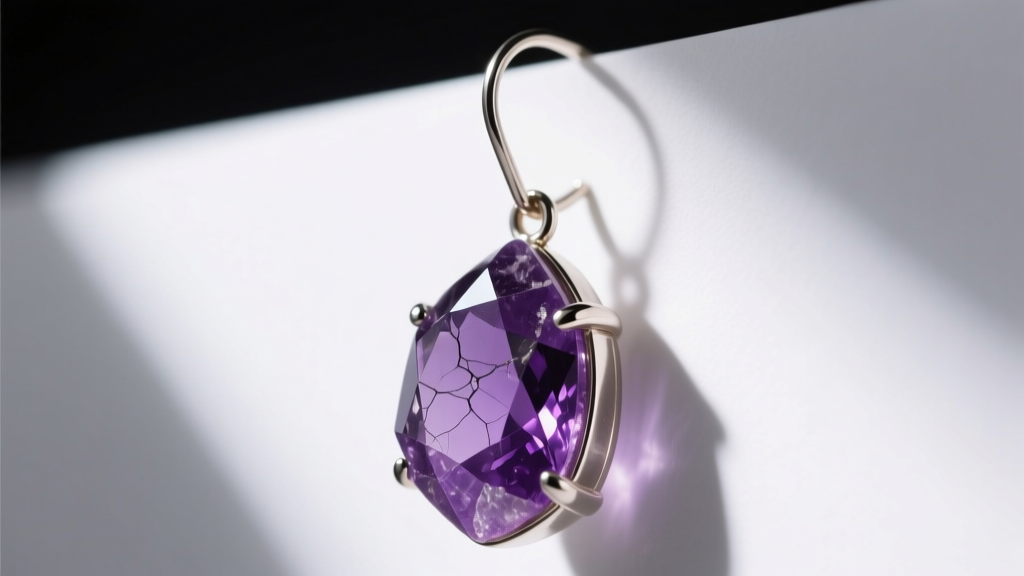
The Physics of a Hanging Earring: Why Material Matters
When designing or purchasing a hanging earring, aesthetics often overshadow structural engineering. However, unlike studs or huggies that sit flush against the ear, a hanging earring (whether a drop or a chandelier dangle) is subject to continuous gravitational pull and kinetic movement. This creates a unique mechanical stress profile on both the jewelry components and the earlobe fistula. The downward vector force can lead to wire fatigue, jump ring distortion, and the dreaded 'cheese-cutter effect,' where thin metals slowly slice through the earlobe tissue over time.
To mitigate these issues, jewelers and wearers must evaluate metals not just by their color or price, but by their specific gravity (SG) and tensile strength (measured in Megapascals, or MPa). A large, voluminous hanging earring made from a high-SG metal will cause immediate lobe fatigue, whereas the same volume crafted from a low-SG, high-strength metal will remain comfortable for all-day wear. In 2026, advanced metallurgical techniques and stricter hypoallergenic standards mean that understanding these properties is essential for anyone investing in fine or artisanal drops.
Metal Weight vs. Tensile Strength: The Core Metrics
Specific gravity dictates how heavy a metal feels relative to its size, while tensile strength determines how much pulling force a wire can withstand before permanently deforming or snapping. Below is a comparison of the most common metals used for hanging earring hooks, wires, and structural frameworks.
| Material | Specific Gravity (SG) | Tensile Strength (MPa) | Hypoallergenic Rating | Recommended Hook Gauge |
|---|---|---|---|---|
| Implant-Grade Titanium | 4.5 g/cm³ | 860 - 900 | Excellent | 20g or 22g |
| Niobium | 8.57 g/cm³ | 125 - 275 | Excellent | 18g or 20g |
| 14k Yellow Gold | 13.5 g/cm³ | 300 - 400 | Good (Nickel-free alloys) | 20g |
| 18k Yellow Gold | 15.6 g/cm³ | 230 - 250 | Very Good | 18g (Requires thicker wire) |
| Sterling Silver (925) | 10.49 g/cm³ | 250 - 300 | Moderate (Copper allergies) | 18g or 20g |
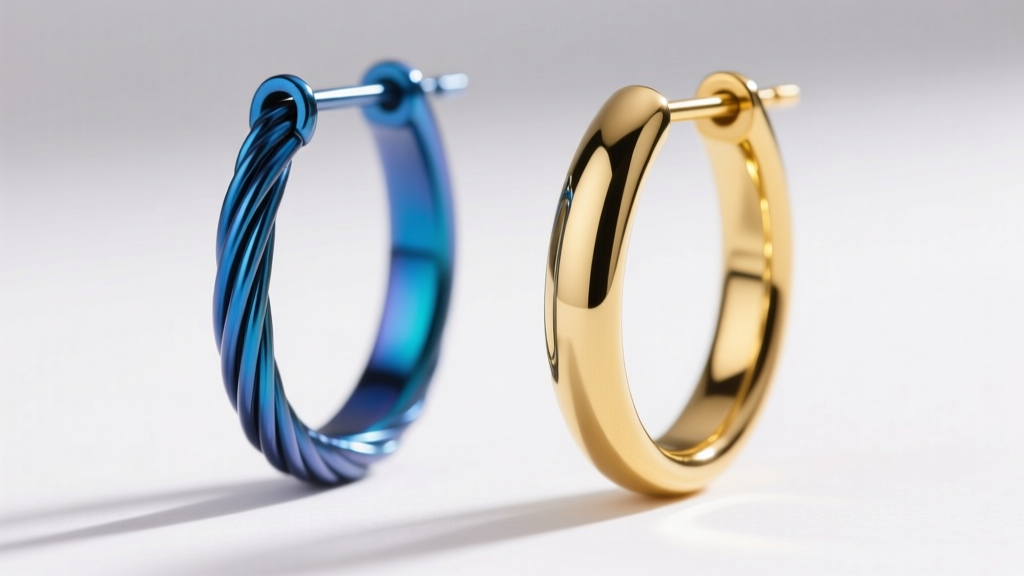
Deep Dive: Top Materials for Hooks and Wires
Implant-Grade Titanium (ASTM F136)
Titanium is the undisputed champion for heavy drops. According to ASTM International, F136 implant-grade titanium is completely free of nickel and possesses a remarkably high strength-to-weight ratio. Because its tensile strength approaches 900 MPa, a jeweler can use a thinner 22-gauge (0.64mm) titanium wire to support a 15-gram gemstone cluster without the wire bending out of shape. This thinner gauge is gentler on the piercing hole, reducing friction and allowing the fistula to breathe. Furthermore, its low SG (4.5) means the overall hanging earring remains lightweight, preventing lobe stretching even with dramatic, oversized designs.
Niobium
Niobium is a reactive metal highly prized for its ability to be anodized into vibrant, permanent colors without the use of toxic dyes or plating. With an SG of 8.57, it is nearly twice as heavy as titanium but still significantly lighter than silver or gold. Its primary drawback is its malleability; pure niobium is quite soft. If a heavy hanging earring catches on a sweater, a niobium ear wire will likely bend. To counter this, structural components in niobium drops should be work-hardened or crafted in a thicker 18-gauge (1.02mm) wire to maintain their shape under kinetic stress.
14k and 18k Gold Alloys
Gold remains the standard for luxury jewelry, but its purity drastically affects its performance in a hanging earring. Pure 24k gold is far too soft and heavy for ear wires. 18k gold (75% gold) offers a rich color but is relatively soft and heavy (SG 15.6), making it prone to warping if used for thin hooks supporting heavy pendants. 14k gold (58.5% gold) is alloyed with metals like copper, silver, and zinc, which increases its tensile strength and hardness. For gold drops exceeding 10 grams, a 14k gold French wire or a reinforced leverback mechanism is vastly superior to an 18k gold shepherd's hook. Always verify that the 14k alloy is nickel-free, as cheaper white gold alloys often rely on nickel for structural integrity.
Failure Modes: When Drops Break or Stretch Lobes
Understanding how jewelry fails allows you to inspect a hanging earring for red flags before purchasing. The most common structural failure points include:
- Jump Ring Pull-Apart: If the drop component is attached to the ear wire via a standard split jump ring, the downward weight will slowly pull the ring into an oval shape, eventually causing the gap to open and the stone to fall. Always look for soldered jump rings or closed oval links on heavy drops.
- Wire Fatigue at the Loop: The tightest bend on a shepherd's hook ear wire is the loop that rests inside the ear. Repeated bending during insertion and removal causes work-hardening and eventual snapping. Titanium resists this fatigue far better than silver.
- The Cheese-Cutter Effect: A heavy hanging earring suspended on a thin, soft wire (like 24g sterling silver) will apply immense localized pressure to the bottom of the piercing hole. Over months, this will slowly migrate the piercing downward, permanently stretching the lobe.
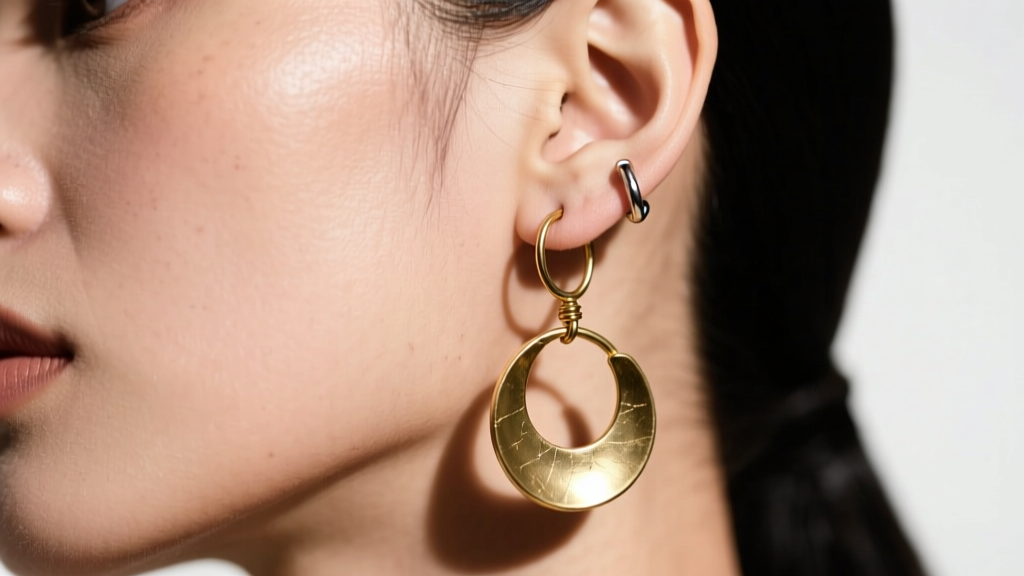
Hypoallergenic Considerations for Heavy Drops
Weight and allergies are deeply interconnected. When a heavy metal pulls downward, it creates micro-frictions against the delicate epithelial tissue inside the piercing. If the metal contains even trace amounts of nickel or copper, this friction accelerates the release of metal ions into the skin, triggering contact dermatitis. The Mayo Clinic notes that nickel allergy is one of the most common causes of allergic contact dermatitis, often exacerbated by the combination of sweat, friction, and weight. For individuals with sensitive ears, a heavy hanging earring must exclusively utilize ASTM F136 titanium, pure niobium, or high-purity platinum to prevent severe inflammatory flare-ups.
Expert Verdict: Matching Material to Earring Weight
Selecting the right metal for a hanging earring requires balancing the visual design with physical limitations. Use this decision framework when evaluating or commissioning drop earrings:
Under 5 grams (Lightweight Drops): You have total freedom. 14k gold, sterling silver, and titanium in 20g or 22g wires will perform beautifully. Standard split jump rings are generally safe here.
5 to 15 grams (Medium Statement Pieces): Transition to 14k gold or titanium. Avoid sterling silver for the primary hook unless it is heavily work-hardened. Ensure all connecting rings are soldered shut. Consider a leverback closure to distribute weight more evenly across the ear.
Over 15 grams (Heavy Chandeliers & Large Gemstones): Titanium or Niobium are mandatory to keep the overall weight manageable and prevent lobe stretching. The ear wire must be at least 18-gauge, and the design should incorporate an ear cuff or a decorative chain that wraps around the upper ear cartilage to offload up to 40% of the gravitational stress from the earlobe.
By prioritizing tensile strength and specific gravity over mere aesthetic tradition, you ensure that your hanging earring collection remains structurally sound, physically comfortable, and biologically safe for decades to come. For further reading on metal compositions and skin reactions, consult the Gemological Institute of America (GIA) guidelines on jewelry metallurgy.


