Hawaiian Flower Earrings: Troubleshooting Fit & Tarnish
Troubleshoot common issues with Hawaiian flower earrings. Learn how to fix earlobe sagging, prevent metal tarnish, and repair chipped enamel.

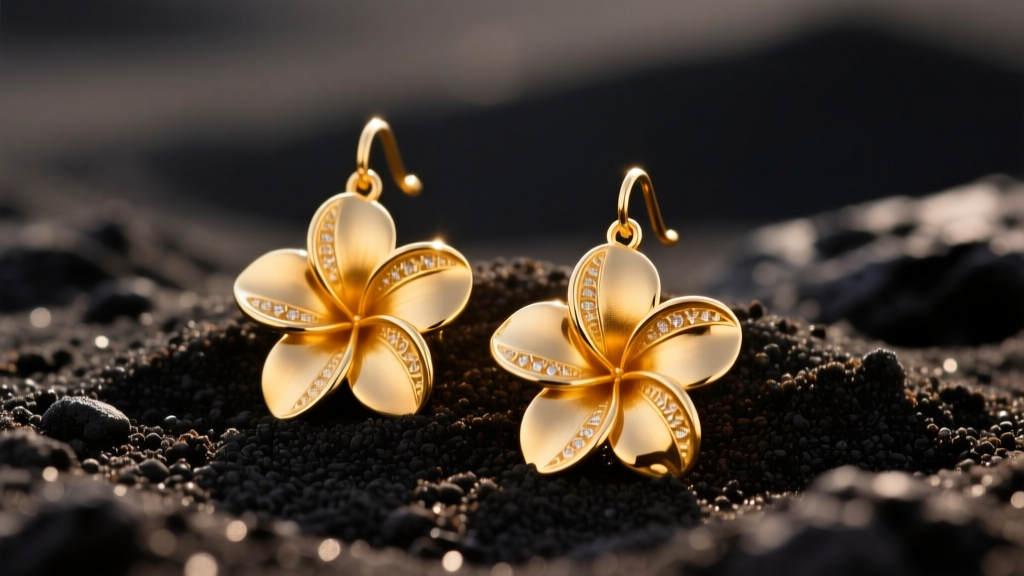
Hawaiian flower earrings—featuring iconic plumeria, hibiscus, and orchid motifs—are celebrated for their vibrant elegance and cultural resonance. However, the intricate designs and substantial metalwork required to capture these tropical blooms often introduce structural and dermatological challenges. Whether you are dealing with earlobe fatigue from heavy solid-gold dangles, rapid tarnishing in humid climates, or chipped enamel on vintage pieces, troubleshooting these issues requires a precise understanding of jewelry mechanics and metallurgy. This guide provides actionable, expert-level solutions to restore and maintain your floral earwear.
The Weight Problem: Preventing Earlobe Sagging and Tearing
The most frequent complaint regarding Hawaiian flower earrings is earlobe fatigue. A beautifully detailed, solid-cast 14k gold plumeria dangle can easily weigh between 12 and 18 grams per ear. The human earlobe comfortably supports up to 7 to 10 grams before the tissue begins to stretch, leading to micro-tears, elongated piercing holes, and eventual lobe sagging.
Troubleshooting Steps for Heavy Florals:
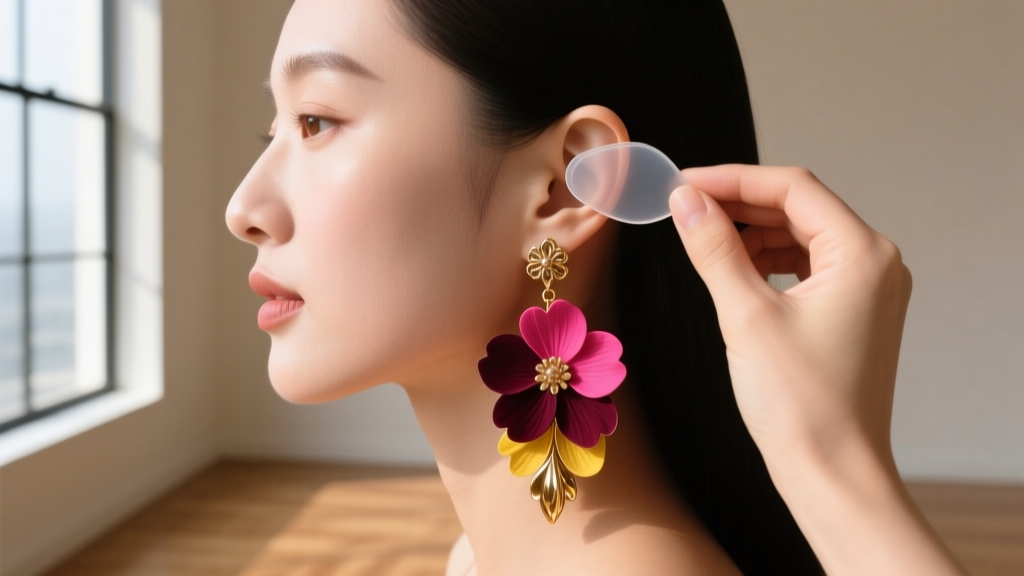
- Medical-Grade Silicone Support Patches: For earrings exceeding 10 grams, apply a clear, adhesive silicone earlobe support patch (such as LobeWonder) to the back of the ear. These patches distribute the downward torque across a wider surface area of the cartilage and skin, preventing the post from slicing through the piercing channel.
- Upgrade to La Pousette or Screw Backs: Standard friction 'butterfly' backs concentrate weight on a tiny 2mm point. Swap them for La Pousette locking backs or jumbo silicone stoppers, which feature a wider 5mm base plate to stabilize heavy floral drops.
- Seek Electroformed Designs: When purchasing new pieces, look for 'hollow-core' or electroformed Hawaiian flower earrings. Electroforming builds a thick shell of gold over a wax model that is later melted away, yielding a voluminous 3D hibiscus or orchid that weighs up to 70% less than a traditional solid cast.
Combating Tarnish and Contact Dermatitis in Tropical Climates
Floral earrings are frequently worn in high-humidity, salt-air environments, which accelerates oxidation and exposes underlying base metals. Many mass-market Hawaiian flower earrings are crafted from brass or nickel-silver alloys with a microscopic gold wash. When the plating wears off, sweat and humidity trigger allergic contact dermatitis, resulting in itchy, weeping earlobes.
Material & Humidity Resistance Chart:
| Metal Grade | Nickel Risk | Humidity/Sweat Resistance | Troubleshooting Action |
|---|---|---|---|
| 14k / 18k Solid Gold | Very Low | Excellent | Polish with a soft microfiber cloth; no chemical dips required. |
| 925 Sterling Silver | None | Poor (Prone to Sulfur Tarnish) | Use an aluminum foil and baking soda electrolytic bath to reverse black oxidation. |
| Gold-Plated Brass | High | Poor (Plating degrades rapidly) | Have a jeweler strip the piece and apply a 1.0-micron rhodium or 24k gold barrier coat. |
| Implant-Grade Titanium | None | Excellent | Ideal for the posts; anodize for color without introducing allergens. |
If your sterling silver hibiscus earrings have turned black due to sulfur exposure, avoid abrasive silver polishes that will strip the intentional dark oxidation (patina) used to highlight the petal grooves. Instead, line a glass bowl with aluminum foil, add boiling water, a tablespoon of baking soda, and a pinch of salt. Submerge the earrings for 3 minutes. The electrochemical reaction transfers the silver sulfide from the earring to the foil, restoring brightness without damaging the intricate floral textures.
Repairing Chipped Enamel and Loose Gemstone Inlays
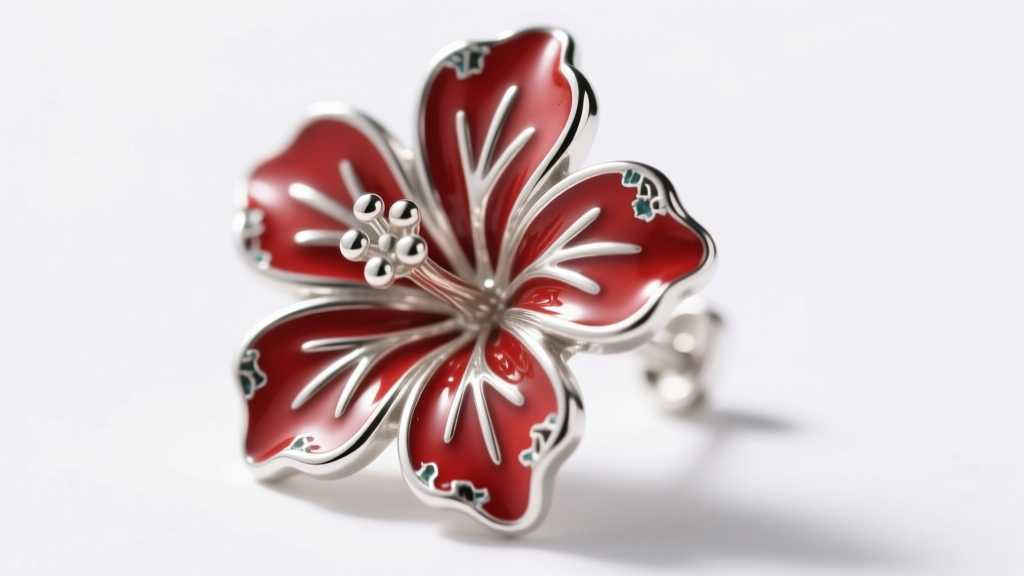
To achieve the vivid reds of a hibiscus or the bright yellows of a plumeria, jewelers frequently use enamel. It is critical to identify whether your earrings utilize vitreous (kiln-fired) enamel or cold (epoxy-based) enamel, as the troubleshooting protocols differ vastly.
Diagnosing and Fixing Enamel Damage:
- Cold Enamel (Epoxy): If the colored center of your flower feels like smooth plastic and chips easily upon impact, it is cold enamel. You can repair minor chips at home using a two-part jeweler's clear epoxy mixed with cosmetic-grade mica powders to match the original hue. Apply with a fine needle, let it cure for 24 hours, and gently buff with a 3000-grit micro-mesh pad.
- Vitreous Enamel (Glass): If the petal coloring is hard, cold to the touch, and scratches only with metal, it is kiln-fired. Do not attempt DIY epoxy repairs. Vitreous enamel requires a professional enamelist to pack glass powder into the cloisonné wires and fire it in a kiln at 1400°F.
- Stone Inlay Failures: Many Hawaiian orchid earrings feature bezel-set mother-of-pearl or black onyx. If the stones rattle or fall out, the bezel wire has likely been snagged on clothing. Use a bezel roller or the smooth back of a spoon to gently burnish the metal lip back over the stone's edge, applying even pressure in a circular motion.
Wire Gauge and Clasp Failures on Floral Dangles
The connection point between the ear wire and the floral drop is a major structural vulnerability. Standard ear wires are typically 20-gauge (0.81mm thick). When supporting a wide, wind-catching hibiscus design, a 20-gauge wire will easily bend out of shape, causing the earring to hang crookedly or slip out of the piercing entirely.
The Gauge Upgrade Solution:
Take your earrings to a bench jeweler and request an upgrade to 18-gauge (1.02mm) or 16-gauge (1.29mm) locking leverback wires. Leverbacks not only provide the necessary tensile strength to support wide floral silhouettes without bending, but their secure locking mechanism prevents loss during active wear, such as swimming or dancing. Ensure the jump ring connecting the flower to the new wire is soldered shut rather than merely pinched closed, eliminating the primary failure point for heavy dangles.
Maintenance Routine: What to Avoid
When cleaning Hawaiian flower earrings, the instinct is often to drop them into an ultrasonic cleaner. According to the Gemological Institute of America (GIA), ultrasonic waves can be highly destructive to certain materials commonly found in tropical jewelry designs.
Never use ultrasonic cleaners if your earrings feature:
- Pearls or Coral: The high-frequency vibrations can fracture the nacre or dissolve the organic structure of coral inlays.
- Cold Enamel: The heat and vibrations will cause epoxy-based floral coloring to cloud, crack, or detach from the metal backing.
- Foil-Backed Rhinestones: Often used in vintage Aloha-era pieces, the liquid will seep behind the glass and destroy the reflective foil.
Instead, use a soft-bristled baby toothbrush dipped in a mild solution of warm water and phosphate-free dish soap. Gently agitate the crevices of the flower petals, rinse under lukewarm water, and immediately dry with a blast of compressed air to prevent water spots from forming in the intricate metalwork. By understanding the specific material properties and structural limits of your jewelry, you can ensure your Hawaiian flower earrings remain vibrant, secure, and comfortable for years to come.


