Hearts On Fire Earrings Troubleshooting: Prongs, Cleaning, and Backs
Troubleshoot common Hearts On Fire earrings issues. Learn expert fixes for loose prongs, cloudy diamonds, and lost proprietary earring backs.

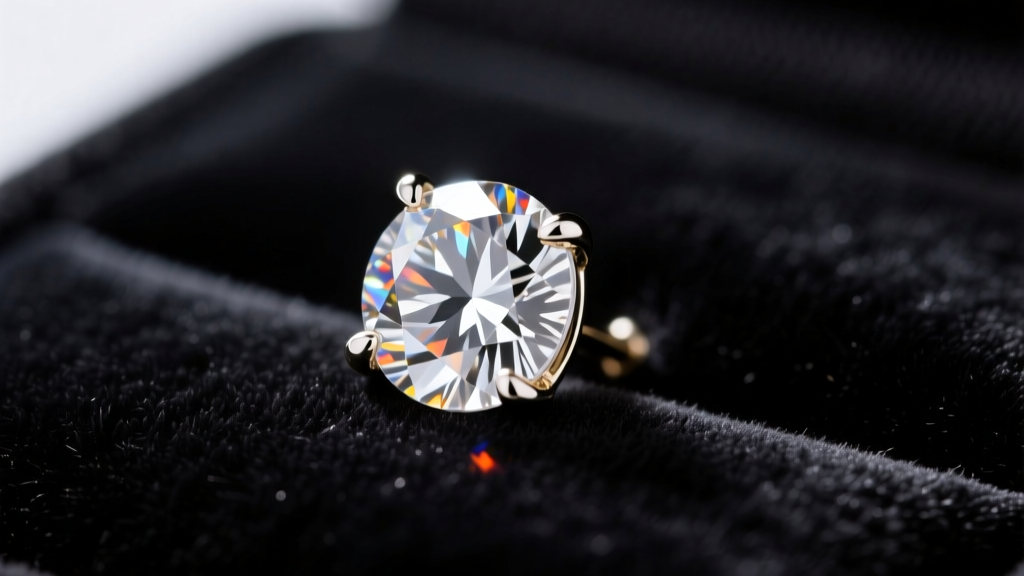
The Unique Anatomy of Hearts On Fire Diamond Earrings
Hearts On Fire (HOF) is not just another luxury jeweler; the brand is built on a proprietary cutting methodology that demands specialized care. While the industry standard for diamond cutting and inspection is 10x magnification, Hearts On Fire diamonds are cut and polished at 100x magnification. This extreme precision creates flawless facet junctions and optimal light return, but it also means the diamonds and their settings require specialized troubleshooting when issues arise. Standard bench jewelers who are unfamiliar with this level of precision can inadvertently damage the optical symmetry of the stone during routine polishing or prong tightening. Understanding the unique metallurgical and gemological characteristics of your jewelry is the first step in effective troubleshooting.
Troubleshooting Cloudy or Dull Diamonds
Because HOF diamonds rely on exact geometric angles to reflect light, even a microscopic layer of sebum, hard water minerals, or lotion can drastically reduce their brilliance. The high refractive index of a perfectly cut diamond means that light leakage caused by surface grime is immediately noticeable. When your earrings lose their signature sparkle, the issue is rarely the diamond itself, but rather the environmental buildup on the pavilion (the underside of the stone).
The Safe Cleaning Protocol
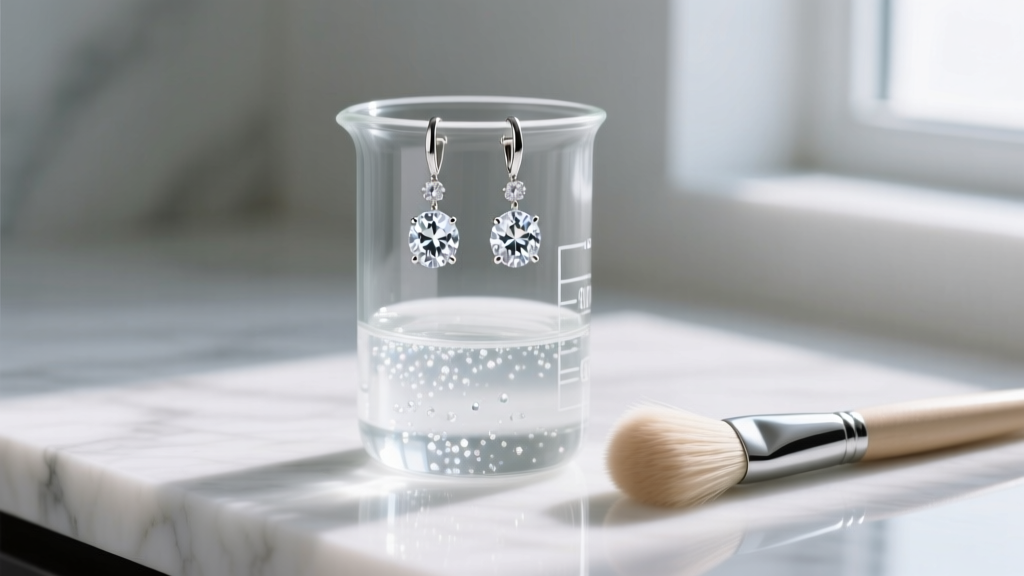
Avoid commercial ultrasonic cleaners if your Hearts On Fire earrings feature secondary materials like mother-of-pearl, enamel, or fracture-filled accent stones. The high-frequency vibrations and heat can cause delamination or thermal shock. According to the Gemological Institute of America (GIA), the safest method for high-end diamond jewelry is a mild degreasing solution.
- Mix warm distilled water (not tap water, which contains chlorine and calcium that leave micro-scratches) with two drops of ammonia-free dish soap.
- Soak the earrings for exactly 15 to 20 minutes to loosen the lipid bonds of skin oils.
- Use a dedicated, ultra-soft baby toothbrush to gently sweep the pavilion where grime accumulates.
- Rinse with distilled water and dry with a lint-free microfiber cloth to prevent water spots.
Prong Wear and Loose Stone Diagnostics
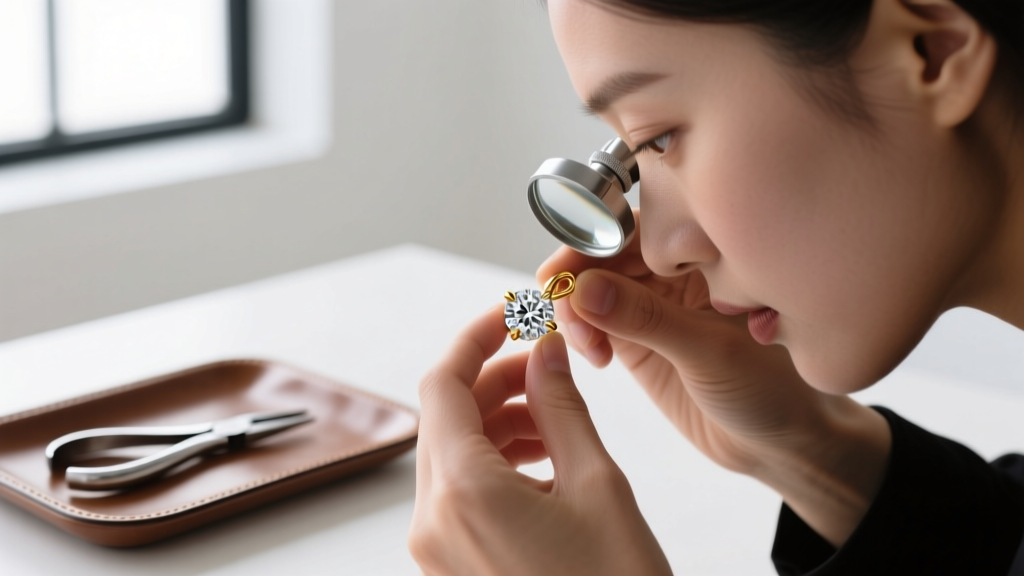
Hearts On Fire frequently utilizes 18k gold (both white and yellow) for their earring settings, alongside platinum. While 18k gold offers a rich color and premium weight, it contains 75% pure gold, making it inherently softer than 14k gold or platinum. On the Vickers hardness scale, 18k gold is more susceptible to micro-abrasions and prong deformation from daily wear, especially on stud earrings that catch on hairbrushes and sweater collars.
| Setting Metal | Vickers Hardness (Approx) | Prong Inspection Interval | Common Failure Mode |
|---|---|---|---|
| 18k Yellow Gold | 125 HV | Every 6 Months | Prong lifting due to malleability |
| 18k White Gold | 135 HV | Every 6-8 Months | Rhodium plating wear exposing soft alloy |
| Platinum (950) | 140-160 HV | Every 12 Months | Prong displacement (bending, not breaking) |
The Hair Wrap Phenomenon
A hidden cause of prong failure in luxury studs is the hair wrap phenomenon. Long hair wraps around the base of the earring post and the prong gallery. When you pull a brush through your hair, the tensile stress is transferred directly to the prongs. Over months, this repetitive micro-stress causes metal fatigue in 18k gold prongs, leading to a sudden snap rather than a gradual bend. If you notice a rattling sound when you gently tap the earring against your fingernail, a prong has likely lifted. Do not attempt to push the prong back down with household pliers; the hardened steel will gouge the 18k gold and potentially chip the diamond's girdle.
Replacing Lost or Broken Proprietary Earring Backs
Losing an earring back is a universal frustration, but replacing one on a luxury piece requires specific knowledge. Hearts On Fire earrings often feature heavy-duty friction backs with deep grooves or specialized screw-backs designed to support the weight of high-carat diamond drops.
If you lose an HOF back, avoid using generic sterling silver or base-metal replacements from a local drugstore. Mixing base metals with 18k gold posts can trigger galvanic corrosion, a chemical reaction accelerated by skin moisture that will permanently pit and degrade the gold post. Furthermore, generic backs often lack the precise internal tension springs required to grip the specific gauge of HOF posts (typically 18-gauge or 19-gauge for luxury studs).
Never force a mismatched earring back onto a luxury post. If the back requires excessive pressure to slide past the notch, you risk bending the post, which will permanently weaken the metal's structural integrity.
Troubleshooting Skin Irritation and Post Discoloration
Contact dermatitis from luxury earrings is surprisingly common and often misdiagnosed as a metal allergy. While Hearts On Fire uses high-purity 18k gold and platinum, the accumulation of trapped moisture, dead skin cells, and soap residue between the earring post and the earlobe can create a highly acidic microenvironment. This leads to post discoloration and skin irritation.
If you experience itching or notice a greenish-black tarnish on the post, do not assume the jewelry is counterfeit or contains nickel. Instead, troubleshoot the hygiene of the piercing channel. Clean the posts weekly with a cotton swab dipped in isopropyl alcohol (70% or higher). For those with highly sensitive skin, applying a microscopic layer of medical-grade barrier ointment to the post before insertion can prevent friction-induced micro-tears in the earlobe, which often harbor bacteria and cause localized inflammation.
Authorized Repair vs. Local Jeweler: A Risk Matrix
When troubleshooting requires physical repair, knowing where to take your earrings is critical. Jewelers of America recommends using authorized service centers for proprietary designs. Below is a decision matrix to help you choose the right repair path without compromising your investment.
- Routine Cleaning & Inspection: Safe for any certified local bench jeweler.
- Rhodium Replating (18k White Gold): Safe for local jewelers, but ensure they use a high-quality rhodium bath to match HOF's specific bright-white finish.
- Prong Tightening & Re-tipping: HIGH RISK. Must be done by an authorized Hearts On Fire service center. Local polishing wheels can easily round the precise facet junctions of a 100x magnification cut.
- Post Replacement (Laser Welding): Moderate risk. Ensure the local jeweler uses a laser welder rather than a traditional torch, which can cause thermal shock to the diamond.
By adhering to these specialized troubleshooting protocols, you can maintain the structural integrity and optical perfection of your Hearts On Fire earrings for decades.


