Are Heavy Earrings Worth the Investment? A Value & Comfort Guide
Discover if heavy earrings are worth the investment. We analyze material costs, weight distribution, and lobe health to help you assess true value.

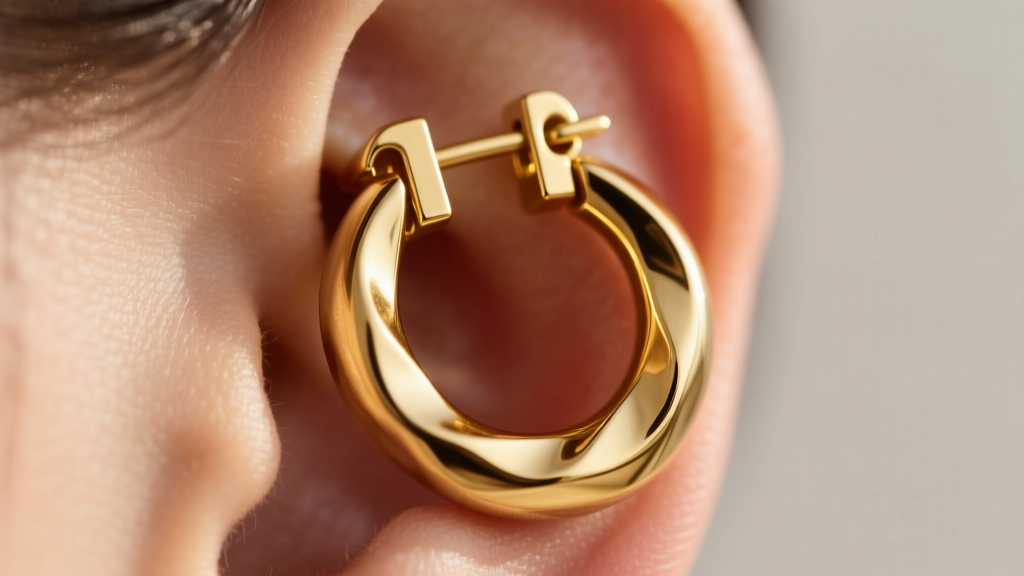
In 2026, the trend toward oversized, sculptural ear pieces has solidified heavy earrings as a staple in both high fashion and everyday statement styling. However, the allure of a bold, substantial silhouette often masks a complex reality regarding lobe health, material integrity, and long-term financial value. When we define 'heavy' in the jewelry industry, we are typically referring to any single earring that exceeds 15 grams. For context, a standard diamond stud weighs between 1 and 3 grams. Once you cross the 15-gram threshold, the physics of the earlobe change dramatically, and the budget assessment must shift from purely aesthetic cost to a comprehensive evaluation of structural engineering and biological risk.
Assessing the true value of heavy earrings requires looking far beyond the initial price tag. A cheap pair of poorly balanced brass chandeliers might cost $40 upfront, but if they cause micro-tears in your piercing canal, the subsequent surgical repair will eclipse the cost of a premium, solid-gold alternative. This guide breaks down the metallurgy, weight distribution mechanics, and hidden costs of heavy statement earrings to help you make an informed, value-driven investment.
The True Cost of Heavy Earrings: Material vs. Weight
The most common pitfall when budgeting for heavy earrings is confusing visual mass with actual material value. Jewelers utilize various manufacturing techniques to manipulate weight, which drastically alters the price point and longevity of the piece. According to the Gemological Institute of America (GIA), the karatage and alloy mix of gold directly impact its density and durability, but the manufacturing method dictates the final gram weight.
Solid Cast vs. Electroformed Hollow Gold
A solid cast 14k gold sculptural hoop measuring 30mm in diameter and 5mm in thickness can easily weigh 22 grams per ear, pushing the retail price well past $1,200 due to the raw metal cost. To offer a similar visual impact at a lower budget, manufacturers use electroforming. This process creates a hollow shell of 14k or 18k gold over a resin or wax core that is later dissolved. The result is an earring that looks identical to the solid cast version but weighs only 6 grams, often retailing for $350 to $500. From a pure budget perspective, hollow electroformed gold offers the highest aesthetic-to-cost ratio, provided the outer gold layer meets the minimum thickness required by the Federal Trade Commission Jewelry Guides to prevent premature wear-through.
The Vermeil and Brass Trap
Budget shoppers often gravitate toward heavy brass or sterling silver earrings plated with thick gold vermeil. While a 30-gram brass chandelier earring might only cost $60, the value proposition degrades rapidly. Heavy earrings experience high friction against the skin and hair. Over time, the plating on high-contact areas (like the post and the backing) wears away, exposing the base metal. This not only ruins the aesthetic but introduces a high risk of contact dermatitis and nickel allergies, rendering the investment entirely counterproductive.
Weight Distribution Engineering: Why Design Dictates Value
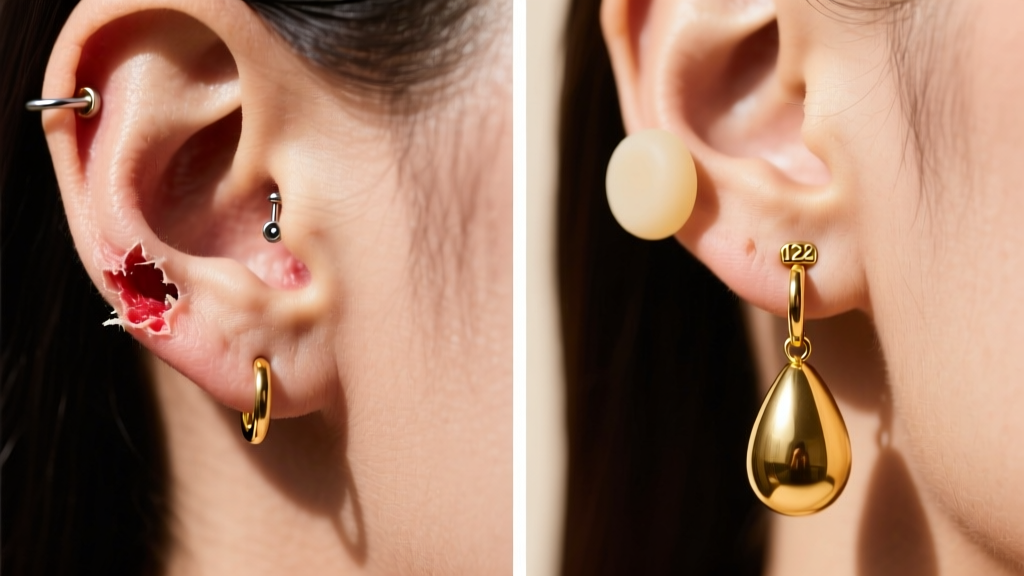
The value of a heavy earring is inextricably linked to its structural engineering. The earlobe is essentially a pad of adipose tissue and collagen with a fistula (the piercing hole) running through it. When a heavy earring is inserted, the post acts as a lever, and the bottom of the piercing hole becomes the fulcrum. If the earring's center of gravity hangs too far below the fulcrum, it creates a 'cheese wire' effect, slowly slicing through the tissue.
The Critical Role of Post Gauge
Standard earring posts are manufactured at 20-gauge (0.81mm) or 18-gauge (1.02mm). These dimensions are wholly inadequate for heavy earrings. A 20-gauge post bearing 20 grams of weight will concentrate immense pressure on a microscopic surface area of the lobe, guaranteeing tissue migration and tearing. When assessing value, you must inspect the post thickness. Premium heavy earrings utilize 16-gauge (1.29mm) or even 14-gauge (1.63mm) posts to distribute the load across a wider surface area of the fistula.
Backing Systems: The Unsung Heroes of Value
A $2,000 pair of heavy solid gold drops is a poor investment if it relies on a standard friction 'butterfly' clutch. Butterfly backs fail under loads exceeding 8 grams because their tiny contact area digs into the back of the lobe, causing pain and eventual slippage. True value in heavy earrings is found in specialized backing systems:
- Omega Clips: Hinged, curved backs that clamp against the earlobe, distributing weight across the entire back surface rather than just the post.
- Flat Disc Backs: Silicone or metal discs measuring 10mm to 14mm in diameter that act as a wide washer, preventing the earring from pulling through the hole.
- La Pousette (Locking) Backs: Mechanical locking clutches that grip the post securely, preventing the heavy earring from sliding off and getting lost.
The Hidden Costs of Lobe Repair
Any budget assessment for heavy earrings must factor in the catastrophic failure mode: lobe tearing. The 'cheese wire' effect caused by poorly balanced, heavy, cheap earrings can result in a complete split earlobe. According to data from the Jewelers of America and associated dermatological repair clinics, surgical earlobe reconstruction typically costs between $600 and $1,500 per lobe, depending on the complexity of the tear and the surgeon's expertise. Furthermore, the healing process takes 6 to 8 weeks, followed by a mandatory 3 to 6-month waiting period before the lobe can be safely re-pierced. When you calculate the financial and temporal cost of a botched budget purchase, investing an extra $200 upfront in a pair of heavy earrings with an engineered 14mm flat disc back and a 16-gauge post becomes a mathematically sound decision.
Value Assessment Matrix: Budget vs. Premium Heavy Earrings
To visualize the cost-per-wear and risk profile, we have categorized heavy earrings (15g+) into three distinct market tiers. This matrix serves as a practical decision framework when evaluating pieces in the wild.
| Tier | Typical Material | Avg. Weight | Post Gauge & Backing | Price Range | Lobe Risk & Value |
|---|---|---|---|---|---|
| Budget | Brass / Zinc Alloy | 20g - 40g | 20G Post / Butterfly Back | $30 - $80 | Extremely High. High risk of tearing and allergic reaction. Poor long-term value. |
| Mid-Tier | Sterling Silver / Gold Vermeil | 15g - 25g | 18G Post / Standard Clutch | $90 - $250 | Moderate. Plating will wear on high-friction areas. Moderate tearing risk. |
| Premium | Solid 14k Gold / Electroformed | 10g - 25g | 16G Post / Omega or Disc Back | $350 - $1,500+ | Very Low. Engineered for weight distribution. Excellent heirloom and resale value. |
How to Test the Value of Heavy Earrings Before Buying
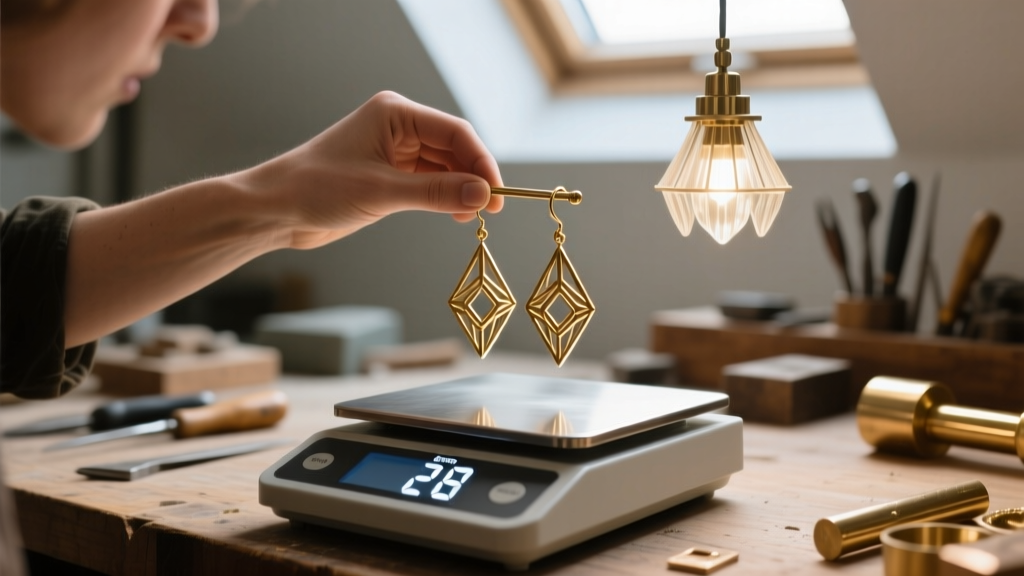
Whether you are shopping online or evaluating a vintage piece at an estate sale, you can perform a rapid value and safety assessment using a few practical tests.
1. The Fulcrum Balance Test
Hold the earring by the post between your thumb and index finger, allowing the decorative portion to hang freely. If the earring immediately swings forward and points toward the floor, its center of gravity is poorly calibrated. A well-engineered heavy earring should hang relatively straight or tilt only slightly backward. Forward-tilting earrings will constantly pull on the bottom of your piercing, regardless of how secure the backing is.
2. The Post Thickness Check
Always verify the gauge of the post. If the retailer does not list the gauge in the product specifications, assume it is a standard 20-gauge wire. For any earring listed over 12 grams, refuse to purchase it unless the post is at least 16-gauge or it features a specialized saddle-back design that widens at the base of the lobe.
3. The 'Pull Test' for Backings
If evaluating in person, attach the backing and give it a firm, downward tug. Standard friction backs rely on tiny metal dimples that wear smooth over time. If the backing slides off with moderate pressure, it is entirely unsuited for the weight of the earring. Look for mechanical locks, screw-backs, or wide-surface tension clips.
Final Verdict: Calculating Cost-Per-Wear for Statement Pieces
Heavy earrings are absolutely worth the investment, provided the budget is allocated toward structural integrity rather than just visual size. The true value lies in the intersection of hypoallergenic materials, appropriate post gauges, and wide-surface backing systems. By avoiding the false economy of cheap, poorly balanced base-metal earrings, you protect your physical anatomy and secure a versatile, enduring addition to your jewelry wardrobe. When you factor in the cost-per-wear and the avoidance of expensive surgical repairs, a premium, well-engineered heavy earring is not just a fashion statement—it is a highly rational financial decision.


