Horse Earring Guide: Equestrian Jewelry for Beginners
Discover how to style a horse earring with our beginner-friendly guide. Explore equestrian motifs, metal grades, gauge sizes, and pricing for 2026.

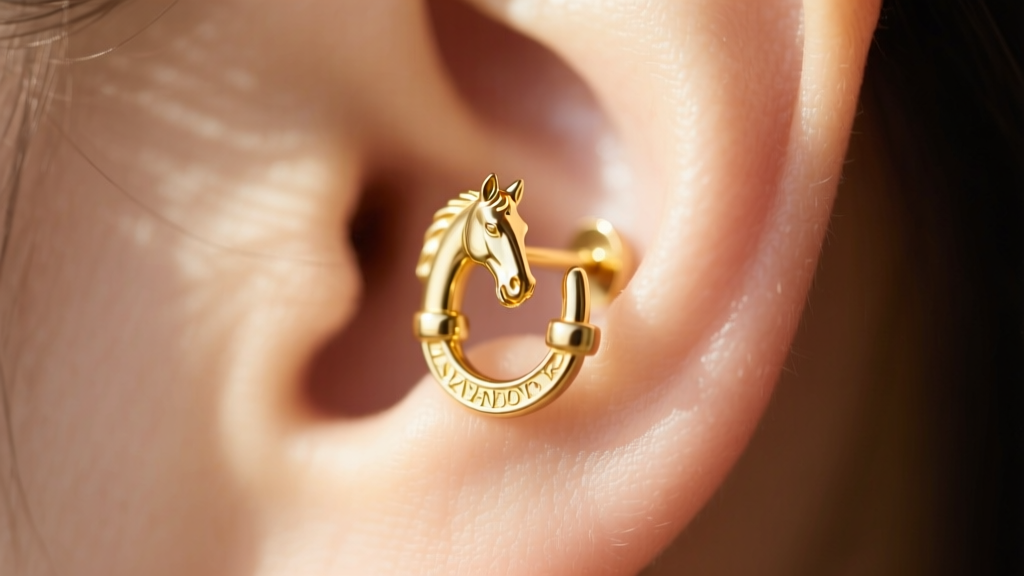
The Rise of Equestrian Jewelry: Beyond the Barn
When you hear the term 'horse earring', you might picture a literal, novelty-shaped horse head. However, in the realm of fine and fashion jewelry, equestrian motifs are far more sophisticated. As we navigate the style landscape of 2026, the 'quiet luxury' and 'old money' aesthetics have pushed equestrian-inspired jewelry into the mainstream spotlight. Brands like Ralph Lauren and Gucci have long utilized equestrian hardware as a status symbol, but today, independent jewelers and accessible luxury brands are making these designs available to everyone. Understanding the history, anatomy, and proper fit of these pieces is essential for any beginner looking to elevate their jewelry collection.
Decoding the 'Horse Earring': Popular Equestrian Motifs
Understanding the anatomy of equestrian jewelry is the first step to curating a refined collection. The most iconic designs are directly lifted from horse tack and riding gear, each carrying its own distinct silhouette and weight profile.
The Snaffle Bit Stud
The snaffle bit is the most recognizable equestrian motif in jewelry. In horseback riding, a snaffle bit features a jointed mouthpiece and side rings (often D-rings or eggbutt shapes) that apply direct pressure to the horse's mouth. In jewelry, this translates beautifully into a horizontal bar stud with two circular rings on either end. It is a staple for lobe piercings, offering a subtle nod to the equestrian world without being overly literal. The jointed center often allows for a slight pivot, giving the earring dynamic movement.
The Horseshoe Huggie & Hoop
Horseshoes are universally recognized symbols of luck, but their structural shape makes them perfect for huggie earrings and small hoops. A high-quality horseshoe huggie will feature the distinct calks (the grips at the ends of the shoe) and recessed nail holes. For a more avant-garde look, some designers invert the traditional orientation, though purists argue the open ends should face upward to 'catch' good luck. Huggies are ideal for second or third lobe piercings, providing a snug, secure fit that won't snag on winter scarves or riding helmets.
The Stirrup Drop & Riding Crop
For those who prefer dangle or drop earrings, the stirrup iron is a brilliant choice. Stirrup drops mimic the curved base and leather strap of an English riding saddle. They offer a beautiful, elongated silhouette that frames the jawline perfectly. Riding crop motifs, often featuring a small metallic 'flap' or leather-wrapped handle, serve as edgy, linear ear cuffs or long dangles that add a touch of rebellion to classic equestrian styling.
Material Grades & Piercing Safety: What Beginners Must Know
The equestrian jewelry market is flooded with cheap, mass-produced alloys that can cause severe contact dermatitis. Because a horse earring often features intricate casting (like the joints of a bit or the texture of a horseshoe), manufacturers sometimes use nickel-heavy brass to keep costs down and capture fine details. Here is how to navigate metal grades safely.
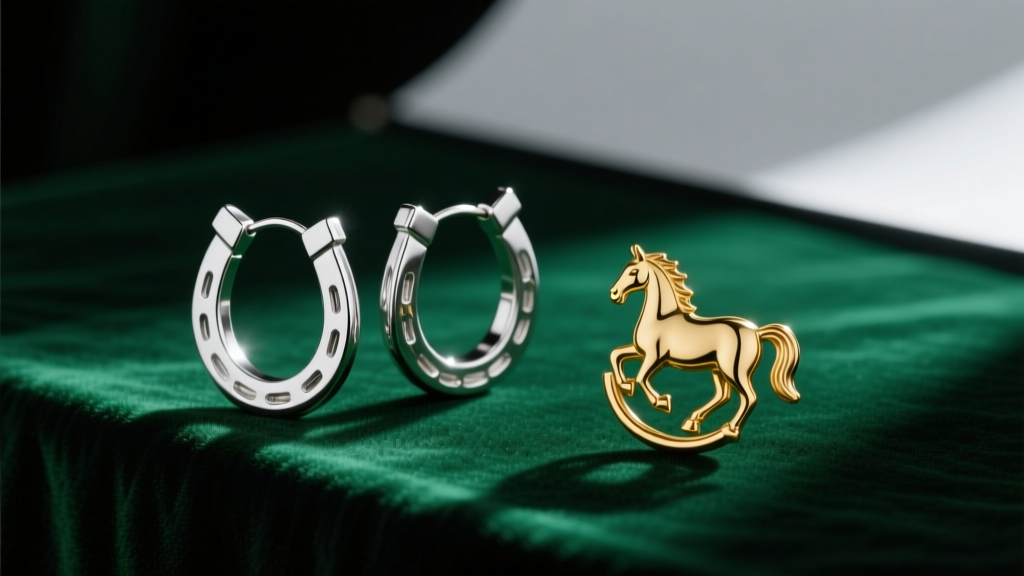
According to the Association of Professional Piercers (APP), nickel is the most common metal allergen. If you have sensitive ears or healing piercings, you must avoid standard 'fashion' metals and opt for certified biocompatible options.
| Metal Grade | Composition & Standards | Best For | Price Range (Per Pair) |
|---|---|---|---|
| Implant-Grade Titanium | ASTM F136 certified, 100% nickel-free, hypoallergenic. | Fresh piercings, severe metal allergies, cartilage. | $40 - $90 |
| 14k Solid Gold | 58.5% pure gold alloyed with metals like copper or zinc for strength. | Everyday wear, heirloom pieces, water exposure. | $120 - $400+ |
| Gold Vermeil | Sterling silver base plated with at least 2.5 microns of 10k+ gold. | Occasional wear, trend-focused pieces. | $50 - $150 |
| Surgical Steel | 316L stainless steel; contains trace nickel but usually safe for healed lobes. | Healed standard lobe piercings on a budget. | $20 - $60 |
The Gemological Institute of America (GIA) notes that true gold vermeil must meet strict thickness standards. Many fast-fashion equestrian brands sell 'gold-plated' earrings that only have a 0.5-micron flash coating. This will wear off within weeks of daily wear, exposing the reactive base metal beneath. Always look for the word 'vermeil' or 'solid' when investing in equestrian staples.
Gauge Sizes and Fit: Preventing the 'Cheese-Cutter' Effect
A common mistake beginners make when buying thematic jewelry is ignoring the post thickness and weight. Equestrian hardware is inherently chunky. A solid sterling silver snaffle bit stud can easily weigh between 4 and 7 grams, which is significantly heavier than a standard ball stud.
Understanding Gauge Thickness
The 'gauge' refers to the thickness of the earring post. Standard lobe piercings are typically done at 20-gauge (0.8mm) or 18-gauge (1.0mm). However, if you hang a heavy, 6-gram horse bit on a flimsy 20-gauge wire, gravity will pull the earring downward. Over time, this creates what professional piercers call the 'cheese-cutter effect,' where the thin wire slowly migrates through the earlobe tissue, causing permanent elongation or tearing.
- For Lightweight Studs (Under 3g): 20-gauge (0.8mm) or 18-gauge (1.0mm) is perfectly safe for everyday wear.
- For Heavy Snaffle Bits & Drops (4g+): Opt for an 18-gauge (1.0mm) or even 16-gauge (1.2mm) post. You may need to gently stretch your healed lobe to accommodate the thicker post, which provides vastly superior structural support and prevents migration.
- For Cartilage & Huggies: Cartilage piercings (like the helix or tragus) are usually pierced at 16-gauge (1.2mm). Ensure your horseshoe huggie has a 16g wire to prevent irritation bumps caused by movement and friction.
Furthermore, pay attention to the post length. Standard posts are 6mm to 8mm. If you are buying a heavy horse earring with a wide butterfly backing or a thick base plate, ensure the post is at least 8mm long to accommodate the thickness of your earlobe without digging into your skin.
Styling Your Equestrian Earrings for Everyday Wear
The key to pulling off a horse earring in 2026 is restraint. The goal is to evoke the elegance of the equestrian world, not to look like you are heading to a costume party. Here is a practical styling framework for beginners.
The 'Quiet Luxury' Equestrian Rule: Let the hardware speak for itself. If you are wearing a prominent snaffle bit stud or a heavy stirrup drop, keep your necklace and ring game minimal. Pair your earrings with textured, high-quality fabrics like cashmere, tweed, or crisp poplin.
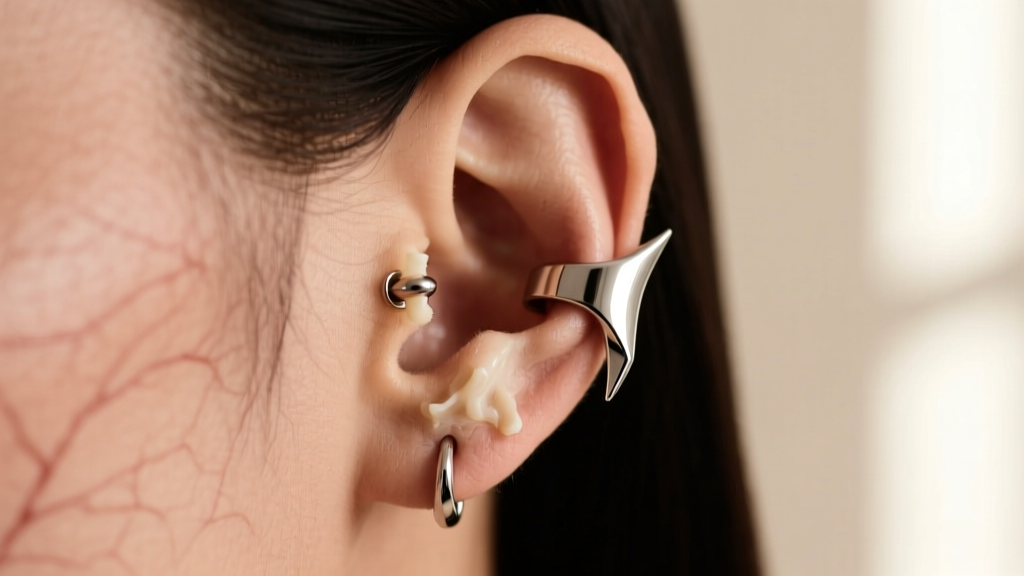
Curating an Ear Stack with Equestrian Themes
If you have multiple piercings, equestrian motifs offer incredible stacking potential. Start with a medium-sized snaffle bit stud in your primary lobe piercing. In your second lobe hole, place a tiny, minimalist gold horseshoe stud or a simple ball bearing that mimics the joint of a bit. For your helix or flat piercing, a small titanium horseshoe ring (often called a clicker) ties the entire equestrian theme together vertically. This curated approach looks deliberate and high-end, avoiding the cluttered appearance of random, mismatched jewelry.
Face Shape Considerations
If you have a round face, avoid wide, horizontal snaffle bit studs, as they will emphasize the width of your cheeks. Instead, opt for elongated stirrup drops that draw the eye downward and lengthen your facial profile. Conversely, if you have a long or angular face, horizontal horse bit bars and wider horseshoe hoops will add beautiful balance and soften your jawline.
Where to Shop in 2026: Navigating the Market
When searching for authentic, well-crafted equestrian jewelry, avoid generic fast-fashion retailers. Instead, look for specialized equestrian lifestyle brands and independent jewelers who disclose their exact metal compositions and weight specifications. Dedicated fine jewelers who specialize in animal and hardware motifs will offer the best longevity and structural integrity. Always verify the return policy and metal guarantees before purchasing, especially when buying vermeil or gold-plated pieces online. Investing in a high-quality horse earring is about appreciating the rich history and architectural beauty of equestrian hardware, ensuring your pieces last a lifetime.


