The 2026 Trend: Upgrading Fine Friction Earring Backs
Discover the 2026 trend of upgrading friction earring backs. Explore material grades, gauge sizes, and styling tips for secure fine jewelry.

The Renaissance of the Friction Earring Back
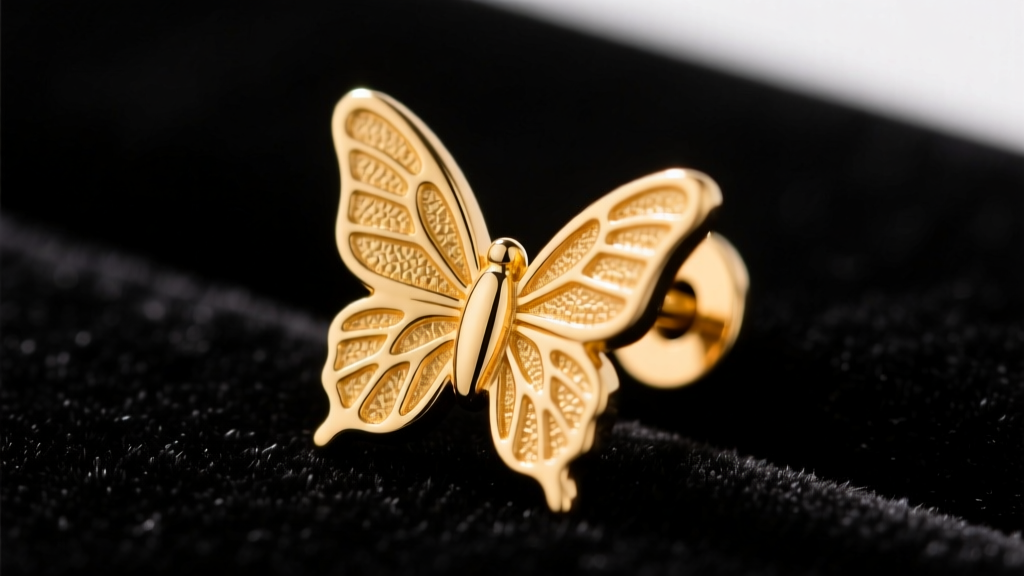
In the fast-paced world of fine jewelry, the spotlight almost exclusively falls on the centerpiece: the brilliance of a lab-grown diamond, the vivid saturation of a sapphire, or the intricate metalwork of a huggie hoop. However, as we navigate the style landscape of 2026, a quiet but critical revolution is happening at the back of the earlobe. The friction earring back—colloquially known as the butterfly clutch or push back—is undergoing a luxury engineering overhaul. Driven by the rising popularity of heavier, multi-carat statement studs and a consumer demand for heirloom-level security, upgrading your friction earring backs has become the year's most vital, albeit hidden, style trend.
For decades, the industry standard involved pairing exquisite precious metal earrings with flimsy, mass-produced base-metal clutches. This mismatch not only compromised the aesthetic of fine jewelry but also led to catastrophic losses. Today, style-savvy collectors and high-end jewelers are prioritizing the mechanical integrity of the findings. Understanding the metallurgy, gauge tolerances, and structural design of modern friction earring backs is no longer just for bench jewelers; it is essential knowledge for the modern jewelry consumer.
Anatomy and Gauge Tolerances of Modern Clutches
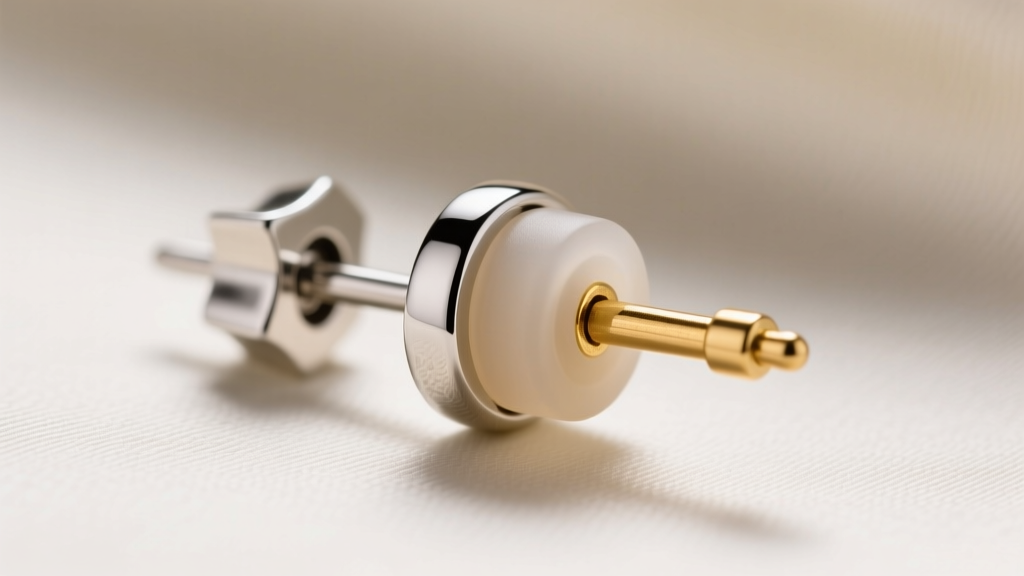
To appreciate the 2026 upgrades, we must first deconstruct the anatomy of a friction back. A standard butterfly clutch relies on two rolled pieces of spring metal inside a hollow casing. When the earring post is pushed through, these inner springs flex outward and then snap back into the grooves (notches) of the post, creating the friction that holds the earring in place.
The 20-Gauge vs. 18-Gauge Dilemma
The effectiveness of this mechanism is entirely dependent on the tolerance between the post and the clutch. Standard fine jewelry studs typically utilize a 20-gauge (0.81mm) post. While adequate for lightweight half-carat diamonds, 20-gauge posts are prone to bending under the weight of today's trending 2-carat and 3-carat lab-grown stones.
The 2026 trend sees a marked shift toward 18-gauge (1.02mm) posts for premium studs. This 26% increase in thickness drastically improves the structural rigidity of the post, preventing the downward 'droop' that plagues heavy earrings. However, an 18-gauge post requires a precisely calibrated friction back. Attempting to force a standard 20-gauge clutch onto an 18-gauge post will permanently splay the internal springs, ruining the clutch's tension.
Failure Modes: The Physics of Lost Earrings
Why do we lose earrings? According to claims data analyzed by Jewelers Mutual, mysterious disappearance is one of the most common insurance claims for diamond studs. The culprit is rarely a broken post; it is almost always the failure of the friction earring back. Understanding these failure modes is critical for prevention:
- Metal Fatigue: Repeated removal and insertion cause the internal spring metal to work-harden and eventually lose its 'memory.' The clutch becomes loose, sliding off the post with minimal resistance.
- Notch Wear: Earring posts feature machined grooves near the tip. Over time, cheap base-metal clutches can actually wear down these precious metal grooves, eliminating the physical barrier that stops the clutch from sliding off.
- Allergic Swelling: Many generic friction backs contain nickel to increase the hardness of white gold or silver alloys. Contact dermatitis causes the earlobe to swell, which pushes the earring back outward, bypassing the safety notch entirely.
"The integrity of a jewelry finding is just as critical as the gemstone it secures. A high-karat gold or platinum clutch ensures that the tensile strength of the finding matches the value of the piece." — Gemological Institute of America (GIA) educational guidelines on precious metal durability.
Material & Pricing Matrix: Choosing the Right Clutch
Not all friction earring backs are created equal. The metallurgical composition of the clutch dictates its spring memory, weight, and biocompatibility. Below is a comprehensive breakdown of the materials dominating the 2026 market.
| Material Grade | Spring Memory | Allergenic Risk | Avg. Price (Pair) | Best Application |
|---|---|---|---|---|
| 14k Yellow Gold | Moderate | Low (Nickel-free) | $25 - $40 | Everyday 1ct studs |
| 18k Yellow Gold | Low (Softer) | Very Low | $45 - $70 | Lightweight huggies |
| 950 Platinum | Excellent | None | $85 - $120 | Heavy 2ct+ drops |
| Silicone-Hybrid | High (Friction) | None | $15 - $30 | Active lifestyle |
As the table illustrates, 950 Platinum is the undisputed champion for high-value, heavy earrings. Platinum's natural density and superior spring memory mean it will grip an 18-gauge post securely for decades without succumbing to metal fatigue. Conversely, 18k gold, while luxurious in color, is inherently softer and requires more frequent replacement to maintain optimal tension.
The Silicone O-Ring Revolution
Perhaps the most significant innovation in friction earring backs is the integration of medical-grade silicone O-rings. Traditional metal-on-metal friction relies entirely on the tension of the spring. The modern hybrid clutch features a microscopic silicone sleeve lining the interior of the post hole.
When the metal post is inserted, the silicone creates a high-friction vacuum seal. This eliminates the reliance on metal notches entirely, allowing the earring to be secured smoothly anywhere along the post. This is a game-changer for individuals with thick earlobes or those who wear heavy statement pieces that require the clutch to be positioned further back on the post to balance the weight distribution. Brands are now offering these silicone-lined clutches in 14k gold housings, merging luxury aesthetics with athletic-grade security.
Styling Heavy Statement Pieces in 2026
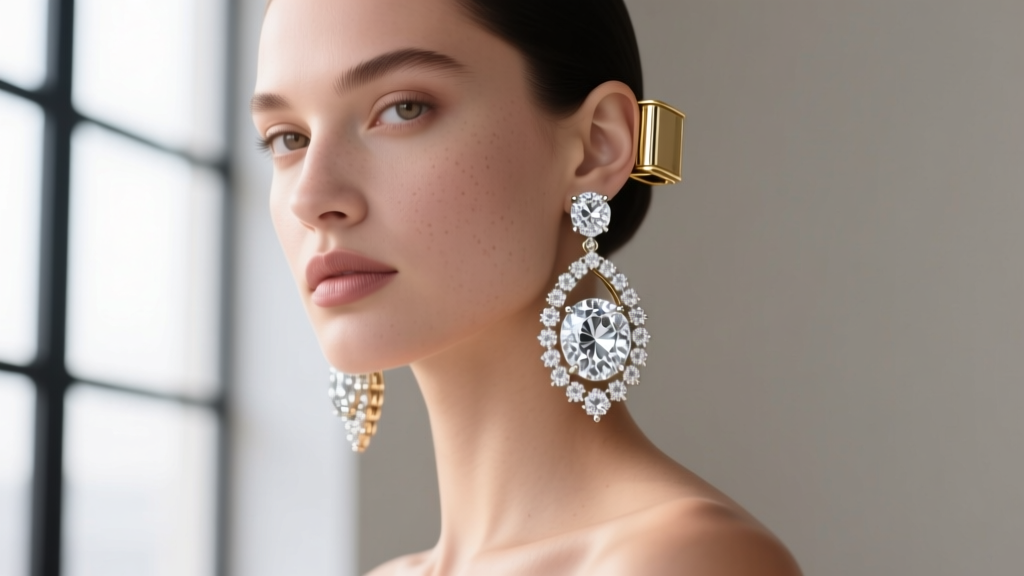
The silhouette of 2026 ear styling leans heavily into architectural, oversized drops and top-heavy geometric studs. These pieces often weigh upwards of 4 to 6 grams per ear. Standard butterfly backs are visually disproportionate and mechanically insufficient for these designs.
The styling solution? Jumbo Friction Clutches. These oversized backs feature a wider surface area that rests against the back of the earlobe. This broader footprint distributes the weight of the heavy earring over a larger area of the skin, preventing the 'cheese-cutter' effect where a thin post and small back dig into the flesh. When styling heavy vintage-inspired drops or modern sculptural gold pieces, pairing them with a jumbo 14k white gold or platinum friction back is not just a security measure—it is a comfort necessity that allows the earring to hang at the correct, intended angle.
Expert Sourcing and Maintenance Protocols
Upgrading your friction earring backs requires a proactive maintenance routine. Treat your clutches as wearable components that require periodic servicing, much like the prongs on a diamond ring.
- The Tug Test: Once a month, hold the earring post and gently pull the clutch. It should require deliberate, firm force to remove. If it slides off with a light touch, the internal springs have fatigued, and the clutch must be replaced immediately.
- Ultrasonic Cleaning: Sebum, dead skin cells, and hair products accumulate inside the hollow casing of a friction back, creating a sludge that inhibits the spring mechanism. Clean your backs weekly in an ultrasonic cleaner or soak them in warm water with a drop of mild dish soap, using a soft baby toothbrush to clear the post hole.
- Source Matching: Always purchase replacement friction backs from the original jeweler or a reputable findings manufacturer to ensure the post-hole diameter perfectly matches your specific earring gauge. A mismatch of even 0.1mm can compromise security.
By shifting our focus to the engineering of the findings, we protect our investments and elevate our daily comfort. The friction earring back is no longer an afterthought; in 2026, it is the foundation of fine jewelry styling.


