How Long to Keep Earrings In After Piercing: Value & Healing Guide
Discover exactly how long to keep earrings in after piercing. We break down healing timelines, jewelry costs, and the financial impact of infections.

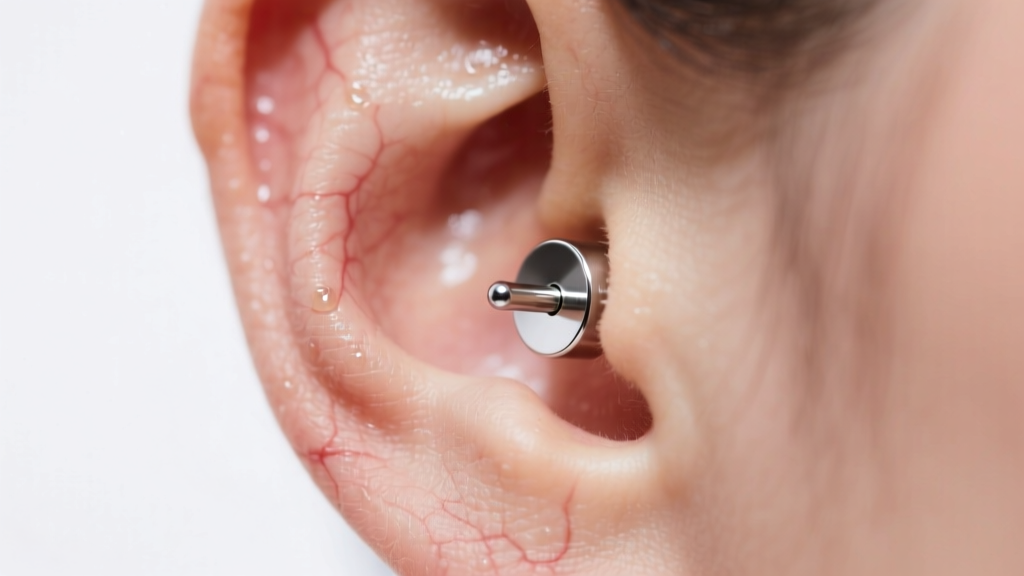
The Intersection of Body Modification and Personal Finance
When investing in a new piercing, most people focus entirely on the upfront cost: the studio fee and the price of the initial jewelry. However, the true financial footprint of a piercing is dictated by its biological healing process. Understanding exactly how long to keep earrings in after piercing is not just a matter of medical compliance; it is a critical budget and value assessment. Changing jewelry prematurely, buying substandard metals to save a few dollars, or skipping professional downsizing can transform a $60 investment into a $500 liability involving urgent care visits, prescription antibiotics, and corrective procedures. In this guide, we evaluate the healing timelines of various ear piercings through a strictly financial and value-driven lens, ensuring your body modification journey protects both your anatomy and your wallet.
The Clinical Timeline vs. The Financial Timeline
The human body repairs puncture wounds in distinct phases: hemostasis, inflammation, proliferation, and remodeling. The Association of Professional Piercers (APP) emphasizes that a piercing is an internal wound that requires months, sometimes over a year, to fully establish a stable fistula (the tube of healed skin lining the piercing channel). From a value perspective, the longer the healing time, the higher the maintenance cost and the greater the financial risk of complications.
| Piercing Type | Average Healing Time | Starter Jewelry Cost (Titanium) | Routine Maintenance Cost |
|---|---|---|---|
| Standard Earlobe | 6 to 8 weeks | $30 - $50 | $10 (Sterile Saline) |
| Helix / Cartilage | 6 to 12 months | $40 - $75 | $25 (Saline + Aftercare) |
| Tragus / Conch | 8 to 12 months | $45 - $85 | $30 (Saline + Piercer Checkup) |
| Industrial (Scaffold) | 9 to 12+ months | $80 - $120 | $50 (Specialized Cleaning) |
As the data illustrates, cartilage piercings demand a significantly longer commitment. If you are budgeting for a helix piercing, you must account for nearly a year of aftercare and the potential need for jewelry swaps, rather than just the initial studio visit.
The Hidden Costs of Premature Jewelry Changes
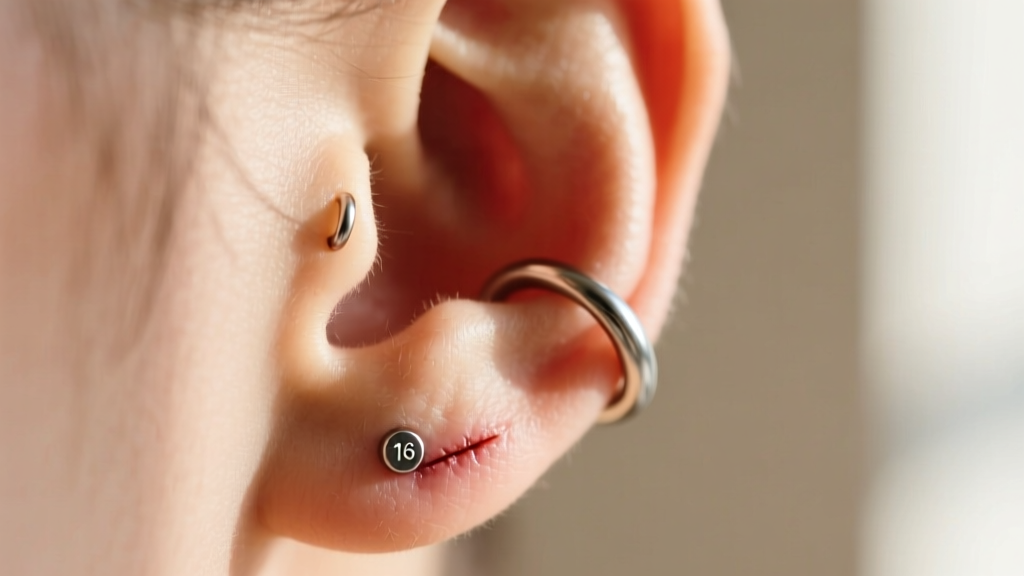
The most common budgeting mistake in body modification is underestimating the cost of complications. Many individuals ask how long to keep earrings in after piercing, hoping to swap to cheaper or more decorative options after just three weeks. This is a catastrophic financial error. Removing starter jewelry before the fistula has matured causes the micro-tears in the healing tissue to collapse or become irritated, introducing environmental bacteria directly into the bloodstream.
Quantifying the Financial Fallout of Infections
According to dermatological data from the Cleveland Clinic, infected cartilage piercings can rapidly escalate into perichondritis—a severe infection of the cartilage tissue that may require oral antibiotics, topical treatments, or even surgical drainage. Let us break down the real-world costs of changing your earrings too early:
- Urgent Care Copay: $50 to $150 (depending on insurance)
- Prescription Antibiotics (e.g., Ciprofloxacin): $20 to $60 out-of-pocket
- Loss of Initial Investment: If the body rejects the piercing due to trauma, you lose the $60-$100 spent on the service and jewelry.
- Scar Tissue Removal: If a keloid or hypertrophic scar forms, dermatological excision or steroid injections can cost $200 to $800+ out-of-pocket, as they are often classified as cosmetic procedures.
When viewed through this lens, leaving a high-quality titanium stud in your ear for the full 6-to-12-month healing period is the most cost-effective decision you can make.
Material Value: Why ASTM F-136 Titanium is a Non-Negotiable Investment
When deciding what jewelry to keep in your piercing during the healing phase, material grade dictates long-term value. Many budget-conscious consumers opt for "surgical steel" or mystery metals from mall kiosks because the upfront price is lower (often $10 to $20). However, surgical steel contains nickel, a known allergen. When nickel leaches into a healing wound, it causes contact dermatitis, swelling, and the formation of hypertrophic bumps (irritation bumps).
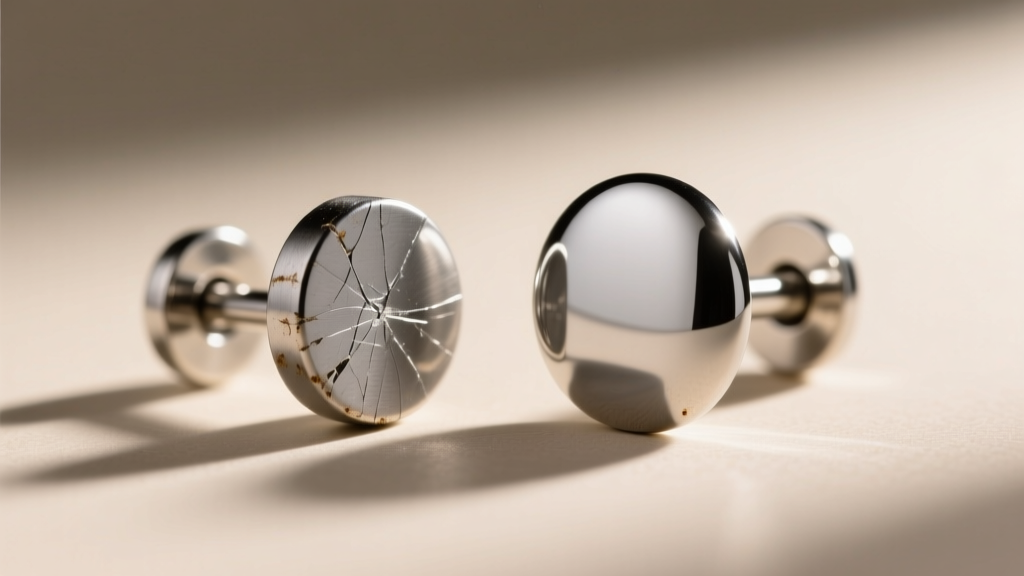
The APP Jewelry Guide strictly recommends Implant-Grade Titanium (ASTM F-136) or Niobium for initial piercings. Titanium is completely nickel-free, highly polished to a mirror finish (preventing bacteria from hiding in microscopic scratches), and biocompatible. While an ASTM F-136 titanium flat-back labret might cost $45 compared to a $15 surgical steel alternative, the titanium piece eliminates the risk of allergic rejection. In the economics of body jewelry, paying a $30 premium for titanium acts as an insurance policy against the hundreds of dollars required to treat an allergic reaction and re-pierce the site.
The Economics of Professional Downsizing
Another critical factor in determining how long to keep earrings in after piercing involves the physical dimensions of the jewelry. When a professional pierces your cartilage, they use a post that is deliberately longer than necessary (usually 8mm to 10mm) to accommodate the inevitable swelling that occurs during the inflammatory phase. Once the swelling subsides—typically around the 4-to-8-week mark—the long post becomes a financial and anatomical liability.
Why You Must Budget for Downsizing
A long post protruding from the ear is prone to snagging on hairbrushes, towels, and clothing. This constant micro-trauma disrupts the healing fistula, leading to irritation bumps and migration (where the body slowly pushes the jewelry out). To prevent this, you must return to your piercer for a "downsize," where the long post is swapped for a shorter, snug-fitting post (usually 5mm or 6mm).
"Skipping a downsizing appointment to save $30 is the leading cause of cartilage piercing failure I see in my studio. The mechanical stress of a long post will destroy a healing fistula, costing the client the entire piercing." — Senior APP-Certified Piercer
The Downsizing Budget: Expect to pay $20 to $40 for the piercer's service fee, plus the cost of the new, shorter titanium post ($35 to $60). Factor this $55 to $100 expense into your initial piercing budget so you are not caught off guard a month after your appointment.
A Budget-Conscious Framework for Piercing Aftercare
To maximize the return on your body modification investment, follow this strict financial and biological framework:
- Allocate 70% of your budget to the initial setup: Spend heavily on a reputable, APP-certified piercer and high-quality ASTM F-136 titanium or solid 14k gold jewelry. Do not compromise here.
- Reserve 15% for professional downsizing: Set aside funds for the mandatory post-swap at the 6-week mark for cartilage, or the 3-week mark for lobes if swelling was severe.
- Reserve 15% for sterile aftercare: Purchase only sterile, isotonic saline wound wash (0.9% sodium chloride with no additives). Avoid homemade sea salt soaks, which can dry out the tissue and delay healing, extending your vulnerability window.
- Establish a strict timeline: Write down the exact date of your piercing. For lobes, do not change the jewelry for a minimum of 8 weeks. For cartilage, do not change the jewelry for a minimum of 6 to 9 months. Let the biological clock, not your aesthetic impatience, dictate your actions.
Final Thoughts on Piercing ROI
Ultimately, understanding how long to keep earrings in after piercing is about respecting the biological reality of tissue regeneration. By viewing your piercing as a long-term investment rather than a quick cosmetic fix, you can avoid the hidden costs of infections, allergic reactions, and migration. Invest in implant-grade metals, budget for professional downsizing, and leave your starter earrings in for the full duration of the healing timeline. Your body—and your bank account—will thank you for the patience.


