How Much Are Earrings? 2026 Style & Pricing Breakdown
Discover how much earrings cost in 2026. We break down pricing by style, material grade, and piercing type to help you build a smart ear stack.

The Real Cost of Ear Styling: Beyond the Price Tag
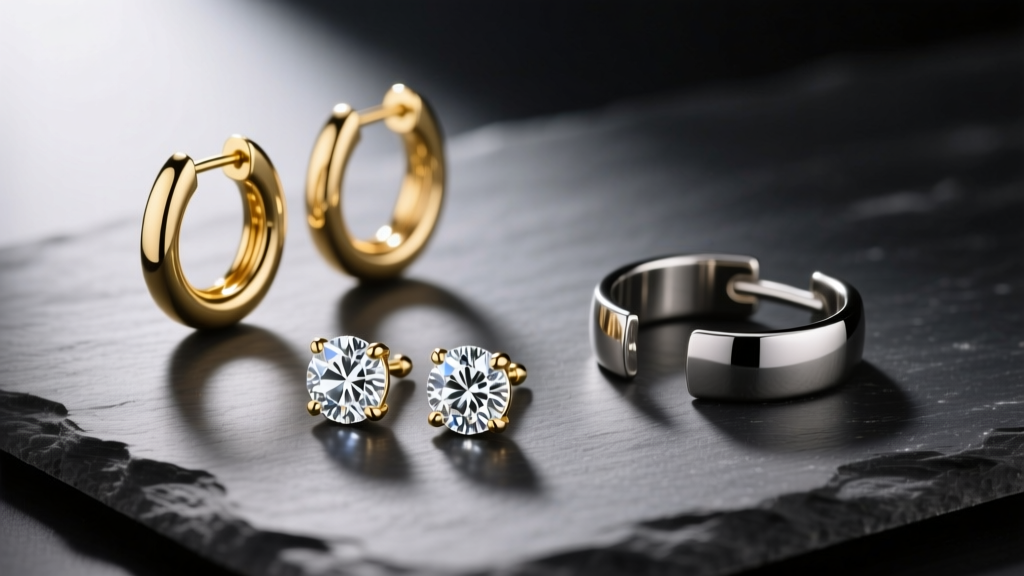
When consumers ask how much are earrings, the answer spans a massive spectrum—from $12 for fast-fashion brass alloys to $15,000 for high-jewelry natural diamond drops. However, as we navigate the 2026 jewelry market, the smart money has shifted. Inflation, fluctuating precious metal markets, and the mainstreaming of lab-grown gems have completely rewritten the pricing rules for ear styling. Today, building a curated ear stack is less about buying the most expensive pieces and more about understanding material longevity, anatomical placement, and cost-per-wear.
In this comprehensive style and trend analysis, we break down the exact pricing tiers for studs, hoops, huggies, and cartilage jewelry. We will also explore the hidden costs of cheap metals and why investing in specific material grades ultimately saves you money.
How Much Are Earrings? A Breakdown by Style & Tier
To understand market pricing, we must categorize earrings into three distinct tiers: Fashion (costume/base metals), Demi-Fine (gold vermeil, sterling silver, PVD stainless steel), and Fine (solid 14k/18k gold, platinum, natural/lab diamonds). Below is the 2026 pricing matrix for standard ear styling.
| Earring Style | Fashion Tier | Demi-Fine Tier | Fine Jewelry Tier |
|---|---|---|---|
| Standard Studs (Lobe) | $15 – $45 | $50 – $140 | $250 – $2,500+ |
| Huggies & Small Hoops | $20 – $60 | $75 – $190 | $350 – $1,800 |
| Threadless Cartilage Studs | N/A (Unsafe) | $35 – $95 | $120 – $650 |
| Ear Cuffs (Non-Pierced) | $12 – $35 | $45 – $110 | $200 – $900 |
| Statement Drop/Dangle | $30 – $80 | $90 – $250 | $500 – $4,000+ |
Note: Pricing assumes standard gemstone sizes (e.g., 3mm-5mm for studs) and standard gold weights (2-4 grams for huggies). Heavyweight or pavé designs will push prices to the higher end of these brackets.
Material Science: What You Are Actually Paying For
The price of an earring is heavily dictated by its core metal and plating thickness. In 2026, savvy buyers are looking past the "gold" label and examining the micron count and base alloys.
Gold Vermeil vs. Flash Plating vs. PVD
According to guidelines enforced by the FTC and recognized by Jewelers of America, true gold vermeil must feature a sterling silver base with a gold plating of at least 2.5 microns thick. Demi-fine brands charging $85 for vermeil hoops are pricing you for longevity; these pieces can last years with proper care. Conversely, "flash plated" earrings (often under $40) have a microscopic gold layer over brass or copper that will oxidize and turn your skin green within weeks.
PVD (Physical Vapor Deposition) coating on 316L surgical stainless steel has emerged as a massive trend. PVD gold is highly scratch-resistant and waterproof, often outlasting traditional vermeil. Brands utilizing PVD typically price their huggies and studs between $40 and $80, offering an incredible cost-per-wear ratio for active lifestyles.
Cartilage vs. Lobe: Does Piercing Placement Affect Price?
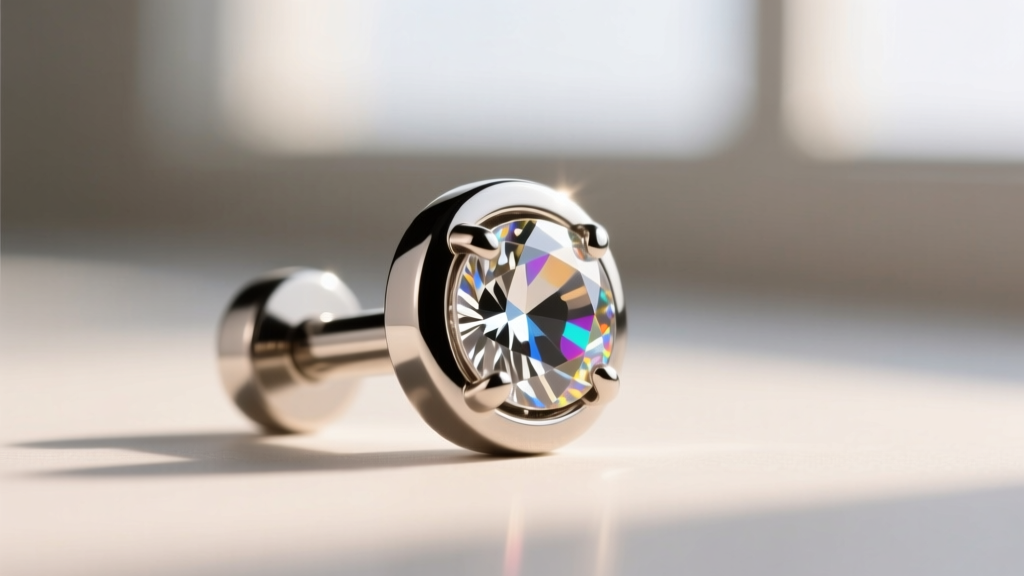
Yes, and it comes down to anatomy, gauge sizing, and manufacturing complexity. Standard lobe earrings are typically 20-gauge or 18-gauge and utilize simple friction posts or butterfly backs. Cartilage jewelry (helix, tragus, rook, conch) requires specialized engineering.
The Premium on Implant-Grade Titanium
For fresh or sensitive cartilage piercings, the Association of Professional Piercers (APP) strictly recommends ASTM F-136 implant-grade titanium. This material is completely nickel-free and biocompatible. Because machining titanium requires specialized tools and higher heat tolerances than soft 14k gold, titanium threadless studs often carry a $10 to $25 premium over basic steel alternatives. However, this prevents the "hidden cost" of treating contact dermatitis or nickel allergies.
Threading and Post Engineering
Cheap cartilage earrings often feature external threading (screw threads on the post itself), which tears the delicate fistula tissue upon insertion. High-quality cartilage jewelry utilizes internal threading or threadless (push-pin) tension systems. The precision CNC machining required for threadless titanium posts justifies their $35–$60 price point, ensuring a secure fit that won't fall out in your sleep.
2026 Trend Analysis: Where Smart Buyers Are Spending
The earring market is currently defined by two major shifts: the democratization of diamond sizes and the rise of modular jewelry.
The Lab-Grown Diamond Disruption
If you are wondering how much are earrings with real diamonds, the landscape has changed dramatically. The Gemological Institute of America (GIA) notes that lab-grown diamonds possess the exact chemical and optical properties as mined stones but cost significantly less. In 2026, a pair of 0.50 carat total weight (ctw) natural diamond studs will cost upwards of $1,200. The exact same specs in lab-grown diamonds (VS clarity, F-G color) can be found in the $300 to $450 range. This has allowed consumers to upgrade from 3mm stones to 5mm stones without breaking their budget.
Modular and Convertible Earrings
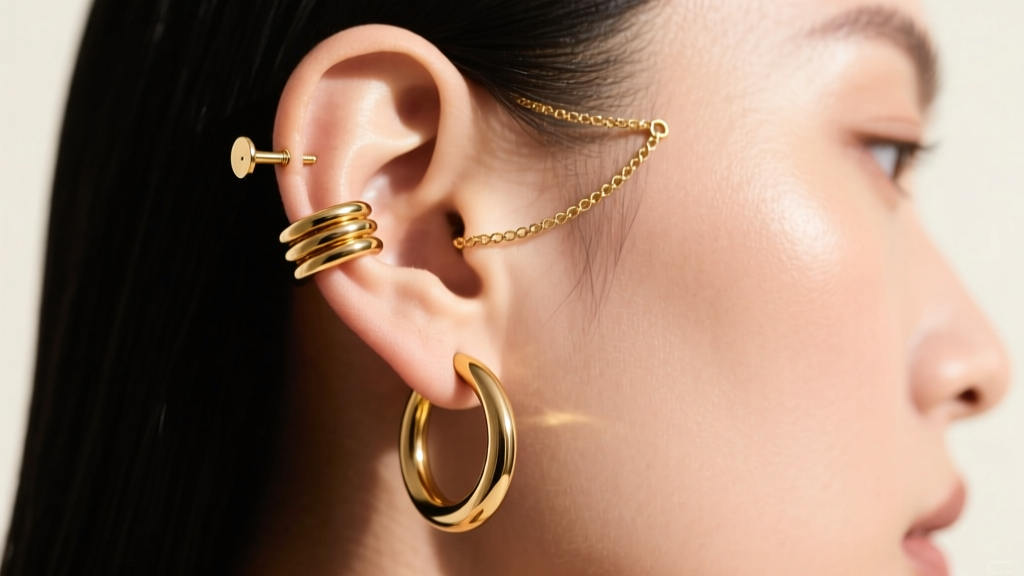
To combat high precious metal costs, designers are leaning into modularity. A single pair of 14k gold threadless posts (base) can be paired with interchangeable charm tops—such as a pearl cluster for daytime or a sapphire bezel for evening. You pay the premium for the solid gold post once ($60), and then buy interchangeable tops ($25-$40 each), drastically reducing the cost of building a diverse ear stack.
Hidden Costs: Maintenance, Sizing, and Allergies
When calculating the true cost of earrings, factor in the aftermath of the purchase:
- Allergy Management: Buying $20 nickel-alloy drops often results in itchy, swollen lobes, forcing you to buy hydrocortisone and eventually replace them. Buying 14k solid gold or titanium upfront is a medical and financial preventative measure.
- Lost Earring Backs: Standard friction backs wear out and fall off. Upgrading to silicone O-rings or locking "La Poussiere" screw-backs costs about $15 but saves you from losing a $400 diamond stud.
- Chain Ear Cuffs & Connectors: Ear chains connecting a lobe stud to a helix cuff are trending, but they require precise anatomical measurement. Custom-sizing a chain to fit your specific ear span may incur a $20-$30 jeweler alteration fee.
Final Verdict: Building a Cost-Effective Ear Stack
So, how much are earrings going to cost you for a complete, stylish look in 2026? For a beautifully curated, three-piercing ear stack, expect to spend between $250 and $450 if you mix high-quality demi-fine pieces (like PVD gold huggies and vermeil drops) with one or two fine jewelry anchor pieces (like solid 14k gold or lab-grown diamond lobe studs).
By prioritizing implant-grade metals for cartilage, leveraging lab-grown gems for maximum sparkle, and avoiding fast-fashion base metals, you ensure your ear styling is not only visually stunning but structurally sound for years to come.


