How Often Should You Clean Your Earrings? A Buyer's Guide
Discover how often you should clean your earrings based on metal type, gauge, and backing. A buyer's guide to low-maintenance, hygienic jewelry.

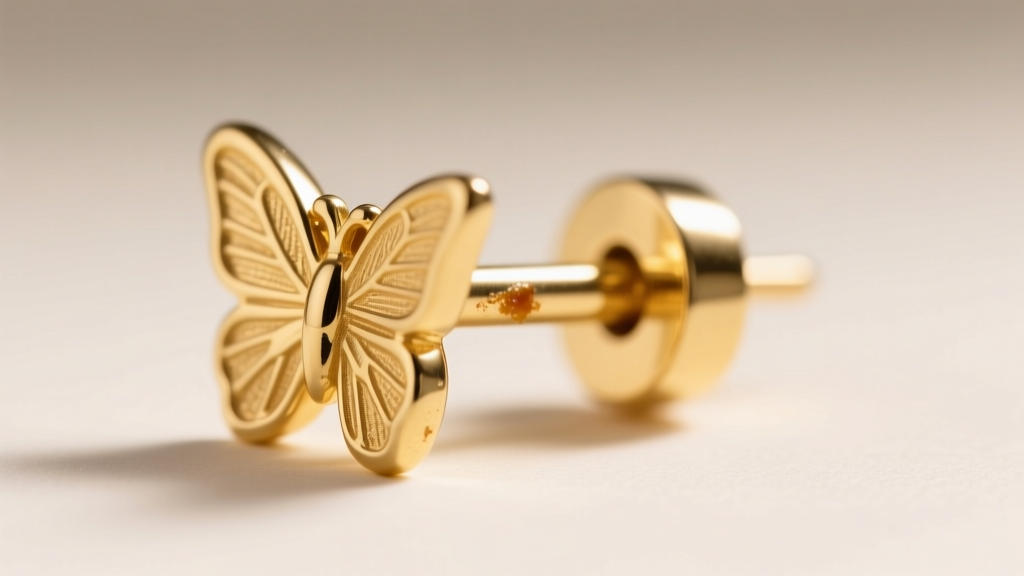
When browsing for new jewelry, most buyers focus on carat weight, gemstone cut, or metal color. However, one of the most critical yet overlooked factors in a purchasing decision is long-term maintenance. If you have ever found yourself asking, "how often should you clean your earrings?" the answer is not a simple timeline. The required cleaning frequency is entirely dictated by the materials, gauge thickness, and backing mechanisms you choose at the point of purchase.
As a buyer, understanding the hygienic lifecycle of an earring saves you from premature tarnishing, contact dermatitis, and localized earlobe infections. This guide breaks down the exact maintenance requirements of different earring specifications so you can buy pieces that match your lifestyle and cleaning tolerance.
The Hidden Cost of Earring Maintenance
Every time you wear earrings, the posts interact with your skin's natural sebum, dead skin cells, sweat, and environmental pollutants. Over time, this organic matter oxidizes and creates a breeding ground for bacteria. According to the Mayo Clinic, accumulated debris on jewelry posts is a primary trigger for allergic contact dermatitis, even in metals that are otherwise considered hypoallergenic. Therefore, the question of how often you should clean your earrings is fundamentally a question of dermatological health and material science.
How Often Should You Clean Your Earrings? The Material Matrix
To determine how often you should clean your earrings, you must first evaluate the metallurgical properties of the pieces in your collection. Porous metals and reactive alloys require rigorous, frequent cleaning, whereas inert metals allow for extended wear between deep cleans.
| Metal Type | Porosity & Reactivity | Recommended Cleaning Frequency | Best Cleaning Agent |
|---|---|---|---|
| Implant-Grade Titanium (ASTM F136) | Non-porous, highly inert | Weekly wipe; monthly deep clean | 70% Isopropyl Alcohol |
| 14k / 18k Solid Gold | Low porosity, moderate reactivity | Bi-weekly wash | Mild dish soap & warm water |
| Sterling Silver (925) | Highly reactive to sulfur/moisture | Before and after every wear | Silver polishing cloth |
| Surgical Stainless Steel | Contains nickel, moderate porosity | Weekly deep clean | Antibacterial soap |
| Brass / Copper Alloys | Highly porous, oxidizes rapidly | After every single wear | Lemon juice & salt paste |
For buyers seeking a "put-in-and-forget" lifestyle, the Association of Professional Piercers (APP) strongly recommends ASTM F136 implant-grade titanium. It does not tarnish, rust, or react with bodily fluids, drastically reducing your maintenance burden.
Daily Wear vs. Occasional Wear Protocols
If you wear the same studs 24/7, you must adopt a weekly maintenance routine. Leaving earrings in for months at a time allows sebum to calcify around the post, creating a hard, foul-smelling crust that can stretch the piercing fistula. For occasional wear pieces—like heavy chandelier earrings or sterling silver hoops—you must clean them immediately after removal to strip away skin oils before they trigger oxidation and tarnishing.
What to Look For When Buying Low-Maintenance Earrings
When shopping, look beyond the decorative front of the earring. The structural anatomy of the post and backing dictates how much debris the earring will trap.
The Gauge Factor: Why Thicker Posts Trap Less Debris
Earring thickness is measured in gauges (g). The standard lobe piercing is usually 20g (0.81mm) or 18g (1.02mm). However, ultra-thin 22g (0.64mm) posts are notorious for creating a "cheese grater" effect. Because the metal surface area is so small, the pressure per square inch on the earlobe increases, causing the thin post to slice through accumulating dead skin cells and trap them in micro-crevices.
Buyer Tip: Opt for 18g or 16g (1.29mm) posts. Thicker posts provide a smoother, broader surface that is easily wiped clean with an alcohol pad, preventing the buildup of localized debris.
Earring Backings and Their Cleaning Vulnerabilities
The backing mechanism is the most common failure point for earring hygiene. When evaluating how often you should clean your earrings, factor in the design of the clasp.
- Butterfly (Friction) Backs: These feature tight metal scrolls that grip the post. They are notorious traps for sebum and hair products. If you buy friction backs, you must remove and clean them weekly, as the gunk trapped inside the scroll is nearly impossible to flush out without an ultrasonic cleaner.
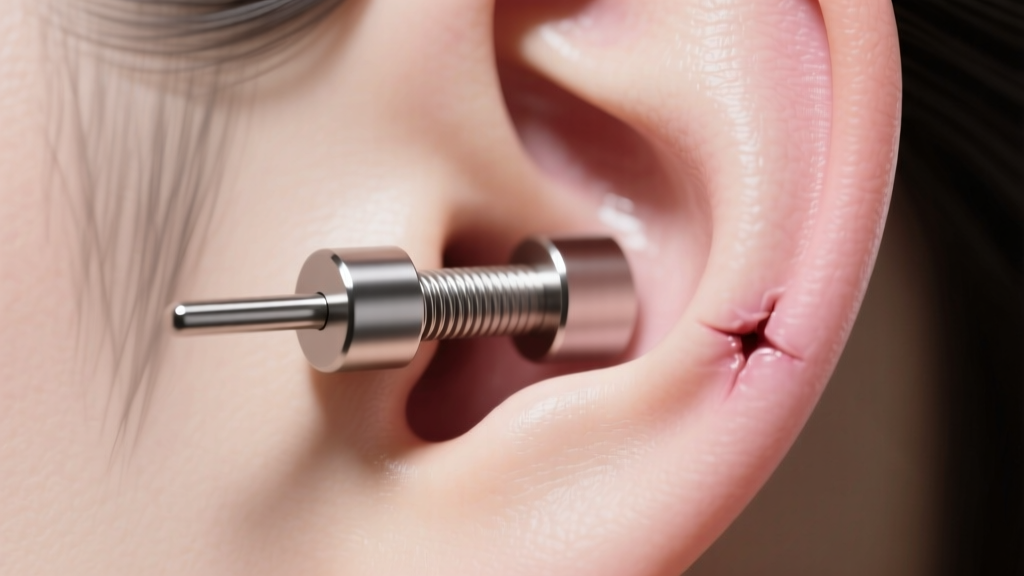
- Screw Backs: These feature precision threading that requires you to twist the backing on. While more secure, external threads on the post can harbor bacteria in the grooves.
- Flat-Back Labrets (Internally Threaded): The gold standard for hygiene. The post is completely smooth, and the threading is hidden inside the backing. Debris has nowhere to hide, making a simple monthly wipe-down sufficient.
Expert Insight: Never buy externally threaded earrings for fresh or sensitive piercings. The threads act like a file, tearing the delicate fistula tissue and introducing trapped bacteria directly into the wound bed.
Expert Cleaning Solutions by Metal and Gemstone Type
Using the wrong cleaning agent can permanently ruin your jewelry, turning a simple maintenance routine into a costly repair. Always match your cleaning solution to the material.
Metals vs. Gemstones: The Ultrasonic Warning
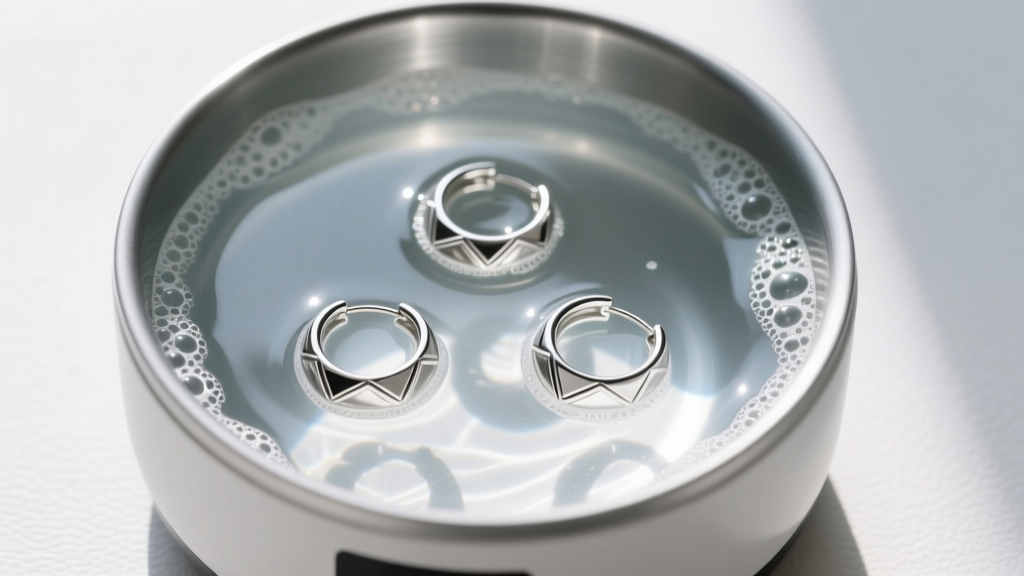
Ultrasonic cleaners use high-frequency sound waves to create microscopic cavitation bubbles that blast debris off metal surfaces. They are incredible for cleaning the intricate settings of diamond and sapphire earrings. However, the Gemological Institute of America (GIA) explicitly warns against using ultrasonic cleaners on porous or fracture-filled gemstones.
Never put the following in an ultrasonic cleaner:
- Opals: The vibrations can cause the silica spheres to fracture, destroying the play-of-color.
- Emeralds: Most emeralds are treated with cedar oil to mask fissures. Ultrasonic waves will strip this oil, leaving the stone looking cloudy and heavily included.
- Pearls: The vibrations will degrade the nacre and dissolve the silk or adhesive used in the setting.
For these delicate materials, stick to a damp, lint-free microfiber cloth and a drop of pH-neutral baby shampoo. Gently wipe the gemstone and the metal setting, then dry immediately to prevent water spots on the metal.
Final Verdict: Matching Your Lifestyle to Your Metals
Ultimately, answering the question of how often you should clean your earrings comes down to aligning your purchases with your daily habits. If you are a low-maintenance buyer who wants to sleep, shower, and swim without removing your jewelry, invest exclusively in 18g or 16g implant-grade titanium flat-backs or solid 14k gold seamless hoops. If you prefer the affordable, high-fashion appeal of sterling silver or brass, you must commit to a rigorous routine of cleaning and drying them immediately after every wear to prevent irreversible oxidation. By buying smart, you ensure your earrings remain as hygienic and brilliant as the day you purchased them.


