How to Buy and Style Drop Earrings Diamond Designs by Face Shape
Learn how to choose, style, and maintain diamond drop earrings. This step-by-step guide covers face shapes, 4Cs, and secure backings.

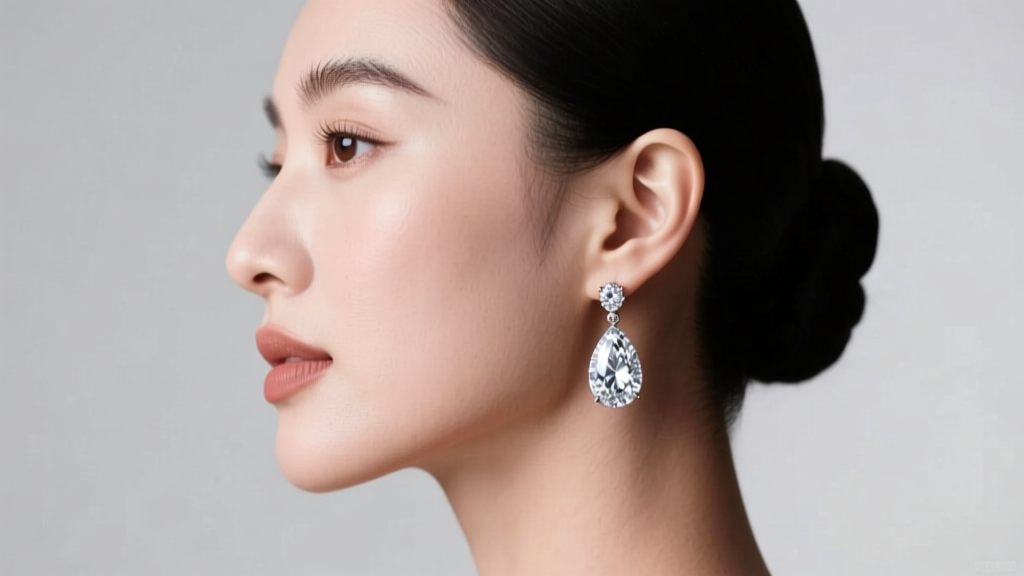
When it comes to elevating your jewelry collection, few pieces command attention quite like a perfectly crafted pair of drop earrings. Unlike dangle earrings, which swing freely from a single point of connection, drop earrings feature a stationary design that hangs just below the earlobe. When you incorporate the brilliance of diamonds into this silhouette, the result is a sophisticated, light-catching masterpiece. However, selecting the right pair requires more than just picking a pretty stone. This comprehensive, step-by-step guide will walk you through exactly how to buy, style, and maintain drop earrings diamond pieces tailored to your unique anatomy and lifestyle.
Step 1: Map Your Face Shape to the Ideal Drop Length
The most critical mistake buyers make is ignoring facial proportions. Because diamond drops sit stationary against the jawline and neck, their length and geometric shape can either balance or exaggerate your natural features. To find your ideal match, measure the distance from your earlobe piercing to the bottom of your earlobe, then use the framework below to determine the optimal drop length.
| Face Shape | Ideal Drop Length | Recommended Diamond Shape | Styling Goal |
|---|---|---|---|
| Round | 35mm - 50mm | Marquise or Pear | Elongate the face and create vertical lines. |
| Oval | 20mm - 35mm | Round Brilliant or Oval | Maintain natural balance without over-lengthening. |
| Square | 30mm - 45mm | Briolette or Teardrop | Soften strong jawlines with curved, fluid shapes. |
| Heart | 25mm - 40mm | Emerald Cut or Cushion | Add visual weight to the lower half of the face. |
For everyday wear, keep the total length under 40mm to prevent the diamonds from catching on high collars or scarves. For black-tie events, drops exceeding 50mm offer dramatic, red-carpet-worthy elegance.
Step 2: Select the Metal and Setting Architecture
The structural integrity of your earrings relies heavily on the setting. Because diamonds are heavy, the metal must support the carat weight without warping over time. According to the American Gem Society, the setting not only secures the stone but also dictates how light enters the pavilion.
Martini vs. Basket Settings
- Martini Settings: Characterized by three prongs that form a V-shape, martini settings allow maximum light exposure. They are ideal for lighter drops (under 1.00 carat total weight) but can cause the earring to droop forward if the diamond is too heavy.
- Basket Settings: Featuring four or more prongs with a horizontal metal band near the base, baskets provide superior structural support. For drop earrings diamond designs exceeding 1.50 carats, a 14k or 18k gold basket setting is mandatory to prevent the stones from tilting downward.
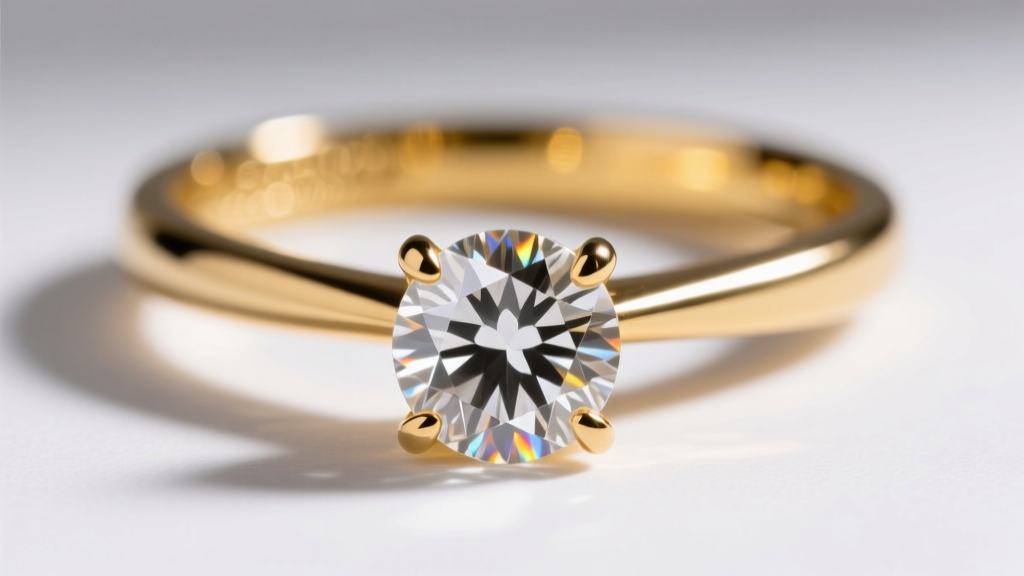
When choosing your metal, 950 Platinum is the gold standard for heavy diamond drops due to its density and durability. If you prefer the warmth of yellow gold, opt for 14k over 18k, as the higher alloy content provides better resistance to bending.
Step 3: Evaluate the 4Cs Specifically for Drop Silhouettes
Not all diamond grading reports are created equal, and the priorities shift when evaluating stones meant for drop earrings. Because drops hang away from the face and catch ambient light from multiple angles, inclusions and color tints are more visible than they would be in stud earrings.
Expert Insight: Always prioritize Cut and Color over Clarity for drop earrings. A poorly cut diamond will look lifeless when viewed from a distance, whereas minor SI1 inclusions are virtually invisible to the naked eye when the stone is in constant motion.
Follow these baseline specifications when reviewing certificates from the Gemological Institute of America (GIA):
- Cut: Excellent or Very Good only. The light return is the primary source of the 'sparkle' that draws the eye to a drop earring.
- Color: G to H range. Anything lower (I, J, K) may show a faint yellow tint, which is highly noticeable against the skin when the earring rests near the neck.
- Clarity: VS2 to SI1. Ensure the stone is 'eye-clean' from a distance of 6 inches.
- Carat: For a proportional drop, aim for 0.75ct to 1.50ct per ear. Anything larger requires specialized heavy-duty backings.
Step 4: Master the Mechanics (Post Gauges and Backings)
The most overlooked aspect of buying fine jewelry is the hardware. A heavy diamond drop will slowly stretch and tear your earlobe if the post gauge is too thin or the backing is inadequate.
Understanding Post Gauges
Standard earrings use a 20-gauge post (0.81mm thick). However, for diamond drops weighing over 2.00 carats total, you must upgrade to an 18-gauge (1.02mm) or even a 16-gauge (1.29mm) post. This thicker wire distributes the weight across a wider surface area of the piercing, preventing the 'cheese-cutter' effect that permanently elongates earlobe holes.
Choosing the Right Backing
- Friction Backs (Butterfly): Only suitable for lightweight drops under 0.50ct. They easily slip off if snagged.
- Screw Backs: Provide excellent security by threading onto the post. Ideal for medium-weight drops, though they can be tedious to put on.
- La Pousette Backs: The ultimate choice for heavy, high-value diamond drops. These feature a mechanical locking system with twin springs that grip the post securely. They are the industry standard for fine jewelry security and allow the earring to sit flush against the lobe.
Step 5: Implement a Professional Cleaning Routine
Because drop earrings hang freely, they are constantly exposed to airborne oils, hairspray, and skin contact. A dirty diamond can lose up to 50% of its brilliance. To maintain the fiery scintillation of your drops, establish a bi-weekly cleaning protocol.
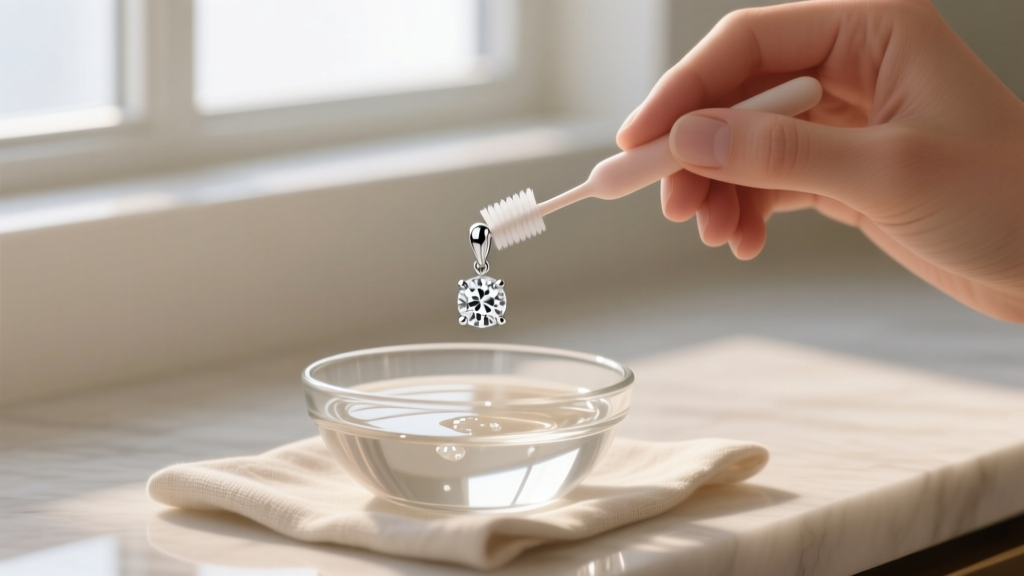
The 4-Step Home Cleaning Method
- Prepare the Solution: Mix a few drops of mild, ammonia-free dish soap into a bowl of warm (not hot) distilled water. Avoid harsh chemicals, which can degrade the rhodium plating on white gold settings.
- Soak: Submerge the earrings for 15 to 20 minutes to loosen sebum and cosmetic buildup trapped beneath the gallery of the setting.
- Agitate Gently: Use a brand-new, ultra-soft baby toothbrush to gently sweep the underside of the diamond (the pavilion). Never scrub the prongs directly, as repeated friction can weaken the metal over time.
- Rinse and Dry: Rinse thoroughly under lukewarm running water, ensuring the drain is securely plugged. Pat dry with a lint-free microfiber cloth. For expert tips on long-term maintenance, refer to the GIA Diamond Care Guide.
By following this meticulous, step-by-step approach, you ensure that your drop earrings diamond pieces remain secure, flattering, and brilliantly radiant for decades to come. Whether you are investing in a classic pear-shaped solitaire or a modern geometric briolette, understanding the intersection of anatomy, metallurgy, and gemology is the key to a flawless purchase.


