How to Buy 1/2 k Diamond Earrings: A Step-by-Step Guide
Learn how to evaluate, buy, and style 1/2 k diamond earrings with our step-by-step guide. Master the 4Cs, settings, and pricing for 0.50 ct studs.

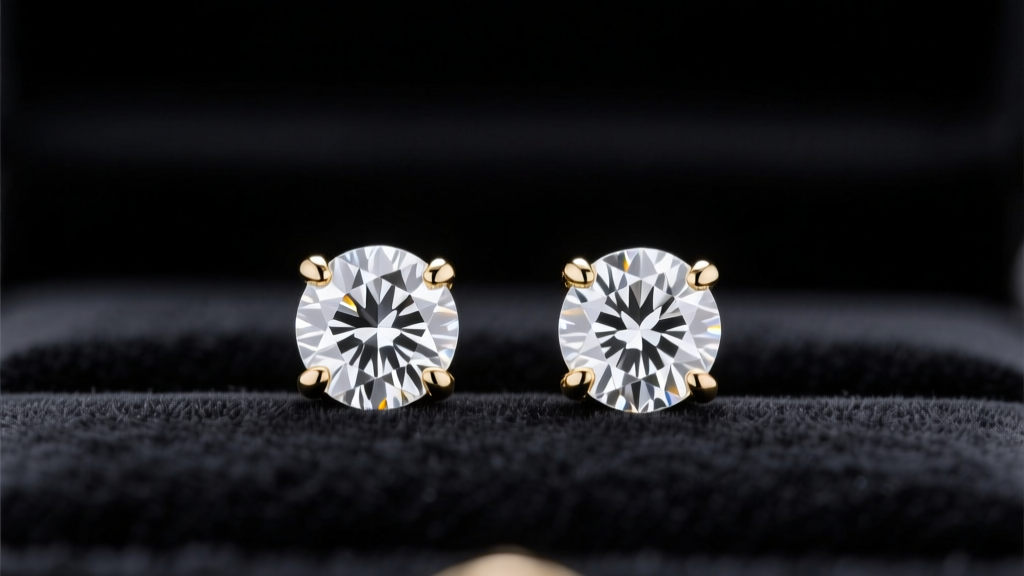
The Appeal of the 1/2 Karat Diamond Stud
When it comes to building a timeless jewelry wardrobe, few pieces offer the versatility and enduring elegance of diamond studs. Specifically, 1/2 k diamond earrings strike the perfect balance between everyday wearability and noticeable luxury. They are large enough to catch the light and draw compliments, yet understated enough to wear to the office, the gym, or a black-tie event. However, navigating the diamond market can be fraught with confusing terminology and hidden pitfalls. This step-by-step guide will teach you exactly how to evaluate, purchase, and care for your half-karat diamond earrings, ensuring you get maximum sparkle for your investment.
Step 1: Decode the '1/2 k' Weight Trap
The most common mistake buyers make when shopping for diamond earrings is misunderstanding carat weight terminology. In the jewelry industry, '1/2 k' or '0.50 ct' usually refers to the Carat Total Weight (CTW) of the entire pair, not the weight of a single earring.
- 0.50 CTW (Total Weight): This means each individual earring weighs 0.25 carats (often written as 1/4 carat). This is the standard entry-level size for classic studs.
- 1.00 CTW (0.50 Carats Each): If you want a true 'half-carat' diamond in each ear, you must look for a 1.00 CTW pair.
The Federal Trade Commission (FTC) mandates strict guidelines on how jewelers disclose diamond weight to prevent deceptive marketing. Always verify whether the listing price and weight refer to the combined pair or the individual stones. A true 0.50-carat per ear pair will cost significantly more than a 0.25-carat per ear pair due to the exponential pricing curve of diamonds.
Step 2: Dial in the 4Cs for Maximum Sparkle
Diamond earrings are viewed differently than engagement rings. Because they are situated on the sides of your face and viewed from a distance of two to three feet, you can strategically compromise on certain 'Cs' to save money without sacrificing visual beauty.
Cut: The Non-Negotiable Factor
Never compromise on the cut grade. The cut determines how effectively the diamond captures and reflects light. For round brilliant studs, insist on a GIA Excellent or AGS Ideal cut grade. A poorly cut 0.50-carat diamond will look dull and lifeless, whereas an exceptionally cut 0.45-carat diamond can actually face up larger and sparkle far more brilliantly.
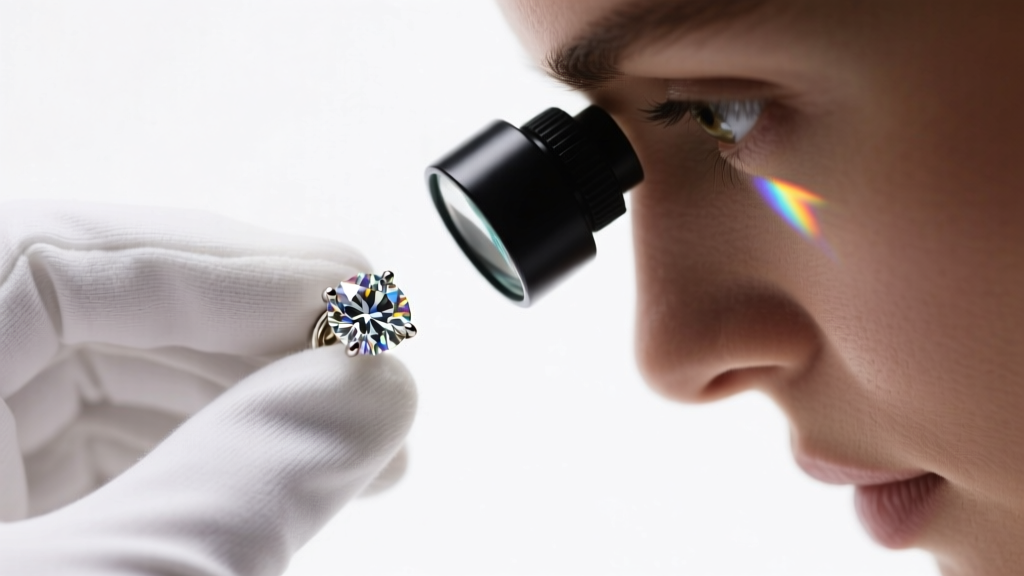
Color: The Distance Advantage
While a D or E color diamond is icy white, it commands a massive premium. Because earrings are viewed from a distance and contrast against the skin rather than a stark white metal band, you can comfortably drop down to G or H color. To the naked eye, a G-color diamond in a white gold setting will appear completely colorless when worn on the earlobe, saving you 15% to 25% on the final price.
Clarity: Eye-Clean is the Goal
Flawless (FL) or Internally Flawless (IF) clarity is entirely unnecessary for earrings. The goal is simply an 'eye-clean' stone. Look for diamonds in the VS2 to SI1 clarity range. Inclusions in these grades are typically microscopic and easily hidden by the prongs of the setting. Avoid I1 or I2 clarity, as carbon spots or cloudy patches will be visible and dull the stone's brilliance.
Step 3: Choose the Right Setting and Metal
The setting dictates both the security of your diamonds and their overall aesthetic profile. Here is a breakdown of the most popular setting styles for 1/2 k diamond earrings:
| Setting Style | Prong Count | Aesthetic Profile | Security & Comfort |
|---|---|---|---|
| Martini | 3-Prong | Modern, allows maximum light entry, makes stone appear larger. | Can droop forward if the post is too thin or the earring is heavy. |
| Basket | 4-Prong | Classic, sits flat against the earlobe, offers a square-ish silhouette. | Highly secure, excellent for active lifestyles and daily wear. |
| Bezel | N/A (Metal Rim) | Sleek, contemporary, adds a halo of metal that enhances perceived size. | The most secure option; completely snag-free on hair and clothing. |
Metal and Backing Selection
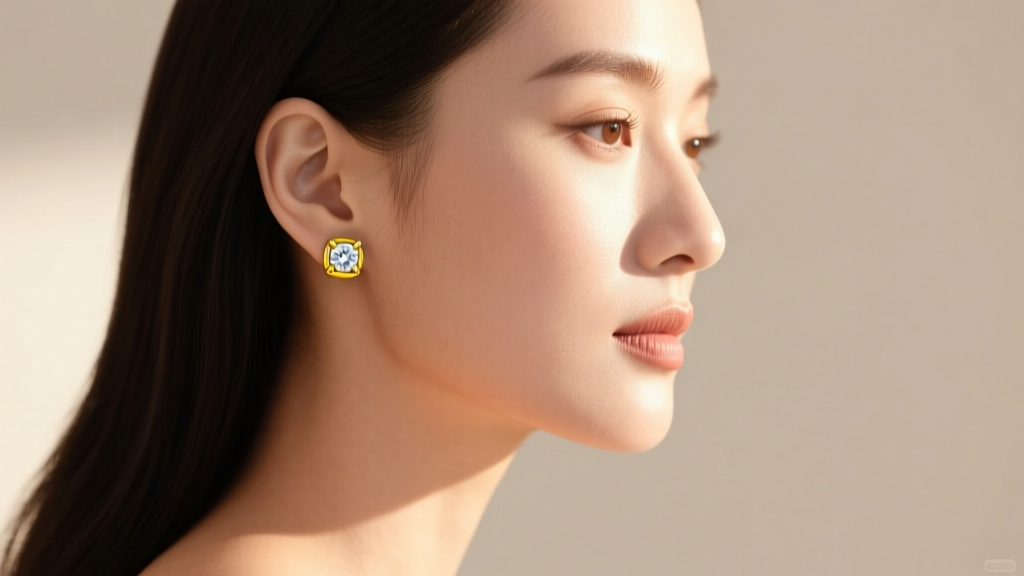
For white metals, 14k or 18k white gold is the industry standard, offering durability and a bright rhodium-plated finish that enhances the diamond's perceived color. Platinum is heavier and more secure but comes at a premium. For a warmer, vintage look, 14k yellow gold is highly sought after in 2026.
Do not overlook the earring backs. Standard friction (butterfly) backs easily slip off and lose tension over time. Upgrade to screw-backs for guaranteed security, or invest in La Poussante locking backs, which feature a mechanical click-lock system that is widely considered the gold standard for high-value studs.
Step 4: Verify Certification and Pricing
Never purchase 1/2 k diamond earrings without an independent grading report. The most respected laboratories are the GIA (Gemological Institute of America) and AGS (American Gem Society). IGI and GCAL are also highly reputable, especially for lab-grown diamonds, which have become a dominant force in the earring market due to their affordability and identical physical properties.
Expert Pricing Benchmark: As of 2026, a natural 0.50 CTW (0.25 per ear) pair with G-H color and VS2-SI1 clarity in 14k white gold typically ranges from $800 to $1,400. If you are seeking 1.00 CTW (0.50 per ear), expect to pay between $2,500 and $4,500. Lab-grown alternatives of the exact same specifications will cost 60% to 80% less, allowing you to size up your diamonds significantly within the same budget.
Step 5: Daily Care and Maintenance Routine
Diamonds are lipophilic, meaning they naturally attract and hold onto oils from your skin, hair products, and lotions. A dirty diamond will look half its actual carat weight and lose its fire. Establishing a simple maintenance routine is critical.
The Weekly Clean
- Fill a small bowl with warm water and a few drops of mild, non-detergent dish soap (like Dawn).
- Drop the earrings in and let them soak for 15 minutes to loosen oils and debris.
- Gently scrub the back of the diamond (the pavilion) and the setting with a soft-bristled baby toothbrush.
- Rinse under warm running water (ensure the drain is closed!) and pat dry with a lint-free microfiber cloth.
What to Avoid
While ultrasonic cleaners are excellent for solid gold and platinum, never use them if your diamonds are fracture-filled or clarity-enhanced, as the high-frequency vibrations can shatter the filling or cloud the stone. Additionally, always put your diamond earrings on after applying makeup, perfume, and hairspray to minimize chemical buildup on the metal and stones.
Final Thoughts on Your Investment
Buying 1/2 k diamond earrings is an exercise in balancing the 4Cs to suit your specific lifestyle and viewing distance. By understanding the CTW terminology, prioritizing an Excellent cut, and selecting a secure setting like a 4-prong basket or bezel, you will secure a pair of studs that offer lifelong brilliance. Whether you choose the traditional route of natural diamonds or the budget-friendly path of lab-grown stones, the key is to demand proper certification and maintain a rigorous cleaning routine to keep your investment shining for decades to come.


