How to Clean Earring Posts, Backs, and Settings Safely
Learn how to clean earring posts, backs, and settings with our step-by-step guide. Discover safe methods for gold, titanium, and gemstone jewelry.

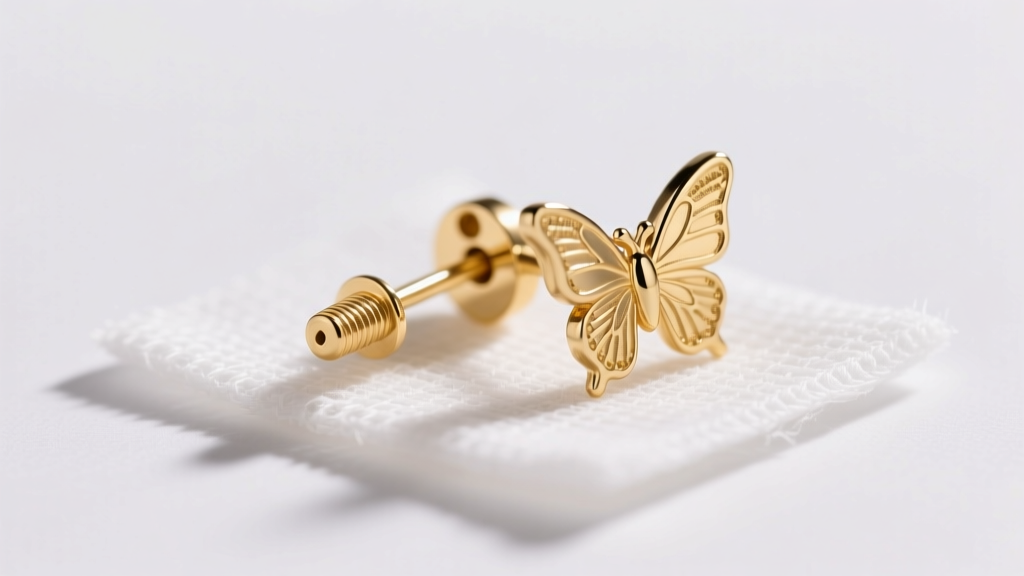
When it comes to jewelry maintenance, most people focus on the visible gemstones and front-facing settings. However, understanding how to clean earring posts, backs, and hidden prongs is critical for both the longevity of your jewelry and the health of your piercings. As of 2026, dermatologists and professional piercers increasingly emphasize that the microscopic crevices of earring components harbor sebum, dead skin cells, and environmental bacteria that can lead to contact dermatitis, localized infections, and accelerated metal degradation.
Standard lobe piercings typically accommodate 20-gauge (0.81mm) or 18-gauge (1.02mm) posts. Because these posts are so thin, any buildup of keratin or cosmetic residue alters their surface friction, making insertion painful and increasing the risk of micro-tears in the fistula (the piercing tunnel). This comprehensive guide breaks down the exact chemistry, tools, and step-by-step methodologies required to safely sanitize and polish every component of your earrings, tailored to specific metal alloys and gemstone porosities.
Why Earring Posts and Backs Harbor Bacteria
The human earlobe contains a high density of sebaceous glands. Throughout the day, these glands secrete sebum, which mixes with shed keratinocytes (dead skin cells), hair products, and environmental dust. When you wear earrings, this mixture is pushed into the tight spaces between the earring post and the earring back.
The traditional "butterfly" or friction back is the primary culprit for hygiene issues. Its scrollwork design relies on tension to grip the post, creating a dark, enclosed pocket where anaerobic bacteria thrive. Over time, this buildup calcifies into a hard, foul-smelling substance colloquially known as "ear cheese." According to guidelines from the Association of Professional Piercers (APP), failing to regularly clean these hidden components can lead to localized folliculitis and allergic reactions, even in individuals who do not typically suffer from metal sensitivities.
The Essential Cleaning Toolkit
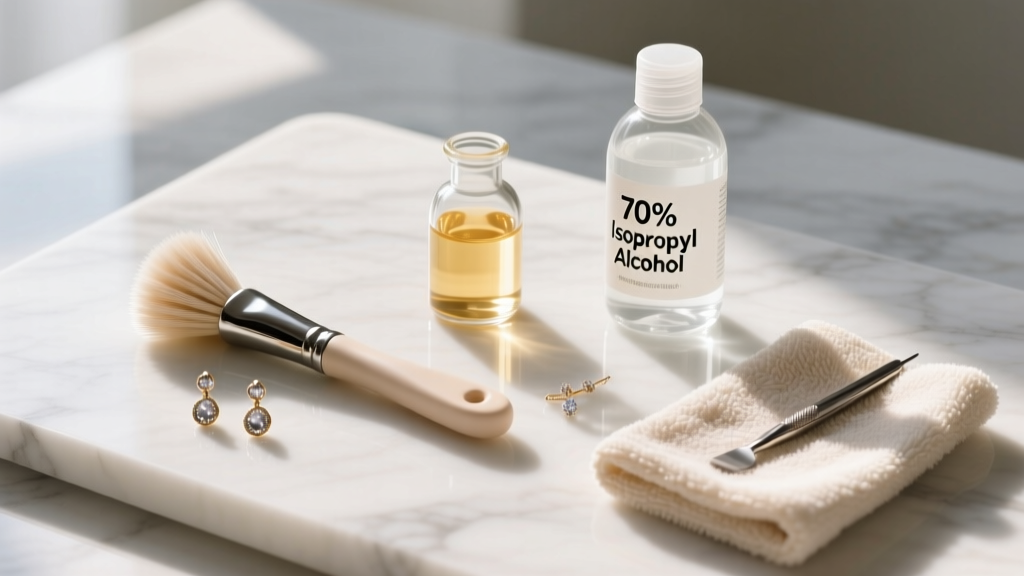
Before you begin, assemble a dedicated jewelry cleaning station. Avoid using harsh household cleaners, as they can strip rhodium plating and damage porous gemstones.
- 70% Isopropyl Alcohol: Do not use 90% or higher concentrations. 70% alcohol contains enough water to penetrate bacterial cell walls and denature proteins effectively, whereas higher concentrations evaporate too quickly to sanitize properly.
- Phosphate-Free Dish Soap: A mild, grease-cutting liquid soap (like original Dawn) is ideal for breaking down sebum without leaving a filmy residue.
- Soft-Bristle Baby Toothbrush: The ultra-fine bristles can reach into the threads of screw-backs and the prongs of gemstone settings without scratching precious metals.
- Interdental Brushes (0.4mm - 0.6mm): Essential for cleaning the inner clutch of butterfly backs and the hollow tubes of seamless hoops.
- Lint-Free Microfiber Cloths: For drying and polishing without leaving behind cotton fibers that can snag on prongs.
Step-by-Step: How to Clean Earring Posts by Material
Different metal alloys react differently to chemical agents. Using the wrong cleaner can cause irreversible stress corrosion cracking or strip protective plating.
Implant-Grade Titanium (ASTM F136) & Surgical Steel
Implant-grade titanium (Ti-6Al-4V ELI) is the gold standard for sensitive ears and fresh piercings due to its biocompatibility and lack of nickel. Titanium is highly resistant to corrosion.
- Submerge the titanium posts and backs in a small glass bowl of warm water and a few drops of mild dish soap.
- Let them soak for 5 to 10 minutes to loosen calcified sebum.
- Gently scrub the post and the inside of the clutch with a soft-bristle brush.
- Rinse thoroughly under warm running water.
- For deep sanitization, you can wipe the titanium post with 70% isopropyl alcohol before insertion.
Solid Gold (14K & 18K)
Solid gold is alloyed with metals like copper, silver, and zinc to increase durability. These alloy metals are highly susceptible to chlorine.
Warning: Never use bleach, chlorine-based cleaners, or pool water to clean gold earrings. Chlorine causes "stress corrosion cracking," which can permanently weaken the prongs and cause the post to snap off inside the ear.
- Mix a solution of lukewarm water and phosphate-free dish soap.
- Soak the gold earrings for 15 minutes.
- Use a baby toothbrush to gently sweep away debris from the base of the post and the setting.
- Rinse with distilled water to prevent hard water spots.
- Dry immediately with a microfiber cloth and buff the post to a high shine.
Sterling Silver (925) & Tarnish Removal
Sterling silver contains 7.5% copper, which reacts with hydrogen sulfide in the air to form silver sulfide (tarnish). If your silver earring posts have turned black, do not scrub them with abrasive pastes, which will wear away the silver layer.
- Line a glass bowl with aluminum foil, shiny side up.
- Place the tarnished silver earrings on the foil.
- Sprinkle a tablespoon of baking soda over the jewelry.
- Pour boiling water into the bowl. The resulting electrochemical reaction will transfer the sulfur from the silver to the aluminum foil.
- After 3 minutes, remove the earrings with wooden tongs, rinse, and dry.
Cleaning Earring Backs: Butterfly, Screw, and La Bak
The earring back requires just as much attention as the post. A dirty back can introduce bacteria directly into the healing or healed fistula.
| Back Type | Material | Cleaning Method | Frequency |
|---|---|---|---|
| Butterfly / Friction | Metal / Silicone | Interdental brush with soapy water; alcohol wipe for metal. | Weekly |
| Screw Back | 14k/18k Gold, Titanium | Soft toothbrush along the threads; avoid cross-threading. | Bi-Weekly |
| La Bak / Silicone O-Rings | Medical-Grade Silicone | Warm soapy water ONLY. Never use alcohol. | Weekly |
| Hinged Clicker | Titanium / Steel | Use a toothpick to clear debris from the hinge groove. | Monthly |
A Note on Silicone: Medical-grade silicone backs (often used for comfort and grip) are porous. Exposing them to isopropyl alcohol or harsh chemicals will dry out the material, causing it to become brittle, crack, and eventually snap, risking the loss of your earring.
What to Avoid: Ultrasonic Cleaners and Harsh Chemicals
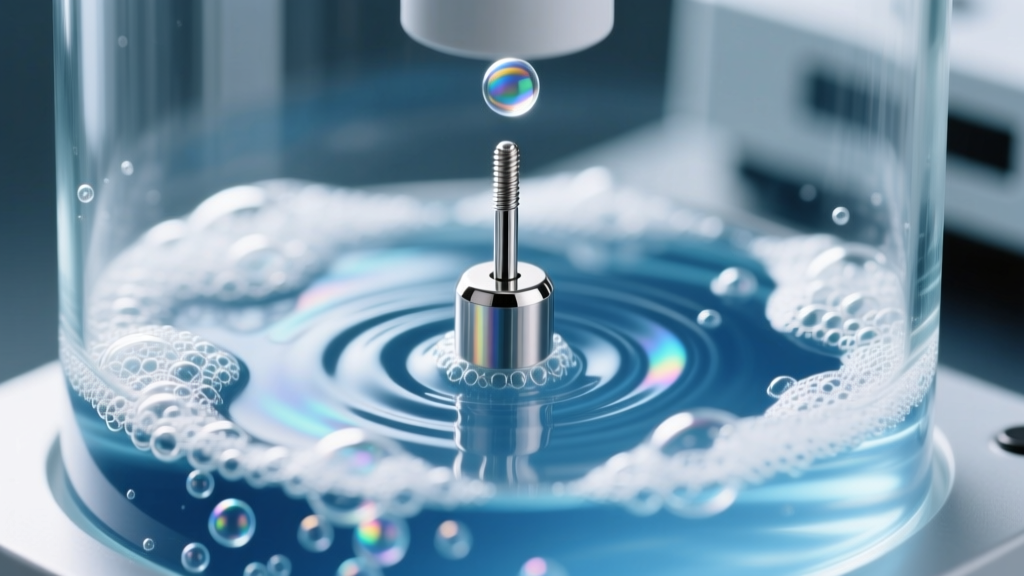
Ultrasonic cleaners use high-frequency sound waves (typically 40-45 kHz) to create microscopic cavitation bubbles in a liquid solution. When these bubbles collapse, they generate intense localized heat and pressure, blasting dirt out of microscopic crevices. While they are miraculous for cleaning bare metal and durable stones like diamonds, they are incredibly dangerous for many common earring materials.
According to the GIA Diamond Care Guide, you must never place the following in an ultrasonic cleaner:
- Fracture-Filled Diamonds: The ultrasonic vibrations can shatter the glass-like resin used to fill internal fractures.
- Emeralds: Most emeralds are treated with cedar oil to mask inclusions. Ultrasonics will boil the oil out, leaving the stone looking cloudy and heavily included.
- Opals and Pearls: These organic and water-bearing gems are highly porous. The vibrations can cause internal structural failure, leading to cracking or "crazing."
- Plated Jewelry: Gold-plated or rhodium-plated sterling silver will quickly peel and flake under ultrasonic stress.
Maintaining Piercing Health Between Cleans
Cleaning the jewelry is only half the battle; maintaining the piercing site is equally important. Before inserting a freshly cleaned earring, always wipe the post with a sterile alcohol prep pad. This provides a final layer of sanitization and acts as a mild lubricant, allowing the post to glide through the fistula without dragging microscopic debris into the earlobe.
If you are rotating your jewelry collection, store your cleaned earrings in an airtight container with anti-tarnish silica gel packets. Keeping oxygen and moisture away from the posts and backs ensures that when you reach for your favorite studs or hoops, they are pristine, hygienic, and ready to wear without the need for a last-minute deep clean.


