The Ultimate Guide to Screw Back Diamond Stud Earrings
Discover why screw back diamond stud earrings offer superior security. Learn about threading types, gauge sizes, and how to protect your investment.

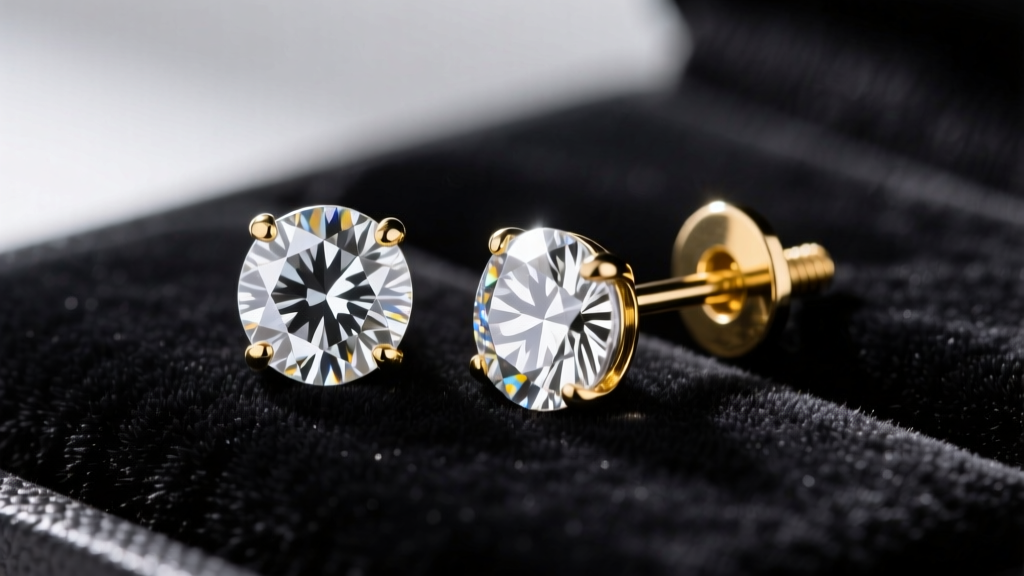
Why Push Backs Fail (And Why You Need an Upgrade)
When you invest in high-quality diamond jewelry, the security of the setting is just as critical as the 4Cs of the stone itself. The vast majority of diamond studs are sold with standard friction backs (commonly known as push backs or butterfly backs). While these are inexpensive and easy to use, they are fundamentally flawed for long-term security. Friction backs rely on the mechanical tension of two small metal loops gripping a notched post. Over three to five years of daily wear, metal fatigue sets in. The loops loosen, the notches on the post wear down, and the backing inevitably slides off—often resulting in the catastrophic loss of a valuable diamond.
This is where screw back diamond stud earrings provide an essential upgrade. By replacing friction with a mechanical threaded lock, you eliminate the risk of metal fatigue and ensure your diamonds remain securely attached to your earlobes through sleep, exercise, and daily activities.
How Screw Back Diamond Stud Earrings Actually Work
Unlike push backs that simply slide onto a smooth or lightly notched post, screw backs feature a post with precision-cut micro-threads. The backing itself is a small, threaded nut that twists onto the post. As of 2026, modern CNC (Computer Numerical Control) machining has made these micro-threads incredibly precise, allowing for a smooth, secure fit even on very thin jewelry posts.
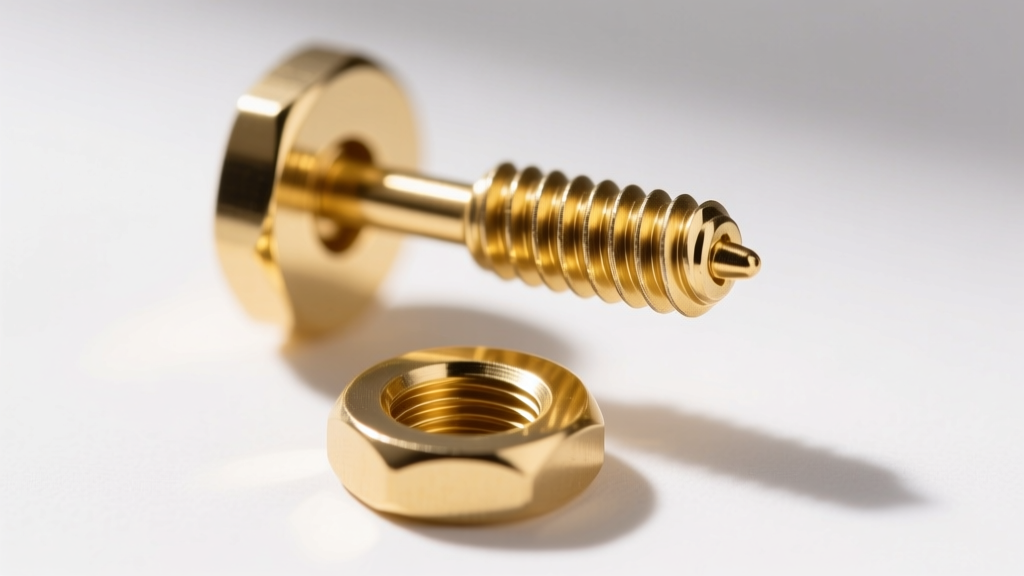
The mechanical advantage here is immense. To remove a screw back, intentional rotational force is required. This means that accidental bumps, pulling on hair, or removing a sweater will not dislodge the backing. The nut physically cannot slide off unless it is deliberately unscrewed.
Thread Types and Metallurgy: What Beginners Must Know
Not all screw backs are created equal. The metallurgy of the post and the type of threading dictate both the longevity of the earring and the health of your piercing.
- External Threading: The threads are cut directly into the earring post. This is the most common type for traditional diamond studs. While effective, the sharp edges of the threads can occasionally irritate unhealed or highly sensitive piercings during insertion.
- Internal Threading: The post is completely smooth, and the threads are located inside the backing nut. The post features a small threaded pin at the very end that screws into the backing. This is the gold standard for body jewelry and high-end sensitive-ear diamond studs, as the smooth post glides through the earlobe without causing micro-tears.
- Metallurgy Matters: 14k and 18k gold are the standard choices. However, 18k gold is slightly softer than 14k. If you frequently cross-thread your earrings, 18k gold threads will strip faster. Platinum is highly durable and excellent for heavy diamond settings, but its dense nature requires specialized jewelry tools to re-cut if the threads become damaged.
Security Comparison Chart
| Backing Type | Security Level | Ease of Use | Best Use Case |
|---|---|---|---|
| Friction (Push) Back | Low to Medium | Very Easy | Lightweight, inexpensive fashion earrings |
| La Pousette (Locking) | High | Moderate | High-value studs for active lifestyles |
| Screw Back | Very High | Moderate | Heirloom diamonds, heavy carat weights, sleeping |
Sizing and Gauge Specifications for Beginners
Understanding gauge sizes is crucial when shopping for or upgrading to screw back diamond stud earrings. The gauge refers to the thickness of the metal post that passes through your ear.
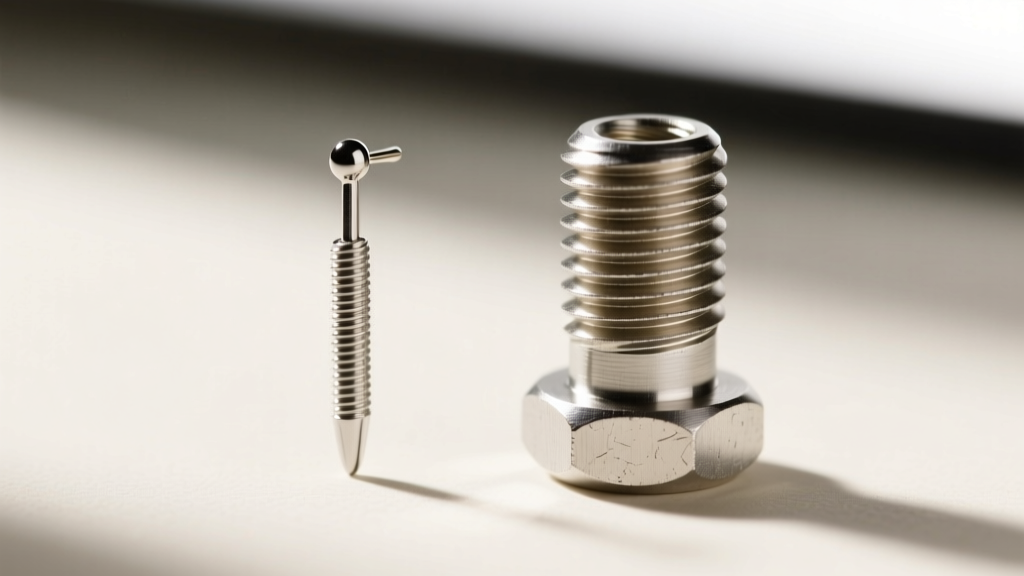
- 20-Gauge (0.81mm): Standard for lightweight diamond studs (typically 0.25 CTW to 0.50 CTW). The post is thin, making the micro-threads very delicate. You must be extremely careful not to cross-thread 20G backs.
- 18-Gauge (1.02mm): The ideal sweet spot for most fine jewelry. If your diamonds are 0.75 CTW or larger, an 18-gauge post provides the structural integrity needed to support the weight of the setting without bending, while offering a wider surface area for more durable threading.
- Post Length: Standard screw back posts range from 10mm to 12mm. Because the threaded nut takes up more space than a flat push back, you need a slightly longer post to accommodate the thickness of your earlobe plus the depth of the nut. If your earlobes are particularly thick, request an extended 14mm post from your jeweler.
Step-by-Step: How to Put On and Remove Screw Backs
The most common point of failure for beginners is cross-threading. This happens when the nut is forced onto the post at an angle, cutting a new, misaligned path through the metal and permanently ruining the threads. Follow this exact method to prevent damage:
- Clean the Post: Wipe the post with a lint-free cloth to remove any oils or debris.
- Align Perfectly Straight: Hold the earring post in one hand and the nut in the other. Ensure they are perfectly parallel.
- The Reverse-Click Trick: Place the nut on the post and turn it counter-clockwise (lefty-loosey) very slowly. You will feel a tiny "drop" or "click" as the threads align perfectly.
- Screw Clockwise: Once you feel the click, reverse direction and turn clockwise (righty-tighty). It should spin smoothly with zero resistance.
- Snug, Not Strangled: Tighten the nut until it is snug against the back of your earlobe. Do not overtighten, as this can pinch the skin and make removal incredibly difficult later.
Expert Tip: Never try to force a screw back if you feel resistance. Stop immediately, unscrew it, and start over using the reverse-click trick. Forcing it will strip the gold threads, requiring a costly repair.
Troubleshooting Stuck Backs and Maintenance
Because the threads are microscopic, they are highly susceptible to clogging. Daily exposure to hairspray, lotion, dead skin cells, and natural sebum can create a cement-like gunk inside the nut, making it seem permanently stuck.
If your screw back will not unscrew, do not use pliers. Pliers will crush the delicate gold nut and scratch your diamond setting. Instead, apply a single drop of mineral oil or specialized jewelry lubricant to the seam where the post meets the nut. Let it sit for 15 minutes to break down the sebum, then use a pair of rubber-gloved hands (for grip) to gently twist it off.
For routine cleaning, the Gemological Institute of America (GIA) recommends using a soft baby toothbrush and warm water with a few drops of mild dish soap. Brush gently along the threads of the post to dislodge trapped debris. While ultrasonic cleaners are excellent for diamonds, be cautious if your stones are fracture-filled or have been treated, as the high-frequency vibrations can sometimes loosen the prongs in the setting itself.
Pricing and Where to Buy
If you already own a pair of high-quality diamond studs with push backs, you do not necessarily need to buy a whole new pair of earrings. Most reputable jewelers can solder off the old posts and laser-weld new threaded screw posts onto your existing settings.
According to industry standards outlined in Blue Nile's earring education guide, upgrading your findings is a relatively minor expense compared to replacing a lost diamond. Here is what you can expect to pay in the current market:
- 14k Gold Screw Back Findings (Pair): $75 – $120
- 18k Gold Screw Back Findings (Pair): $110 – $180
- Platinum Screw Back Findings (Pair): $200 – $350
- Labor (Soldering/Laser Welding): $50 – $100 per pair
When purchasing new screw back diamond stud earrings, look for specialized fine jewelers or body jewelry brands that specialize in internally threaded 18k gold or titanium options. Brands like ComfyEarrings or high-end custom bench jewelers offer superior threading tolerances compared to mass-market mall jewelers, ensuring your earrings remain secure and comfortable for a lifetime.
Ultimately, transitioning to screw back diamond stud earrings is a small adjustment to your daily routine that yields massive peace of mind. By understanding gauge sizes, respecting the threading mechanics, and maintaining a strict cleaning routine, you ensure that your most precious jewelry stays exactly where it belongs.


