2026 Gift Guide: Best Handmade Clay Earrings for Every Occasion
Discover the ultimate 2026 gift guide to handmade clay earrings. Learn how to match polymer, air-dry, and ceramic styles to any occasion and ear sensitivity.

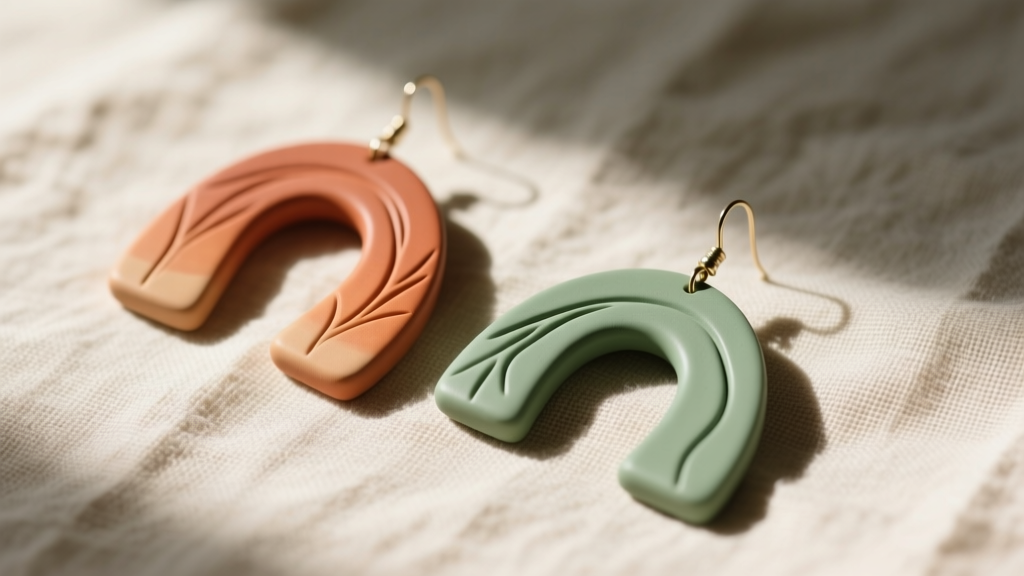
The Renaissance of Handmade Clay Earrings in 2026
When it comes to gifting jewelry, the modern consumer is moving away from mass-produced, heavy metals and gravitating toward artisanal, lightweight alternatives. Handmade clay earrings have emerged as a dominant force in the accessory market, offering a unique blend of sculptural artistry, vibrant color palettes, and unparalleled comfort. Unlike traditional brass or stainless steel earrings, which can cause lobe fatigue after a few hours of wear, high-quality clay pieces offer a featherlight experience without sacrificing visual impact.
However, not all clay earrings are created equal. The difference between a thoughtful, long-lasting gift and a brittle, unwearable trinket lies in the maker's choice of material, sealing technique, and hardware. This comprehensive 2026 gift guide will help you navigate the nuanced world of handmade clay earrings, ensuring you select the perfect pair for your recipient's lifestyle, aesthetic, and ear sensitivity.
Decoding the Medium: Polymer vs. Air-Dry vs. Ceramic
To choose the right gift, you must first understand the medium the artisan is working with. Each type of clay possesses distinct structural properties that dictate its durability, weight, and ideal use case.
| Clay Type | Weight Profile | Durability & Flexibility | Sealing Requirement | Best Occasion |
|---|---|---|---|---|
| Polymer Clay (e.g., Fimo, Sculpey) | Ultra-Lightweight | Highly flexible; bends slightly before breaking | Optional (often sealed with UV resin for gloss) | Daily wear, travel, large statement pieces |
| Air-Dry Clay | Medium Weight | Brittle; prone to chipping if dropped | Mandatory (polyurethane varnish required for moisture resistance) | Occasional wear, casual outings |
| Ceramic / Earthenware | Heavy | Rigid and fragile; requires kiln firing | Glaze-fired (inherently sealed) | Evening events, gallery openings, fine art gifting |
Polymer clay remains the gold standard for wearable clay art. Because it cures at low temperatures in a standard oven, artisans can achieve intricate marbling and gradient effects that are impossible with kiln-fired ceramics. Furthermore, polymer clay is inherently water-resistant once baked, though many high-end makers still apply a UV-resin topcoat to protect the surface from scratches and UV fading. For a deeper dive into the material science of these mediums, the Polymer Clay Web offers extensive resources on curing temperatures and archival sealing methods.
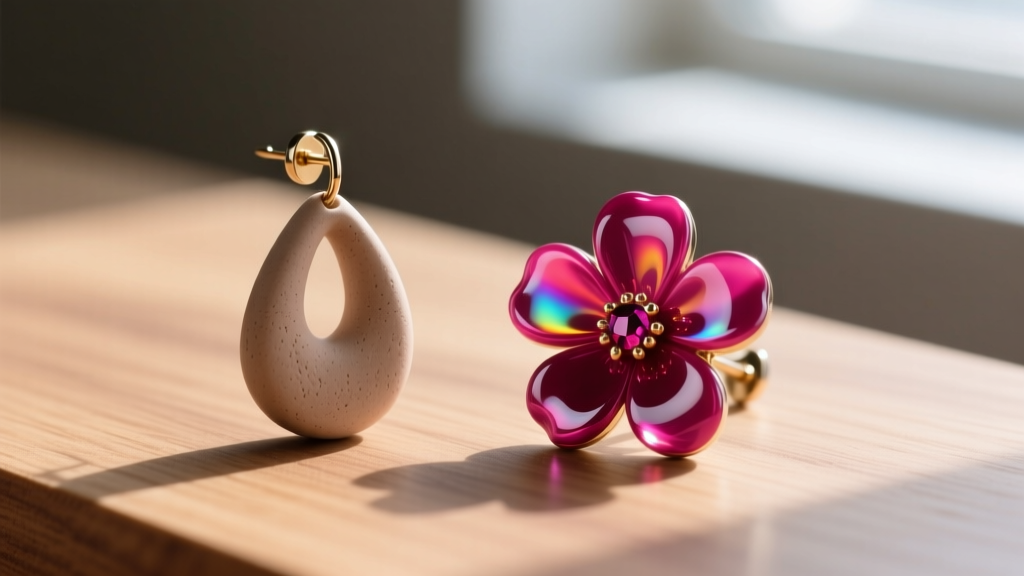
Occasion Matching: Selecting the Perfect Pair
The beauty of handmade clay earrings lies in their versatility. By analyzing your recipient's wardrobe and daily routine, you can match the architectural style of the earring to their specific needs.
The Corporate Minimalist (Office & Boardroom)
For the professional who favors tailored blazers and neutral tones, avoid overly bohemian or sprawling tassel designs. Instead, look for geometric polymer clay studs or small, structured hoops with clay inlays. Artisans frequently use a technique called 'mokume gane' (borrowed from Japanese metalworking) to create subtle, metallic-like ripples in the clay using mica powders. Colors like slate grey, muted terracotta, and oatmeal blend seamlessly with corporate attire while providing a sophisticated pop of texture that traditional metal studs lack.
The Weekend Wanderer (Travel & Casual Outings)
If your gift recipient loves weekend festivals, farmers' markets, or frequent travel, weight and packability are paramount. Botanical dangles and flexible polymer clay leaves are ideal. Because properly conditioned polymer clay has a slight flex, these earrings can be tossed into a travel bag without the fear of snapping—a common tragedy associated with rigid air-dry or ceramic pieces. Look for makers who utilize flat-back studs rather than heavy fishhook wires to keep the earrings secure during active movement.
The Statement Maker (Galas, Weddings & Evening Events)
For formal occasions, you want drama and light reflection. Seek out chandelier-style clay earrings that incorporate 24k gold leafing or embedded Swarovski crystals. Some master ceramicists create stunning, albeit heavier, earthenware drops finished with a high-gloss crystalline glaze. Because these pieces are heavier, ensure the artisan has engineered them with a supportive, wide-gauge ear wire to distribute the weight evenly across the lobe.
The Hardware Matrix: Navigating Ear Sensitivities
The most exquisite clay sculpture will be returned if it causes an allergic reaction. The jewelry industry is notoriously lax with the term 'hypoallergenic,' often using it to describe surgical steel that still contains trace amounts of nickel. According to the American Academy of Dermatology, nickel allergy is one of the most common causes of allergic contact dermatitis.
When browsing Etsy's handmade clay earrings market or independent artisan sites, scrutinize the hardware specifications:
- ASTM F136 Titanium (Grade 23): The absolute pinnacle for sensitive ears. This is the same implant-grade titanium used in medical surgeries. It is completely nickel-free and highly recommended for fresh piercings or severe allergies.
- Niobium: A highly reactive metal that is naturally hypoallergenic and can be anodized to produce vibrant colors that match the clay. An excellent, lightweight alternative to titanium.
- Surgical Stainless Steel (316L): Acceptable for the general population, but contains up to 10% nickel. Avoid gifting this to anyone with known metal sensitivities.
A Note on Gauge Sizes: Standard ear wires are typically 20-gauge (0.81mm), which fits the vast majority of piercings. However, if you are gifting a massive, heavy ceramic statement piece, the maker might use an 18-gauge (1.02mm) wire for structural integrity. Be aware that 18-gauge wires can be difficult to insert into standard piercings and may cause temporary discomfort. Always check the product description for gauge thickness when buying statement pieces.
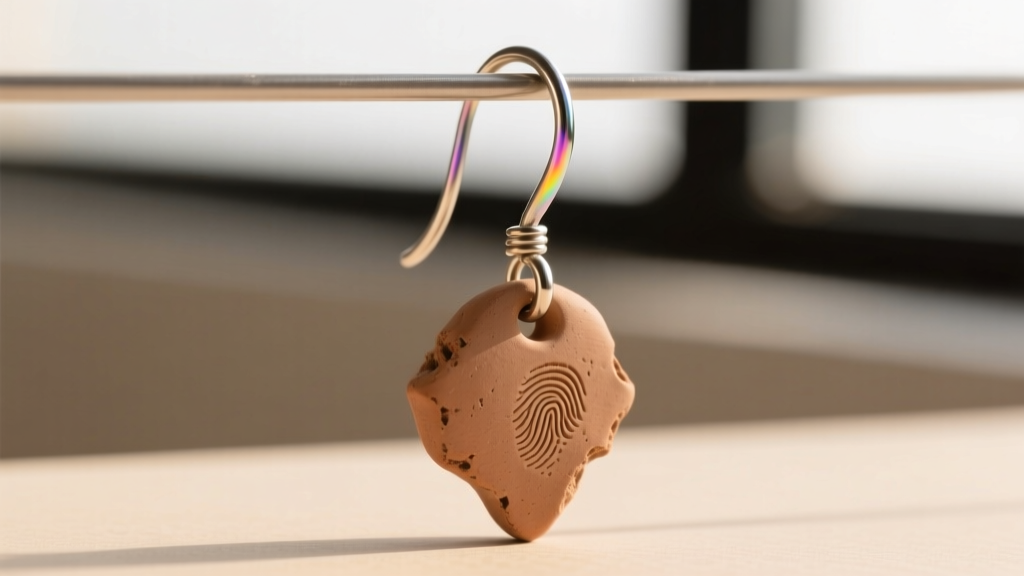
Pricing Tiers & Sourcing Authentic Makers
Understanding the pricing landscape will help you gauge the quality of the piece and ensure you are supporting ethical, skilled labor.
Tier 1: The Hobbyist ($15 - $25)
At this price point, you are typically purchasing from newer makers using basic, mass-produced cookie cutters and standard brass-plated hardware. The clay may be air-dry, sealed with basic Mod Podge (which can become tacky in high humidity). These are fun, casual gifts for teenagers or coworkers.
Tier 2: The Established Artisan ($35 - $65)
This is the sweet spot for high-quality gifting. Makers in this tier hand-mix their own polymer clay palettes, use custom-designed brass or acrylic cutters, and finish their pieces with professional-grade UV resin. Crucially, they invest in implant-grade titanium or niobium hardware. The backs of the earrings are usually sanded smooth to prevent hair snagging.
Tier 3: The Fine Art Ceramicist ($75 - $150+)
These pieces are kiln-fired earthenware or stoneware, often featuring hand-painted underglazes and complex structural engineering. They are sold in boutique galleries or high-end craft fairs and are considered wearable fine art. Gifting a piece from this tier is a profound gesture, suitable for milestones like anniversaries or major career achievements.
The Ultimate Gifter’s Checklist
Before you finalize your purchase, run through this quick quality-assurance checklist to guarantee a premium unboxing experience:
- Check the Jump Rings: Are the metal rings connecting the clay to the ear wire closed flush? Gaps will cause the earring to fall apart or snag on sweaters.
- Inspect the Backing: High-end makers sand the back of polymer clay pieces to a matte, skin-smooth finish. Rough backs indicate rushed production.
- Verify the Sealant: If buying air-dry clay, ensure the maker explicitly states it is sealed with a waterproof polyurethane, not a water-soluble school glue.
- Include a Care Card: If the maker doesn't provide one, write a note advising the recipient to store the earrings away from direct sunlight (to prevent UV fading) and to avoid spraying perfume directly onto the clay surface, as the alcohol can degrade certain sealants over time.
"Gifting handmade clay earrings is not just about giving an accessory; it is about gifting hours of an artist's time, their unique color theory, and a piece of wearable sculpture that mass manufacturing simply cannot replicate."
By prioritizing material integrity, occasion-appropriate design, and biocompatible hardware, your 2026 jewelry gift will stand out as a deeply considered, stylish, and comfortable treasure that your recipient will reach for time and time again.


