How to Clean Earrings: A Value Preservation Material Guide
Learn how to clean earrings safely across gold, silver, and gemstone materials to prevent damage, maintain resale value, and avoid costly repairs.

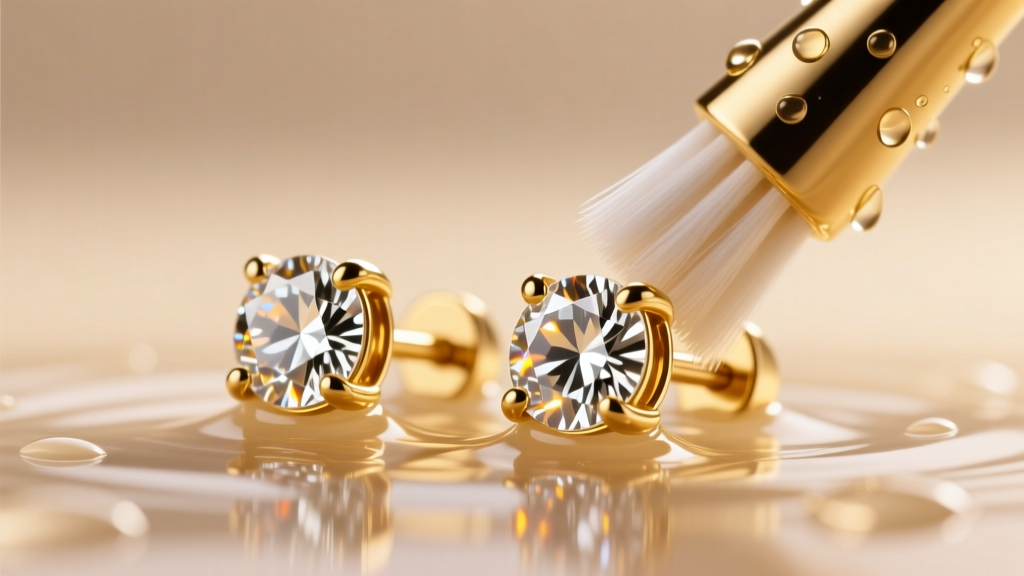
When collectors and everyday wearers search for how to clean earrings, the focus is usually on hygiene and sparkle. However, from a budget and value assessment perspective, improper cleaning is one of the leading causes of jewelry depreciation. A single aggressive polishing session can strip microns of precious metal, while the wrong chemical bath can dissolve organic gemstones, instantly destroying hundreds of dollars in resale value. Understanding the metallurgical and gemological realities of your earrings is essential to protecting your investment.
The Hidden Cost of Improper Earring Cleaning
The most common mistake in DIY jewelry care is using abrasive household items. Toothpaste, for example, contains hydrated silica with a Mohs hardness of roughly 3 to 4. Because pure 24k gold sits at a 2.5 on the Mohs scale, and 18k gold is only slightly harder due to its alloy mix, scrubbing gold earrings with toothpaste creates micro-abrasions. Over time, this removes the high-polish finish, leaving a dull, satin-like texture that requires professional re-polishing—a service that typically costs $45 to $85 and removes a layer of the metal itself.
Similarly, using paper towels or tissues to dry wet earrings introduces microscopic wood fibers that scratch highly polished platinum and gold surfaces. To preserve the financial value of your pieces, you must transition to lint-free microfiber cloths and material-specific chemical protocols.
Material-Specific Cleaning Protocols & Budget Impact
Different metals react to environmental factors and cleaning agents in vastly different ways. Here is how to approach the most common earring materials without compromising their structural integrity or market value.
Solid Gold (14k, 18k) & Platinum
According to the Gemological Institute of America (GIA), the safest and most cost-effective method for cleaning solid gold and platinum earrings is a simple solution of warm water and a few drops of mild, phosphate-free dish soap (like Dawn). Soak the earrings for 15 to 20 minutes to loosen sebum and cosmetic buildup, then gently agitate with a soft-bristled baby toothbrush. Rinse under lukewarm tap water and dry with a microfiber cloth. Total cost: virtually zero. This method preserves the metal's mass and factory finish.
Sterling Silver & Oxidation Management
Sterling silver (92.5% silver, 7.5% copper) tarnishes when the copper reacts with sulfur and moisture in the air, forming silver sulfide. Commercial 'silver dip' liquids often contain thiourea, a chemical that strips tarnish instantly but also microscopically etches the silver surface with repeated use, accelerating future tarnishing and degrading the metal's weight.
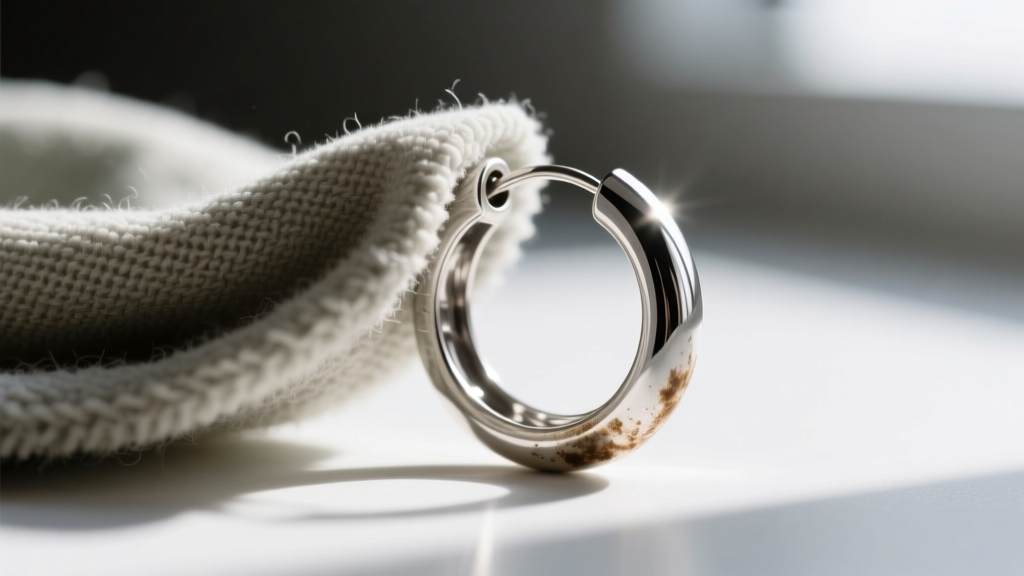
The Value-Preserving Alternative: Use an electrochemical reduction bath. Line a glass bowl with aluminum foil (shiny side up), add your silver earrings, and pour in boiling water mixed with one tablespoon of baking soda and a pinch of salt. The sulfur transfers from the silver to the aluminum foil without removing any silver from the earring. This preserves the exact metal weight and value of your piece for less than $0.10 per cleaning.
Gold Vermeil & Plated Fashion Jewelry
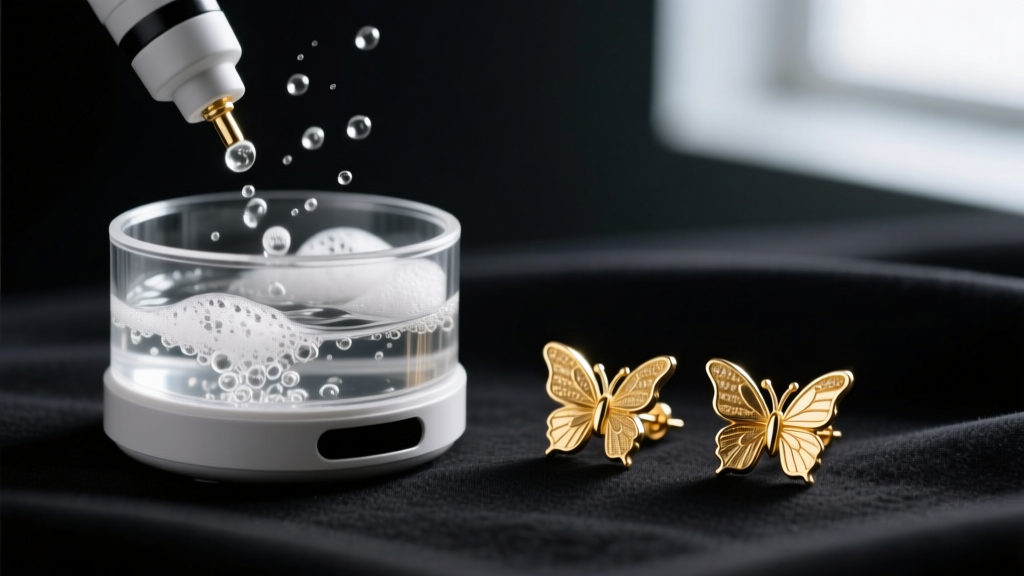
By Federal Trade Commission (FTC) guidelines, gold vermeil must consist of a sterling silver base plated with at least 2.5 microns of gold. Submerging vermeil earrings in liquid jewelry cleaners or ultrasonic machines will strip this delicate gold layer, exposing the silver beneath and effectively reducing the earring's value to its raw silver melt weight. Never wet-clean vermeil. Only use a dry, untreated polishing cloth to gently buff the surface. If the gold wears off, expect to pay $40 to $75 for professional replating.
Gemstone & Pearl Earrings: High-Risk Value Zones
Gemstones require highly specific care based on their crystal structure and porosity. Treating all gemstone earrings the same is a fast track to catastrophic financial loss.
- Pearls: Pearls are organic, composed of calcium carbonate with a Mohs hardness of just 2.5. The GIA Pearl Care Guide explicitly warns against ultrasonic cleaners and steamers, which can dissolve the pearl's nacre or shatter it via heat shock. Clean pearl earrings only with a damp, soft cloth after wearing to remove acidic body oils.
- Emeralds & Opals: Most commercial emeralds are fracture-filled with cedar oil or resin. Ultrasonic cavitation will boil the oil out, revealing internal flaws and dropping the stone's appraisal value by up to 70%. Opals contain up to 20% water; heat and ultrasonics will cause them to craze (crack internally).
- Diamonds, Rubies, & Sapphires: These rank 8 to 10 on the Mohs scale and are highly durable. They can safely withstand ultrasonic cleaning and mild chemical baths, making them the lowest-maintenance, highest-value-retaining options for everyday stud earrings.
DIY vs. Professional Ultrasonic Cleaning: A Cost-Benefit Analysis
Many consumers invest in at-home ultrasonic cleaners (operating at roughly 40,000 Hz) to save money on professional jeweler visits. However, assessing the budget impact requires looking at the risk-to-reward ratio.
| Cleaning Method | Best Suited For | Average Cost | Value Risk Factor |
|---|---|---|---|
| DIY Soap & Water | Solid gold, platinum, diamonds, sapphires | $0.05 | Extremely Low |
| DIY Electrochemical Bath | Sterling silver (without antiqued details) | $0.10 | Low (Strips intentional oxidation) |
| At-Home Ultrasonic (40kHz) | Diamond studs, plain metal hoops | $35 (Machine cost) | High (Can loosen prongs/shatter inclusions) |
| Professional Jeweler Service | High-value antique pieces, pave settings | $25 - $50 | Zero (Includes prong-tightening inspection) |
Expert Insight: If your diamond or gemstone earrings feature pave or micro-pave settings, avoid at-home ultrasonic cleaners entirely. The high-frequency vibrations can loosen the microscopic beads holding the stones, leading to lost diamonds that cost hundreds of dollars to replace.
Earring Posts and Friction Backs: The Overlooked Depreciator
When evaluating how to clean earrings, most guides ignore the earring backs and posts. The crevices of butterfly friction backs and the grooves of standard 20-gauge (0.81mm) or 18-gauge (1.02mm) posts accumulate dead skin, sebum, and lotion. This buildup not only causes contact dermatitis and ear infections but also accelerates metal fatigue and degrades the tension of the earring back, increasing the risk of losing the earring entirely.
Actionable Fix: Use a wooden toothpick or a soft interdental brush dipped in isopropyl alcohol (70% or higher) to carefully scrape the interior of the earring backs and the grooves of the posts. The alcohol sanitizes the metal and evaporates quickly without causing rust on internal steel springs found in some heavy-duty locking backs.
Summary Checklist for Long-Term Value Retention
To ensure your earring collection retains its financial and aesthetic value over the decades, implement this strict maintenance framework:
- Identify the Material First: Never apply a chemical cleaner without confirming the metal grade and gemstone porosity.
- Ban Abrasives: Remove toothpaste, baking soda pastes (on gold), and paper towels from your jewelry care kit.
- Separate Organic from Inorganic: Keep pearls, coral, and amber far away from ultrasonics, steam, and commercial liquid dips.
- Audit the Hardware: Clean the posts and backs monthly with isopropyl alcohol to maintain structural tension and hygiene.
- Invest in Professional Audits: For earrings appraised over $1,000, budget for an annual professional cleaning that includes a microscopic prong inspection to prevent stone loss.
By treating the cleaning process as an exercise in asset preservation rather than a simple chore, you protect both the physical integrity and the long-term financial value of your jewelry collection.


