Care Guide: Cleaning & Conditioning Leather for Leather Earrings
Learn expert tips to clean, condition, and protect leather for leather earrings. Discover material grades, storage hacks, and moisture control.

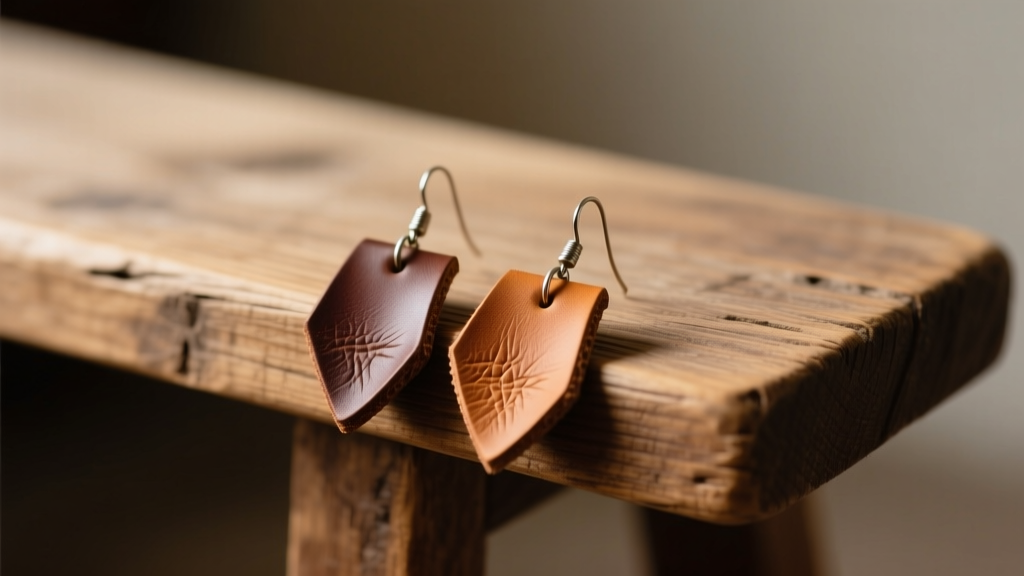
In 2026, the shift toward sustainable, lightweight, and artisanal jewelry has solidified the popularity of hide-based accessories. However, maintaining organic and bio-fabricated materials requires a vastly different approach than caring for sterling silver or gold. When you invest in high-quality leather for leather earrings, you are investing in a porous, reactive material that interacts with your body chemistry, the environment, and the metal hardware it hangs from. Whether you are wearing full-grain cowhide, vegetable-tanned scraps, or next-generation mycelium vegan alternatives, understanding the structural integrity of your earrings is the key to making them last a lifetime.
Understanding Material Grades: Which Hides Last Longest?
Not all hides are created equal. The term "genuine leather" is often a marketing trap indicating a low-grade, heavily processed composite. When sourcing or caring for leather for leather earrings, you must first identify the material grade, as this dictates the cleaning protocol and expected lifespan.
| Material Grade | Durability & Lifespan | Care Needs | 2026 Market Price Range |
|---|---|---|---|
| Full-Grain (Veg-Tanned) | 10+ years; develops patina | Requires regular conditioning; highly porous | $35 - $120 |
| Top-Grain (Chrome-Tanned) | 5-8 years; colorfast | Wipe clean; minimal conditioning needed | $20 - $65 |
| Mycelium (Bio-Vegan) | 3-5 years; biodegradable | Keep dry; avoid heavy oils; wipe with damp cloth | $45 - $150 |
| PU / PVC (Synthetic) | 1-3 years; prone to peeling | No conditioning; clean with mild soap; avoid heat | $10 - $30 |
According to the Leather Working Group, vegetable-tanned hides utilize natural tree bark tannins, making them highly susceptible to water spots and alkaline cleaners. Conversely, chrome-tanned leathers are more water-resistant but lack the beautiful aging characteristics of their veg-tanned counterparts. If you are wearing bio-fabricated mycelium leather, treat it like a delicate textile rather than an animal hide; heavy waxes will suffocate the bio-structure and cause premature degradation.
The Chemistry of Cleaning: Why pH Matters
The most common mistake consumers make is using household soaps on organic accessories. Natural hide has a slightly acidic pH, typically ranging between 4.5 and 5.0. Standard hand soaps and dish detergents are highly alkaline (pH 9 to 11). Applying alkaline cleaners to leather for leather earrings strips the essential tannins and natural fats, leading to severe brittleness, micro-cracking along the fold lines, and eventual tearing at the jump ring hole.
The Golden Rule of Moisture
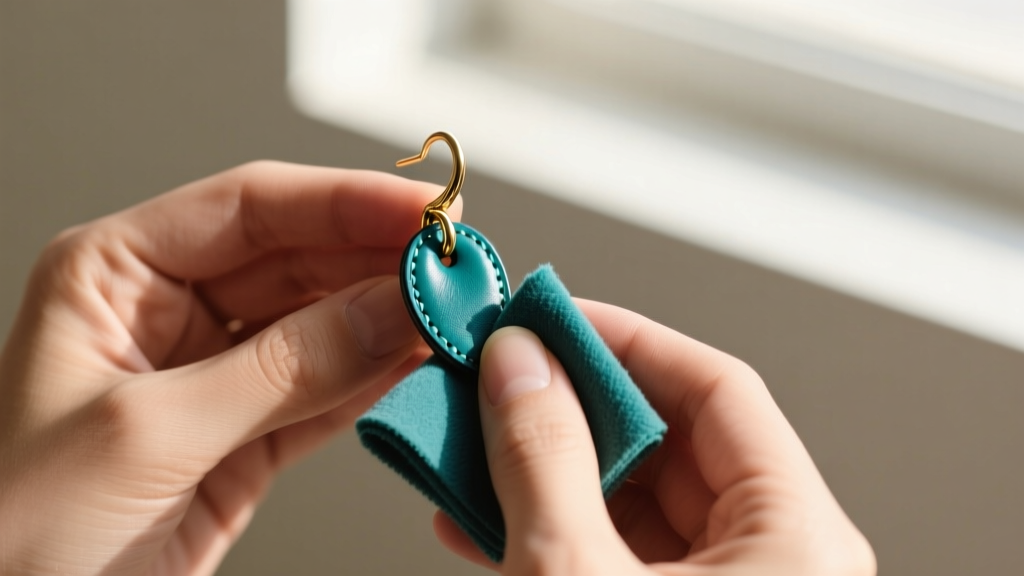
Water is the enemy of unfinished edges. Many artisan earring makers leave the back of the earring unsealed to showcase the suede-like flesh side of the hide. If water penetrates this layer, it can cause the collagen fibers to swell and warp. Always use a barely damp microfiber cloth, never a soaking wet one, and always follow up with a specialized, pH-balanced leather cleaner like Lexol or Bick 4.
Step-by-Step Maintenance Routine
To keep your accessories looking pristine, establish a bi-monthly cleaning routine. This is especially critical for statement dangles and large hoops that frequently brush against the neck, hair, and jawline, accumulating sebum, dead skin cells, and cosmetic products.
- Dry Dusting: Use a soft-bristled horsehair brush to gently sweep away surface dust and dried makeup particles from the grain and the crevices near the hardware.
- Targeted Spot Cleaning: For foundation or concealer transfer on the top edges, apply a single drop of pH-neutral saddle soap to a damp cotton swab. Gently roll the swab over the stain without rubbing aggressively.
- Wiping: Use a clean, dry microfiber cloth to buff away any soapy residue. Allow the earrings to air dry flat in a well-ventilated room away from direct sunlight or radiators.
- Conditioning (Animal Hides Only): Apply a micro-thin layer of neatsfoot oil or a specialized leather conditioner using your fingertip. The natural heat from your skin will help melt the wax into the pores. Buff off the excess after 15 minutes.
Note: Never apply animal-based oils or waxes to PU or mycelium vegan leathers. As detailed in expert guides by Saddleback Leather Co., vegan alternatives do not have pores to absorb conditioners; the oils will simply sit on the surface, attracting dust and degrading the polyurethane binding agents through a process called hydrolysis.
Dealing with Stubborn Stains and Hardware Tarnish
If your earrings feature brass or copper hooks, the metal will naturally oxidize and leave green or black smudges on the leather hole. To clean the hardware without damaging the surrounding hide, remove the jump ring if possible. If the hardware is permanently crimped, use a Q-tip dipped in a mild vinegar and salt solution to clean the metal, being meticulously careful not to let the acidic solution touch the leather. Neutralize the metal immediately with a baking soda paste, rinse the Q-tip, and dry thoroughly.
Hardware Sizing: Preventing the Dreaded Tear-Out
Maintenance isn't just about cleaning; it's about structural preservation. The connection point where the metal meets the hide is the most vulnerable part of the earring. If the jump ring or ear wire is too thick (e.g., 16-gauge or 14-gauge), it will act like a cookie cutter, slowly slicing through the leather hole every time the earring swings. Conversely, if the wire is too thin (e.g., 22-gauge or 24-gauge), it will create excessive friction and wear a groove into the hide.
The Ideal Gauge: For standard 1mm to 2mm thick leather for leather earrings, an 18-gauge or 20-gauge rounded jump ring provides the perfect balance of structural support and friction distribution. Furthermore, always ensure the jump ring is a "closed" or "soldered" ring rather than a split ring, as the sharp beveled edges of a split ring will inevitably saw through organic fibers over time.
Proper Storage to Prevent Warping and Mold
How you store your earrings when they aren't being worn is just as important as how you clean them. Organic materials are hygroscopic, meaning they absorb and release moisture from the surrounding air. In humid climates, storing leather in sealed plastic bags or airtight acrylic organizers creates a micro-environment ripe for mold spores and mildew.
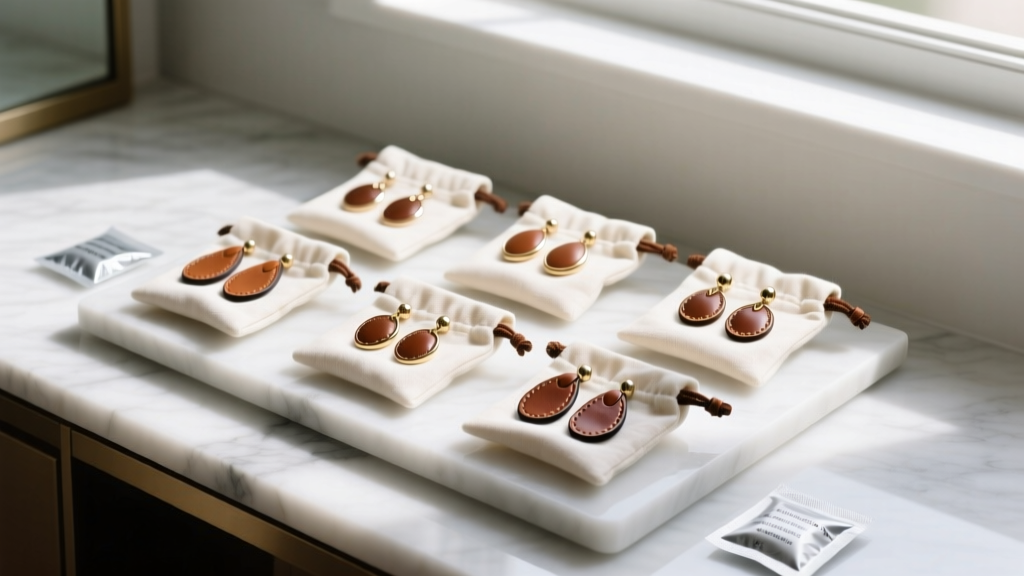
- Breathable Barriers: Always store your earrings in unbleached cotton or linen pouches. These materials allow the hide to breathe while protecting it from abrasive scratches against other jewelry.
- Humidity Control: Toss a small, jewelry-safe silica gel packet into your storage drawer or pouch to maintain an ambient relative humidity of around 45-55%. This prevents the collagen fibers from becoming brittle in dry winters or molding in humid summers.
- Shape Retention: For large, oversized leather hoops or geometric dangles, lay them completely flat. Hanging heavy leather earrings by their hooks for months on end can cause the leather hole to stretch and the overall silhouette to warp under its own weight.
- UV Protection: Prolonged exposure to direct sunlight will bleach vegetable-tanned dyes and cause severe drying. Keep your jewelry box out of the path of morning window light.
Final Thoughts on Longevity
Caring for organic jewelry requires a shift in mindset from passive wearing to active stewardship. By respecting the pH boundaries of the hide, selecting the correct metal gauges, and understanding the distinct needs of vegan versus animal-based materials, you ensure that your favorite pieces remain vibrant, structurally sound, and beautifully patinated for years to come. Treat your leather for leather earrings with the same meticulous care you would afford a high-end leather jacket or a luxury handbag, and they will reward you with a lifetime of effortless, sustainable style.


