Heart Gold Earrings: 2026 Trend & Style Analysis
Explore the 2026 evolution of heart gold earrings. Discover architectural silhouettes, karat grades, gauge sizes, and expert styling frameworks.

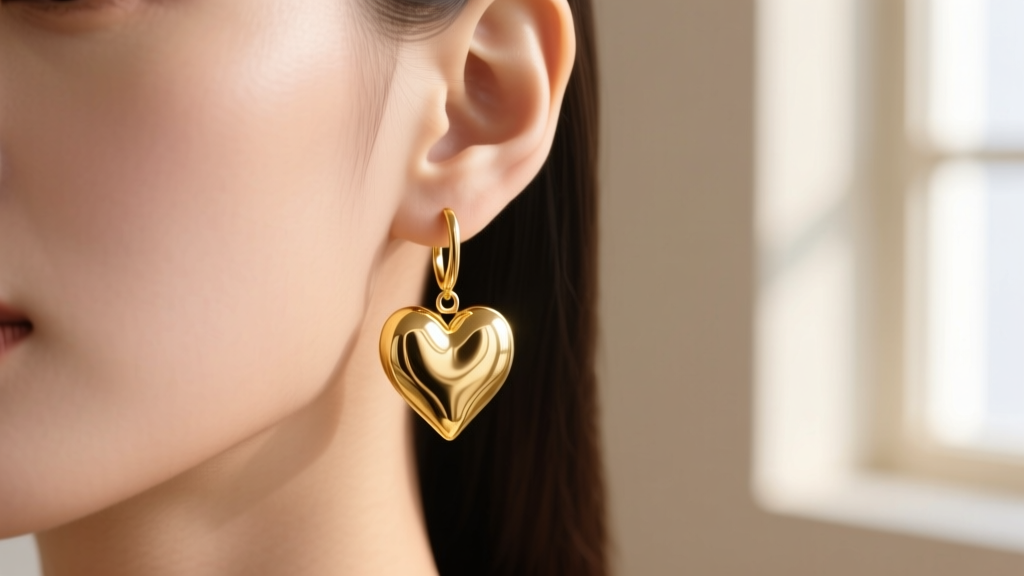
The 2026 Renaissance of the Heart Motif
The heart motif has survived centuries of jewelry design, but 2026 marks a radical departure from the saccharine, rhinestone-encrusted styles of the early 2020s. Today, the focus is on sculptural, architectural, and subversive interpretations. When analyzing recent search data for the phrase 'earrings heart gold', we see a distinct pivot toward molten textures, asymmetrical drops, and high-karat ear cuffs. The modern consumer is no longer looking for juvenile charm bracelets translated to the ear; they are seeking structural art pieces that convey emotional resonance without sacrificing high-fashion edge. This guide breaks down the technical specifications, material grades, and styling frameworks you need to navigate this year's most compelling ear trends.
The Metallurgy of Love: Karat Grades & Durability
Not all gold is created equal, especially when cast into the complex curves of a heart silhouette. According to the Gemological Institute of America (GIA), the alloy mix dictates both the color and the structural integrity of the earring. Choosing the wrong karat for a specific earring type is the leading cause of jewelry failure.
| Karat | Gold Content | Vickers Hardness (Approx) | Best Silhouette | Price Range (Per Gram) |
|---|---|---|---|---|
| 14k | 58.5% | 120-140 HV | Huggies, Clickers, Studs | $40 - $55 |
| 18k | 75.0% | 110-130 HV | Drop Earrings, Dangles | $55 - $75 |
| 22k | 91.6% | 70-90 HV | Ear Cuffs, Tension Rings | $75 - $95 |
Failure Mode Alert: Avoid hollow-cast 18k or 22k heart drops. The thin walls (often under 0.5mm) are prone to denting from minor impacts and cannot be easily repaired by a bench jeweler without leaving visible solder seams. Always opt for solid cast or 3D-printed wax-cast pieces for longevity, especially for everyday wear.
Top 3 Heart Gold Silhouettes Dominating 2026
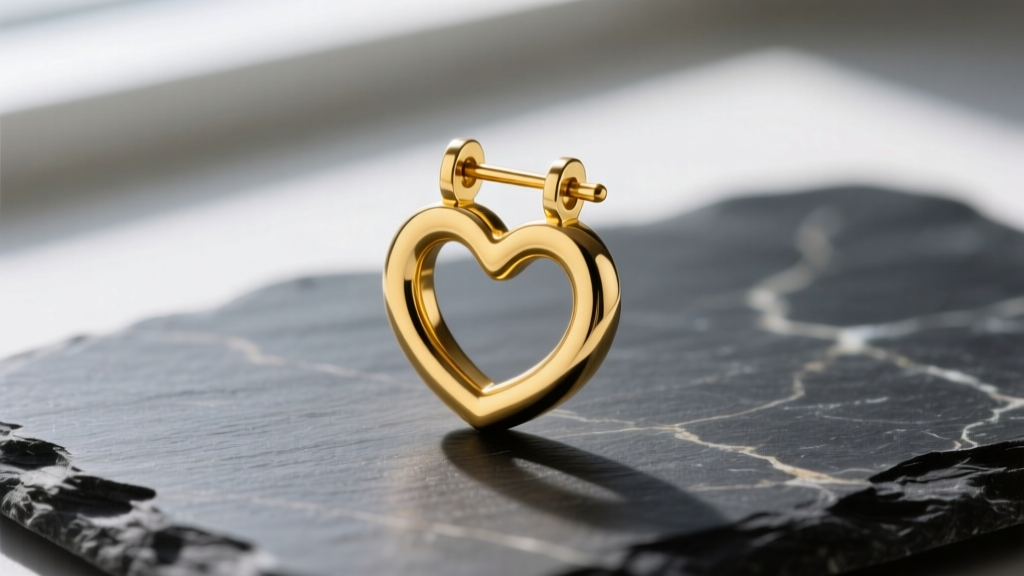
1. The Molten Heart Huggie
Moving away from perfect symmetry, the molten heart huggie features organic, warped curves that mimic melting metal. This style bridges the gap between punk hardware and fine jewelry.
- Specs: 12mm to 14mm inner diameter. 16-gauge (1.2mm) or 18-gauge (1.0mm) wire thickness.
- Closure: Hinged clicker with a secure snap latch. Avoid standard latch-backs for huggies, as they create an uncomfortable pressure point behind the earlobe and can catch on hair.
- Styling: Ideal for the lower lobe or a snug-fitting helix piercing. Stack with a simple 20-gauge gold bead for a textured, curated ear look.
2. The Asymmetrical Architectural Drop
As noted by Vogue's 2026 jewelry forecasting, mismatched earrings are now a permanent staple. Pair a geometric, angular gold heart stud in one lobe with a 30mm elongated heart drop in the opposite ear.
- Specs: Post thickness should be 20-gauge (0.8mm) for standard lobe piercings. Ensure the drop features a friction-back with a reinforced post base (or a screw-back for heavy pieces) to prevent the gold from drooping forward and stretching the piercing.
- Threading: If the drop utilizes an interchangeable top, insist on internal threading to protect the delicate tissue of the earlobe during insertion.
3. The Subversive Ear Cuff
For non-pierced cartilage, the heart ear cuff has evolved from a flimsy wire wrap to a structured, tension-fitted band that mimics the look of a genuine piercing.
- Specs: 20-gauge (0.8mm) to 18-gauge (1.0mm) wire. Look for cuffs with a micro-adjustable tension gap (typically 4mm to 6mm) to accommodate different helix thicknesses without cutting off circulation or slipping off during sleep.
Face Shape & Placement Matrix
'The heart shape is inherently bottom-heavy. To balance facial proportions, we must manipulate the visual weight of the earring by altering the drop length and the sharpness of the inferior point.' — Elara Vance, Senior Editorial Stylist
- Round Faces: Opt for elongated, V-shaped heart drops (25mm+). The sharp bottom point creates a visual illusion of length, drawing the eye downward and balancing wider cheekbones.
- Square Faces: Avoid sharp, geometric heart studs. Instead, choose molten, rounded heart huggies or soft, hammered gold drops that echo the natural curves of the face and soften a strong jawline.
- Heart-Shaped Faces: Invert the motif. Look for abstract or inverted heart studs that sit flush on the lobe, adding visual weight to the lower half of the face to balance a narrower chin.
- Oval Faces: The universal donor of face shapes. Oval faces can carry the weight of oversized, architectural 18k gold heart hoops without overwhelming their natural proportions.
Pricing Tiers & Brand Spotlights
Understanding the pricing architecture of gold jewelry prevents overpaying for inferior construction. Here is what you should expect to pay for solid gold heart earrings in 2026:
- Entry-Level ($80 - $180): Focus on 14k gold-plated over brass or sterling silver. Warning: Plated heart huggies will wear down at the friction points within 6-12 months of daily wear, exposing the base metal and potentially causing contact dermatitis.
- Mid-Tier ($250 - $600): Solid 14k and 18k gold from independent bench jewelers. This is the sweet spot for solid-cast molten hearts and secure clicker mechanisms. Brands in this tier prioritize structural integrity over brand markup.
- Luxury ($800 - $2,500+): High-karat (22k) artisan pieces, often featuring hand-hammered textures, granulation techniques, and conflict-free diamond pavé accents. These are investment pieces meant for occasional wear due to the softness of 22k gold.
Care & Maintenance for Textured Gold
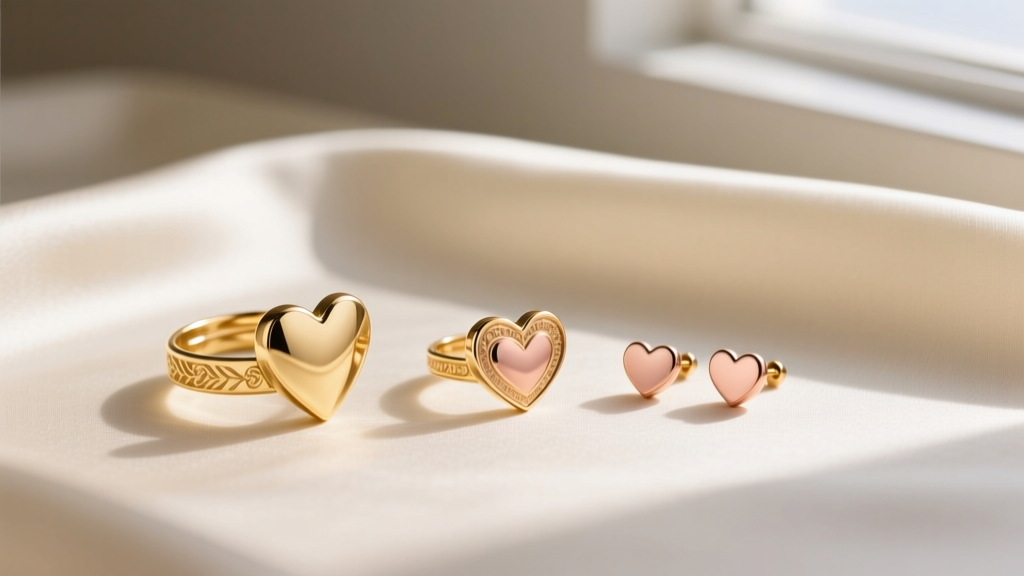
The 2026 trend heavily favors hammered, matte, and molten finishes over high-polish gold. While visually striking, these textures trap sebum, dead skin cells, and cosmetic residues much faster than smooth surfaces, requiring a specialized cleaning protocol.
The Cleaning Protocol: Never use ultrasonic cleaners on hollow heart drops or tension ear cuffs. The high-frequency vibrations can shatter hollow casts or warp the precise tension gap of a cuff, rendering it unwearable. Furthermore, avoid exposing 14k and 18k gold alloys to chlorinated pool water, which can cause stress corrosion cracking over time.
Instead, create a lukewarm bath of distilled water and a few drops of pH-neutral dish soap. Soak the earrings for 10 minutes, then gently agitate the crevices of the heart motif with a baby-soft toothbrush. Rinse with distilled water (to prevent hard water spotting) and dry with a lint-free microfiber cloth.
Storage: Store heart drops individually in anti-tarnish flannel pouches. The sharp points of angular heart silhouettes can easily scratch the high-polish surfaces of adjacent jewelry if tossed into a communal box. For huggies, ensure the clicker is fully closed before storage to prevent the latch from snagging on the pouch lining.


