Fix & Care for Chan Luu Pearl Earrings: Troubleshooting Guide
Learn how to troubleshoot, clean, and repair Chan Luu pearl earrings. Fix loose wire wraps, prevent lobe stretching, and restore tarnished vermeil hooks.

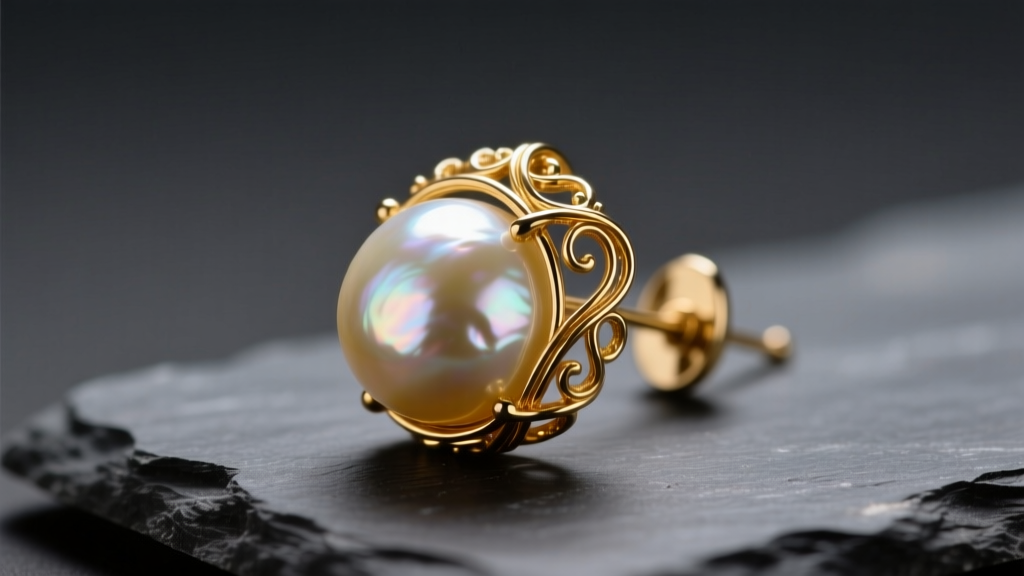
The Unique Anatomy of Chan Luu Pearl Designs
Chan Luu pearl earrings are iconic in the bohemian and contemporary jewelry space, celebrated for their handcrafted, artisanal aesthetic. Unlike mass-produced cast jewelry, these pieces rely on intricate hand-wrapping, mixed metals, and organic gemstones. However, this very construction makes them uniquely susceptible to specific failure modes. To properly troubleshoot and maintain your collection, you must first understand the materials at play.
Most Chan Luu designs feature freshwater baroque or coin pearls, which rank at a mere 2.5 to 3.0 on the Mohs hardness scale. These are suspended using 24-gauge or 26-gauge dead-soft wire—typically sterling silver or copper with an 18k gold vermeil finish. True vermeil requires a base of 925 sterling silver plated with at least 2.5 microns of 10k or higher gold. While beautiful, the combination of soft organic pearls, thin plating, and malleable wrapping wire demands a highly specialized approach to care, repair, and daily wear.
Troubleshooting Common Wear & Tear Issues
Issue 1: Loose Wire Wrapping and Bead Slippage
Because Chan Luu utilizes hand-wrapping techniques rather than rigid cast bezels, the 24-gauge wire can loosen over time due to micro-movements and temperature fluctuations. If you notice a pearl spinning freely on its axis or a decorative bead sliding down the wire shaft, the wrap has lost its tension.
The Fix: Do not attempt to bend the wire back into place with standard steel jewelry pliers; the steel teeth will strip the delicate gold vermeil and mar the silver base. Instead, use nylon-jaw pliers. Gently compress the existing wire wrap against the pearl's bail. If the wire has work-hardened and snapped at the stress point, you will need to carefully unwind the broken tail, thread a new piece of 24-gauge dead-soft gold-filled wire through the pearl's drill hole, and execute a simple twisted wrap to secure it back to the main drop.
Issue 2: Vermeil Hook Tarnishing and Oxidation
The ear wires and structural caps on these earrings are frequent contact points for skin acids, lotions, and hairsprays. When the 2.5-micron gold layer wears thin from friction, the underlying 925 sterling silver is exposed to oxygen and sulfur, resulting in rapid black oxidation. Many owners mistakenly use abrasive silver polishing cloths (like treated Sunshine cloths) on vermeil, which strips the remaining gold plating entirely.
The Fix: For surface tarnish on the gold, use only a clean, untreated microfiber cloth dampened with warm water and a drop of mild, phosphate-free Castile soap. Gently rub the ear wire. If the silver base is already exposed and blackened, you must use a specialized silver dip on a cotton swab, applying it only to the oxidized areas while strictly avoiding the pearls. Once clean, rinse immediately and dry. According to the Blue Nile Jewelry Care Guide, avoiding chemical exposure is the only way to preserve thin gold platings long-term.
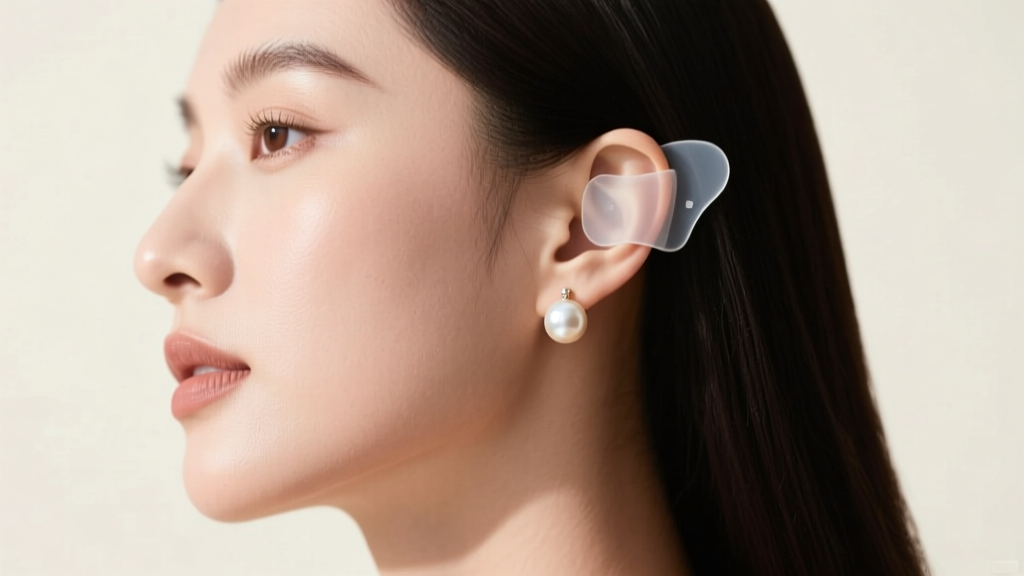
Issue 3: Lobe Stretching from Heavy Asymmetrical Drops
Chan Luu's cluster, chandelier, and multi-strand pearl earrings can easily weigh between 12 and 18 grams per ear. A standard earlobe piercing is typically performed at 20-gauge (0.81mm) or 18-gauge (1.02mm). When a heavy, thin wire hook rests in a narrow fistula, gravity creates a 'cheese-cutter' effect, slowly elongating the piercing and causing permanent lobe drooping.
The Fix: You do not need to stop wearing your favorite statement pieces. First, invest in clear silicone earring support patches (such as Lobe Wonder). These adhesive discs sit behind the earlobe, distributing the weight of the heavy drop across a wider surface area. Second, consider taking the earrings to a jeweler to have the standard fish hooks swapped for omega clips or leverbacks. Leverbacks feature a thicker, wider wire gauge that rests more comfortably in the piercing, while omega clips bypass the piercing entirely, gripping the lobe with adjustable tension.
Step-by-Step Pearl and Metal Restoration
Freshwater pearls are composed of calcium carbonate and conchiolin (an organic protein). They are highly porous and react violently to acidic environments, including human sweat (which has a pH of 4 to 6). If your pearls have lost their signature orient and luster, they require immediate, gentle intervention.
Warning: Never place Chan Luu pearl earrings in an ultrasonic jewelry cleaner. The high-frequency sound waves and heat will shatter the delicate nacre layers and dissolve the epoxy used in the pearl caps.
- The Wipe Down: After every wear, wipe the pearls with a dry, lint-free cotton cloth to remove microscopic sweat and sebum.
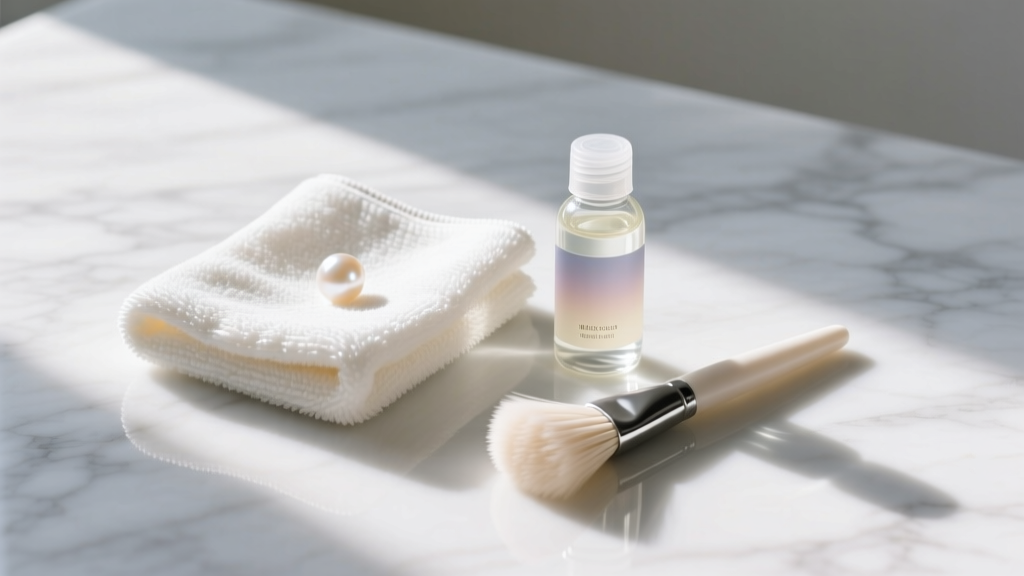
- The Deep Clean: Mix lukewarm water with a few drops of baby shampoo. Dampen a soft-bristled makeup brush in the solution and gently sweep over the pearls and wire wraps. Do not submerge the earrings, as water can become trapped in the pearl's drill hole, rotting the internal silk or cotton thread.
- The Drying Phase: Pat dry immediately with a microfiber towel and lay them flat on a breathable surface for 24 hours.
- Luster Restoration: If the pearls remain dull, apply a microscopic drop of pure mineral oil to a cotton swab and buff the surface of the pearl. This temporarily fills micro-scratches and restores optical refraction, as recommended by the Gemological Institute of America (GIA).
Preventative Care Matrix
Understanding how different environmental factors impact the distinct materials of your earrings is crucial for long-term preservation. Use the matrix below to diagnose and prevent damage before it occurs.
| Environmental Threat | Impact on Freshwater Pearl | Impact on 18k Vermeil | Targeted Solution |
|---|---|---|---|
| Acidic Sweat (pH 4-6) | Dissolves calcium carbonate, causing chalky dullness | Accelerates oxidation of the exposed silver base | Wipe with dry microfiber immediately after removal |
| Perfume & Hairspray | Alcohol dries out conchiolin, leading to surface cracking | Chemical solvents strip the 2.5-micron gold plating | Always apply aerosols and fragrances 15 mins before wearing |
| Friction & Storage | Nacre scratches easily against harder gemstones (Mohs 2.5) | Micro-abrasions wear down gold layer to raw silver | Store individually in soft anti-tarnish flannel pouches |
| Chlorine & Saltwater | Causes irreversible pitting and structural degradation | Chlorine reacts with copper alloys, causing green discoloration | Never wear in pools, hot tubs, or the ocean |
When to Seek Professional Jeweler Intervention
While minor wire tightening and surface cleaning can be managed at home, certain structural failures require a master jeweler's bench. Do not attempt DIY repairs if you encounter the following scenarios:
- Expanded Drill Holes: If the pearl's drill hole has widened and the pearl slides off the wire wrap entirely, a jeweler must carefully ream the hole or insert a microscopic resin sleeve to stabilize the bead.
- Complete Vermeil Loss: If the ear wire has rubbed down to raw brass or heavily pitted silver, a professional electroplating service can strip the piece and apply a fresh, heavy 3-micron layer of 18k gold.
- Internal Thread Rot: If you hear a rattling sound inside a multi-pearl cluster, the internal structural thread has likely snapped. A jeweler will need to disassemble the drop and restring the components using high-tensile Griffin silk thread.
Conclusion
Owning Chan Luu pearl earrings is an exercise in appreciating artisanal craftsmanship. By understanding the specific vulnerabilities of freshwater pearls, 24-gauge wire wraps, and gold vermeil, you can transition from reactive repairs to proactive preservation. Implement silicone lobe supports for heavier drops, strictly avoid ultrasonic cleaners, and maintain a rigorous, gentle cleaning routine to ensure your bohemian staples remain luminous and structurally sound for years to come.


