How to Safely Clean and Care for Mystic Topaz Earrings
Learn how to safely clean and care for mystic topaz earrings. Step-by-step guide to protecting the titanium coating and sterling settings.

The Science of Mystic Topaz: Why It Demands Special Care
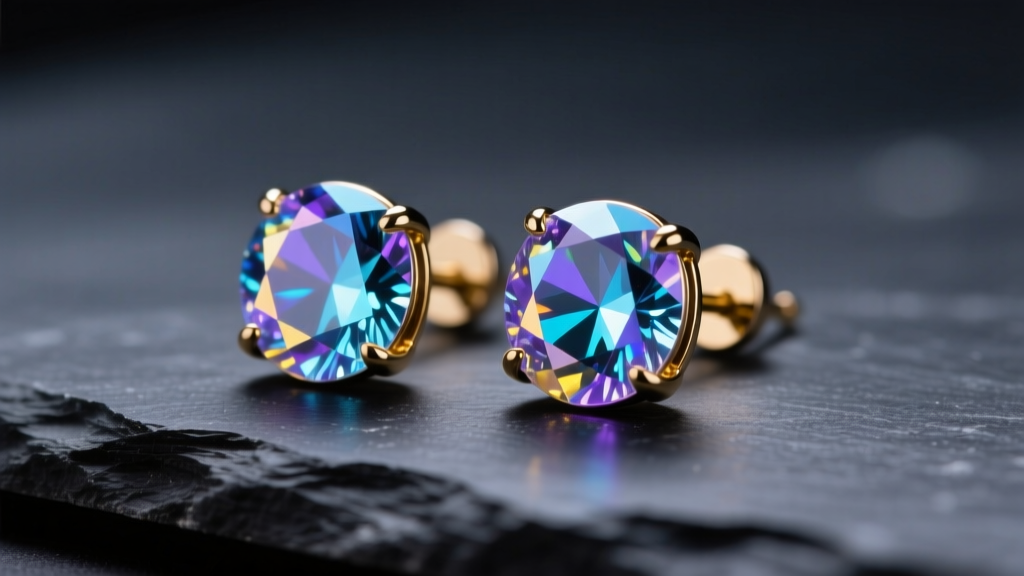
Mystic topaz earrings are renowned for their kaleidoscopic play of color, shifting from deep greens and purples to vibrant golds and pinks. However, to properly care for these gemstones, you must first understand their unique anatomy. Mystic topaz is not a naturally occurring colored stone. According to the Gemological Institute of America (GIA), it begins as a natural, colorless white topaz that undergoes a Chemical Vapor Deposition (CVD) process. During CVD, a microscopically thin layer of titanium is bonded to the pavilion (the bottom facets) of the stone, creating the signature iridescent effect.
While natural topaz ranks at an impressive 8 on the Mohs hardness scale, as noted by the Mindat.org mineral database, the titanium coating is incredibly delicate. The coating is only a few microns thick. If you treat mystic topaz earrings like standard diamonds or sapphires, you risk scratching, peeling, or completely stripping the optical coating, leaving you with a dull, colorless stone. This guide provides a meticulous, step-by-step framework for cleaning and maintaining your mystic topaz jewelry in 2026 and beyond.
Step-by-Step Guide: How to Clean Mystic Topaz Earrings Safely
Because the titanium film is applied to the pavilion and usually protected by the setting, the crown (top) of the stone is just bare topaz. However, dirt, sebum, and cosmetic residue accumulate around the girdle and the earring post, requiring a gentle approach to avoid damaging the setting or the coating edges.
Step 1: Prepare a Phosphate-Free Cleaning Solution
Fill a small glass bowl with lukewarm distilled water. Tap water contains minerals and chlorine that can leave microscopic water spots or react with the sterling silver settings often used for these earrings. Add exactly two drops of a mild, phosphate-free dish soap (such as original Dawn). Phosphates and harsh degreasers can degrade the adhesive integrity of the coating over time. Avoid any soaps containing moisturizing beads, citrus extracts, or antibacterial agents, as these leave a cloudy film on the topaz crown.
Step 2: The 60-Second Soak
Submerge your mystic topaz earrings in the solution for no longer than 60 seconds. While topaz itself is not porous, prolonged exposure to water can seep into microscopic fissures between the gemstone girdle and the metal prongs. If your earrings feature a 925 sterling silver setting with rhodium plating, extended soaking can also accelerate the breakdown of the rhodium flash, leading to premature tarnishing of the underlying silver.
Step 3: Gentle Agitation with a Soft Brush
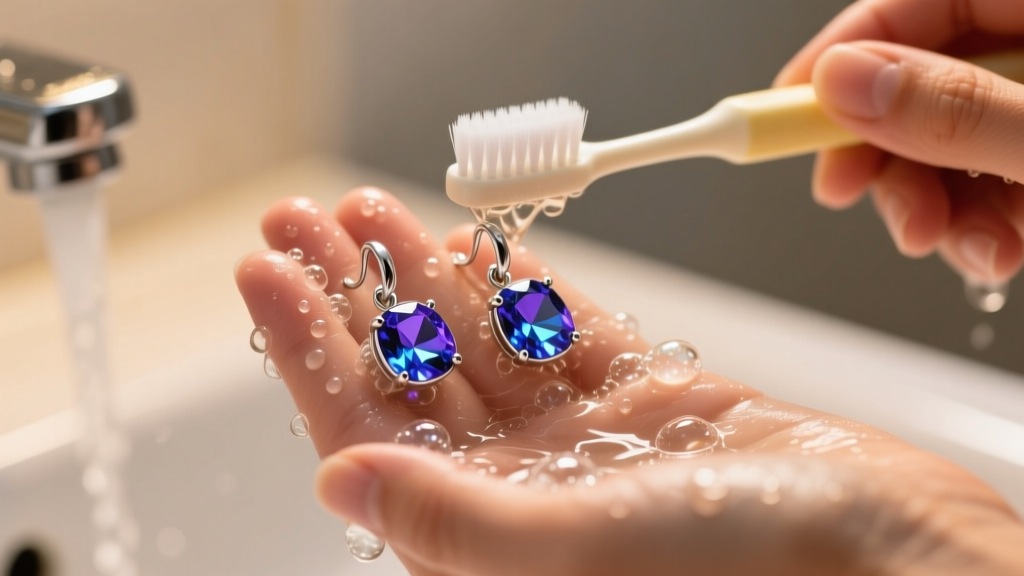
Remove the earrings from the bowl and use an extra-soft baby toothbrush to gently sweep away debris. Focus on the back of the setting where hair products and dead skin cells accumulate. Never scrub the pavilion directly if it is exposed in a bezel or open-back setting. Always brush in a single direction away from the girdle to prevent pushing abrasive particles under the metal prongs, which could scratch the titanium layer.
Step 4: Rinsing and Drying
Rinse the earrings briefly under a gentle stream of lukewarm distilled water. Do not use the sink stopper; always use a strainer to prevent losing a loose stone down the drain. Pat the earrings dry with a clean, lint-free microfiber cloth. Never use paper towels or tissue paper, as they contain wood pulp fibers that can inflict micro-scratches on the topaz crown and the polished metal setting.
Critical Maintenance: The Danger Zone of Gemstone Cleaners
The most common failure mode for mystic topaz earrings occurs when owners mistakenly use commercial jewelry cleaning methods. Because the base stone is topaz, many assume standard cleaning protocols apply. The table below outlines exactly what will destroy your earrings and what is safe to use.
| Cleaning Method / Agent | Effect on Mystic Topaz | Verdict |
|---|---|---|
| Ultrasonic Cleaners | High-frequency vibrations shatter the titanium coating and loosen prongs. | DESTRUCTIVE |
| Steam Cleaners | Thermal shock causes micro-fractures in the CVD film, leading to peeling. | DESTRUCTIVE |
| Silver Dip / Ammonia | Chemical burn that instantly strips the iridescent coating and ruins plating. | DESTRUCTIVE |
| Baking Soda Paste | Abrasive particles scratch the topaz crown and wear down the rhodium plating. | DESTRUCTIVE |
| Mild Soap & Distilled Water | Safely lifts oils without compromising the coating or metal integrity. | SAFE |
| Microfiber Polishing Cloth | Removes fingerprints from the crown without scratching the surface. | SAFE |
Expert Warning: If your mystic topaz earrings are set in oxidized (blackened) sterling silver, never use liquid silver cleaners. The chemicals will strip the intentional oxidation and permanently alter the contrast of your earring setting.
Earring Anatomy: Settings, Gauges, and Longevity
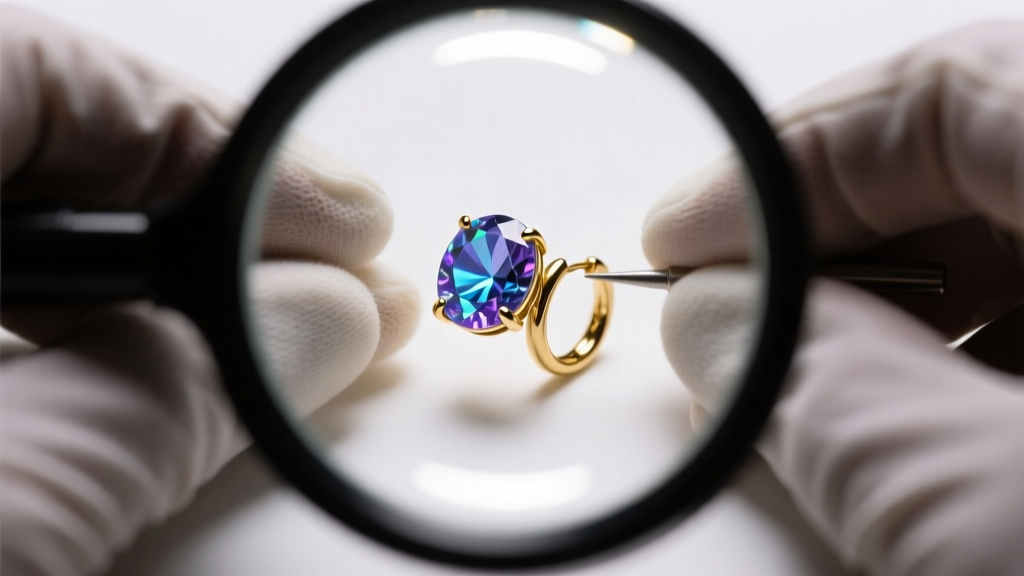
The longevity of your mystic topaz earrings is heavily dictated by how the stone is set and the hardware used to secure it to your ear. When purchasing or inspecting your jewelry, pay close attention to these structural details:
Prong vs. Bezel Settings
A bezel setting is vastly superior for mystic topaz. Because the titanium coating is most vulnerable at the girdle (the outer edge of the stone), a full or partial bezel wraps the metal around the edge, protecting it from lateral impacts and preventing the coating from chipping against hard surfaces. Prong settings, while allowing more light to enter the stone, leave the girdle exposed. If you own prong-set mystic topaz studs, you must be hyper-vigilant about removing them before changing clothes or brushing your hair, as snagging can bend a prong and expose the fragile coating to friction.
Post Gauge and Earring Backs
Standard mystic topaz studs typically utilize a 20-gauge (0.8mm) post, while heavier drop or dangle styles may use an 18-gauge (1.0mm) post for structural integrity. A thicker post resists bending, which is crucial because a bent post can warp the setting basket, putting uneven pressure on the coated pavilion and potentially causing the stone to pop out. Furthermore, opt for screw-backs or secure friction backs rather than standard butterfly clutches. Butterfly clutches often trap sebum and hair products against the back of the earlobe, creating an acidic environment that can slowly degrade the silver setting and the bottom of the stone over months of continuous wear.
Daily Wear and Storage Protocols
To maximize the lifespan of the CVD coating, adopt a strict 'last on, first off' policy. Mystic topaz earrings should be the final accessory you put on after applying hairspray, perfumes, and lotions, and the very first thing you remove when you get home. The alcohols and solvents found in cosmetics are aggressive enough to dull the titanium film over time.
When storing your earrings, never toss them into a communal jewelry box. Topaz can easily scratch softer gemstones, but the metal settings of other jewelry can scratch the topaz crown or dent the delicate prongs holding your mystic stones. Store each pair individually in a soft, anti-tarnish flannel pouch or a dedicated compartment lined with acid-free tissue paper. Keep them in a climate-controlled environment; extreme humidity accelerates the tarnishing of sterling silver settings, which can transfer unsightly black sulfur compounds to the crevices of your earrings, requiring more frequent (and risky) cleaning cycles.
When to Seek Professional Jeweler Help
If your mystic topaz earrings become heavily tarnished in the setting crevices, or if a prong becomes loose, do not attempt DIY repairs. Take them to a bench jeweler who has specific experience with coated gemstones. Instruct them explicitly that the stones are CVD-coated mystic topaz. A knowledgeable jeweler will use a low-speed flex shaft with a soft cotton buff and a non-abrasive rouge to polish the metal without touching the stone. If the titanium coating has already begun to peel or scratch, unfortunately, the stone cannot be recoated locally; the jeweler will need to source a replacement calibrated mystic topaz to remount into your existing setting, a process that is generally quite affordable given the accessible price point of these unique gemstones.


