How to Open Huggie Earrings: Fix Stuck Clickers & Hinges
Learn how to open huggie earrings safely. Troubleshoot stuck clickers, bent hinges, and debris with our expert step-by-step jewelry repair guide.

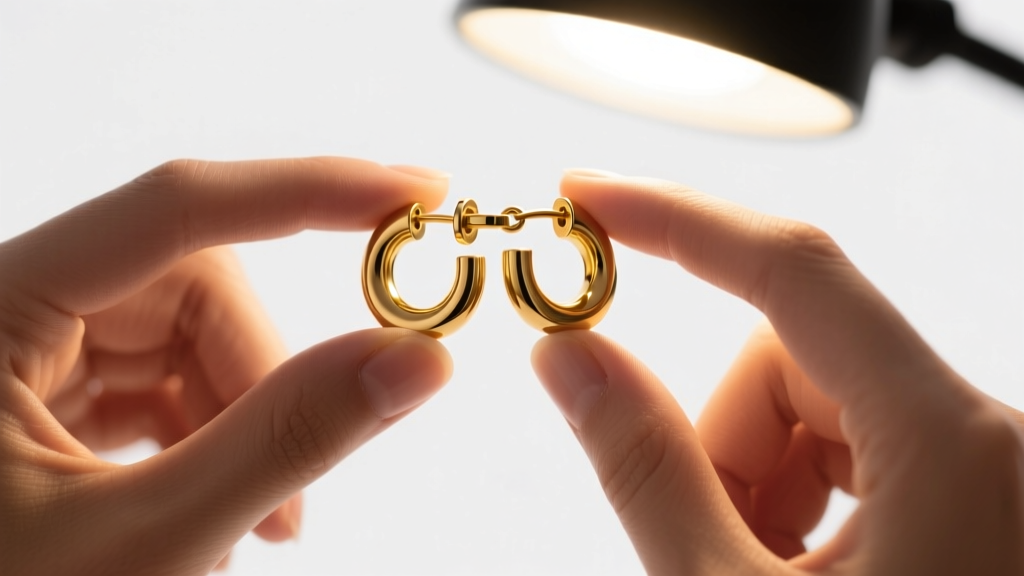
There are few jewelry frustrations more universal than a stuck huggie earring. Designed to hug the earlobe with a seamless, continuous profile, huggies rely on precision-engineered closures that can easily jam due to microscopic debris, warped metal, or misaligned pins. When you are trying to figure out how to open huggie earrings that refuse to budge, brute force is your worst enemy. Applying excessive pressure to a delicate 14k gold or titanium hoop will permanently warp the circle, ruining the tension required for the closure to snap shut again.
As jewelry specialists, we see hundreds of damaged huggies every year. The vast majority of these failures occur not during normal wear, but during the removal process. This comprehensive troubleshooting guide will walk you through the exact metallurgical and mechanical reasons your huggies are stuck, and provide professional, step-by-step methods to safely release them without a trip to the jeweler.
The Anatomy of a Stuck Huggie Earring
Before attempting to force the earring open, you must identify the specific closure mechanism. Huggies generally utilize one of three systems, each with distinct failure modes. Understanding the mechanics will dictate how you apply leverage.
| Closure Type | Mechanism | Common Failure Point | Typical Gauge |
|---|---|---|---|
| Clicker (Friction Fit) | A solid pin snaps into a hollow receiving tube via a tiny groove or detent. | Sebum, soap, or hard water calcium builds up inside the hollow tube, acting like cement. | 16g - 18g |
| Latch-Back (Hook) | A curved wire hooks over a corresponding catch on the opposite side of the hinge. | The wire hook bends slightly outward, failing to clear the catch when pulled. | 18g - 20g |
| Hinged Snap | A spring-loaded or tension-based post clicks into a grooved receiver. | The internal spring mechanism corrodes or the post becomes microscopically warped. | 14g - 16g |
Step-by-Step: How to Open Huggie Earrings That Won't Budge
If your earring is completely locked, do not immediately start pulling. Follow this triage protocol to safely release the tension.
Method 1: The Degreasing Soak (For Clickers and Snaps)
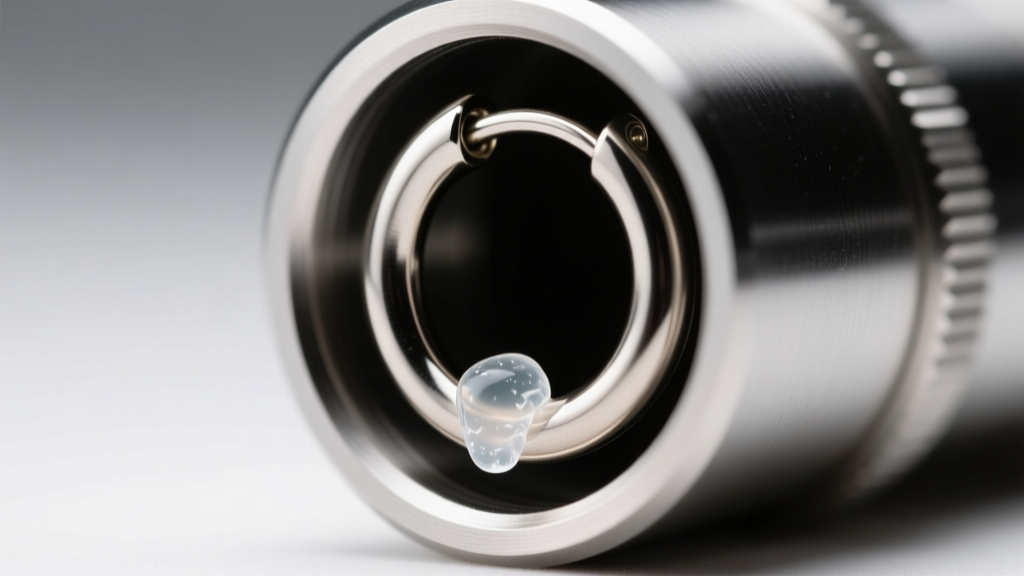
The most common culprit for a stuck clicker huggie is compacted debris inside the receiving tube. According to the Association of Professional Piercers (APP), body oils, dead skin cells, and lotion can calcify inside the tiny 1mm opening of a huggie tube, effectively gluing the pin in place.
- The Solution: Mix a few drops of mild, fragrance-free dish detergent (like Dawn) into a bowl of warm—not hot—water.
- The Process: Submerge the earring for 15 to 20 minutes. The warm water expands the metal microscopically, while the surfactants break down the lipid bonds of the trapped sebum.
- The Agitation: Use an extra-soft baby toothbrush to gently tap the seam where the pin meets the tube. Never scrub aggressively, especially on high-polish gold, to avoid micro-scratches.
- The Release: Dry the earring completely with a microfiber cloth. Moisture creates surface tension that can keep the pin stuck. Once dry, attempt to open it using the leverage technique described below.
Method 2: The Loupe and Needle Technique (For Misaligned Posts)
If cleaning doesn't work, the pin itself may be bent. This is incredibly common with 18-gauge and 20-gauge huggies, as the thinner metal lacks the structural rigidity of heavier gauges. If the pin is bent even a fraction of a millimeter, it will bind against the inner wall of the receiving tube.
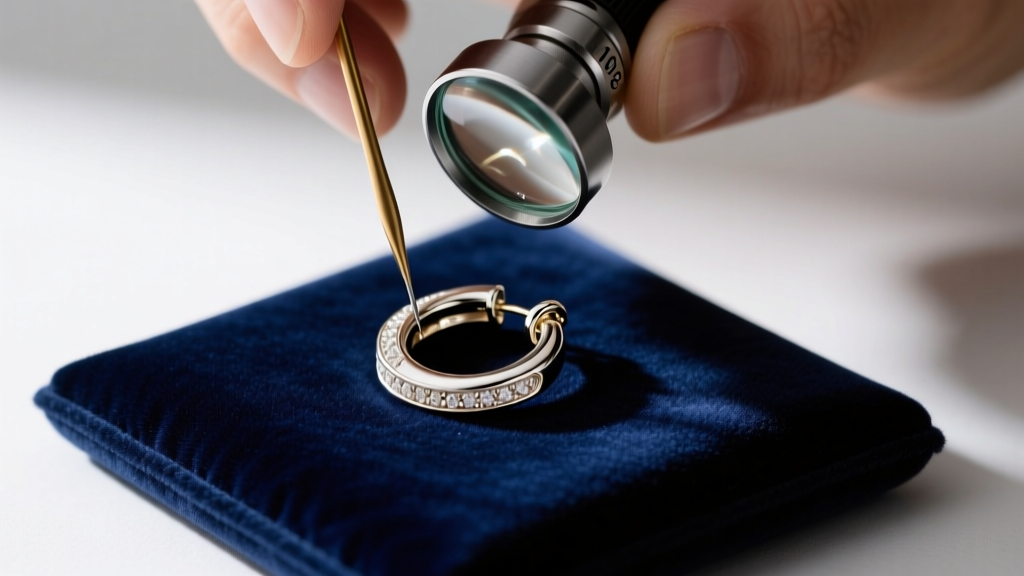
- Inspect: Use a 10x jeweler's triplet loupe to look directly into the seam. Check if the pin is sitting flush or if it is angled.
- Realign: If the pin is bent, do not use steel tweezers, which will scratch soft precious metals. Instead, use a fine wooden toothpick or a brass needle to gently guide the pin back into a straight alignment while applying gentle downward pressure on the hoop.
Method 3: The Hinge-First Leverage Technique
The biggest mistake people make is grabbing the two ends of the hoop (the pin and the tube) and pulling them apart like a wishbone. This stretches the bottom arc of the huggie, turning a perfect circle into an oval and destroying the hinge tension.
- Correct Grip: Hold the earring by the hinge and the center of the bottom arc.
- Correct Motion: Apply a gentle twisting torsion, pushing the hinged side slightly upward while pulling the bottom arc slightly downward. You want to pivot the earring open around the hinge axis, not stretch it apart.
- The Snap: A healthy clicker should open with a distinct, audible 'snap'. If it slides open silently, the detent groove is likely worn down and will need professional tightening.
Material Science: How Metal Hardness Affects Stuck Closures
The material of your huggie dictates how it fails and how you must handle it. The Gemological Institute of America (GIA) notes that alloyed gold is relatively soft compared to alternative metals, which drastically changes troubleshooting approaches.
- 14k and 18k Gold: Gold is malleable. If a gold huggie is stuck, it is usually because the hoop itself has been squeezed out of round during sleep or wear, misaligning the pin and tube. You can gently massage the hoop back into a perfect circle with your fingers before attempting to open the clasp.
- ASTM F136 Implant-Grade Titanium: Titanium is exceptionally hard and will not bend easily. However, titanium is susceptible to 'galling'—a form of wear caused by adhesion between sliding surfaces. If a titanium clicker is stuck, it is almost certainly due to debris or a manufacturing tolerance issue, not a bent hoop. Never force a titanium pin, as it will snap before it bends.
- Sterling Silver: Silver oxidizes rapidly. A black layer of silver sulfide can build up on the pin, increasing friction and preventing the clicker from sliding into the tube. A quick polish with a specialized silver cloth on the pin (avoiding any gemstones) will often resolve the friction issue immediately.
Critical Mistakes to Avoid
When frustration sets in, it is easy to make a permanent mistake. Never attempt the following:
- Using Pliers: Standard metal pliers will instantly crush the hollow receiving tube of a clicker huggie. If you must use tools, only use nylon-jawed jewelry pliers.
- Using Your Teeth: Human bite force exceeds 150 PSI, which is more than enough to crush delicate 18k gold hinges or chip enamel and gemstone inlays.
- Applying Lubricants: Never spray WD-40 or apply oils to a stuck earring. These chemicals can degrade porous gemstones like pearls, opals, or turquoise, and will leave a residue that attracts more dirt to the closure mechanism.
Preventative Maintenance for Huggie Closures
Troubleshooting a stuck huggie is entirely avoidable with a proactive maintenance routine. To ensure your clickers and latches operate flawlessly for years:
- The Monthly Ultrasonic Bath: If your huggies do not contain fragile stones (like emeralds or opals), run them through an ultrasonic jewelry cleaner for 3 minutes once a month. The cavitation bubbles will safely dislodge microscopic debris from inside the hollow clicker tubes.
- The Microfiber Wipe: Before storing your huggies, wipe the pin and the hinge with a dry microfiber cloth to remove acidic sweat and lotion residue.
- Proper Storage: Store huggies individually in soft pouches or compartmentalized jewelry boxes. Tangled huggies in a communal jewelry box are the leading cause of bent latch-back hooks.
When to See a Professional Jeweler
If you have attempted the soaking, loupe inspection, and proper leverage techniques without success, stop immediately. Forcing a high-end huggie earring will result in a repair bill far exceeding the cost of a professional adjustment. A bench jeweler can safely use a laser welder to rebuild a worn clicker detent, or use specialized mandrels to reshape a warped hoop without stressing the hinge solder joint. Remember that precision jewelry requires precision handling; when in doubt, hand it to a professional.


