Teal and Gold Earrings: A Beginner's Styling Guide
Discover how to choose, style, and care for teal and gold earrings. Our beginner guide covers gemstones, gold karats, and face-shape pairings.

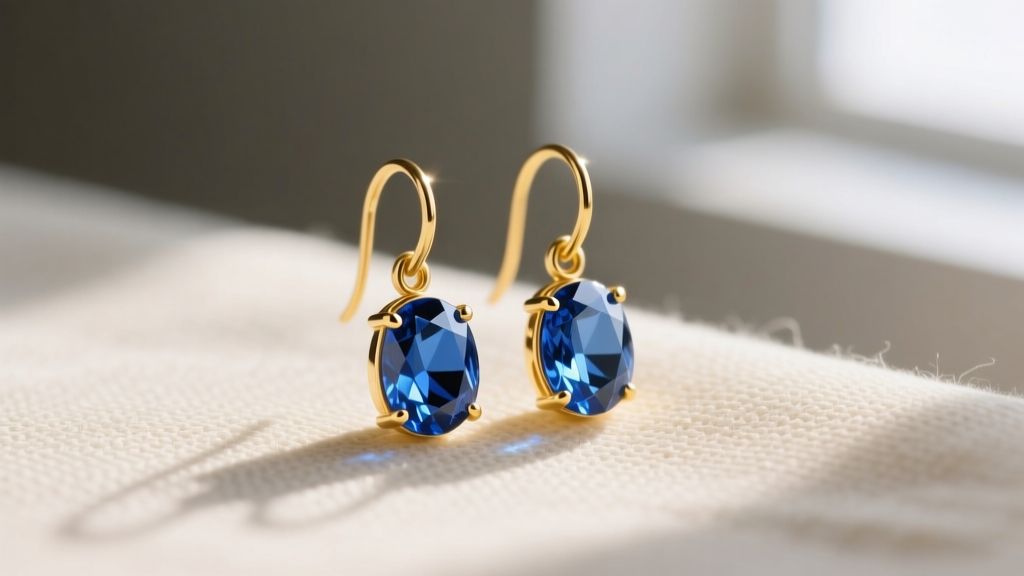
When building a versatile yet striking jewelry collection, few color combinations command attention quite like teal and gold. The interplay between the cool, aquatic depths of teal and the warm, luminous glow of gold creates a high-contrast luxury aesthetic that flatters nearly every skin tone. However, for beginners, navigating the world of teal and gold earrings can be surprisingly complex. The term "teal" encompasses a wide variety of gemstones and materials, each with distinct durability profiles, while "gold" varies wildly in karat, alloy, and structural integrity.
This comprehensive beginner-friendly explainer will decode the materials, guide you through structural considerations for different piercings, and provide a practical framework for styling these statement pieces based on your unique facial geometry.
Decoding the Teal: Gemstones vs. Enamel
The first step in selecting your earrings is understanding what actually provides the "teal" color. Jewelers typically use one of four materials to achieve this specific blue-green hue: Blue Apatite, Amazonite, Turquoise, or Vitreous Enamel. According to the Gemological Institute of America (GIA), understanding the Mohs hardness scale is critical before purchasing, as it dictates how well the stone will survive daily wear.
| Material | Mohs Hardness | Avg. Price Range (Studs/Drops) | Best For | Primary Vulnerability |
|---|---|---|---|---|
| Blue Apatite | 5.0 | $45 - $120 | Occasional wear, evening drops | Scratching, hard impacts |
| Amazonite | 6.0 - 6.5 | $30 - $90 | Everyday studs, casual hoops | Cleavage (splitting along planes) |
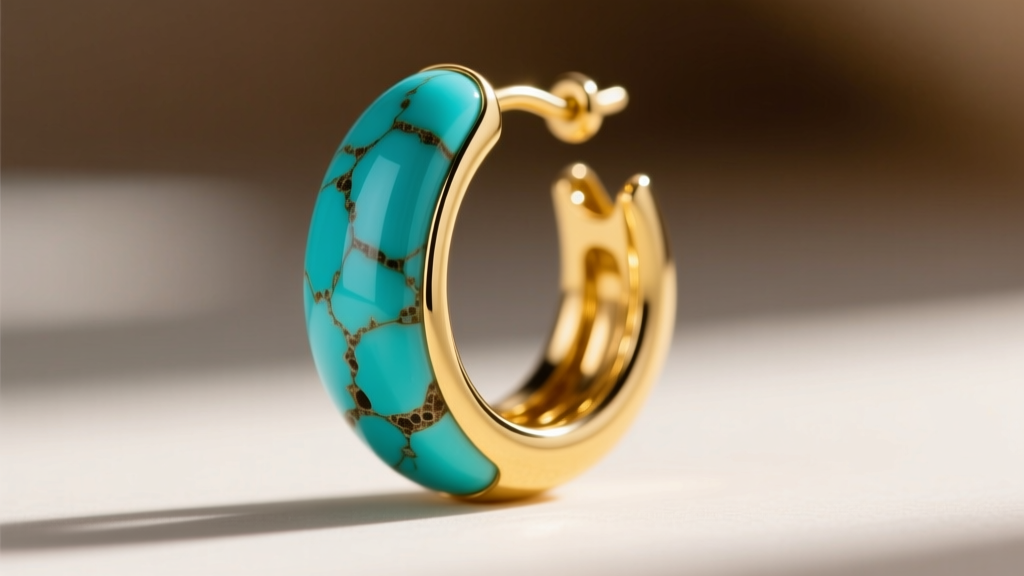
| Turquoise (Stabilized) | 5.0 - 6.0 | $80 - $300+ | Statement pieces, huggies | Chemical damage, porosity |
| Vitreous Enamel | 5.5 - 7.0 (Glass) | $25 - $150 | Minimalist geometric designs | Chipping, thermal shock |
For beginners looking for an everyday stud, Amazonite is often the most forgiving and budget-friendly natural stone. If you prefer a flawless, opaque, and highly saturated teal, Vitreous Enamel set in gold is the superior choice, provided you are careful not to drop them on hard tile floors.
The Gold Factor: Alloys, Karats, and Colors
Gold in its purest form (24k) is far too soft for jewelry, especially for earrings that bear weight on a small surface area of the earlobe. Therefore, gold is alloyed with other metals. The karat (k) system denotes the purity, with 14k (58.5% gold) and 18k (75% gold) being the industry standards for fine jewelry, as noted by Jewelers of America.
Yellow Gold vs. Rose Gold vs. White Gold
- Yellow Gold (14k or 18k): The traditional choice. The warm, buttery tones of yellow gold create a complementary contrast with teal, making the blue-green hues appear richer and more vibrant. 14k yellow gold is highly recommended for ear wires and posts due to its superior tensile strength.
- Rose Gold: Alloyed with copper, rose gold introduces a pinkish undertone. When paired with teal, it creates a vintage, almost Art Deco aesthetic. However, copper can cause allergic reactions in those with highly sensitive skin.
- White Gold: Rhodium-plated white gold offers a sleek, modern, and icy contrast to teal. It allows the cool tones of the stone to take center stage without the warmth of yellow gold interfering.
Lobe vs. Cartilage: Gauge and Weight Considerations
A common beginner mistake is ignoring the physical weight of the earring relative to the piercing placement. Teal gemstones, particularly opaque ones like turquoise and amazonite, are denser than faceted quartz or glass.
Standard Lobe Piercings (20g - 18g)
Standard lobe piercings are typically done at 20-gauge (0.81mm) or 18-gauge (1.02mm). If you are purchasing heavy teal drop earrings, ensure the gold post is at least 18k or a thick 14k to prevent bending. For drops exceeding 1.5 inches in length, look for designs that feature a "jacket" or an ear-cuff backing to distribute the weight across the cartilage ridge, preventing the dreaded "sagging lobe" effect over time.
Cartilage and Helix Piercings (16g - 14g)
Cartilage is thicker and less vascularized than the lobe, meaning it takes longer to heal and is more prone to irritation bumps (hypertrophic scarring) if subjected to excessive movement or weight. If you want teal and gold earrings for a helix piercing, opt for lightweight 16-gauge gold clickers or small huggies with inlaid teal enamel. Avoid dangling teal stones on fresh or even semi-healed cartilage piercings, as the pendulum effect will irritate the fistula.
Silhouette and Face Shape Pairings
Because teal and gold is a bold, high-contrast combination, the silhouette of the earring will draw immediate attention to your jawline and cheekbones. Use this framework to match the earring shape to your face geometry:
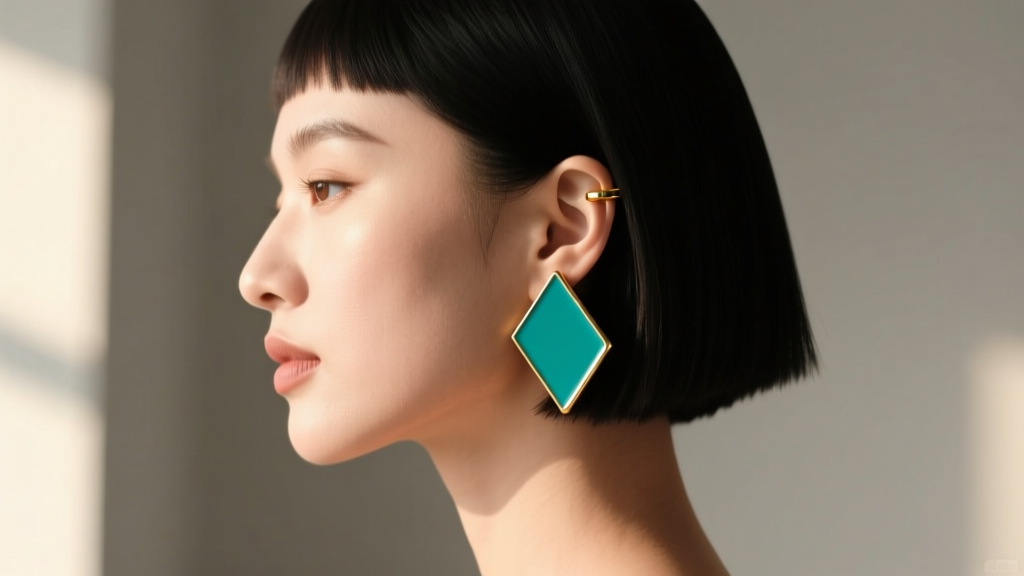
- Round Faces: Avoid small, round teal studs or circular hoops, which can exaggerate facial roundness. Instead, opt for elongated, angular teal drop earrings or rectangular emerald-cut apatite stones set in gold. The vertical lines help elongate the face.
- Square Faces: Soften a strong, angular jawline with curved silhouettes. Teal and gold hoop earrings, or oval-shaped cabochon turquoise drops, will add softness and balance to your features.
- Heart-Shaped Faces: With a wider forehead and a narrow chin, teardrop-shaped teal earrings or chandeliers that are wider at the bottom will beautifully balance your proportions, drawing the eye downward and adding visual weight to the lower half of the face.
- Oval Faces: The universal shape. You can confidently pull off everything from bold, oversized teal enamel geometric studs to delicate, trailing gold and amazonite threader earrings.
Everyday Care: Protecting Porous Stones and Soft Alloys
Maintaining the brilliance of teal and gold earrings requires a specific care routine, primarily because many teal stones are highly porous. As detailed in GIA's Turquoise Guide, stones like turquoise and untreated amazonite can absorb oils, lotions, and even perspiration, which can permanently alter their color or cause the matrix to degrade.
Expert Rule of Thumb: Always put your teal and gold earrings on after applying makeup, perfume, and hairspray, and take them off before showering or exercising. "Last on, first off" is the golden rule for porous gemstones.
Cleaning Protocol
- Never use ultrasonic cleaners: The high-frequency vibrations can easily fracture apatite, shatter enamel, and strip the stabilizing resins from turquoise.
- Use a damp microfiber cloth: For routine cleaning, gently wipe the gold and the stone with a slightly damp, lint-free cloth.
- Mild soap for stubborn grime: If the gold settings are dull, use a drop of mild, phosphate-free dish soap and a baby-soft toothbrush to gently clean only the gold. Avoid scrubbing the teal stone directly.
- Storage: Store your earrings in a lined jewelry box away from direct sunlight. Prolonged UV exposure can cause certain dyed teal stones and vintage enamels to fade or become brittle over time.
By understanding the gemological properties of your stones, selecting the appropriate gold alloy for your lifestyle, and matching the silhouette to your unique features, you can confidently integrate teal and gold earrings into your daily rotation. This striking combination is more than just a passing trend; it is a timeless study in color theory and material contrast that will elevate any jewelry collection.


