The Beginner’s Guide to Choosing the Perfect Rose Gold Earring
Discover how to choose the perfect rose gold earring. Learn about 14k vs 18k alloys, nickel allergies, and pricing in our beginner-friendly guide.

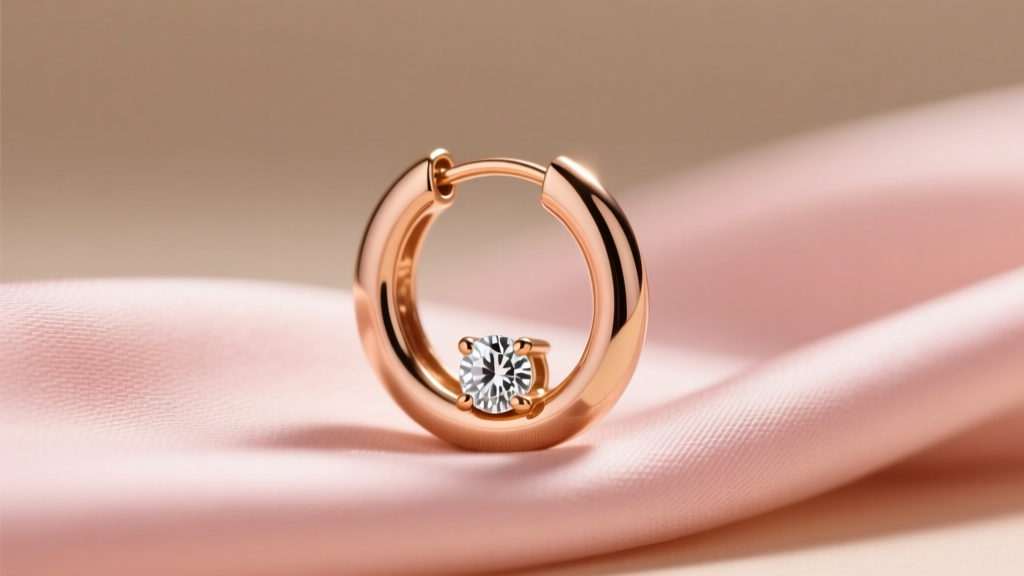
Walking into a jewelry store or browsing online can feel overwhelming, especially when you are trying to buy your very first rose gold earring. The warm, romantic, and distinctly modern hue of rose gold has dominated jewelry trends for years, but not all rose gold is created equal. As a beginner, you might wonder why one pair of studs costs $80 while another costs $800, or why your ears get itchy with certain metals. This comprehensive guide will demystify the alloy science, karat differences, and pricing structures you need to know before making your purchase.
What Exactly is a Rose Gold Earring? The Alloy Science
To understand rose gold, you first have to understand pure gold. Pure gold (24k) is naturally a rich, buttery yellow and is far too soft to be used in everyday jewelry. If you wore 24k gold hoops, they would bend and warp within days. To make gold durable enough for an earring post or a huggie hoop, metallurgists must mix it with other, stronger metals. This mixture is called an alloy.
According to the Gemological Institute of America (GIA), the signature pinkish-red hue of rose gold comes primarily from copper. The higher the copper content, the redder the metal will appear. However, copper alone can make the metal too brittle or dark, so a small amount of silver or zinc is often added to balance the color and improve the metal's workability. When you buy a rose gold earring, you are essentially buying a carefully calibrated recipe of gold, copper, and silver.
14k vs. 18k Rose Gold: Which Should You Buy?
The most common decision you will face is choosing between 14k and 18k rose gold. The 'k' stands for karat, which indicates the proportion of pure gold in the alloy out of 24 parts. Here is how the two most popular options compare in the real world:
| Feature | 14k Rose Gold | 18k Rose Gold |
|---|---|---|
| Gold Content | 58.3% | 75.0% |
| Copper Content | ~36.0% | ~22.0% |
| Color Tone | Vibrant Pink/Rose | Soft Peach/Champagne |
| Durability | High (Ideal for daily wear) | Moderate (Prone to scratching) |
| Price Point | Moderate | Premium |
For a beginner buying their first everyday earring, 14k rose gold is generally the superior choice. Because it contains more copper and less pure gold, it is significantly harder and more resistant to scratching. This makes it perfect for huggies, threadless cartilage studs, and sleepers. Furthermore, the higher copper content gives 14k rose gold that highly sought-after, vibrant pink tone. Conversely, 18k rose gold has a softer, more muted peachy-champagne color and is better suited for special-occasion pieces like diamond drop earrings that won't endure daily friction.
Solid, Vermeil, or Plated? Understanding the Construction
One of the biggest beginner traps is confusing gold-plated jewelry with solid gold. The price tag usually reveals the truth, but knowing the terminology will save you from buyer's remorse.
- Gold Plated (Flash Plated): A microscopic layer of rose gold (usually less than 0.5 microns) is electroplated over a base metal like brass or copper. It is cheap ($20-$50) but will tarnish, fade, and expose the base metal within a few months of daily wear.
- Gold Vermeil: The Federal Trade Commission (FTC) strictly regulates the term 'vermeil.' To qualify, the jewelry must have a sterling silver base and be plated with a minimum of 2.5 microns of gold. Vermeil rose gold earrings ($60-$150) are a great budget-friendly alternative to solid gold, but they will still eventually wear down if you sleep or shower in them.
- Solid Rose Gold: The metal is rose gold all the way through. It will never fade, tarnish, or rub off. It is an investment piece ($200+) that can be passed down through generations.
The Sensitive Ear Dilemma: Copper, Nickel, and Allergies
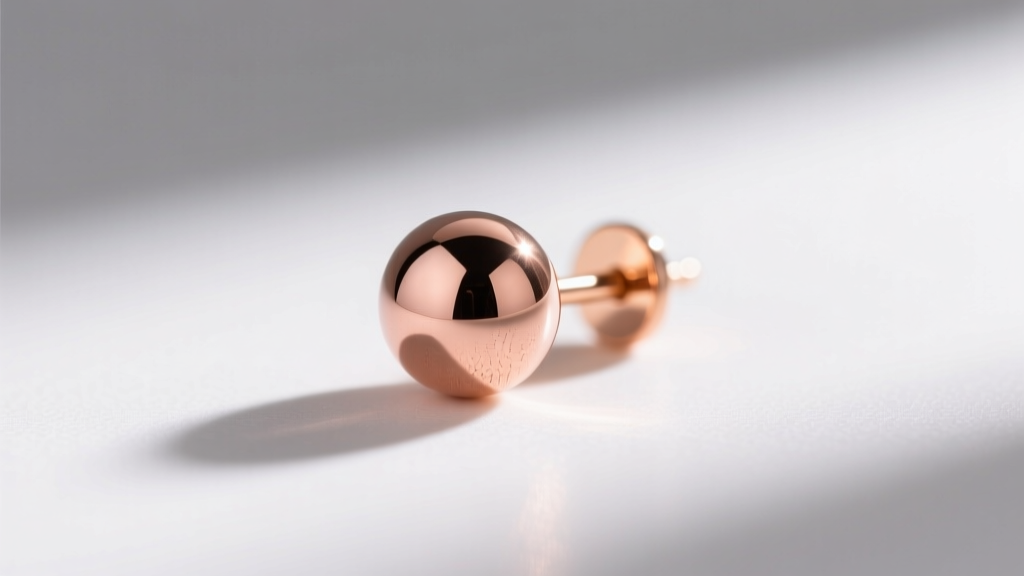
If you have sensitive ears, you might be hesitant to try new metals. A common myth is that the copper in rose gold causes allergic reactions. In reality, copper allergies are exceedingly rare. The actual culprit in most jewelry allergies is nickel.
While high-quality rose gold alloys rely on copper and silver for strength, some lower-tier manufacturers sneak nickel into the alloy mix to cut costs or alter the color. According to the Mayo Clinic, nickel allergy is a very common cause of allergic contact dermatitis, resulting in itchy, red, and swollen earlobes. When shopping for a rose gold earring, always look for a 'nickel-free' guarantee from the jeweler. If you have extreme metal sensitivities, consider earrings that feature a solid 14k rose gold decorative front, but utilize an implant-grade titanium post that passes through the piercing.
Pricing Expectations: What Should a Real Rose Gold Earring Cost?
Understanding market pricing will help you spot a scam or an incredible deal. While prices fluctuate based on the global gold market and brand markups, here is a realistic baseline for solid 14k rose gold earrings in the current market:
- Simple 14k Rose Gold Ball Studs (3mm - 5mm): $80 to $150 per pair.
- 14k Rose Gold Huggie Hoops (Plain, no gems): $150 to $300 per pair.
- 14k Rose Gold Threadless Cartilage Studs (with small gem): $120 to $250 each (often sold individually).
- 14k Rose Gold Statement Drop Earrings: $400 to $1,200+ depending on weight and gemstones.
If you see a pair of 'solid 14k rose gold' hoop earrings selling for $35, you are likely looking at a mislabeled plated product. Always check the product specifications for stamps like '14k', '585', or '18k'.
Care and Maintenance: Preventing the 'Copper Fade'
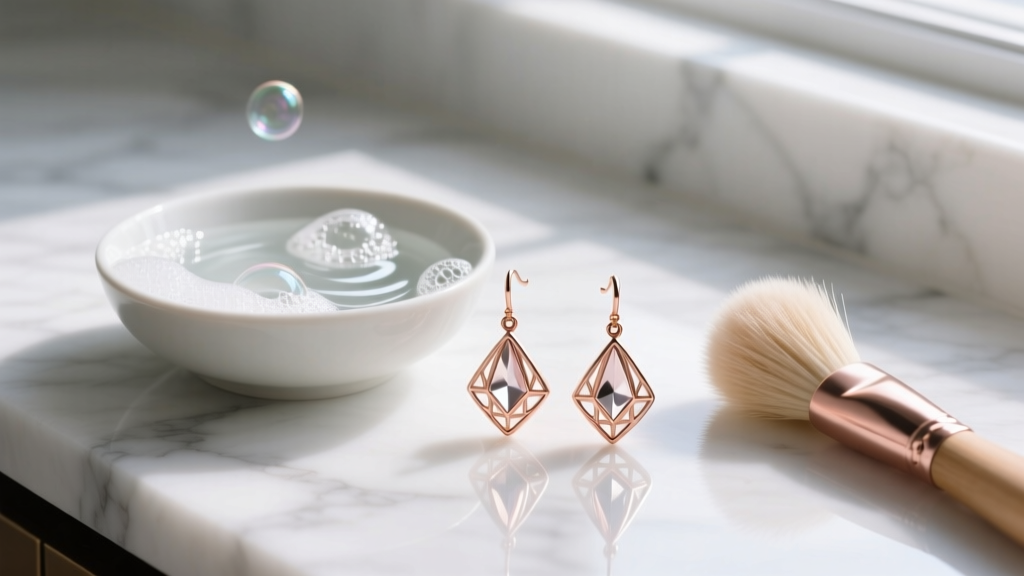
Because rose gold contains a high percentage of copper, it is slightly more reactive to environmental factors than yellow or white gold. Over time, exposure to oxygen, sweat, and chemicals can cause the copper to oxidize, leading to a dull, slightly darker patina. While some people love this vintage look, most prefer their earrings to stay bright and shiny.
Expert Care Tip: Never wear your rose gold earrings in a chlorinated pool or hot tub. Chlorine reacts aggressively with copper and can permanently discolor or even weaken the structural integrity of the alloy. Always remove them before swimming.
To clean your rose gold earrings at home, simply mix a few drops of mild, phosphate-free dish soap into a bowl of warm water. Let the earrings soak for 10 to 15 minutes, then gently scrub them with an ultra-soft baby toothbrush to remove lotion buildup and dead skin cells from the posts and clasps. Rinse thoroughly with distilled water and pat dry with a microfiber cloth. Avoid harsh commercial jewelry dips, as they can strip the polished finish and leave the metal looking matte and cloudy.
Final Verdict: Your First Rose Gold Purchase
Choosing your first rose gold earring doesn't have to be a guessing game. By prioritizing solid 14k gold for everyday durability, verifying that the alloy is completely nickel-free, and committing to a gentle cleaning routine, you will secure a beautiful, warm-toned accessory that lasts a lifetime. Whether you opt for a subtle cartilage stud or a classic huggie hoop, understanding the metallurgy behind the jewelry ensures your investment is as smart as it is stylish.


