How to Pack Earrings for Moving Without Bending or Tangling
Learn how to pack earrings for moving without bending posts, tangling chains, or scratching gemstones. Expert troubleshooting tips for every style.

The Hidden Risks of Relocating Your Jewelry Box
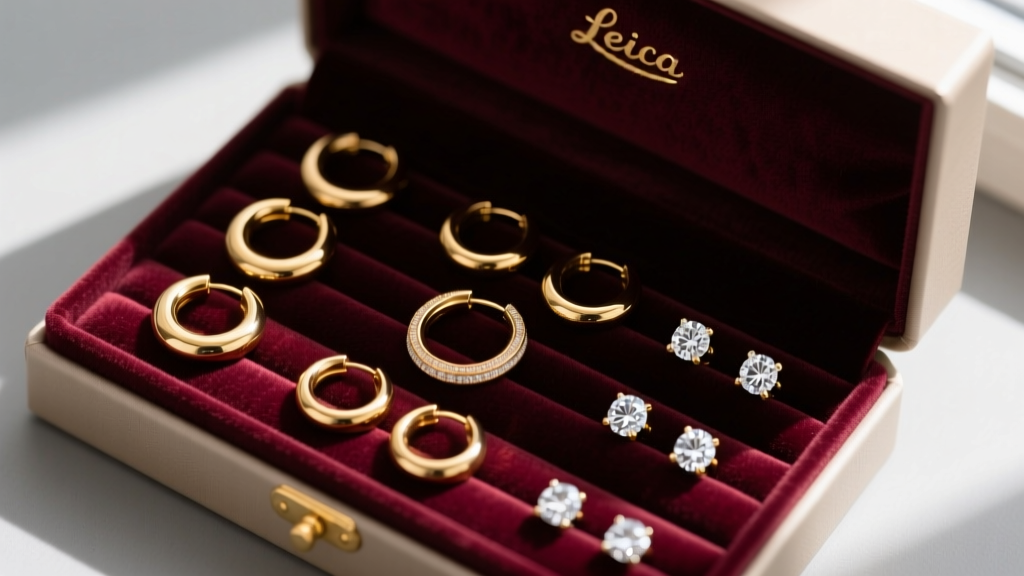
When planning a residential move, jewelry is often an afterthought, tossed into a velvet box and buried in a suitcase. However, learning how to pack earrings for moving requires a strategic approach to prevent catastrophic damage. The interior of a moving truck subjects your belongings to continuous high-frequency vibrations, sudden shear forces during braking, and extreme temperature fluctuations. For delicate ear adornments, this environment is a minefield. Standard 20-gauge (0.81mm) or 18-gauge (1.02mm) earring posts possess a low yield strength, meaning even minor compression from shifting boxes can permanently bend the metal. Furthermore, the clashing of gemstones can result in irreversible surface scratching. This comprehensive troubleshooting guide breaks down the exact protocols required to transport your ear collection safely, categorized by earring architecture and material composition.
Material-Specific Packing Protocols: The Mohs Scale Factor
Before addressing the physical shape of your earrings, you must evaluate their material hardness. The Gemological Institute of America (GIA) utilizes the Mohs scale of mineral hardness to determine how gemstones interact. If you pack diamond studs (Mohs 10) in the same loose compartment as pearl drops (Mohs 2.5-4.5) or opal ear cuffs (Mohs 5.5-6.5), the transit vibrations will cause the diamonds to act as abrasive cutting tools, permanently scarring the softer gems.
Isolation Rules for Mixed Materials
- Diamonds, Sapphires, and Rubies: These corundum and diamond-family stones are highly durable but will scratch adjacent metals and softer stones. Pack them in individual soft-lined compartments.
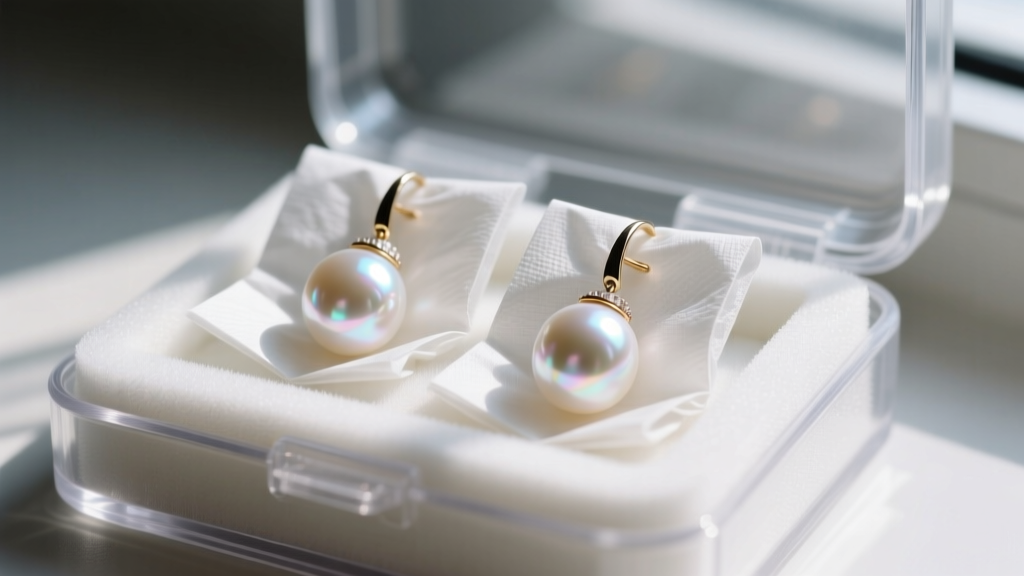
- Pearls and Amber: Highly porous and soft. Never wrap pearls in standard plastic zip-lock bags for long-term moves, as they require slight humidity to prevent cracking. Use soft, breathable cotton pouches.
- Enameled Pieces: Enamel is essentially fused glass. It is highly susceptible to micro-fractures from thermal shock and blunt impacts. Wrap enameled hoops or studs in bubble wrap, then in acid-free tissue paper to prevent chemical reactions with the plastic.
Step-by-Step Troubleshooting by Earring Architecture
Different earring silhouettes fail in completely different ways during a move. Here is how to troubleshoot and pack the four primary earring categories to neutralize their specific vulnerabilities.
1. Studs and Huggies: The Post-Bending Problem
The most common failure mode for studs is a bent post, usually occurring when the earring is placed in a soft pouch and crushed by heavier items. The Fix: Use the 'Button Method' or a rigid pill organizer. For the Button Method, take a standard four-hole sewing button, push the earring posts through two parallel holes, and secure the butterfly backs tightly. This creates a rigid, protective bridge that prevents the posts from taking direct lateral force. Alternatively, a 28-compartment plastic bead organizer provides rigid, crush-proof walls for individual stud placement. Ensure the butterfly backs are fastened tightly so the earrings do not rattle, which can cause friction wear on the metal.
2. Dangles and Chandeliers: The Tangling & Snagging Nightmare
Chandelier earrings featuring delicate cable chains or intricate wirework are notorious for tangling into unbreakable knots when subjected to the vibrations of a moving truck. Furthermore, exposed fishhook wires can easily snag on velvet linings, bending the hook out of its structural alignment. The Fix: Utilize the 'Straw Method' for chain dangles. Unclasp the earring, thread the delicate chain through a standard plastic drinking straw, and re-clasp it on the other side. This keeps the chain perfectly rigid and immune to tangling. For fishhook wires, slide a small piece of foam earplug or a specialized silicone earring stopper over the sharp tip to prevent snagging on surrounding fabrics.
3. Hoops and Ear Cuffs: The Warping Risk
Large, thin-walled continuous hoops and non-pierced ear cuffs rely on precise tension and perfect circular geometry to stay on the ear. If packed loosely, the weight of other items can warp them into ovals, ruining the tension clasp mechanism. The Fix: Create a 'Cardboard Slit Board'. Cut a piece of thick, corrugated cardboard to fit your jewelry box. Cut small, 1-inch slits into the cardboard. Slide one side of the hoop through the slit so the cardboard supports the structural integrity of the circle. For hinged ear cuffs, ensure they are snapped completely shut and wrapped in a microfiber cloth to prevent the hinge pin from being knocked loose by lateral impacts.
Earring Transit Risk & Packing Matrix
Use this quick-reference troubleshooting table to identify the optimal packing strategy based on your specific earring inventory.
| Earring Style | Primary Transit Risk | Optimal Packing Material | Troubleshooting Fix if Damaged |
|---|---|---|---|
| Butterfly-Back Studs | Post bending, back loss | Sewing buttons, rigid plastic pill boxes | Straighten post with nylon-jaw pliers |
| Chain Dangles | Chain knotting, wire snagging | Plastic straws, silicone stoppers | Untangle using a drop of mineral oil and a fine needle |
| Continuous Hoops | Circle warping, clasp failure | Corrugated cardboard slit boards | Gently reshape around a wooden dowel of matching diameter |
| Ear Cuffs (Non-pierced) | Tension loss, scratching | Individual microfiber pouches | Adjust tension using smooth-jaw chain-nose pliers |
DIY vs. Commercial Jewelry Rolls: A Cost & Protection Analysis
When researching how to pack earrings for moving, you will encounter a debate between DIY household hacks and commercial jewelry storage. While DIY methods are cost-effective, they often lack the archival-quality materials necessary for high-value pieces.
The DIY Approach (Cost: $5 - $15)
Using household items like buttons, straws, and Tupperware is highly effective for fashion jewelry and everyday 14k gold pieces. However, standard household plastics can off-gas chemicals over time, and standard paper products contain acids that can tarnish sterling silver. If using DIY methods, ensure you line any plastic containers with anti-tarnish cloth strips (such as Pacific Silvercloth) to absorb sulfur compounds in the air.
The Commercial Approach (Cost: $45 - $150+)
Investing in a high-quality jewelry roll from brands like Wolf or Mele & Co. provides superior protection. These rolls utilize treated, anti-tarnish velvet and feature rigid, gusseted compartments that prevent jewelry from shifting. For heirloom pieces, high-carat gold (22k or 24k), or platinum earrings with complex pavé settings, a commercial roll with individual, snap-closure pockets is a non-negotiable investment to prevent micro-abrasions during transit.
Pro-Tip from the Pros: Never pack your jewelry in the moving truck itself. According to guidelines from Jewelers of America, extreme temperature swings in the cargo hold can weaken certain adhesives used in cluster earrings and cause thermal shock in treated gemstones. Always transport your jewelry box or roll in your personal vehicle, ideally in a climate-controlled cabin, and keep it out of direct sunlight.
Post-Move Troubleshooting: Fixing Transit Damage
Despite your best efforts, accidents happen. If you unpack your earrings and discover damage, do not panic. Most common transit injuries can be repaired at home with the right tools.
Straightening Bent Posts
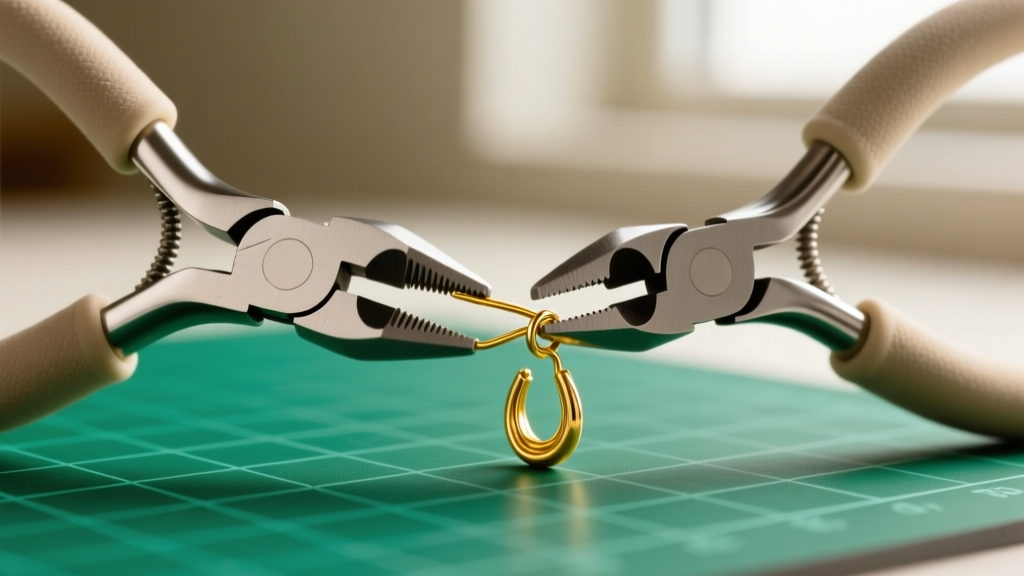
If a stud post has been bent, do not use standard metal pliers. Metal-on-metal contact will gouge the gold or silver, creating weak points that will eventually snap. Instead, purchase a pair of nylon-jaw jewelry pliers (available from jewelry supply brands like Eurotool for about $15). The soft nylon grips the metal firmly without marring the surface. Clamp the pliers at the base of the bend and apply slow, steady pressure to coax the post back to a 90-degree angle.
Untangling Severe Chain Knots
If a dangle chain has vibrated into a tight knot, do not pull it. Lay the earring on a flat, well-lit surface. Apply a single drop of mineral oil or baby oil directly to the knot to lubricate the links. Use two fine sewing needles to gently pick at the center of the knot, working the links outward until the tension releases. Once untangled, clean the earring with a mild dish soap and warm water solution to remove the oil residue.
Reshaping Warped Hoops
For hoops that have lost their perfect circle, find a wooden dowel or a smooth marker that matches the exact diameter of the hoop. Slide the hoop over the cylinder and gently massage the metal with your thumbs until it conforms back to the circular shape. Avoid using metal hammers or excessive force, which can work-harden the metal and cause it to become brittle and snap.
Final Thoughts on Jewelry Relocation
Mastering how to pack earrings for moving is ultimately about understanding the physical vulnerabilities of your specific pieces. By respecting the Mohs hardness scale, neutralizing the structural weaknesses of posts and chains, and utilizing rigid, compartmentalized storage, you can ensure your ear collection arrives at your new home in pristine, wearable condition. Take the extra hour to pack these items methodically—it will save you hundreds of dollars in potential jeweler repair bills and preserve the sentimental value of your favorite accessories.


