How to Layer and Style Gold Paperclip Earrings Like a Pro
Master the art of styling gold paperclip earrings. Learn step-by-step layering techniques, gauge sizing, and maintenance tips for 14k and 18k links.

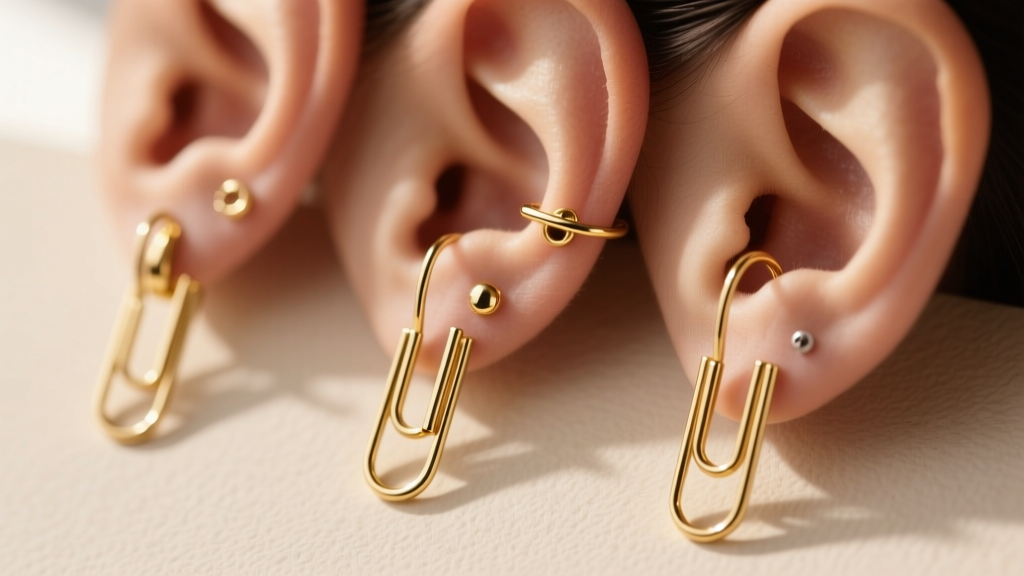
The elongated, geometric links of paperclip chains have transcended fleeting trends to become a permanent staple in modern ear curation. As we move through 2026, the demand for architectural, minimalist jewelry continues to dominate, and when shopping for paperclip earrings gold remains the undisputed metal of choice due to its hypoallergenic properties and timeless luster. However, styling these distinct rectangular links requires a strategic approach to proportion, gauge sizing, and structural maintenance.
Whether you are working with a standard double-lobe setup or a fully curated ear featuring helix and tragus piercings, this step-by-step guide will teach you how to layer, size, and maintain your gold paperclip earrings with professional precision.
The Structural Anatomy of Paperclip Links
Before layering, it is critical to understand the metallurgy and dimensions of your jewelry. Paperclip links are inherently more vulnerable to warping than traditional round cable chains because their elongated shape creates structural weak points at the rounded ends of each rectangular link.
14k vs. 18k Solid Gold: The Hardness Factor
According to the Gemological Institute of America (GIA), the Vickers Hardness (HV) of gold alloys varies significantly based on purity. 18k gold (75% pure gold) has an HV of roughly 110-120, making it relatively soft. 14k gold (58.3% pure gold) boasts an HV of 130-150. For paperclip earrings, 14k solid gold is structurally superior. The added alloy metals (like copper and silver) provide the tensile strength necessary to prevent the elongated links from stretching or snapping under the weight of a dangle charm.
Wire Gauge and Link Dimensions
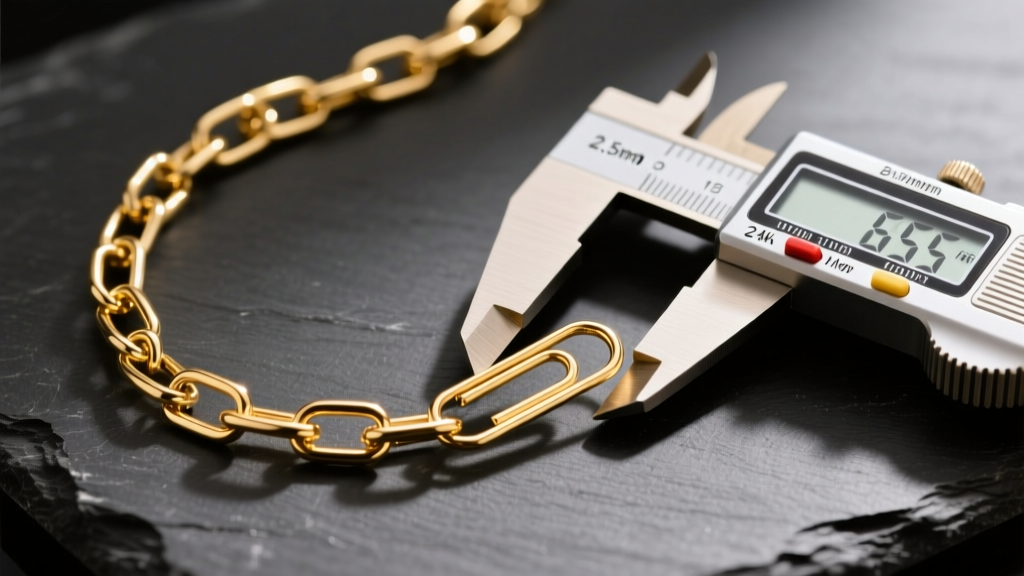
The thickness of the wire used to form the links dictates the earring's visual weight and durability. When selecting your pieces, refer to these industry-standard dimensions:
- Micro Links (1.2mm wire): Best for delicate, lightweight layering. Prone to tangling.
- Standard Links (1.8mm - 2.0mm wire): The versatile sweet spot. Offers excellent durability for daily wear without looking bulky.
- Chunky Links (3.0mm+ wire): Ideal for standalone statement hoops or heavy cartilage clickers.
Step-by-Step Guide to Layering Paperclip Chains
Layering geometric shapes requires a staggered approach to prevent the links from overlapping awkwardly and catching on one another. Here is how to build a cohesive stack.
The 3-Piercing Lobe Cascade
The lobe cascade relies on descending lengths and alternating link orientations to create a waterfall effect.
- First Hole (Standard Lobe): Use a 10mm to 12mm paperclip huggie hoop or a short stud with a 15mm drop. This anchors the stack close to the face.
- Second Hole (Mid-Lobe): Select a 25mm to 30mm drop earring. If your first hole features horizontal links, choose a vertical-link paperclip chain for the second hole to create visual contrast.
- Third Hole (Upper Lobe): Opt for a sleek, 40mm elongated paperclip threadless end or a long dangle. Ensure the wire gauge here is at least 1.5mm to support the length without bending.
Cartilage and Helix Integrations
Integrating paperclip links into cartilage piercings requires careful attention to post gauges. The Association of Professional Piercers (APP) notes that most healed cartilage piercings accommodate 16-gauge (1.2mm) or 14-gauge (1.6mm) posts. When buying paperclip dangles for a flat or helix piercing, ensure the connecting jump ring is thick enough (at least 18-gauge) to slide securely over a 16g labret post without creating a friction gap that could harbor bacteria.
Pro Tip: Never sleep in elongated paperclip dangles, especially in cartilage piercings. The leverage created by the rectangular links can easily bend the internal threading or the post itself against the pillow.
Sizing and Proportion Matrix
Choosing the right link width and drop length is highly dependent on your facial structure and ear size. Use the matrix below to find your ideal proportions.
| Face / Ear Profile | Recommended Link Width | Ideal Drop Length | Best Clasp / Backing |
|---|---|---|---|
| Petite / Small Ears | 2mm - 3mm | 15mm - 25mm | Flat-back Labret / Push-pin |
| Average / Medium | 3mm - 5mm | 25mm - 40mm | Secure Lobster Clasp |
| Larger / Prominent Ears | 5mm - 8mm | 40mm - 60mm | Chunky Clicker Hinge |
How to Clean and Maintain Elongated Gold Links
The flat surfaces and tight corners of paperclip links make them magnets for sebum, dead skin cells, and cosmetic residue. Improper cleaning can easily warp the rectangular shape. Follow this exact protocol to maintain structural integrity.
The 10:1 Soak and Vector Brush Method
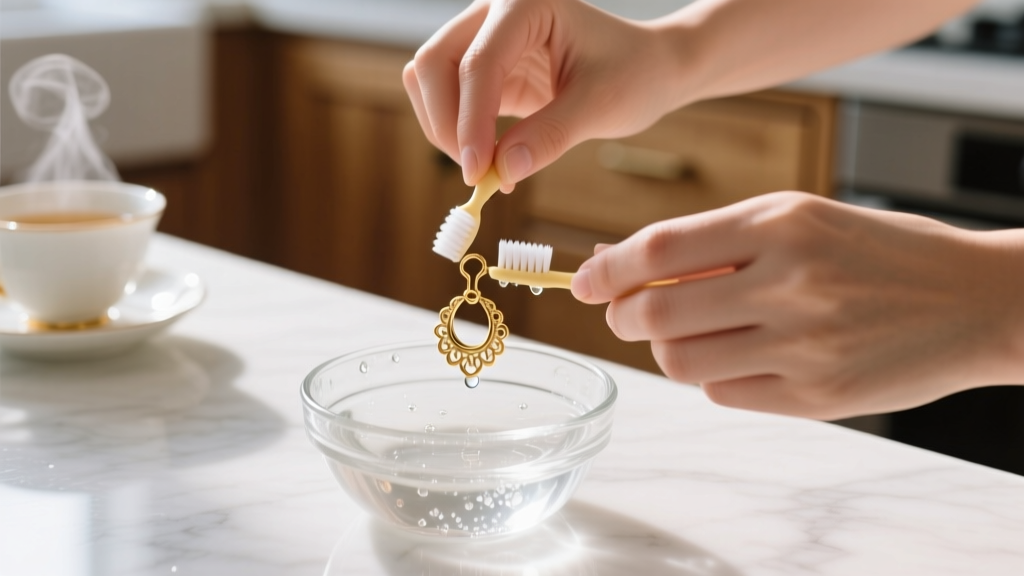
- Mix the Solution: Combine 10 parts warm distilled water with 1 part mild, phosphate-free dish soap in a glass bowl. Avoid harsh chemical dips, which can degrade the alloy metals in 14k gold.
- Soak: Submerge the earrings for exactly 5 minutes. This loosens compacted debris in the link seams without requiring aggressive scrubbing.
- Vector Brushing: Using an extra-soft baby toothbrush, brush along the longitudinal grain of the paperclip link. Never brush aggressively across the short width of the link, as lateral pressure is the primary cause of link warping.
- Rinse and Dry: Rinse under lukewarm water and pat dry with a lint-free microfiber cloth. Do not use paper towels, as the wood fibers can snag on the micro-soldering points of the chain.
Troubleshooting Common Paperclip Chain Issues
Even high-quality gold paperclip earrings present unique mechanical challenges. Here is how to solve the most common issues.
Issue 1: The Links Keep Tangling
Paperclip chains tangle when the elongated links fold back on themselves and thread through adjacent links. The Fix: Store them hanging vertically on a jewelry stand with tension, or lay them completely flat in a velvet-lined box with the clasp secured. Never toss loose paperclip chains into a communal jewelry box.
Issue 2: Lobster Clasps Catching in Hair
The protruding lever of a standard lobster clasp is notorious for snagging fine hair. The Fix: Take your earrings to a bench jeweler and have the lobster clasp replaced with a flat-back friction post (for lobes) or a seamless continuous hoop mechanism. If you must use a clasp, opt for a sleek, rounded spring-ring clasp, which presents a much lower profile against the neck.
Issue 3: Gold Vermeil Fading on Links
If you purchased gold vermeil paperclip earrings (sterling silver plated with gold), the friction points where the links rub together will wear the gold away rapidly. The Fix: For vermeil, limit wear to special occasions. For daily wear, always invest in solid 14k gold or, at minimum, heavy gold vermeil that specifies a plating thickness of at least 2.5 microns over a sterling silver base.
By understanding the structural nuances of elongated links and applying these precise layering and maintenance techniques, your gold paperclip earrings will remain a flawless, modern cornerstone of your jewelry collection for years to come.


