0.25 Carat Diamond Earrings: 2026 Style & Trend Analysis
Discover how to style 0.25 carat diamond earrings in 2026. We analyze cut grades, lab-grown pricing, and curated ear stacking trends for quarter-carat studs.

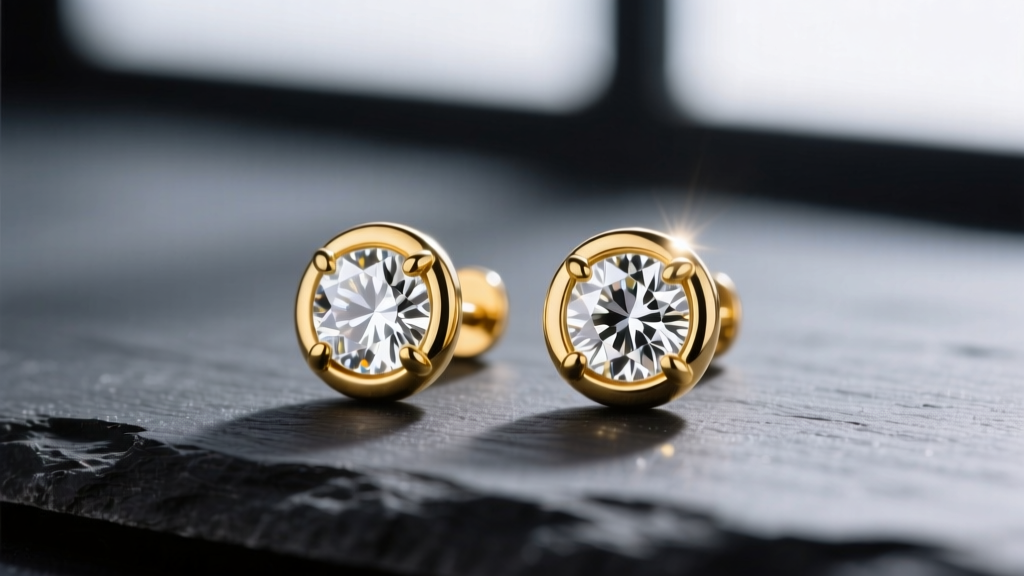
When navigating the fine jewelry market, the search for 0.25 carat diamond earrings remains one of the most common entry points for both first-time buyers and seasoned collectors building a curated ear stack. However, as we move through 2026, the landscape of quarter-carat studs has shifted dramatically. Driven by the stabilization of lab-grown diamond pricing, a resurgence in yellow gold alloys, and the rise of hyper-personalized ear curation, the classic quarter-carat stud is no longer just a baseline accessory—it is a highly engineered style anchor.
Before diving into the trends, we must address a pervasive retail ambiguity. When jewelers advertise 0.25 carat diamond earrings, they are almost universally referring to 0.25 Carat Total Weight (CTW). This means the combined weight of both earrings is a quarter-carat, resulting in a 0.125 ct stone per ear, measuring approximately 3.2mm in diameter. If your goal is a 0.25 ct stone in each ear, you must specifically search for 0.50 CTW studs. This guide focuses on the true 0.25 CTW (0.125 ct per ear) category, which remains the undisputed king of everyday wearability and multi-piercing stacking.
The Anatomy of a Quarter-Carat Diamond Stud
At 3.2mm in diameter, a 0.125 ct diamond operates under different optical rules than a 1.00 ct center stone. Because the facet structure is physically smaller, light return is heavily dependent on precision cutting rather than sheer volume. According to grading standards established by the Gemological Institute of America (GIA), the traditional 4Cs must be recalibrated when evaluating sub-half-carat stones to ensure you are not overpaying for invisible metrics.
Recalibrating the 4Cs for 3.2mm Stones
- Cut (The Non-Negotiable): Always demand an 'Excellent' or 'Ideal' cut grade. At 3.2mm, a poor cut will result in a dead, glassy stone. Precision cut is the only way to maximize the scintillation (sparkle) that makes small diamonds visible from a distance.
- Color (The Sweet Spot): While D-F (colorless) commands a premium, the human eye cannot distinguish between a D and an H color in a 0.125 ct round brilliant once it is set in metal. Opting for G or H color yields a stone that faces up completely white, freeing up budget for better cut quality.
- Clarity (The Budget Saver): Inclusions in a 3.2mm stone are virtually impossible to see without 10x magnification. An SI1 or even a clean I1 clarity grade is perfectly 'eye-clean' at this size. Paying for VVS clarity in a quarter-carat total weight earring is a poor allocation of capital.
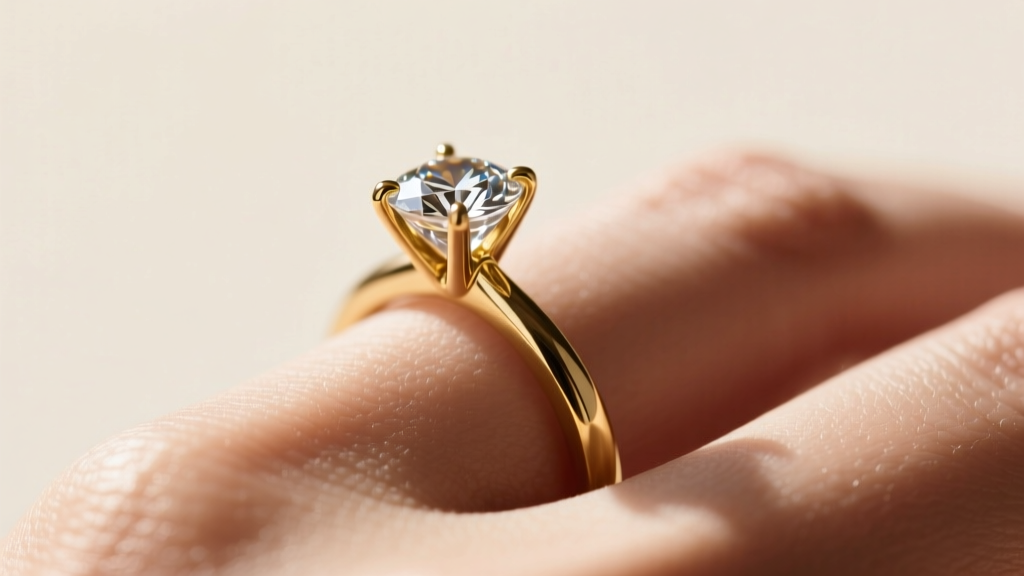
2026 Trend Analysis: Market Shifts & Aesthetics
The 2026 jewelry market is defined by a stark bifurcation between natural heritage stones and lab-grown utility. The GIA Lab-Created Diamond Reports highlight that lab-grown diamonds have fully captured the entry-level and everyday-wear market, allowing consumers to prioritize metal quality and setting design over raw stone origin.
Natural vs. Lab-Grown: 2026 Pricing & Specs
| Metric | Natural Diamond (0.25 CTW) | Lab-Grown Diamond (0.25 CTW) |
|---|---|---|
| Avg. Retail Price (14k Gold) | $850 - $1,400 | $250 - $450 |
| Resale Value Retention | 20% - 35% | < 10% |
| Color/Clarity Sweet Spot | H / SI1 | F / VS2 |
| Primary Buyer Motivation | Heritage, Milestones | Daily Wear, Stacking, Travel |
| Dominant Metal Trend (2026) | 18k Yellow Gold | 14k White Gold / Platinum |
Beyond the stones themselves, the bezel setting has overtaken the traditional prong setting for 0.25 carat diamond earrings in 2026. Driven by active lifestyles and the desire for 'sleep-in' jewelry, a thin gold bezel eliminates the prongs that typically snag on hair and knitwear. Furthermore, 14k and 18k yellow gold have seen a massive resurgence, offering a warm contrast that actually makes smaller diamonds pop more effectively than the stark, blending effect of white gold or platinum.
Styling Frameworks: The Curated Ear Stack
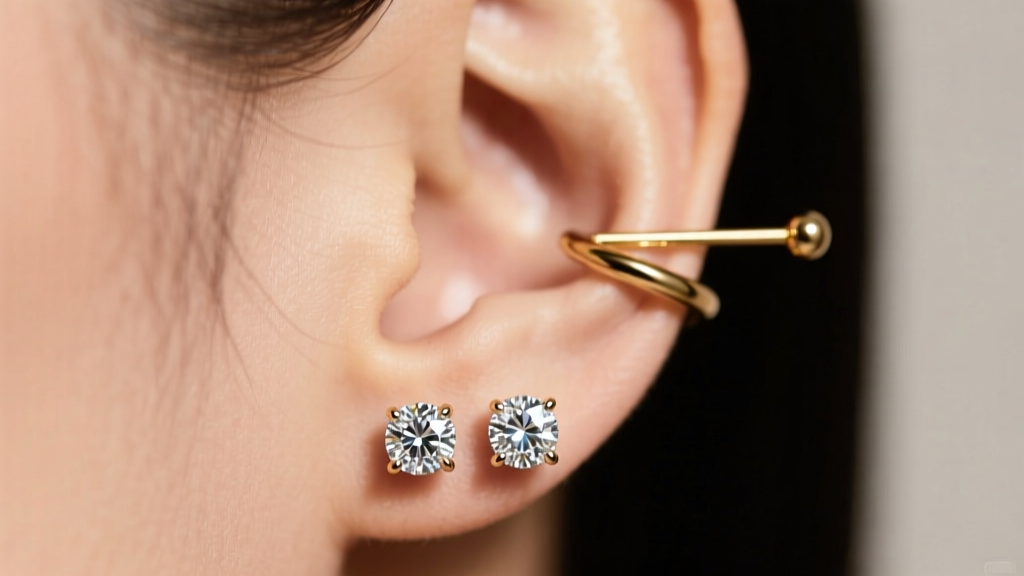
The era of wearing a single pair of studs in isolation is fading. In 2026, 0.25 CTW diamond earrings serve as the foundational anchor for the 'curated ear'—a deliberate arrangement of jewelry across multiple piercings. Because a 3.2mm diamond is compact, it provides a brilliant flash of light without overwhelming adjacent pieces.
Optimal Stack Configurations
- The Minimalist Lobe Duo: Pair your 0.25 CTW bezel studs in the primary lobe piercing with a 3mm solid gold ball stud or a tiny flush-set diamond in the secondary upper-lobe piercing. This creates a subtle, ascending gradient of light.
- The Helix Contrast: Anchor the lobe with your quarter-carat diamonds, then contrast the organic sparkle with architectural, geometric hoops in the upper cartilage. The mix of brilliant-cut facets and smooth metal reflects light differently, adding depth to the profile.
- The Tragus Anchor: For those with tragus piercings, a 0.25 CTW martini-set stud provides an unexpected flash of brilliance deep within the ear's anatomy, drawing the eye inward.
Technical Pitfalls & Hardware Upgrades
The most overlooked aspect of buying 0.25 carat diamond earrings is the hardware. A beautiful stone is useless if the earring sits awkwardly, sags, or falls out in a crowded room. Most commercial quarter-carat studs are manufactured with cost-saving hardware that fails to account for long-term wear and ear anatomy.
Post Gauge and the 'Cheese-Cutter' Effect
Standard commercial studs are typically fitted with 20-gauge (0.81mm) posts. While this is fine for a healthy, thick primary earlobe, it is entirely inappropriate for upper lobe or cartilage piercings. A thin 20G post bearing the weight of a gold setting and diamond can slowly migrate through the tissue over time, a phenomenon piercers call the 'cheese-cutter effect.' If you plan to wear your 0.25 CTW studs in secondary or cartilage piercings, explicitly request an 18-gauge (1.02mm) or 16-gauge (1.29mm) post upgrade from your jeweler to ensure tissue health and stability.
Securing the Stone: Backing Mechanisms
The standard 'butterfly' friction back relies on the tension of bent metal to stay in place. Over time, this tension degrades, leading to lost earrings. For 2026 buyers, upgrading the backing mechanism is the highest-ROI modification you can make:
- Screw Backs: The post is threaded, and the back screws on. Highly secure, but the threads can strip if cross-threaded or exposed to soap buildup.
- La Pousette Backs: Utilizing a spring-loaded internal mechanism with a push-button release, these offer the security of a screw back without the threading vulnerability. They are the gold standard for high-value daily wear studs.
- Silicone O-Rings: A cheap, temporary fix for worn-out friction backs, but they trap moisture and bacteria against the skin, making them unsuitable for permanent use.
Expert Maintenance Tip: Because 0.25 CTW studs are often worn 24/7, they accumulate sebum, dead skin, and lotion behind the basket or martini setting. This film acts as a light-blocker, making your diamonds look cloudy and dull. Soak your earrings in a solution of warm water and a few drops of mild degreasing dish soap once a week, and gently brush the underside of the stone with a soft baby toothbrush to restore maximum light return.
Final Verdict for the 2026 Buyer
The 0.25 carat diamond earrings category has evolved from a generic mall-jewelry staple into a highly nuanced segment of fine jewelry. By understanding the optical realities of 3.2mm stones, leveraging the aggressive pricing of lab-grown alternatives for daily wear, and insisting on premium hardware like 18-gauge posts and La Pousette backs, you can secure a pair of studs that offer lifelong durability and brilliance. Whether anchoring a complex cartilage stack or serving as a minimalist solo statement, the quarter-carat stud remains an indispensable, engineered marvel of personal style.


