How to Style, Clean, and Maintain Raccoon Earrings
Learn how to style, safely clean, and maintain your favorite raccoon earrings. Expert tips on enamel care, gauge sizes, and preventing earlobe stretch.

The Evolution of Wildlife Novelty Jewelry
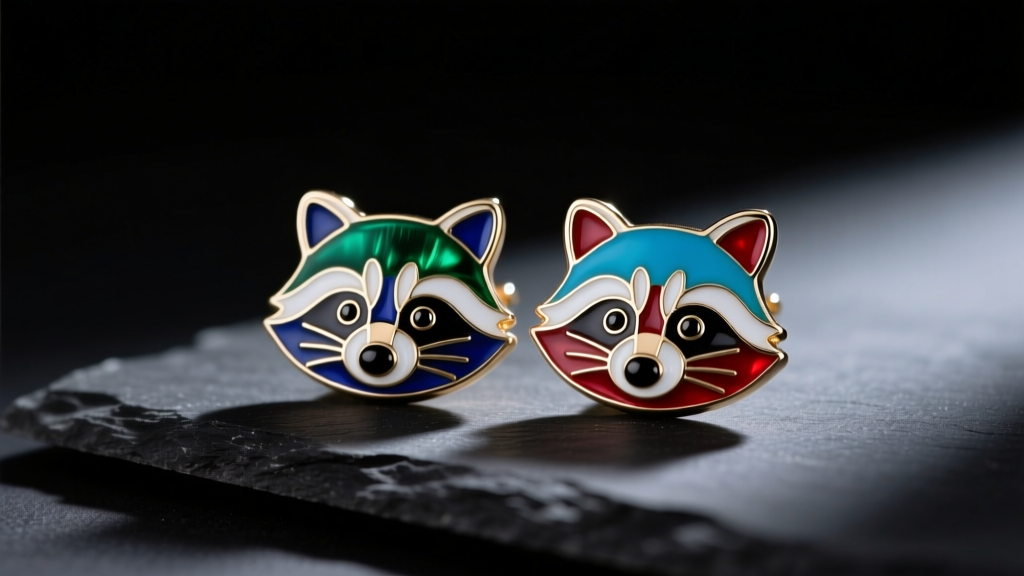
In 2026, the shift toward sustainable, high-end "goblincore" and wildlife motifs has completely transformed novelty jewelry. Raccoon earrings—affectionately dubbed "trash panda" accessories by their devoted collectors—are no longer confined to cheap plastic carnival prizes. Today’s artisan-crafted raccoon earrings feature intricate champlevé enamel, recycled 925 sterling silver, and hand-painted cold enamel. However, because these pieces often combine mixed metals, delicate glass enamels, and heavy resin components, they require a highly specific approach to styling, wear, and maintenance. This comprehensive guide will walk you through the exact steps to protect your investment and keep your earlobes healthy.
The Anatomy of Artisan Raccoon Earrings
Before diving into care, you must understand what your earrings are made of. The failure modes of wildlife jewelry are directly tied to their material composition.
- The Base Metal: High-quality raccoon studs typically use a brass or copper base for the enameled face, as these metals bond best with kiln-fired vitreous enamel. The post, however, should be implant-grade titanium (ASTM F-136) or nickel-free 925 sterling silver to prevent contact dermatitis.
- The Enamel Fill: You will encounter two types. Vitreous enamel is powdered glass fired at over 1400°F, resulting in a hard, scratch-resistant finish. Cold enamel (epoxy resin) is poured and cured at room temperature. Most multi-colored raccoon masks use cold enamel because it allows for vibrant, detailed bandit-mask shading without the risk of colors bleeding in a kiln.
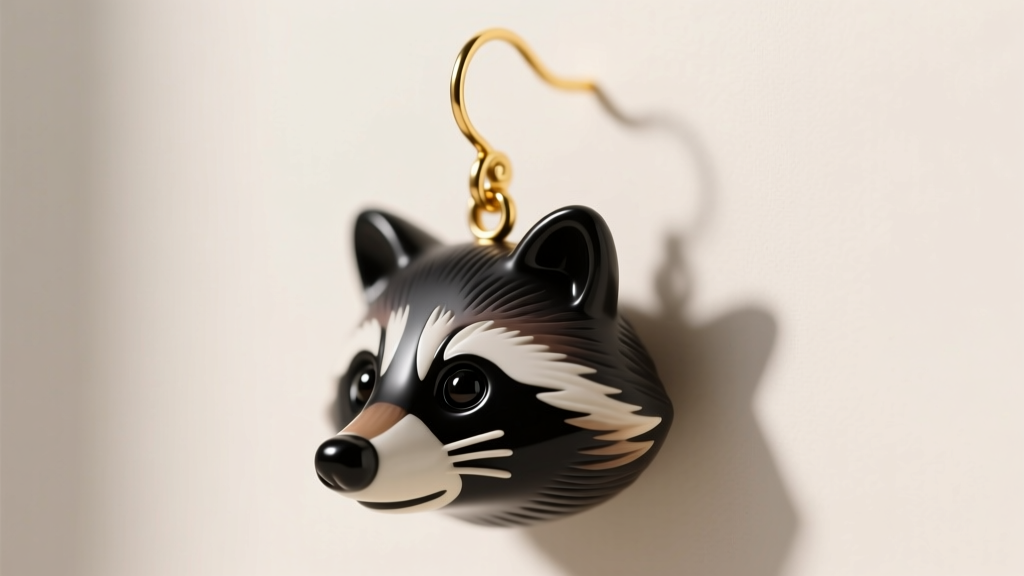
- The Dangle Components: Larger dangle or drop raccoon earrings often incorporate carved resin, wood, or solid brass, which drastically increases the overall weight of the piece.
Step 1: Matching Gauge Size to Earring Weight
The most common mistake collectors make is ignoring the physics of earlobe stretching. A detailed, solid-resin raccoon dangle can easily weigh between 8 and 14 grams per earring. If this weight is suspended on a standard, flimsy 20-gauge (0.81mm) ear wire, you risk the "cheese-cutter effect," where the thin wire slowly slices through your earlobe tissue over time. The Association of Professional Piercers (APP) consistently warns against wearing heavy jewelry on thin, unverified wires.
Gauge and Weight Recommendation Chart
Earring Style Average Weight Minimum Safe Wire Gauge Wire Thickness (mm) Small Enamel Studs 1 - 3 grams 20G or 22G 0.81mm - 0.64mm Medium Dangles (Hollow) 4 - 7 grams 18G 1.02mm Heavy Solid Resin Drops 8 - 14+ grams 16G or 14G 1.29mm - 1.60mm
Pro-Tip for Heavy Dangles: If your favorite 14-gram raccoon dangles only come with thin 20G wires, do not wear them for more than two hours. Alternatively, purchase silicone earring support patches (like LobeWonder) to distribute the weight across a wider surface area of the earlobe, or take them to a local jeweler to have the ear wires swapped for thicker, 16-gauge gold-filled or niobium hooks.
Step 2: Styling Novelty Wildlife Jewelry
Styling animal motifs in a mature, fashion-forward way requires balancing the inherent playfulness of the raccoon design with sophisticated wardrobe choices. Here is a step-by-step framework for styling based on face shape and aesthetic.
Balancing Face Shapes
- Round Faces: Avoid large, circular raccoon face studs, which will emphasize the roundness of your jawline. Instead, opt for elongated raccoon-tail dangles or vertical drop earrings featuring a raccoon silhouette. The vertical lines create an illusion of length.
- Angular/Square Faces: Soften a strong jawline with curved, oversized raccoon hoop earrings or huggies featuring a small, dangling 3D resin raccoon charm. The circular geometry contrasts beautifully with sharp bone structure.
- Oval Faces: You have the versatility to pull off almost any style. Asymmetrical styling—wearing a detailed raccoon stud in one ear and a minimalist silver band in the other—is a massive trend in 2026 streetwear.
Wardrobe Contrast
Let the earrings be the focal point. Pair intricate, multi-colored enamel raccoon earrings with monochromatic, minimalist clothing. A crisp white linen button-down, a solid black turtleneck, or a muted earth-tone sweater provides the perfect neutral canvas, ensuring the "trash panda" motif pops without clashing with busy patterns.
Step 3: The Safe Cleaning Protocol
Cleaning mixed-material jewelry is a minefield. The Gemological Institute of America (GIA) emphasizes that different materials react violently to standard jewelry cleaning methods. Ultrasonic cleaners, which use high-frequency cavitation bubbles to blast away dirt, will shatter vitreous enamel and cloud cold epoxy resin. Furthermore, rubbing alcohol will permanently dull the glossy finish of cold enamel.
The 4-Step Hand-Wash Method
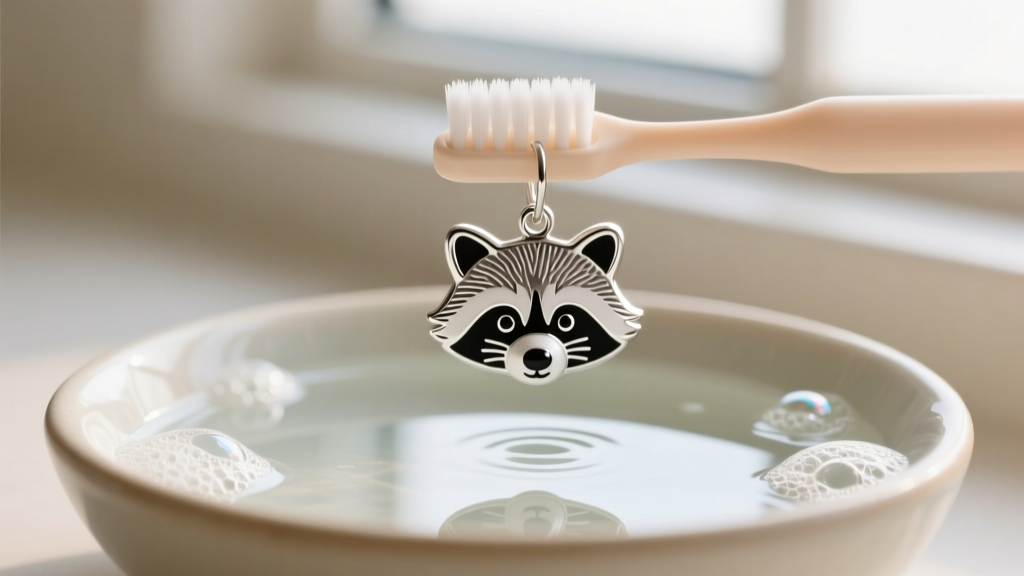
- Prepare the Solution: Fill a shallow glass bowl with lukewarm distilled water (tap water contains minerals that can leave hard-water spots on silver accents). Add a single drop of mild, phosphate-free dish soap.
- The Gentle Scrub: Dip an extra-soft baby toothbrush into the solution. Gently brush the crevices of the raccoon’s mask, paying special attention to the border where the enamel meets the metal bezel. Never use hard-bristled brushes, as they will leave micro-scratches on resin.
- The Rinse: Briefly hold the earrings under a gentle stream of lukewarm distilled water to remove soap residue. Do not let them soak, as prolonged water exposure can degrade the adhesive bonding the metal post to the enamel base.
- The Dry: Immediately pat the earrings dry with a lint-free microfiber cloth. Use a hairdryer on the "cool" setting to blow out any trapped moisture from the earring backings or jump rings.
CRITICAL WARNING: Never use commercial silver dip polishes on enameled jewelry. The harsh thiourea chemicals in these dips will permanently stain porous cold enamel and strip the oxidized detailing from the raccoon's facial features.
Troubleshooting Common Raccoon Earring Failures
Even with meticulous care, novelty earrings are prone to specific structural failures. Here is how to troubleshoot and repair them.
Enamel Chipping and Yellowing
If your cold enamel raccoon earrings begin to yellow, it is due to UV degradation of the epoxy resin. While you cannot reverse yellowing, you can prevent it by storing your jewelry in a dark, velvet-lined box away from direct sunlight. If a piece of vitreous enamel chips off, do not attempt to glue it back with superglue. Instead, use a clear, jewelry-grade UV resin. Apply a micro-drop into the chip, level it with a toothpick, and cure it under a UV lamp for 60 seconds to create a seamless, glass-like fill.
Snapped Posts and Loose Bases
The most frequent point of failure in heavy novelty studs is the post snapping off the brass base. Standard cyanoacrylate (Super Glue) is too brittle and will fail under the shear stress of being pushed through an earlobe. To reattach a post, you must use a two-part jeweler’s epoxy (such as G-S Hypo Cement or a 5-minute steel epoxy). Score the back of the brass base and the flat pad of the earring post with fine sandpaper to create a mechanical bond, apply the epoxy, and clamp it vertically for 24 hours.
Final Thoughts
Raccoon earrings are a brilliant way to inject personality, whimsy, and artisan craftsmanship into your daily rotation. By respecting the material limitations of enamel and resin, choosing the correct wire gauge to protect your earlobes, and adhering to a strict, non-chemical cleaning protocol, your favorite wildlife jewelry will remain vibrant and structurally sound for years to come.


