How to Choose and Style Rectangle Stone Earrings Perfectly
Learn how to choose, style, and care for rectangle stone earrings. Our step-by-step guide covers face shapes, metal grades, and ear anatomy.

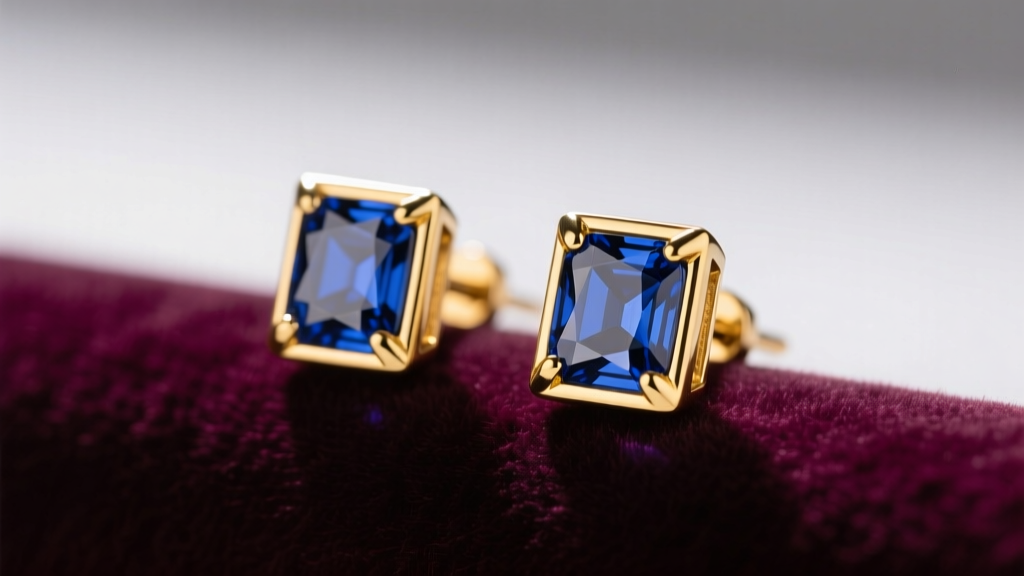
Step 1: Match Rectangle Stone Earrings to Your Face Shape
Rectangle stone earrings offer a striking, architectural aesthetic that can dramatically alter the visual balance of your face. Unlike circular hoops or organic teardrop shapes, the sharp angles and linear geometry of rectangle cuts (such as emerald, baguette, or radiant cuts) create distinct optical illusions. To style them perfectly, you must map the earring's dimensions to your underlying bone structure.
Round Face Shapes
If you have a round face with softer, wider cheekbones, your goal is to create vertical elongation. Opt for vertical rectangle stone drop earrings with a high length-to-width ratio (ideally 3:1 or 4:1). A long, narrow baguette-cut diamond or sapphire drop draws the eye downward, visually slimming the jawline and adding structural contrast to your natural curves. Avoid wide, horizontal rectangle studs, which will only emphasize facial width.
Square and Angular Face Shapes
Strong jawlines and prominent cheekbones benefit from softening. While it might seem counterintuitive to pair angular features with geometric jewelry, a wider, shorter rectangle stone (like a 2:1 emerald cut) worn as a stud or a very short drop can actually complement a square face by mirroring its natural strength without dragging the features down. Alternatively, opt for rectangle stones set in soft, rounded bezel settings to bridge the gap between geometric structure and organic softness.
Heart and Oval Face Shapes
Oval faces are the universal canvas; you can wear ultra-long rectangular dangles or chunky horizontal rectangle studs with equal success. Heart-shaped faces (wider forehead, narrow chin) should look for bottom-heavy rectangle dangles or inverted geometric designs. A rectangle stone earring that features a wider base or clusters smaller rectangular stones at the bottom will add necessary visual weight to a delicate chin.
Step 2: Evaluate Stone Durability and Cut Vulnerabilities
Rectangle stone earrings are not just about aesthetics; their geometric shape introduces specific structural vulnerabilities. The sharp corners of step-cuts (like the classic emerald cut) are highly prone to chipping if struck against a hard surface. Understanding gemstone durability is critical before investing in daily-wear pieces.
According to the Mohs Hardness Scale, scratch resistance is only half the battle. You must also consider cleavage—the tendency of a crystal to break along structural planes. For a comprehensive look at how these factors interact, refer to this guide on gemstone durability.
| Gemstone | Mohs Hardness | Cleavage / Chip Risk | Recommended Setting | Avg. Price Range (per carat) |
|---|---|---|---|---|
| Sapphire (Corundum) | 9.0 | Low (Excellent toughness) | Prong or Bezel | $800 - $3,000+ |
| Emerald (Beryl) | 7.5 - 8.0 | High (Brittle, heavily included) | Full Bezel or V-Prong | $1,500 - $5,000+ |
| Tourmaline | 7.0 - 7.5 | Moderate | Bezel or Halo | $100 - $600 |
| Amethyst (Quartz) | 7.0 | Low to Moderate | Prong | $20 - $70 |
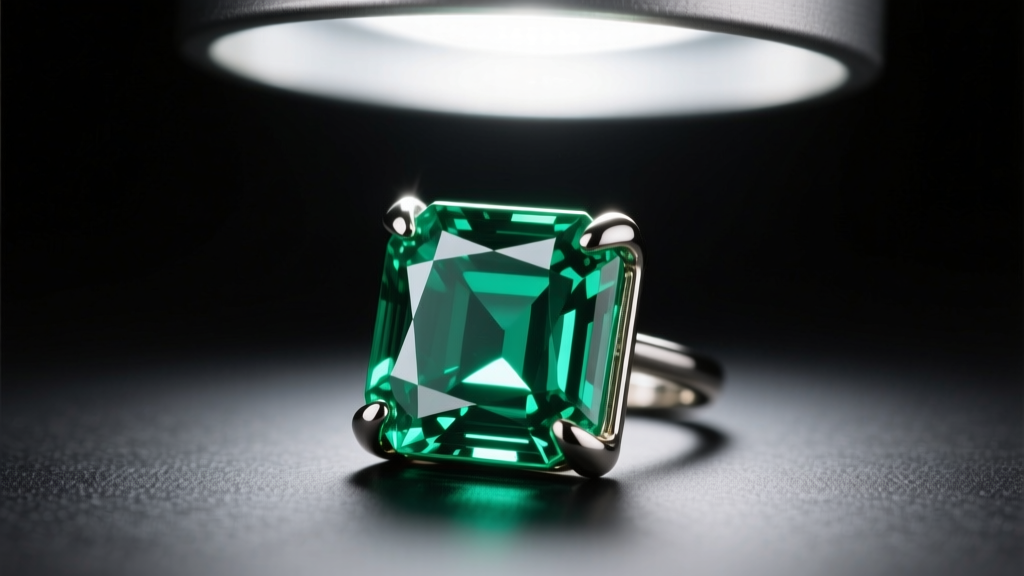
Pro-Tip for Emerald Cuts: If you are buying rectangle emerald earrings, always insist on V-prongs at the four corners. Standard flat prongs leave the microscopic edge of the stone exposed, and a single drop onto a tile floor can fracture the corner.
Step 3: Select the Correct Metal, Gauge, and Earring Back
Rectangle stones, particularly those over 10mm in length, carry their weight differently than round brilliants. The center of gravity in a top-set rectangular drop earring can cause severe "earring droop," pulling the lobe forward and making the jewelry look unflattering. Solving this requires a precise combination of metal gauge and earring backing.
Post Thickness (Gauge)
Standard lobe piercings are usually 20-gauge (0.81mm) or 18-gauge (1.02mm). If your rectangle stone earrings feature a heavy gemstone (e.g., a 15x10mm lab-grown sapphire weighing over 3 carats total), an 18-gauge post is the absolute minimum to prevent the metal from bending under the stone's leverage. For exceptionally heavy geometric dangles, seek out custom 16-gauge (1.29mm) posts, though you may need to have your piercer gently stretch the lobe to accommodate the thicker wire.
The Mechanics of Earring Backs
- Standard Friction Backs (Butterfly): Cheap and common, but terrible for heavy rectangle stones. They slip down the post, causing the earring to tilt forward.
- La Pousette Backs: These feature a spring-loaded internal mechanism that clicks securely into a grooved post. They are the gold standard for heavy geometric drops, providing a vice-like grip that keeps the rectangle stone perfectly parallel to the face.
- Screw Backs: Excellent for security, but the threading can wear down over time if forced. Ensure the post is at least 18k gold or platinum so the threads do not strip.
Step 4: Implement a Targeted Cleaning and Maintenance Routine
The large, flat table facets of rectangle cut stones (especially emerald and radiant cuts) act like mirrors, reflecting light but also magnifying grease, lotion, and skin oils. A dirty rectangle stone will look dull and lifeless within 48 hours of wear. Follow this step-by-step maintenance protocol:
- The Soak: Mix warm distilled water with two drops of ammonia-free dish soap (like Dawn) in a glass bowl. Submerge the earrings for 15 minutes to break down sebum and cosmetic residue.
- The Agitation: Use a baby-soft toothbrush or a specialized jewelry cleaning brush. Gently sweep the bristles across the pavilion (the underside of the stone) where oil accumulates the most. Never scrub the top table facet aggressively, as trapped dust particles (which often contain quartz, Mohs 7) can scratch softer stones like tourmaline.
- The Rinse and Dry: Rinse under lukewarm running water. Pat dry with a lint-free microfiber cloth. Avoid paper towels, as the wood fibers can micro-scratch polished gold settings and leave lint trapped in the prongs.

Crucial Warning: Ultrasonic Cleaners
Never place rectangle emerald earrings in an ultrasonic cleaner. Almost all natural emeralds are treated with cedar oil or synthetic resins to fill surface-reaching fractures. The high-frequency vibrations and heat of an ultrasonic bath will boil the oil out of the stone, leaving your once-vibrant rectangle emerald looking cloudy, white, and heavily fractured. Stick to manual soaking for any oil-treated gemstone.
Troubleshooting Common Fit and Droop Issues
Even with the correct gauge and backing, the physics of rectangular geometry can sometimes work against your ear anatomy. If your rectangle stone earrings are persistently drooping forward, here are three professional troubleshooting methods:
- Silicone O-Rings (Earring Lifters): These small, clear discs slide onto the post before the backing. They act as a spacer, pushing the earring's center of gravity closer to the lobe and providing a wider base of support to keep heavy rectangle stones upright.
- Earring Jackets or Huggie Adapters: If the stone is simply too heavy for a bare lobe, consider converting the stud into a drop by attaching it to a structural huggie hoop. The hoop distributes the weight across the entire lower circumference of the piercing rather than concentrating it on a single puncture point.
- Counterweight Settings: For high-end custom pieces, jewelers can design a "counterweight" backing. This involves casting a heavier, decorative metal back that physically balances the weight of the front-facing rectangle stone, keeping the post perfectly horizontal.
By carefully considering the interplay of facial proportions, gemstone cleavage, and structural mechanics, you can confidently select and style rectangle stone earrings that remain secure, brilliant, and perfectly balanced for years to come.


