How to Take Out Earrings: A Gifter's Guide to Clasp Types
Discover how to take out earrings safely based on clasp types. A gifter's guide to matching jewelry mechanisms to milestones and occasions.

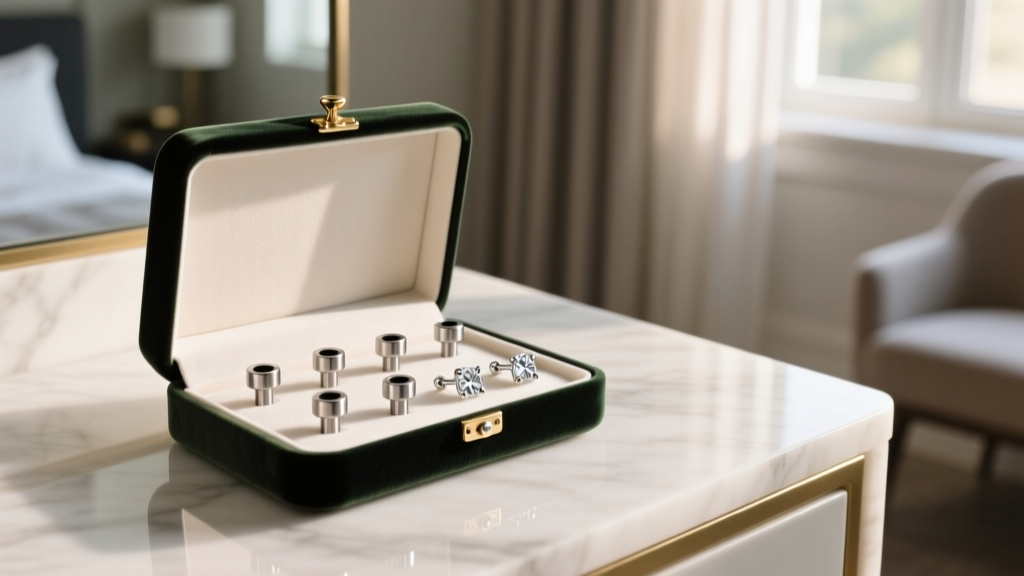
The Intersection of Gifting and Jewelry Maintenance
Gifting fine jewelry or high-end body jewelry is a profound way to mark a milestone. Whether you are celebrating a graduation, a wedding anniversary, or a teenager's first cartilage piercing, the piece you select carries emotional weight. However, expert jewelers and professional piercers know a hidden truth about gifting: you are not just giving an accessory; you are giving the responsibility of maintenance. A frequent source of anxiety for recipients is figuring out how to take out earrings safely without damaging the jewelry or their piercing.
When selecting a gift, considering the recipient's lifestyle and dexterity is paramount. A complex clasp might be secure for a daily-wear diamond stud, but frustrating for someone with limited hand mobility. This guide bridges the gap between occasion-based gift matching and the practical mechanics of jewelry removal, ensuring your thoughtful gift remains a joy rather than a source of physical frustration.
Matching Earring Clasps to Milestone Occasions
Different milestones call for different materials, gauge sizes, and securing mechanisms. Below is a decision framework for matching the occasion to the ideal earring style, complete with the necessary removal tools you should consider including in your gift presentation.
| Occasion | Ideal Gift Style | Clasp / Mechanism | Removal Tool Required | Difficulty |
|---|---|---|---|---|
| First Piercings (Youth) | Implant-Grade Titanium Flat Backs | Threadless (Push-Pin) | Fingers (Nitrile gloves for grip) | Low |
| Weddings / Anniversaries | Diamond Solitaire Studs | Screw-Back / La Pousette | Fingers (Latex gloves if stuck) | Medium |
| Graduation / Independence | Gold Huggies or Small Hoops | Clicker / Hinged Segment | Fingers | Low |
| Cartilage Milestones (Helix) | 14k Gold Captive Bead Ring | Captive Bead (Tension) | CBR Opening Pliers | High |
Step-by-Step: How to Take Out Earrings by Mechanism
Understanding how to take out earrings based on their specific mechanism is critical for preserving both the jewelry and the tissue. The days of forcing cheap butterfly friction backs through swollen lobes are behind us; modern fine jewelry utilizes precision engineering.
Threadless and Internally Threaded Labrets (The Modern Standard)
For fresh piercings or high-end cartilage gifts, brands like Neometal and BVLA utilize ASTM F136 implant-grade titanium threadless pins. The decorative end features a tiny pin that is inserted into the hollow shaft of the backing post. Tension holds it in place.
- Preparation: Wash hands thoroughly and dry them. Moisture reduces friction.
- The Grip: Hold the flat back disc firmly with one hand. Pinch the decorative gem or end with the thumb and index finger of your other hand.
- The Motion: Do not just pull straight out. Give a slight twist while pulling firmly away from the ear. The tension fit requires a confident, swift motion to pop the bent pin out of the shaft.
- Pro-Tip: If the recipient struggles, advise them to wear nitrile examination gloves. The added grip makes removing 18g or 16g threadless ends significantly easier.
Screw-Back Diamond Studs (The Anniversary Classic)
Screw-backs are the gold standard for securing valuable diamond studs, preventing loss during sleep or travel. However, cross-threading is a common failure mode when recipients attempt to remove them in a rush.
To safely unscrew these earrings, always remember 'lefty-loosey'. Align the backing perfectly straight with the post before turning counter-clockwise. If you feel resistance, do not force it, as you will strip the delicate 14k or 18k gold threads. Back it up, realign, and try again. For stubborn screw-backs, a piece of rubber or a latex glove provides the necessary torque without damaging the metal.
Captive Bead Rings and Segment Rings (The Cartilage Gift)
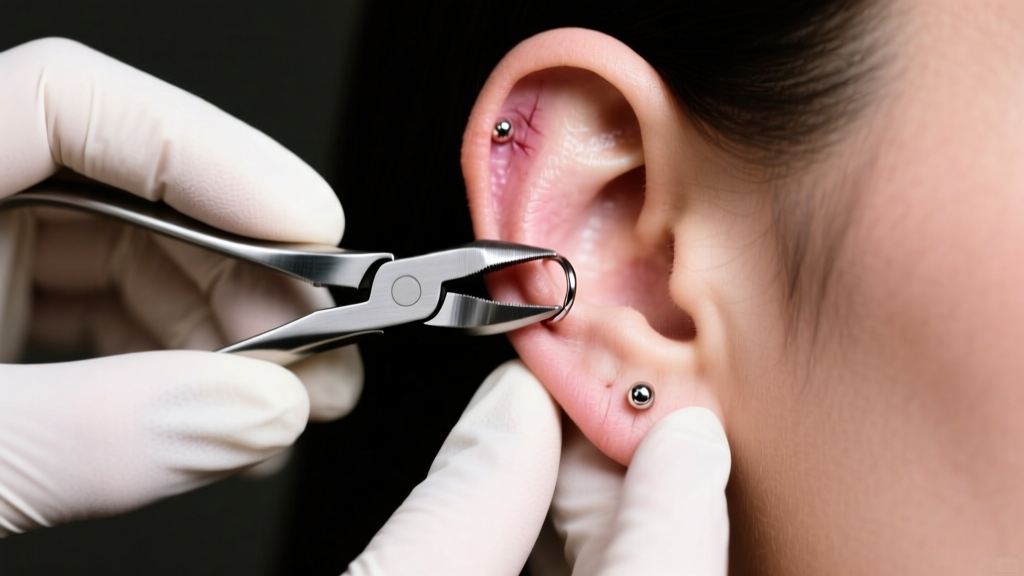
Gifting a high-quality 14g or 12g captive bead ring (CBR) for a healed helix or daith piercing is a bold, stylish choice. However, removing a CBR requires specific tools. The bead is held in place by the extreme outward tension of the ring.
Recipients should never use their teeth or standard household pliers, which can crush the gold or titanium and damage the teeth. Instead, gift them a pair of professional stainless steel CBR opening pliers. The pliers are inserted into the center of the ring, and the handles are squeezed to gently expand the ring's circumference, releasing the tension on the bead so it can drop out.
Troubleshooting Stubborn or Stuck Earrings
Even with the right knowledge, complications arise. Swelling, crusties, and embedded jewelry are common issues. Here is how to handle them safely.
Expert Piercer Insight: If a friction back or butterfly clutch becomes embedded in a swollen earlobe, never attempt to dig it out with tweezers or needles. This introduces bacteria and causes severe tissue trauma. Seek a professional piercer or urgent care immediately.
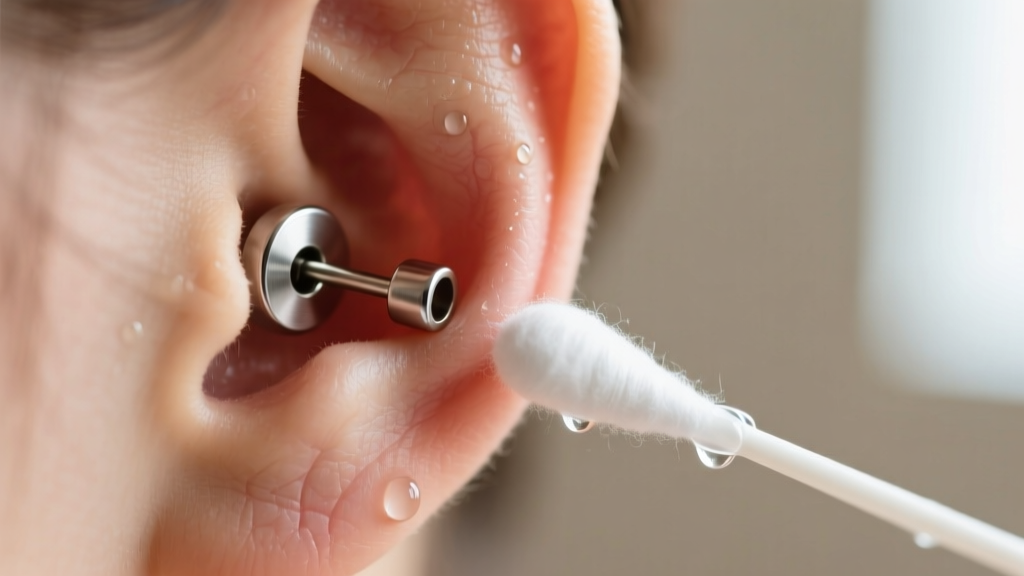
Dealing with Dried Lymph and Crusties: If an earring is stuck due to dried healing fluids, do not yank it. Soak a sterile cotton pad in warm, sterile saline solution (0.9% sodium chloride) and hold it against the earlobe for five minutes. This softens the biological debris, allowing the jewelry to slide out smoothly. The Association of Professional Piercers (APP) strongly recommends sterile saline over harsh chemicals like alcohol or hydrogen peroxide, which dry out and damage the delicate fistula (piercing channel).
Stripped Threads on Fine Jewelry: If a screw-back earring will not budge and you suspect stripped threads or bent posts, stop immediately. Take the piece to a reputable jeweler. They possess specialized magnifying loupes and micro-tools to safely dismantle the backing without snapping the post inside the earlobe.
Aftercare and Storage for Gifted Jewelry
Once the recipient has successfully navigated how to take out earrings, proper storage is essential to maintain the piece's integrity. Fine jewelry should never be tossed into a communal drawer where posts can bend or diamonds can scratch softer gemstones.
Include a dedicated, lined jewelry valet or individual anti-tarnish pouches with your gift. For diamond earrings, the Gemological Institute of America (GIA) advises regular cleaning with a soft toothbrush and mild dish soap to remove lotions and oils that dull the stone's brilliance. By pairing a beautiful piece of jewelry with the knowledge and tools for its care, you elevate your gift from a simple object to a comprehensive, lifelong experience.


