How to Know If Earrings Are Real Gold: A Cleaning & Testing Guide
Learn how to know if earrings are real gold using safe cleaning reactions, hallmark checks, and magnet tests to protect your fine jewelry.

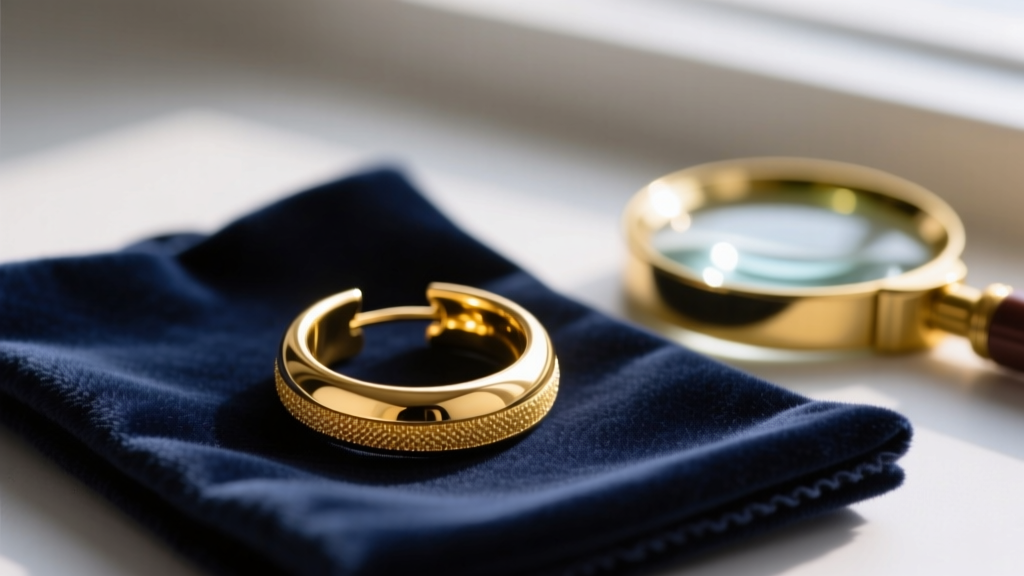
The Intersection of Gold Purity and Earring Maintenance
When figuring out how to know if earrings are real gold, your cleaning and maintenance routine is actually one of the most revealing diagnostic tools available. Many consumers rely solely on visual cues, but the way a piece of jewelry reacts to specific cleaning agents, environmental factors, and physical tests provides undeniable proof of its metallurgical composition. Solid gold earrings—whether 10k, 14k, or 18k—possess chemical inertness that gold-plated brass, copper, or nickel alloys simply cannot replicate.
Understanding the difference is not just about monetary value; it is a critical component of ear health and jewelry longevity. Cleaning gold-plated earrings with solutions meant for solid gold can strip the microscopic 0.5-micron plating layer, exposing base metals that cause contact dermatitis and green skin discoloration. This comprehensive guide merges authentication diagnostics with proper care protocols, ensuring you can confidently verify your earrings while maintaining their structural integrity.
Visual & Hallmark Inspections During Your Cleaning Routine
The first step in authentication happens before any liquids touch the metal. When you sit down to clean your earrings, use a 10x or 20x jeweler's loupe to inspect the earring post, the interior of hoops, or the clasp mechanisms for hallmarks. According to the Federal Trade Commission (FTC) Jewelry Guides, manufacturers are legally required to stamp gold jewelry with a karat mark and a maker's trademark.
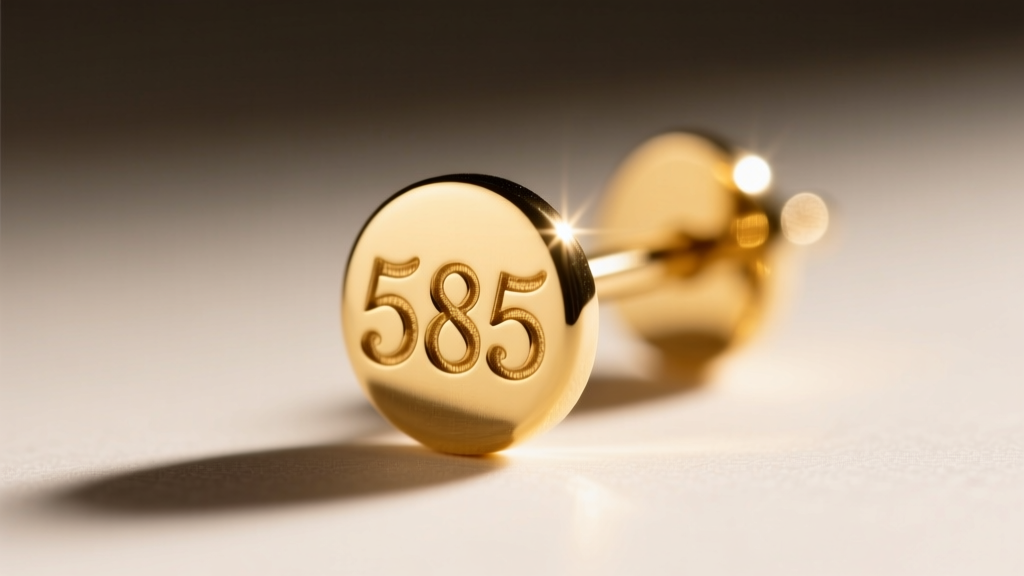
Decoding Karat Stamps and Alloys
Real gold earrings will bear stamps indicating their purity. However, counterfeiters frequently stamp base metals with fake hallmarks, so this is only your baseline test. Furthermore, the karat stamp dictates how you must clean and care for the piece, as the alloy metals mixed with pure gold dictate its vulnerability to chemicals.
| Karat Stamp | Gold Purity | Common Alloys | Cleaning Vulnerability |
|---|---|---|---|
| 10K (417) | 41.7% | Copper, Zinc, Nickel | Highly durable, but prone to surface oxidation if exposed to bleach or chlorine. |
| 14K (585) | 58.5% | Copper, Silver, Zinc | The industry standard for body jewelry. Safe for ultrasonic cleaners and mild ammonia. |
| 18K (750) | 75.0% | Copper, Silver, Palladium | Softer alloy. Prone to micro-scratches. Avoid abrasive polishing cloths on the posts. |
| 24K (999) | 99.9% | None (Pure Gold) | Too soft for earring posts. Usually found only in bezel settings. Chemically inert. |
The Cleaning Reaction Test: How Fake Gold Fails
If visual inspection leaves you doubting, the chemical reactions during cleaning will expose the truth. Base metals react to oxygen, acids, and sulfur, whereas gold is a noble metal and remains entirely unreactive to most household cleaning agents.
The Mild Soap and Warm Water Baseline
Submerge the earrings in a solution of warm distilled water and a few drops of phosphate-free dish soap (like Dawn) for 15 minutes. Gently brush with a baby-soft toothbrush. If the water turns cloudy, yellow, or green, or if the earring post reveals a silvery or coppery undertone beneath the surface, you are dealing with gold-plated brass or copper. Solid gold will emerge completely unchanged, retaining its deep luster without any base metal bleed-through.
The White Vinegar Acid Test
For a more aggressive at-home diagnostic, place a single drop of white vinegar on an inconspicuous area of the earring, such as the back of the post or the inside of a huggie hoop. Real gold will not react to the mild acetic acid. If the metal begins to bubble, fizz, or change color (often turning a dull brown or green), the earring is gold-plated or gold-filled over a reactive base metal. Note: Never use vinegar on earrings set with porous gemstones like pearls, opals, or turquoise, as the acid will dissolve their calcium carbonate or hydrated silica structures.
Advanced At-Home Diagnostics for Gold Earrings
Beyond chemical reactions, physical properties like magnetism and density offer definitive clues about your earrings' authenticity. However, earring anatomy introduces unique variables that trip up many amateur testers.

The Magnet Test and the Friction Back Caveat
Gold is diamagnetic, meaning it is not attracted to magnets. A common DIY test involves holding a strong neodymium magnet to the jewelry. If it sticks, it's fake. However, there is a massive caveat specific to earrings: the friction back (butterfly clutch) almost always contains a tiny steel spring inside the housing to provide tension against the earring post. Therefore, a real 14k gold earring back will stick to a magnet because of the internal steel spring, even if the outer casing is solid gold. To perform an accurate magnet test, you must test the earring post, the hoop body, or the dangle component—never the friction back.
The Skin Discoloration & Tarnish Audit
Review the history of the earrings. Have they ever left a green or black ring around the piercing hole or on the side of the neck for dangles? Pure gold and properly alloyed 14k/18k gold do not tarnish or react with the chlorides and sulfides in human sweat. If your earrings leave a green residue, the copper content in the base metal is reacting with your skin's acidity. If they leave a black smudge, it is likely a silver alloy (sterling silver tarnishes black due to sulfur) plated in gold, or a low-grade brass mix.
Professional Verification vs. DIY: When to See a Jeweler
While at-home cleaning and physical tests are excellent for weeding out cheap counterfeits, high-quality gold-filled or heavy gold electroplated (HGE) earrings can sometimes pass basic visual and mild acid tests. According to the Gemological Institute of America (GIA), definitive verification of gold purity requires advanced spectroscopic analysis.
'X-ray Fluorescence (XRF) spectrometry is the non-destructive standard for verifying gold karatage. It penetrates the surface layer to read the exact elemental composition of the alloy, instantly identifying gold-plated base metals that mimic solid gold to the naked eye.'
If you are dealing with vintage estate earrings, heirloom pieces with faded hallmarks, or high-carat investments, bypass the vinegar and magnets. Take them to a certified gemologist or a reputable local jeweler who possesses an XRF machine or can perform a traditional nitric acid touchstone test on a discreet part of the earring post.
Long-Term Care for Verified Solid Gold Earrings
Once you have confirmed your earrings are real gold, your maintenance routine should shift from diagnostic testing to preservation. Solid gold is relatively low-maintenance, but the alloy metals and gemstone settings require specific care protocols to prevent structural failure.
- Ultrasonic Cleaning (40 kHz): Safe for plain solid gold studs, hoops, and huggies. However, avoid using ultrasonic cleaners for earrings with fracture-filled diamonds, emeralds, or opals, as the high-frequency vibrations can shatter the stones or shake them loose from worn prongs.
- Avoid Chlorine and Bleach: Never wear gold earrings in swimming pools or clean them with bleach. Chlorine causes 'stress corrosion cracking' in the alloy metals (especially zinc and copper in 10k and 14k gold), which can cause the earring post to snap off at the base.
- Proper Storage: Store verified gold earrings in individual anti-tarnish flannel pouches. While the gold won't tarnish, the alloy metals can still develop a dull film if exposed to high humidity and airborne sulfur over long periods.
- Friction Back Maintenance: Over time, the tension in gold friction backs loosens. Use a pair of nylon-jaw pliers to gently squeeze the loops back together, ensuring a secure fit on the post without scratching the soft gold metal.
By integrating these authentication tests into your regular cleaning schedule, you ensure that every piece in your jewelry box is exactly what it claims to be, protecting both your investment and your skin.


