How to Wash Earrings Safely: The Ultimate Material Guide
Learn how to wash earrings safely based on their material. Discover expert cleaning methods for solid gold, titanium, pearls, and plated jewelry.

The Science of Washing Earrings: Why Material Dictates Method
When you search how to wash earrings, the internet is flooded with generic, potentially destructive advice. Telling a consumer to simply 'use soap and water' ignores the complex metallurgical and gemological properties of modern jewelry. As of 2026, with the rise of intricate pave settings, advanced gold vermeil techniques, and diverse cartilage piercing jewelry, understanding material science is no longer optional—it is essential for preserving your investment.
Washing earrings is fundamentally a chemical and mechanical process. The correct method depends entirely on the atomic structure of the metal alloy and the porosity of any embedded gemstones. Using the wrong surfactant, water temperature, or mechanical agitation can lead to catastrophic failure modes, from stripping micron-thin gold plating to shattering fracture-filled gems via ultrasonic cavitation.
Metal Matrix: How to Wash Earrings by Alloy Type
Metals react differently to water, oxygen, and cleaning agents. Here is how to approach the most common earring metals.
Implant-Grade Titanium (ASTM F136) & Niobium
Titanium and niobium are highly inert, reactive metals that form a passive oxide layer when exposed to oxygen. This makes them the gold standard for sensitive ears and fresh piercings. You can safely wash titanium earrings using 70% isopropyl alcohol (IPA), ultrasonic cleaners, or even boiling water. The passive oxide layer protects the underlying metal from corrosion, making it virtually indestructible in standard household cleaning scenarios.
Solid Gold (14k/18k) vs. Gold Vermeil & Plated
Solid gold is an alloy. 14k gold contains 58.5% pure gold, with the remainder typically being copper, silver, and zinc. While safe for mild surfactants and warm water, solid gold is highly susceptible to stress corrosion cracking when exposed to chlorine. Never wash 14k gold earrings in tap water with high chlorine content, and never wear them in swimming pools.
Conversely, gold vermeil (a thick 2.5-micron layer of gold over sterling silver) and standard gold-plated brass require extreme caution. The 40kHz shockwaves from an ultrasonic cleaner will literally strip the gold layer from the base metal. To wash vermeil earrings, use only a damp microfiber cloth and avoid soaking them entirely to prevent the underlying silver from oxidizing and causing the gold to flake.
Surgical Steel (316L) & Sterling Silver (925)
316L surgical steel contains nickel and molybdenum. While durable, washing it with highly alkaline solutions can degrade its passive chromium oxide layer, potentially triggering nickel contact dermatitis in sensitive wearers. Sterling silver tarnishes when exposed to sulfur and moisture. When washing silver earrings, use a specialized silver dip or a baking soda and aluminum foil electrochemical bath, but never use abrasive pastes that will scratch the soft metal (Mohs 2.5-3).
Gemstone Porosity: The Hidden Danger in Ultrasonic Cleaners
The Mohs hardness scale is only half the story when washing earrings with gemstones. Porosity, cleavage planes, and chemical treatments dictate whether a stone will survive a wash cycle.
According to the Gemological Institute of America (GIA), the most common cause of gemstone damage during cleaning is not the chemical itself, but the mechanical shockwave from ultrasonic cavitation on fractured or treated stones.
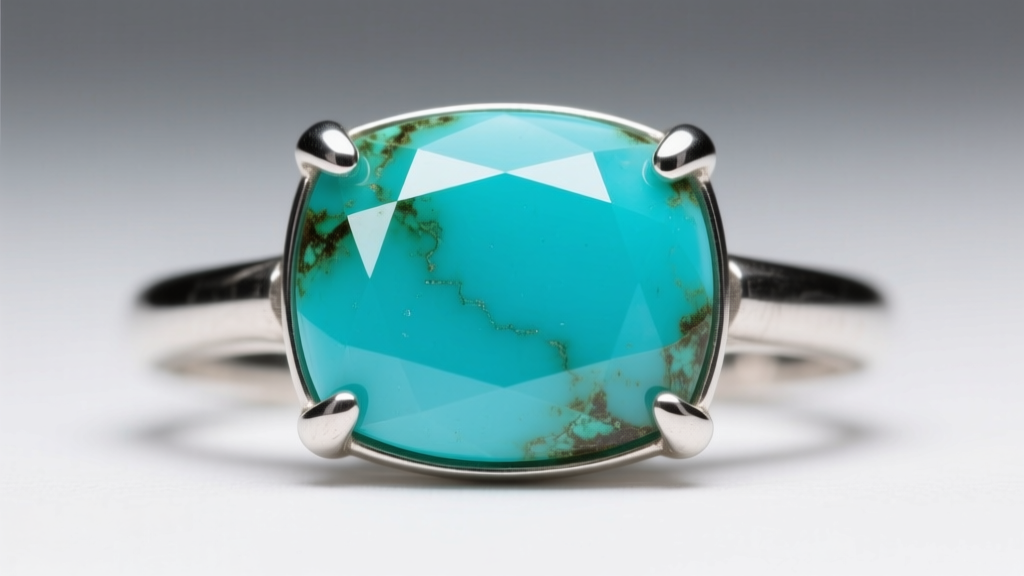
Take emeralds, for example. Over 90% of commercial emeralds are fracture-filled with cedar oil or Opticon to improve clarity. An ultrasonic cleaner creates microscopic vacuum bubbles that implode with immense localized heat and pressure. This process will expel the oil from the emerald, leaving the stone looking cloudy, white, and heavily fractured. Similarly, opals contain up to 20% water; heat from ultrasonics or harsh alcohols will cause them to craze and crack.
Material Comparison Chart: Washing Protocols
| Material | Porosity / Mohs | Safe Wash Method | Fatal Cleaning Agent |
|---|---|---|---|
| Implant-Grade Titanium | Non-Porous / N/A | Ultrasonic, 70% IPA, Boiling | Hydrofluoric Acid |
| 14k Solid Gold | Non-Porous / 2.5-3 | Mild Surfactant, Warm Water | Chlorine, Bleach |
| Gold Vermeil | Non-Porous / 2.5-3 | Damp Microfiber Cloth Only | Ultrasonic, Abrasives |
| Pearl (Nacre) | Highly Porous / 2.5 | Damp Cloth, Dry Immediately | Alcohol, Acids, Ultrasonic |
| Opal | Water-Containing / 5.5 | Mild Soapy Water, No Soaking | Heat, Ultrasonic, Dry Air |
| Diamond / Sapphire | Non-Porous / 9-10 | Ultrasonic, Steam, IPA | Hard knocks (Cleavage planes) |
The Step-by-Step Protocol: How to Wash Earrings Safely
For the vast majority of non-porous, solid metal and diamond/sapphire earrings, follow this exact protocol to restore brilliance without causing micro-scratches.
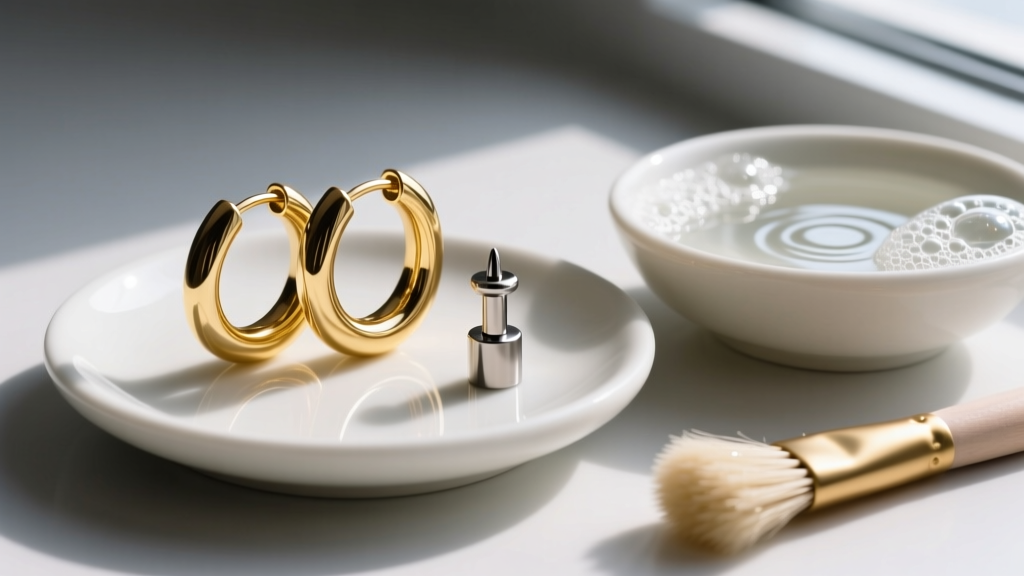
- The Solution: Mix 1 drop of pH-neutral, lotion-free dish soap (such as Dawn Free & Clear) into 8 ounces of distilled water. Distilled water prevents hard water mineral deposits (calcium and magnesium) from drying onto the metal and creating a cloudy film.
- The Soak: Submerge the earrings for exactly 3 to 5 minutes. This loosens sebum, dead skin cells, and cosmetic residue. Do not exceed 10 minutes, especially if the earrings have porous gemstones or adhesive-backed settings.
- Agitation: Use a soft-bristled baby toothbrush (0.1mm bristles) or a dedicated jewelry brush. Gently sweep the back of the settings and the post. Never use a hard-bristled brush, as it can leave micro-scratches on high-polish gold or silver.
- Rinse & Dry: Rinse under a gentle stream of distilled water. Pat dry with a lint-free microfiber cloth. For intricate pave settings where water gets trapped, use a can of compressed air to blow moisture out of the microscopic prong crevices.
Cartilage vs. Lobe: Washing Earrings While Pierced
Washing earrings while they are still inside your body requires a completely different approach, prioritizing biological safety over jewelry brilliance. According to the Association of Professional Piercers (APP), healing piercings should only be cleaned with sterile 0.9% sodium chloride saline solution. No soaps, no alcohols, and no essential oils.
The Flat-Back Labret Moisture Trap
In 2026, 16-gauge and 14-gauge titanium flat-back labrets remain the dominant choice for helix, conch, and tragus piercings. However, the flat disc sits flush against the back of the ear, creating a perfect micro-environment for moisture trapping. If you wash your hair or shower with these earrings in, water gets trapped between the metal disc and the fistula (the piercing channel).
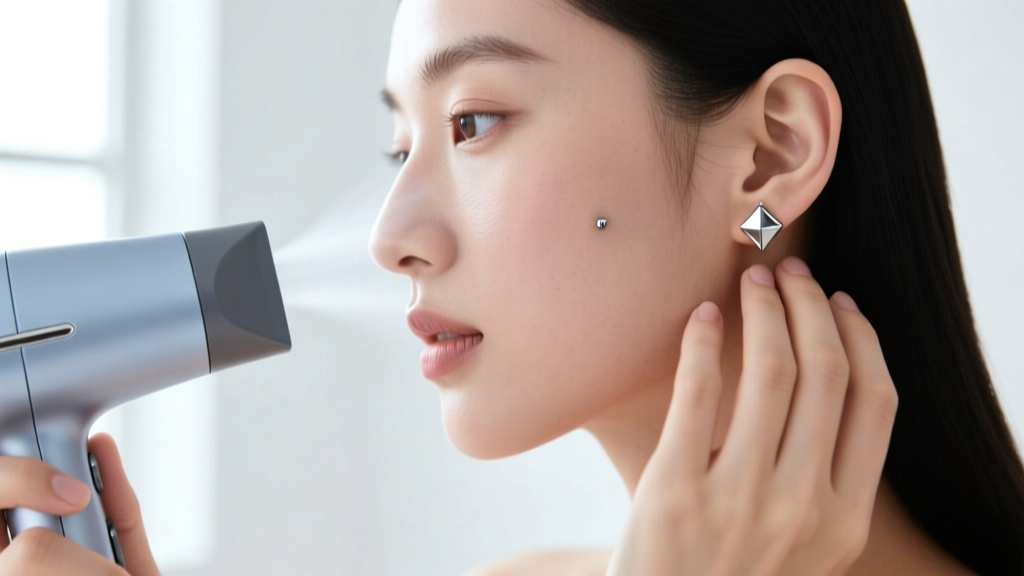
This trapped moisture can lead to localized bacterial or fungal growth, often presenting as a sore, itchy bump behind the ear. To prevent this, always dry your cartilage piercings after washing. Use a hairdryer on the cool, low setting held a few inches away from the ear to completely evaporate trapped moisture without burning the delicate healing tissue.
Common Failure Modes & Troubleshooting
- Cloudy Diamonds: Diamonds are lipophilic (oil-loving). If your diamond studs look dull after washing, it is likely because your dish soap contained a moisturizing agent (like aloe or hand-softeners) that left a lipid film on the pavilion (bottom) of the stone. Switch to a strict degreasing, lotion-free surfactant.
- Green Skin from Sterling Silver/Gold: If washing your earrings reveals a green residue on the posts, this is copper oxidation reacting to the acidity of your skin. While common in lower-karat gold and silver alloys, it can be mitigated by coating the post in a microscopic layer of clear nail polish or switching to titanium posts.
- Loose Stones After Washing: If a stone falls out during an ultrasonic wash, the vibrations likely shook loose a worn prong. Have a jeweler check your prong tension every 12 months, as ultrasonic cleaners will exploit existing structural weaknesses.
Understanding the specific material properties of your jewelry transforms the chore of cleaning into a precise maintenance ritual. By matching the wash method to the metallurgical and gemological profile of your earrings, you ensure they remain brilliant, hygienic, and structurally sound for decades.


