Howls Moving Castle Earrings: Fixing Heavy Dangles & Tarnish Issues
Solve common issues with Howls Moving Castle earrings. Learn to fix heavy dangles, prevent green skin from cheap alloys, and repair chipped enamel.

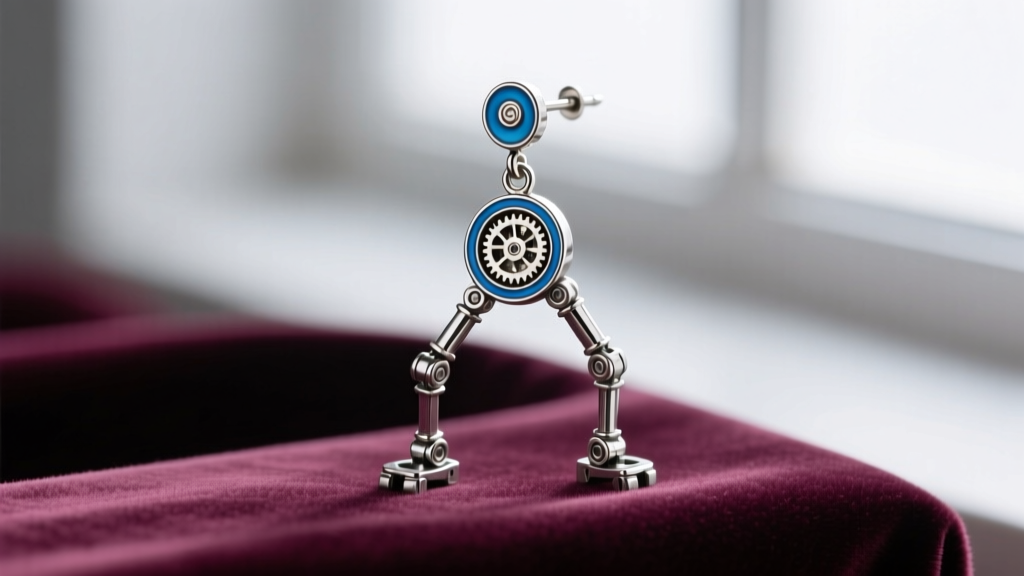
The Magic and the Mishaps: Why Fandom Jewelry Fails
Fandom jewelry allows us to carry a piece of our favorite worlds with us, but anime novelty earrings often prioritize 2D screen aesthetics over 3D structural wearability. When it comes to Howls Moving Castle earrings, fans frequently encounter a specific set of structural and metallurgical flaws. Whether you are rocking a massive walking castle dangle, a Turnip-Head drop, or a Calcifer fire-demon stud, the reality of wearing these pieces daily can lead to lobe stretching, severe contact dermatitis, and chipped charms.
As jewelry specialists, we see the same failure modes repeatedly with licensed and unlicensed Studio Ghibli merchandise. The good news? Almost all of these issues can be troubleshooted, repaired, or upgraded at home. Below is your comprehensive, expert-level guide to fixing the most common problems with Howls Moving Castle earrings.
Problem 1: Lobe Stretching from Heavy Castle & Turnip Head Dangles
The most iconic Howls Moving Castle earrings feature the walking castle itself or the cursed scarecrow, Turnip-Head. Because these designs require vertical length and multiple moving parts, they often weigh between 15 and 24 grams per earring. For context, a standard earlobe can comfortably support up to 7 grams before gravity begins to cause micro-tears in the fistula (the piercing hole).
The "Cheese-Cutter" Effect
Most mass-market anime dangles are strung on thin, 20-gauge (0.81mm) or 22-gauge (0.64mm) brass french wires. When a 20-gram castle charm hangs from a 0.81mm wire, it creates immense localized pressure. Over time, this acts like a cheese wire, slowly slicing downward through the lobe tissue, leading to irreversible stretching and eventual blowouts.
Troubleshooting & Solutions
- Immediate Relief (Silicone Supports): Purchase silicone earring support patches (often sold under brand names like Bling Guards or LobeWonder). These adhesive pads distribute the weight of the 20G wire across a wider surface area of the back of your lobe, reducing pressure by up to 60%.
- Permanent Fix (Gauge Upgrades): Take your earrings to a local bench jeweler and ask them to snip off the factory hook and solder on an 18-gauge (1.02mm) or 16-gauge (1.29mm) niobium or solid 14k gold french wire. The thicker wire drastically reduces the cheese-cutter effect and provides a safer anchor for heavy novelty charms.
- Wear-Time Limits: If you cannot modify the wire, restrict wear to 3-4 hours. Never sleep in heavy dangles, as tossing and turning can catch the mechanical legs of the castle on your pillow, causing sudden, traumatic lobe tearing.
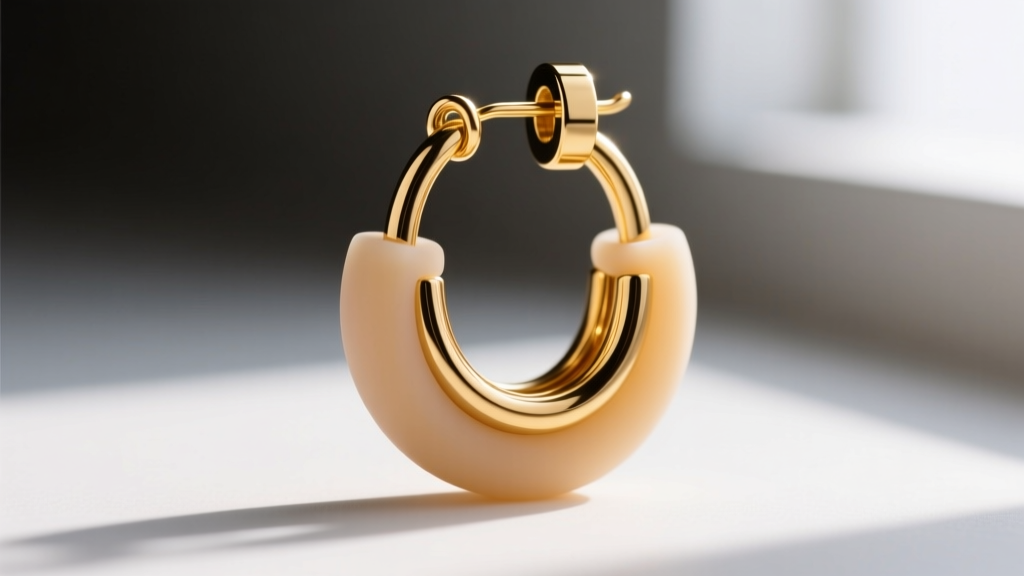
Problem 2: The "Calcifer" Green Skin Effect (Alloy Oxidation)
Have you ever taken off your Sophie hat or Calcifer studs to find your earlobes stained a vibrant, toxic green? This is not an infection; it is a chemical reaction. The vast majority of affordable Howls Moving Castle earrings are cast from Zamak (a zinc alloy containing aluminum, magnesium, and copper) and plated with a microscopically thin layer of silver or brass.
The Chemistry of Green Ears
When the plating wears off from friction and sweat, the underlying copper and nickel are exposed. Human sweat has a pH ranging from 4.5 to 7.0 and contains salt. When copper reacts with the acids and oxygen in your sweat, it creates copper chloride, a green salt that transfers directly onto your skin. Furthermore, the nickel in Zamak is a leading cause of allergic contact dermatitis. According to the Mayo Clinic, nickel allergies affect up to 36% of women, causing severe itching, redness, and blistering.
Material Comparison & Wearability Matrix
| Material Grade | Common Use in Ghibli Merch | Tarnish / Green Skin Risk | Allergy Risk | Longevity |
|---|---|---|---|---|
| Zamak (Zinc Alloy) | Budget anime convention stalls | High (turns skin green quickly) | High (Nickel presence) | 1-3 Months |
| Brass / Bronze | Mid-tier indie Etsy sellers | Moderate (oxidizes brown/green) | Moderate | 1-2 Years |
| 925 Sterling Silver | Premium licensed Studio Ghibli | Low (tarnishes black, washes off) | Very Low (if nickel-free) | Lifetime |
| Implant-Grade Titanium (ASTM F136) | High-end custom piercers | None | None (Hypoallergenic) | Lifetime |
Troubleshooting & Solutions
- The Polish Barrier Trick: Paint the earring posts and the back of the charms with clear, hard-coat nail polish (like Seche Vite). This creates a physical resin barrier between the reactive Zamak and your skin. Reapply every 3 weeks.
- Post Swapping: If the allergy is localized only to the piercing hole, use jewelry pliers to remove the alloy post from a stud earring and superglue or solder a flat-pad titanium or surgical steel post in its place.
- Cleaning the Green: Remove green skin stains by wiping the area with a cotton pad soaked in micellar water or rubbing alcohol. Do not scrub raw skin.
Problem 3: Chipped Enamel on Sophie & Howl Charms
Vibrant, character-specific details—like Howl’s pink hair, Sophie’s blue dress, or the glowing orange of Calcifer’s flames—are usually achieved using "cold enamel." Unlike traditional vitreous enamel (which is crushed glass fired at 1,400°F), cold enamel is actually a two-part epoxy resin. While cheaper to produce, epoxy resin is highly susceptible to chipping upon impact and yellowing under UV light exposure.
How to Repair Chipped Cold Enamel
If your favorite Howl bird-form dangle has taken a tumble and chipped, you can perform a near-invisible repair using UV jewelry resin.
- Step 1: Clean the chipped area with isopropyl alcohol to remove skin oils.
- Step 2: Use a toothpick to apply a micro-drop of tinted UV resin into the chip. Match the color using alcohol inks or mica powders.
- Step 3: Cure the resin under a 36W UV nail lamp for 60 seconds.
- Step 4: Lightly buff the cured resin with a 3000-grit micro-mesh pad to level it with the surrounding metal.
For deeper insights into jewelry resin and metal alloys, the Gemological Institute of America (GIA) provides extensive resources on how different jewelry materials degrade and interact with environmental factors over time.
Problem 4: Cartilage Rejection with Heavy Ear Cuffs
Ear cuffs designed to mimic the wrapping vines of the Witch of the Waste or the mechanical pipes of the castle are incredibly popular for non-pierced cartilage styling. However, heavy cuffs rely on extreme tension to stay on the helix. This constant compression can lead to ischemia (restriction of blood flow), causing the cartilage to become tender, bruised, and eventually reject the jewelry by swelling and pushing it off.
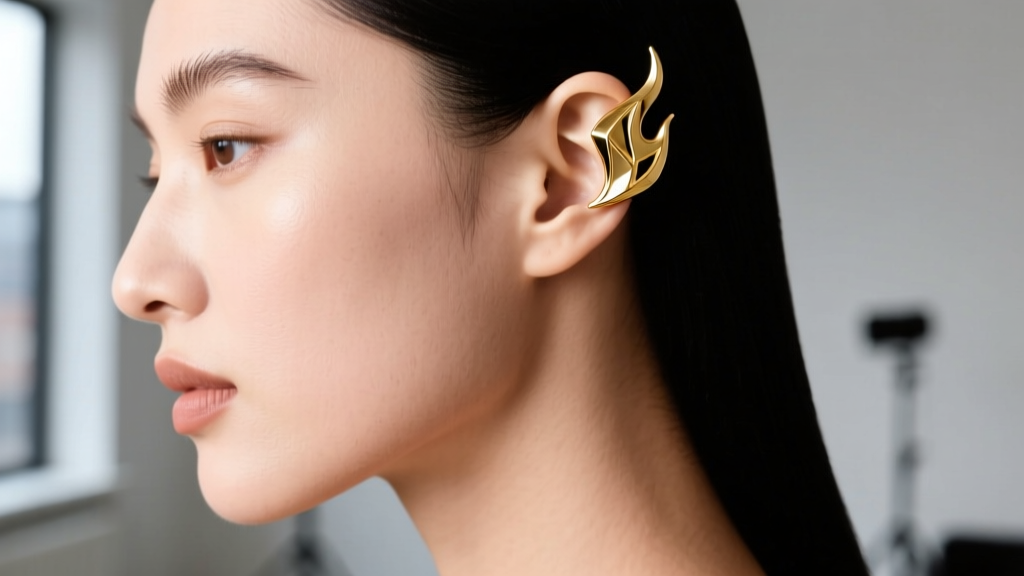
Tension Adjustment Guide
To troubleshoot a painful or slipping ear cuff, you must adjust the tension to the specific thickness of your cartilage ridge. Most ear cuffs are made from soft metals like aluminum or dead-soft sterling silver.
- If it’s pinching and causing throbbing: Use nylon-jaw pliers to gently bend the back curve of the cuff outward by 2-3 millimeters. This reduces the clamping force while maintaining friction.
- If it’s sliding off: Squeeze the cuff slightly tighter, but add a tiny dot of clear silicone earring glue to the inside of the cuff’s contact points to increase grip without requiring bone-crushing tension.
- Placement matters: The thickest part of the upper helix provides the most secure anchor. Avoid placing heavy cuffs on the thinner, lower rim of the ear where the cartilage tapers.
Final Thoughts on Fandom Jewelry Care
Owning Howls Moving Castle earrings is a wonderful way to celebrate a cinematic masterpiece, but treating them like fine jewelry requires a bit of mechanical intervention. By upgrading your wire gauges, sealing reactive alloys, and properly adjusting cartilage tension, you can ensure your jewelry remains as magical and enduring as Howl and Sophie’s story. For further reading on metal sensitization and safe jewelry standards, the Nickel Institute offers comprehensive guidelines on identifying and avoiding reactive base metals in fashion accessories.


