How to Identify and Style Vintage Camphor Glass Earrings
Discover how to identify, price, and style authentic vintage camphor glass earrings. A beginner's guide to Art Deco frosted glass jewelry.

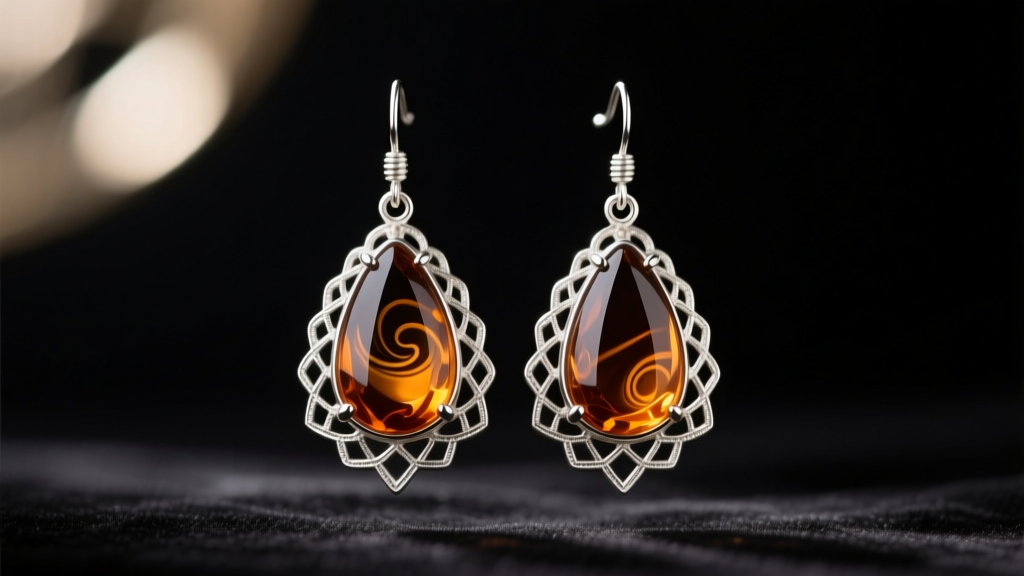
The Allure of Vintage Camphor Glass Earrings
For collectors and vintage jewelry enthusiasts, few materials capture the romantic, intricate essence of the early 20th century quite like camphor glass. Despite its name, this material contains absolutely no camphor. Instead, it is a masterful illusion of texture and light that has made vintage camphor glass earrings highly coveted on the antique market. Whether you are a beginner looking to purchase your first pair of Art Deco earrings or a seasoned collector trying to differentiate between authentic glass and later plastic imitations, understanding the material science, historical hardware, and styling nuances of these pieces is essential. In this comprehensive guide, we will break down everything you need to know about identifying, pricing, and wearing these frosted treasures.
The Origins and Science of Camphor Glass
The term 'camphor glass' originated in the late 19th and early 20th centuries because the finished product closely resembled carved camphor, a waxy, flammable organic compound derived from the wood of the camphor laurel tree. True vintage camphor glass is actually soda-lime glass or, in some later iterations, early celluloid. The signature 'frosted' appearance is not molded; it is chemically engineered.
Artisans achieved this look by pressing glass into intricate molds featuring floral, geometric, or starburst motifs, and then treating the surface with hydrofluoric acid. This highly corrosive acid etches the top layer of the glass, creating a permanent, velvety, matte finish that diffuses light beautifully. According to historical archives at Lang Antiques University, this technique peaked in popularity during the Art Deco and Art Nouveau movements, often paired with sterling silver filigree settings, marcasite, or seed pearls to create striking monochromatic contrast.
How to Authenticate Vintage Camphor Glass Earrings
The market is flooded with modern resin and molded plastic replicas. To ensure you are buying authentic vintage camphor glass earrings, you must examine the piece using a multi-sensory approach.
1. The Temperature and Weight Test
Glass is denser and conducts temperature differently than plastic or celluloid. When you touch authentic glass camphor earrings to your cheek or the inside of your wrist, they should feel distinctly cool to the touch and take a moment to warm up. Celluloid, an early plastic used in the 1920s and 1930s to mimic glass, will feel closer to room temperature and significantly lighter. Modern resin replicas will feel almost weightless and warm immediately.
2. Examining the Carving Depth
Because true camphor glass was pressed and then acid-etched, the carving lines have a specific softness. Run your fingernail gently over the grooves. Authentic acid-etched glass will have slightly rounded, soft edges inside the crevices. Molded plastic imitations often have sharp, uniform, and overly perfect grooves with a high-gloss finish inside the carved lines, betraying their mass-produced origins.
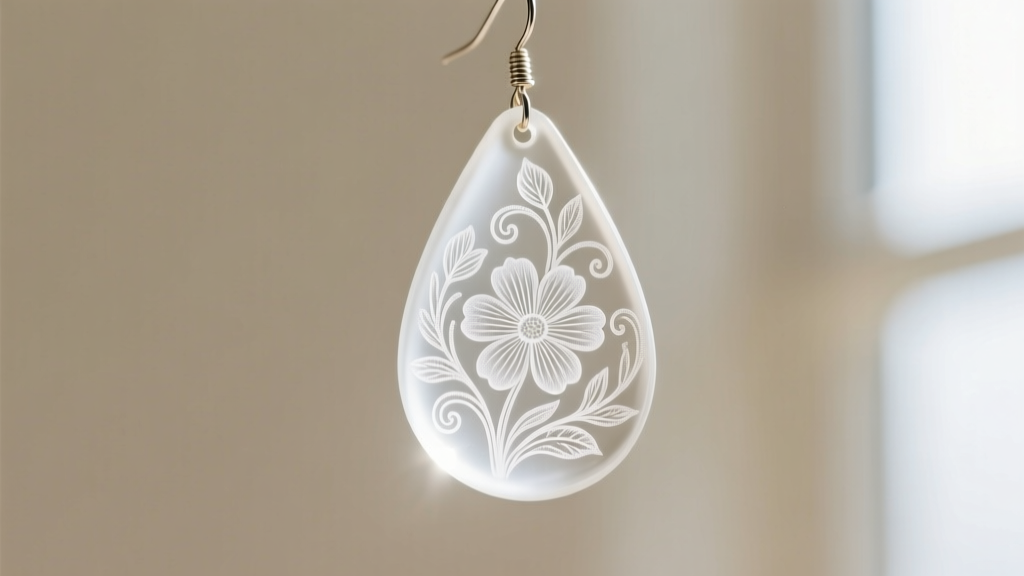
3. Decoding the Hardware and Gauge
The metalwork attached to the glass is often the most reliable dating tool. Vintage pieces from the 1920s and 1930s frequently feature screw-back clasps or early lever-back wires. Pay close attention to the post thickness. Modern earrings typically use 20-gauge or 22-gauge posts. Authentic vintage screw-back earrings often feature much thicker posts, typically 18-gauge or even 16-gauge, to support the heavy glass drops and the threading of the screw mechanism. Furthermore, look for natural patina on the metal; a uniform, bright, shiny finish on a supposedly 1920s piece is a major red flag for modern reproduction.
Material Comparison Chart
Use this quick-reference table to differentiate between the three most common materials used in vintage-style frosted earrings.
| Material | Temperature to Touch | Carving Edge Feel | Typical Era | Market Value |
|---|---|---|---|---|
| Soda-Lime Glass | Cool, heavy | Soft, acid-etched grooves | 1890s - 1940s | High ($80 - $300+) |
| Celluloid | Neutral, lightweight | Softer, prone to wear | 1920s - 1930s | Medium ($50 - $150) |
| Modern Resin/Plastic | Warm, very light | Sharp, molded, glossy grooves | 1980s - Present | Low ($10 - $30) |
Styling Camphor Glass Earrings for Your Face Shape
Because camphor glass earrings are inherently ornate and carry a strong vintage aesthetic, balancing their visual weight with your facial structure is key to a modern, elegant look.
- Round Faces: Avoid circular hoops or rounded studs, which can emphasize facial fullness. Instead, opt for elongated, angular Art Deco camphor glass drop earrings. The geometric lines and vertical drop will create a lengthening illusion, drawing the eye downward.
- Square Faces: Soften a strong jawline by choosing camphor glass earrings with curved, organic motifs. Floral-carved glass drops or rounded huggie-style clips with camphor glass inlays will complement your natural angles without competing with them.
- Oval Faces: You have the versatility to pull off almost any style. However, to highlight your balanced proportions, geometric camphor glass stud earrings set in sterling silver filigree are an excellent choice, framing the face without overwhelming it.
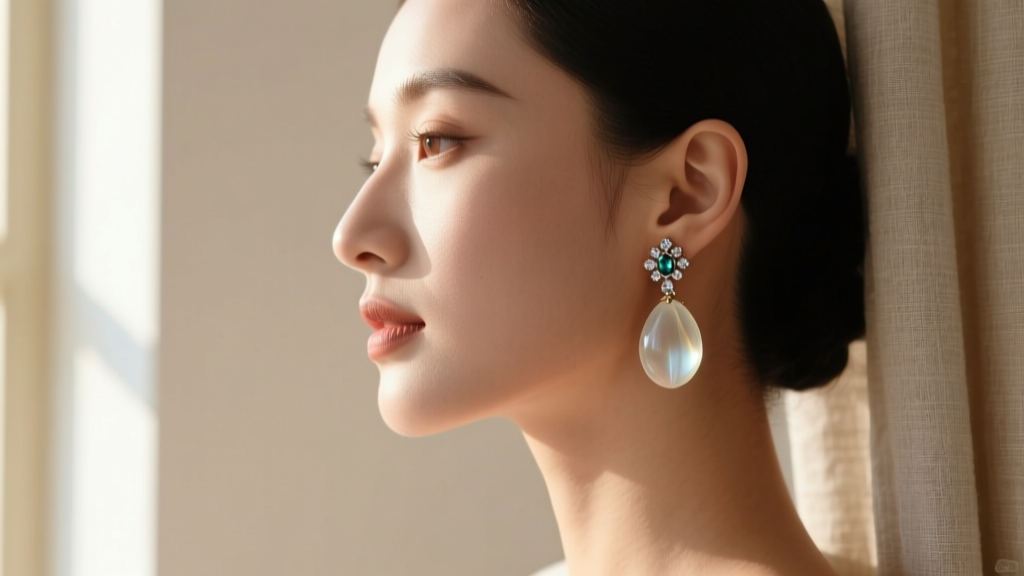
- Heart-Shaped Faces: Balance a narrower chin with bottom-heavy designs. Teardrop-shaped camphor glass dangles or chandelier styles that add volume below the earlobe will beautifully harmonize your features.
2026 Market Pricing: What Should You Expect to Pay?
The vintage jewelry market has seen steady appreciation, and pricing for authentic camphor glass earrings varies wildly based on condition, setting material, and provenance. Based on current market data from platforms like 1stDibs Editorial and antique auction results, here is a realistic pricing framework for buyers:
- Base Metal / Pot Metal Settings ($40 - $80): Earrings set in unmarked base metals or brass. Often feature screw-backs. Great for beginners, but watch out for 'sleeping sickness' (green corrosion) on the metal.
- Sterling Silver with Marcasite ($120 - $250): The sweet spot for collectors. Sterling silver (stamped 925 or 'Sterling') featuring intricate filigree and pave marcasite accents surrounding the glass. These hold their value exceptionally well.
- Designer / High-End Parures ($300 - $600+): Pieces attributed to specific designers (like Trifari or Coro) or earrings that are part of a complete, intact parure (matching necklace, brooch, and bracelet). Rare tinted camphor glass (pale pink or celadon green) also commands a massive premium over standard white/clear glass.
Essential Care and Troubleshooting
Vintage glass and early plastics require specific care to prevent irreversible damage. The most common failure mode for beginners is using modern jewelry cleaning techniques on antique pieces.
Expert Warning: Never place vintage camphor glass earrings in an ultrasonic cleaner. The high-frequency vibrations can easily shatter old, internally stressed glass or shake loose the fragile glue used to secure the glass into its metal bezel.
Instead, clean your earrings using a few drops of mild, phosphate-free dish soap and lukewarm water. Use a baby-soft toothbrush to gently agitate the dirt from the acid-etched grooves. Dry immediately with a microfiber cloth. If your earrings feature celluloid rather than glass, keep them away from extreme heat and direct sunlight, as celluloid is highly unstable and can degrade, crack, or even off-gas harmful acids over time—a phenomenon known among collectors as 'celluloid rot.' Store them in a cool, dark, and well-ventilated jewelry box, separated from other pieces to prevent the heavy glass from scratching softer gems.


