How to Know If Your Earring Is Infected: A Step-by-Step Guide
Learn how to know if your earring is infected with our step-by-step guide. Spot early signs, understand material allergies, and treat piercing issues.

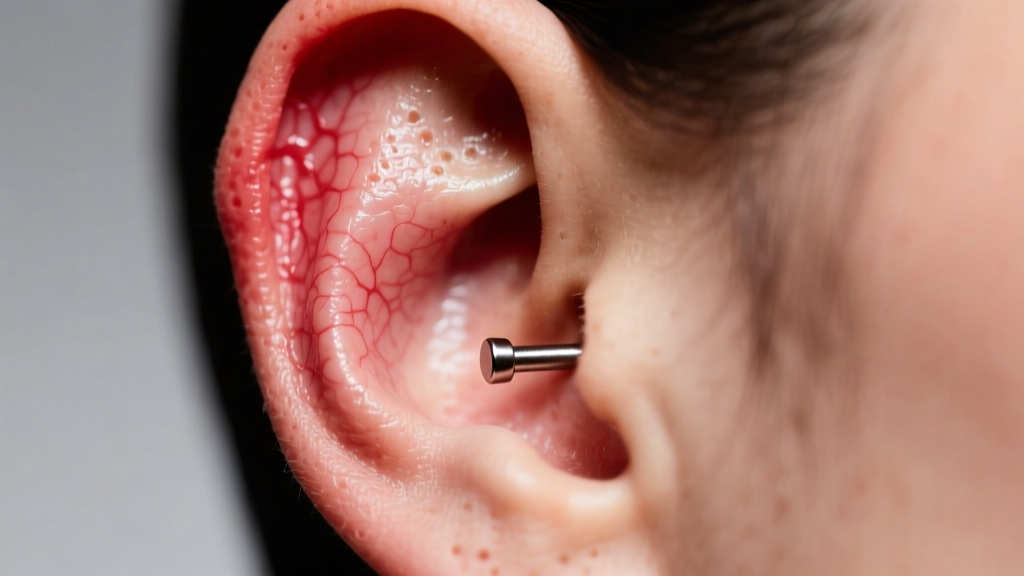
The First 48 Hours: Normal Healing vs. Early Infection
Getting a new piercing is an exciting form of self-expression, but the subsequent healing phase requires strict vigilance. If you are currently researching how to know if your earring is infected, you are likely experiencing discomfort, localized swelling, or unusual discharge. However, it is crucial to understand that not all irritation equates to a bacterial infection. In fact, the Association of Professional Piercers (APP) notes that true clinical infections in new piercings are relatively rare compared to mechanical irritation, trauma, or contact dermatitis.
During the first 48 hours, your body initiates an acute inflammatory response. Blood vessels dilate to deliver white blood cells to the puncture site, resulting in localized redness, mild swelling, and a throbbing sensation. This is a normal physiological reaction to the trauma of a piercing needle, whether you were pierced at a standard 20-gauge (0.81mm) for earlobes or a 16-gauge (1.29mm) for cartilage. True infections typically take 48 to 72 hours to incubate and manifest visibly. Therefore, immediate post-procedure swelling is usually trauma, not an infection.
5 Clinical Signs Your Earring Piercing Is Actually Infected
To accurately determine the state of your piercing, you must look for specific pathological markers that differentiate a localized bacterial infection from standard healing. Watch for these five clinical indicators:
- Purulent Discharge: While clear or pale white lymph fluid that dries into 'crusties' is normal, thick, opaque, yellow, or green pus accompanied by a foul odor is a primary indicator of bacterial presence (commonly Staphylococcus aureus or Pseudomonas aeruginosa).
- Radiating Heat: The tissue immediately surrounding the fistula (the piercing channel) will feel noticeably hot to the touch compared to the rest of your ear.
- Spreading Erythema: Redness that expands outward from the puncture site in a growing radius, rather than staying confined to the immediate entry and exit points.
- Systemic Symptoms: The presence of a fever, chills, body aches, or swollen lymph nodes in your neck indicates that the infection is no longer localized and requires immediate medical intervention.
- Progressive Throbbing Pain: Normal piercing pain should steadily decrease after day three. Pain that sharply escalates or prevents you from sleeping on the opposite side of your head is a major red flag.
Infection vs. Metal Allergy: The Diagnostic Checklist
One of the most common reasons people mistakenly believe their earring is infected is actually an undiagnosed metal allergy. According to the Cleveland Clinic, contact dermatitis triggered by nickel is incredibly common. Many commercial 'surgical steel' earrings contain up to 10-14% nickel, which leaches into the open wound of a fresh piercing, causing severe allergic reactions that mimic infection.
| Symptom / Indicator | True Bacterial Infection | Metal Allergy (Contact Dermatitis) | Mechanical Irritation (Snagging) |
|---|---|---|---|
| Discharge Type | Thick, yellow/green, foul odor | Clear, weeping fluid, intense itching | Minor bleeding or clear lymph |
| Tissue Color | Deep red, purple, spreading | Pink, flaky, localized rash | Red bump (hypertrophic scarring) |
| Pain Level | Throbbing, hot, tender to pressure | Burning, stinging, highly itchy | Sharp pain only when touched/moved |
| Primary Cause | Poor hygiene, contaminated water | Nickel or low-karat gold alloys | Sleeping on it, long earring posts |
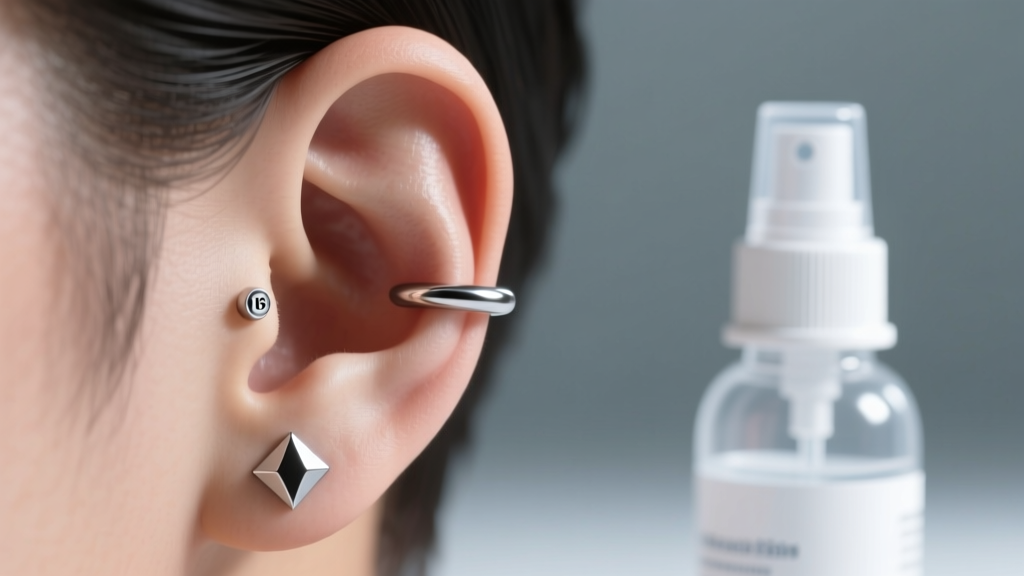
Step-by-Step Treatment Protocol for Infected Lobes and Cartilage
If you have confirmed that your symptoms align with a true bacterial infection rather than an allergy or irritation bump, you must act swiftly. Cartilage piercings (like the helix, tragus, or conch) are particularly vulnerable because cartilage lacks its own blood supply, meaning systemic antibiotics are often required to prevent permanent tissue necrosis or 'cauliflower ear' deformity.
Step 1: Do Not Remove the Earring (The Abscess Trap)
The most common mistake people make when learning how to know if your earring is infected is immediately pulling the jewelry out. Do not remove the jewelry. The earring post acts as a drain for the fistula. If you remove it, the surface tissue will rapidly close over the wound, trapping the bacteria inside and forming a painful abscess. Leave the jewelry in place to allow the infection to drain unless explicitly instructed otherwise by a physician.
Step 2: The Sterile Saline Soak Method
Discard all home remedies, rubbing alcohol, hydrogen peroxide, and tea tree oil. These harsh chemicals destroy the delicate, newly formed epithelial cells lining the fistula, delaying healing and worsening tissue damage. Instead, purchase a sterile 0.9% sodium chloride wound wash (ensure there are no added preservatives or active ingredients). Spray the solution onto a sterile, non-woven gauze pad and hold it against the entry and exit points for 3 to 5 minutes, twice daily. This softens lymph crusts and gently flushes away purulent discharge without disrupting the healing tissue.
Step 3: Evaluate Post Length and Downsize if Necessary
Initial piercing jewelry is intentionally long (often 8mm to 10mm posts) to accommodate swelling. However, once the initial swelling subsides around week two or three, the excess post becomes a lever that catches on hair and clothing, driving bacteria into the wound. Visit a professional piercer to downsize to a snugger post (typically 5mm or 6mm for lobes, depending on tissue thickness) to eliminate mechanical movement.
Step 4: When to Escalate to Oral Antibiotics
According to the Mayo Clinic, if localized home care does not improve symptoms within 48 hours, or if you develop a fever, you must see a doctor. A physician will typically prescribe a course of oral antibiotics, such as Cephalexin or Clindamycin, which target skin flora. Topical antibiotic ointments (like Neosporin) should be avoided in piercings, as their petroleum base blocks oxygen flow to the fistula and traps bacteria.
Preventative Measures: Choosing Hypoallergenic Implant Grades
Preventing an infection starts long before the needle touches your skin; it begins with material selection. The environment of a fresh piercing is highly corrosive due to the presence of blood, lymph, and saline. Low-quality metals will oxidize, pit, and harbor bacteria in microscopic scratches.
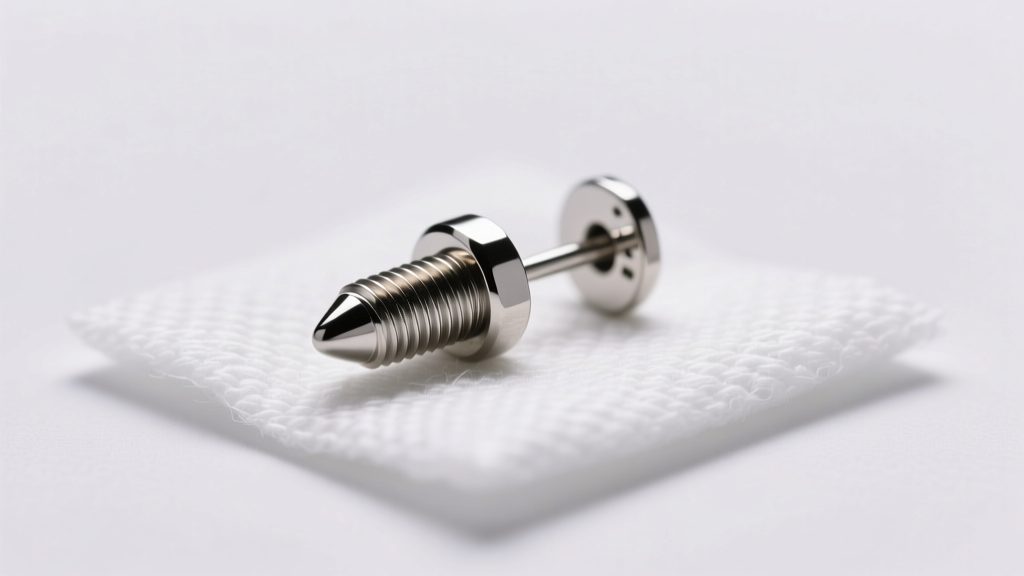
For fresh piercings, you must insist on ASTM F136 implant-grade titanium. This specific alloy is completely nickel-free, highly polished to a mirror finish, and biocompatible, meaning the human body does not recognize it as a foreign threat. Alternatively, niobium or solid 14k/18k gold (specifically alloyed with palladium or silver, never nickel) are safe choices. Avoid 'surgical steel' (316L), as it is a porous alloy that contains nickel and is only suitable for fully healed piercings, if at all.
When to See a Doctor: Red Flag Symptoms
While most minor localized infections can be managed with diligent sterile saline soaks and proper jewelry retention, certain scenarios demand immediate emergency medical care. Seek urgent medical attention if you experience:
- Red streaks radiating from the piercing site toward your neck or jaw (a sign of lymphangitis or blood poisoning).
- An embedded earring, where the swelling has completely swallowed the front or back of the jewelry, cutting off circulation to the tissue.
- A high fever (above 100.4°F or 38°C) accompanied by nausea or dizziness.
- Cartilage deformation or a squishy, fluid-filled lump indicating a perichondral abscess, which requires surgical drainage by an ENT specialist.
By understanding the precise differences between normal healing trauma, metal allergies, and true bacterial infections, you can confidently manage your piercing journey. Always prioritize high-quality, internally threaded or threadless implant-grade jewelry, and treat your healing fistula with the same clinical respect as any other surgical wound.


