Imperial Candles Earrings: Material Quality & Properties Guide
Discover the exact metals, plating thickness, and gemstone properties of Imperial Candles earrings to determine if they are safe for sensitive ears.

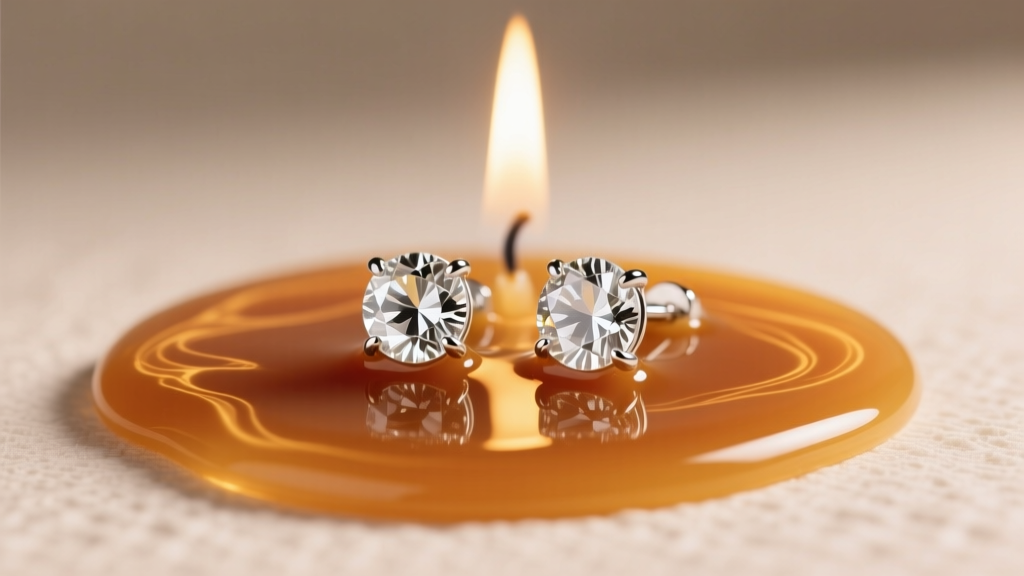
The Mystery Metal: What Are Imperial Candles Earrings Made Of?
The thrill of burning a jewelry candle lies in the anticipation of the reveal. As the soy wax melts away, you might unearth a pair of sparkling Imperial Candles earrings. But once the wax is gone and the initial excitement fades, a critical question remains for anyone with sensitive skin or a passion for metallurgy: what exactly are you putting into your earlobes? To evaluate these earrings from a material science perspective, we must look past the brilliant shine and examine the base alloys, plating techniques, and structural integrity of the metals involved.
Base Alloys vs. Flash Plating
Most mystery jewelry, including the pieces found inside Imperial Candles, utilizes a zinc alloy base—most commonly Zamak 3 or Zamak 5. Zamak is an alloy of zinc, aluminum, magnesium, and copper. It is heavily favored in mass-market jewelry manufacturing because of its low melting point and exceptional castability, which allows for intricate, highly detailed earring designs like vintage filigree or complex floral motifs. However, raw zinc alloy is inherently dull, grayish, and highly susceptible to oxidation.
To achieve the look of precious metals, these Zamak bases undergo electroplating. Unlike fine jewelry vermeil, which legally requires a minimum of 2.5 microns of gold or silver over a sterling silver base, mystery candle jewelry typically employs a technique known as "flash plating." Flash plating deposits a microscopic layer of metal—often less than 0.1 to 0.5 microns thick. While this provides an immediate, high-shine finish that looks stunning when first excavated from the wax, it lacks the structural durability required for daily, long-term wear. The ultra-thin plating will eventually wear away through friction and exposure to skin oils, revealing the base metal beneath.
Post Materials and Ear Sensitivity: The Nickel Factor
The earring post is the most critical component of any stud or drop earring, as it is the only part that interacts directly with the internal tissue of your fistula (the piercing channel). Imperial Candles earrings generally feature stainless steel posts. While the term "surgical stainless steel" (typically 316L grade) is widely used and generally safe for the general population, it is not entirely nickel-free.
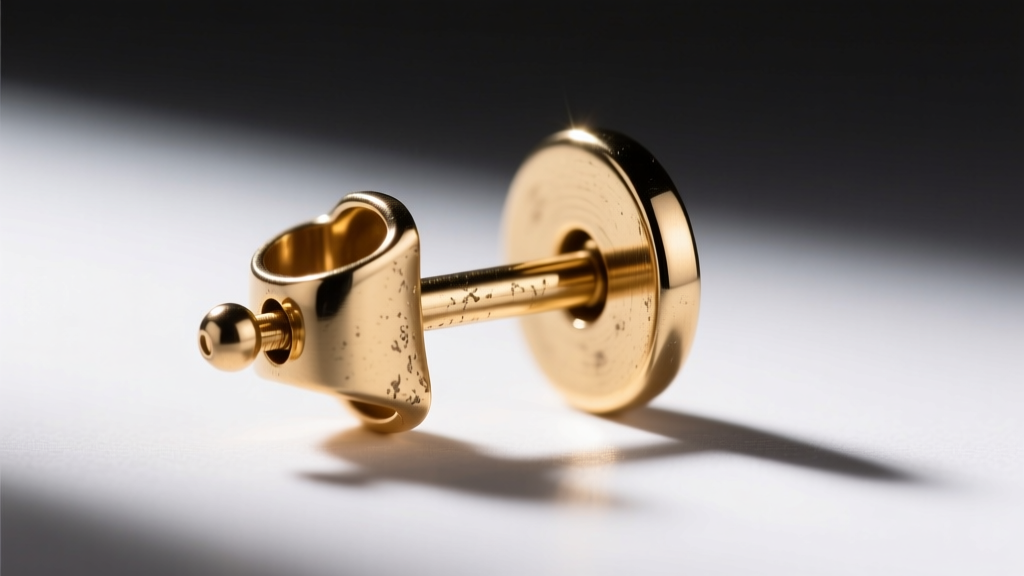
316L stainless steel contains roughly 10% to 14% nickel. While the nickel is tightly bound within the alloy matrix, it can still leach out when exposed to the slightly acidic, saline environment of a healing or sensitive earlobe. According to the American Academy of Dermatology, nickel allergy is the most common contact allergy worldwide, affecting up to 18% of adults. If you have known metal sensitivities, wearing flash-plated stainless steel posts for extended periods can trigger allergic contact dermatitis, resulting in redness, itching, and weeping piercings.
Expert Tip: If you love a pair of Imperial Candles earrings but have sensitive ears, take them to a local jeweler to have the steel posts snipped off and replaced with implant-grade titanium (ASTM F136) or 14k solid gold posts. This simple modification makes them completely biocompatible for 24/7 wear.
Gemstone Simulants: Cubic Zirconia vs. Crystal Glass
The "diamonds," "sapphires," and "emeralds" sparkling in your newly discovered earrings are simulants. Imperial Candles primarily uses Cubic Zirconia (CZ) and precision-cut crystal glass for their premium tiers. Understanding the optical and physical properties of these stones is essential for determining their longevity.
Optical Properties and Hardness
Cubic Zirconia is a synthetic crystalline substance composed of zirconium dioxide. According to the Gemological Institute of America (GIA), CZ ranks at 8 to 8.5 on the Mohs scale of hardness. This makes it highly resistant to scratching and capable of retaining its brilliant, sharp facet edges over time. Furthermore, CZ possesses a high refractive index (2.15–2.18), giving it exceptional fire and brilliance that closely mimics a natural diamond. Because it is lab-created, it is also optically flawless, lacking the natural inclusions found in mined gemstones.
Conversely, lower-tier mystery jewelry often relies on lead glass or acrylic rhinestones, which rank at a mere 5 to 6 on the Mohs scale. Glass simulants are easily scratched by everyday environmental dust (which contains quartz particles ranking at Mohs 7). Over time, glass stones will lose their luster, developing a cloudy, abraded surface that dulls their sparkle. Fortunately, Imperial Candles generally adheres to CZ for their featured jewelry, ensuring the stones remain optically clear even after years of occasional wear.
Material Comparison: Imperial Candles vs. Fine Jewelry Standards
To provide a clear framework for evaluating your candle-found jewelry, we have broken down the material specifications of typical Imperial Candles earrings against the baseline standards for fine, everyday jewelry.
| Material Property | Imperial Candles Earrings (Typical) | Fine Jewelry Standard (Daily Wear) |
|---|---|---|
| Base Metal | Zamak (Zinc/Aluminum Alloy) | Solid 14k/18k Gold, Platinum, or Sterling Silver |
| Plating Thickness | Flash Plated (0.1 - 0.5 microns) | Heavy Vermeil (2.5+ microns) or Solid |
| Post Material | 316L Stainless Steel (Contains Nickel) | Implant-Grade Titanium (ASTM F136) or Solid Gold |
| Primary Gemstones | Lab-Created Cubic Zirconia (Mohs 8-8.5) | Natural Diamonds (Mohs 10) or Lab-Grown Diamonds |
| Stone Setting | Prong or Bezel (Glue-assisted) | Secure Prong, Bezel, or Channel (No glue) |
| Best Use Case | Occasional / Fashion Wear | 24/7 Wear, Healing Piercings, Sensitive Ears |
Longevity, Tarnish Resistance, and Wax Removal
When you first pull a pair of Imperial Candles earrings from the wax, they are often coated in a stubborn, oily film of soy or paraffin residue. How you clean this residue will directly impact the lifespan of the flash plating.
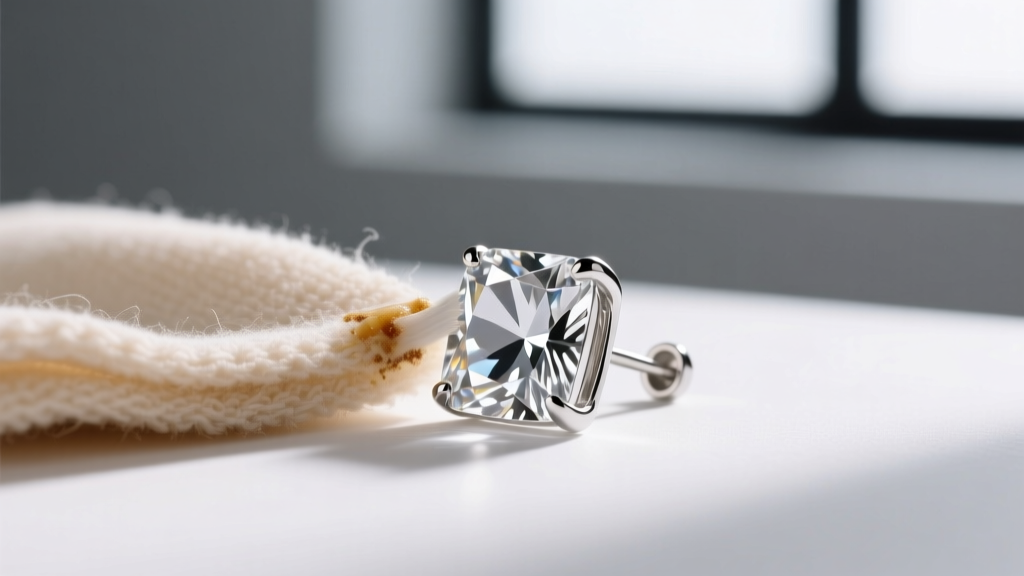
Never use ultrasonic cleaners, jewelry dips, or harsh chemical solvents (like ammonia, bleach, or acetone) to remove wax or clean the metal. These aggressive methods will instantly strip the 0.5-micron flash plating, exposing the raw Zamak or brass base. Once exposed to oxygen and moisture, the underlying copper content in the alloy will rapidly oxidize, turning both the metal and your skin a distinct shade of green.
Instead, use a gentle, non-chemical approach. Soak the earrings in a bowl of warm water mixed with a few drops of mild, pH-neutral dish soap for five minutes to soften the wax. Gently wipe the metal and stones with a soft microfiber cloth. For stubborn wax trapped in intricate filigree details, use a wooden toothpick or a soft-bristled baby toothbrush to carefully dislodge the debris without scratching the delicate plated surface. Always store the earrings in an airtight ziplock bag with a silica gel packet when not in use to slow down the inevitable oxidation process.
Final Verdict: Are They Worth the Burn?
From a strict metallurgical and gemological standpoint, Imperial Candles earrings are classified as fashion or costume jewelry. They are not designed to be heirloom pieces, nor are they suitable for individuals with severe nickel allergies or those seeking 24/7 sleep-safe jewelry. However, when evaluated within the context of their price point and the novelty of the candle-burning experience, they offer excellent value. The use of durable Cubic Zirconia and detailed Zamak casting provides a visually striking accessory that, when cared for properly and worn occasionally, will deliver plenty of sparkle and conversational charm for years to come.


