Troubleshooting Tarnish and Fading in Red Pearl Earrings
Learn how to troubleshoot fading, dye bleeding, and tarnish on red pearl earrings with expert cleaning, storage, and restoration tips.

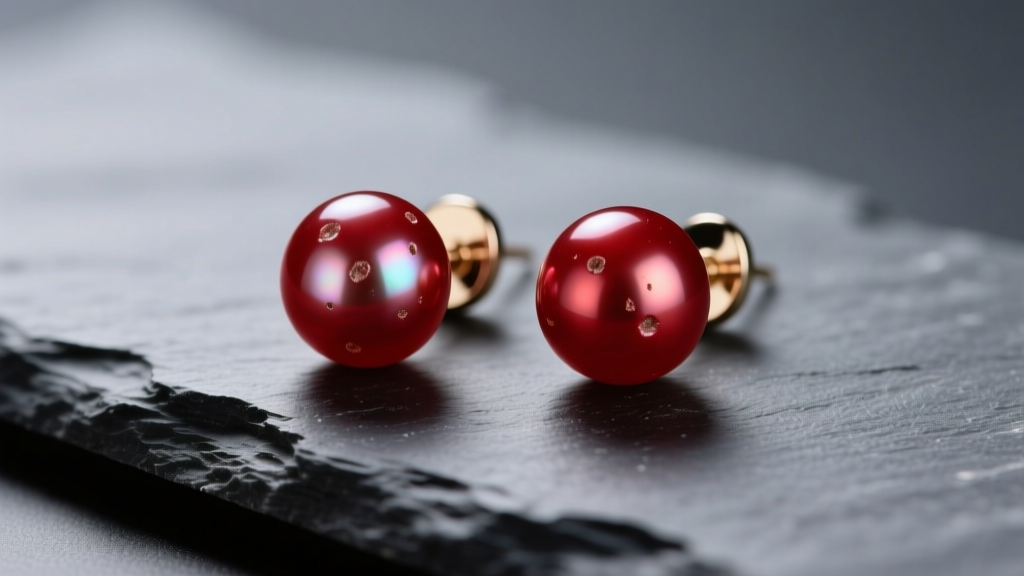
Red pearl earrings are a striking, unconventional choice in fine jewelry, offering a bold alternative to classic white or black varieties. However, their vibrant hue makes them uniquely susceptible to a specific set of degradation issues. Whether you own a $40 pair of dyed freshwater studs or a $4,000 set of natural Quahog pearls, problems like color bleeding, nacre peeling, and hardware tarnish are common complaints. Understanding the underlying chemistry and structural vulnerabilities of these gems is the first step toward effective restoration and long-term preservation.
The Science Behind the Color: Natural vs. Treated
To troubleshoot issues with red pearl earrings, you must first identify their origin. True, naturally occurring red pearls are exceptionally rare. The vast majority of red pearls on the market are created through human intervention, which directly dictates their maintenance needs.
- Dyed Freshwater Pearls: Account for roughly 85% of the market. These are typically low-grade white or peach freshwater pearls submerged in organic red dyes and sometimes heated to deepen the color. The dye only penetrates the outer 0.1mm to 0.3mm of the nacre, making them highly prone to fading and color transfer.
- Irradiated/Treated Akoya: These saltwater pearls are exposed to gamma radiation or silver nitrate treatments to alter their color to dark reds or burgundies. While more colorfast than dyed freshwater pearls, they can still suffer from nacre dehydration and cracking.
- Natural Quahog Pearls: Sourced from the Venus mercenaria clam, these non-nacreous pearls feature natural brick-red to purple hues. Priced between $2,000 and $10,000+, they do not suffer from dye bleeding but are vulnerable to dulling from acidic skin contact.
Troubleshooting Matrix: Identifying Your Pearl Failure
Use the following diagnostic chart to pinpoint the exact failure mode affecting your earrings and identify the immediate corrective action.
| Symptom | Primary Cause | Affected Pearl Types | Immediate Corrective Action |
|---|---|---|---|
| Color rubbing off on skin/clothing | Sweat acidity breaking down surface dye | Dyed Freshwater | Wipe with distilled water; stop wearing until professionally sealed |
| Fading to dull pink/orange | UV exposure and harsh chemical cleaners | Dyed Freshwater, Treated Akoya | Store in UV-blocking pouch; professional re-dyeing required |
| Green/black tarnish on metal posts | Galvanic corrosion from dye moisture | All (with base metal settings) | Upgrade posts to ASTM F136 titanium or 14k+ gold |
| Chalking or peeling surface layers | Low humidity causing nacre dehydration | Treated Akoya, Thin-nacre Freshwater | Introduce localized humidity (45% RH); apply mineral oil sparingly |
Problem Solving: Dye Bleeding and Color Loss
The most frequent complaint regarding red pearl earrings is dye transfer. Because the human skin's natural pH ranges from 4.5 to 6.0 (slightly acidic), prolonged contact with the earlobe creates a mild chemical reaction that dissolves the organic dyes used in freshwater pearls. This is exacerbated by cosmetics, hairspray, and perfumes.
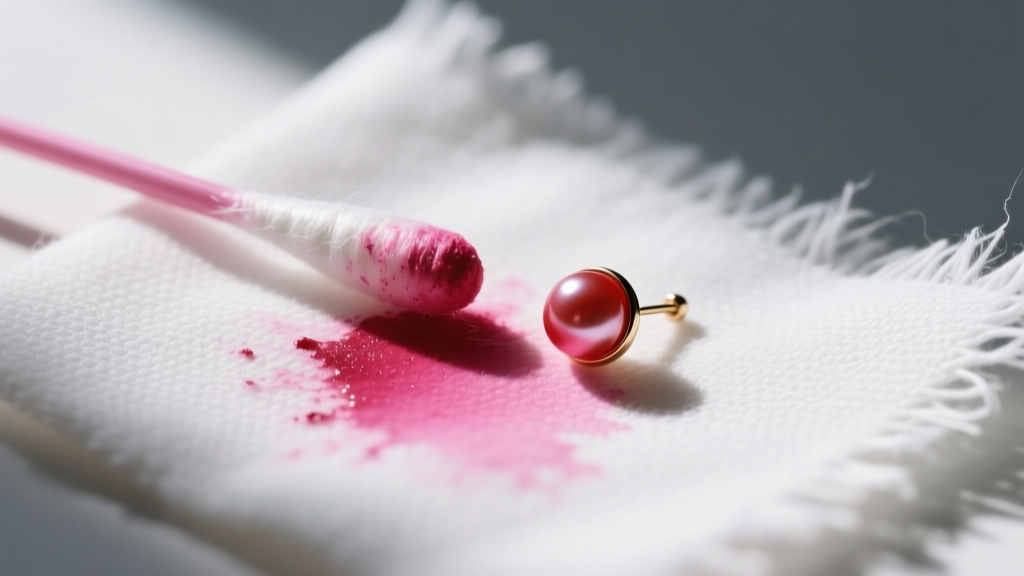
The Safe Cleaning Protocol
If your earrings are actively bleeding color, never use ultrasonic cleaners, ammonia-based solutions, or baking soda. Ultrasonic frequencies (typically 40kHz+) will shatter the compromised nacre layers, while alkaline substances will strip the remaining dye instantly.
- Mix one drop of pH-neutral liquid Castile soap into four ounces of distilled water.
- Dampen a microfiber cloth (do not soak it) and gently wipe the surface of the pearl for no more than 5 seconds per stone.
- Immediately dry with a separate, lint-free cotton cloth.
- Allow the pearls to air-dry in a climate-controlled room for 24 hours before wearing or storing.
For severe fading, the pearls must be sent to a lapidary specialist for re-dyeing. According to the Gemological Institute of America (GIA), professional re-dyeing involves carefully stripping the remaining unstable dye and utilizing specialized organic mordants to bind new colorants deeper into the nacre structure.
Problem Solving: Hardware Tarnish and the "Green Ear" Effect
Many wearers of red pearl earrings experience rapid tarnishing of the metal posts or a green discoloration on their earlobes. This is rarely a metal allergy; it is a chemical reaction specific to dyed pearls.
The Mechanics of Galvanic Corrosion
Dyed pearls retain microscopic amounts of moisture and residual dye chemicals within their porous nacre. When these pearls are set in copper-alloy bases (like brass or sterling silver) and the metal post touches the skin, a galvanic cell is formed. The moisture and chemicals from the pearl act as an electrolyte, accelerating the oxidation of the copper in the earring post. This results in copper chloride, which transfers to the skin as a green stain.
The Hardware Upgrade Solution
To permanently solve this, the earring hardware must be upgraded to non-reactive metals. Visit a bench jeweler to have the standard 20-gauge (0.8mm) or 18-gauge (1.0mm) posts replaced with one of the following:
- Implant-Grade Titanium (ASTM F136): Completely inert, hypoallergenic, and immune to the electrolytic effects of pearl dyes. Ideal for sensitive, freshly pierced lobes.
- 14k or 18k Nickel-Free Gold: Highly resistant to tarnish. Ensure the alloy is specifically nickel-free, as nickel can still react with the acidic environment created by the dye.
- Platinum: The ultimate inert metal, though significantly more expensive for custom post replacements.
Problem Solving: Nacre Peeling and Dehydration
Unlike white pearls, red pearls—particularly treated Akoya and dyed bead-nucleated freshwater varieties—often undergo aggressive processing that weakens the structural integrity of the nacre. When exposed to dry environments (below 30% relative humidity), the conchiolin (the organic protein binding the calcium carbonate crystals) dries out, leading to microscopic cracking and eventual peeling.
Restoring Moisture Balance
If you notice a chalky texture or fine surface crazing on your red pearl earrings, they are dehydrated. You can halt this process by applying a microscopic amount of pure, food-grade mineral oil. Using a cotton swab, apply a single drop of oil to the swab, then gently roll the pearl across it. Let it sit for 12 hours to allow the conchiolin to absorb the lipid moisture, then buff off any excess. Do not use olive oil or synthetic lubricants, as these can turn rancid and stain the porous pearl surface.
Preventative Storage Protocols
Proper storage is the ultimate troubleshooting tool for preventing future degradation. The environment in which you keep your red pearl earrings dictates their lifespan.
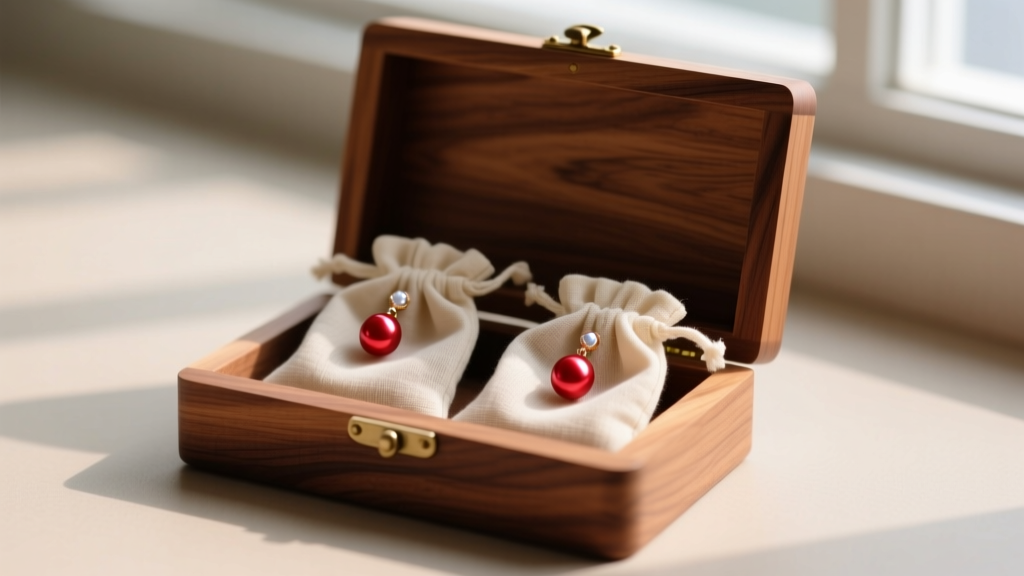
The Dangers of Plastic and Cotton
Never store red pearl earrings in polyethylene plastic bags or standard cotton jewelry rolls. Plastic traps off-gassing chemicals and ambient moisture, creating a microclimate that accelerates dye breakdown and metal tarnish. Cotton, while breathable, is highly abrasive at the microscopic level and will slowly polish away the delicate outer dye layer of the pearl over time.
The Ideal Storage Environment
Follow these strict storage guidelines to maintain the structural and visual integrity of your earrings:
- Material: Store exclusively in unbleached silk or acid-free tissue paper. Silk provides a soft barrier that retains just enough ambient moisture to keep the nacre hydrated without trapping excess humidity.
- Isolation: Keep red pearls separate from harder gemstones (like diamonds or sapphires, which rate 9-10 on the Mohs scale). Pearls rate only 2.5 to 4.5, meaning contact with other jewelry will result in immediate surface gouging.
- Climate Control: Maintain a storage environment with a relative humidity (RH) between 40% and 55%. If you live in an arid climate, place a small, damp (not wet) sponge in the corner of your jewelry safe or cedar box to maintain ambient moisture. For comprehensive care standards, refer to the Pearl Paradise Care Guidelines.
By understanding the specific vulnerabilities of red pearl earrings and implementing these targeted troubleshooting strategies, you can rescue fading stones, eliminate hardware tarnish, and ensure your jewelry remains vibrant and structurally sound for years to come.


