Rumi's Earrings: 2026 Trend Analysis & Style Guide
Discover the viral Rumi's earrings trend for 2026. We break down the asymmetrical curation, gauge sizes, mixed metals, and exact placement for this poetic look.

The Evolution of the Poetic Grunge Aesthetic
If 2024 was the year of the hyper-minimalist 'clean girl' ear stack, 2026 belongs entirely to the 'poetic grunge' movement, and at the absolute center of this cultural shift is the viral phenomenon known as Rumi's earrings. Named after the juxtaposition of raw, historical weight and delicate, celestial poetry, this specific ear curation has dominated runways, indie music festivals, and high-fashion editorial spreads alike. But what exactly defines this look, and more importantly, how do you execute it without compromising your ear health or jewelry integrity?
As senior analysts at Jewel Style Radar, we have tracked the metallurgical specifications, gauge requirements, and styling proportions of this trend to provide you with a definitive, expert-level guide. Rumi's earrings are not just about throwing mismatched jewelry at your cartilage; they are a calculated exercise in asymmetry, mixed-metal tension, and precise anatomical placement.
The Anatomy of the Rumi Ear Curation
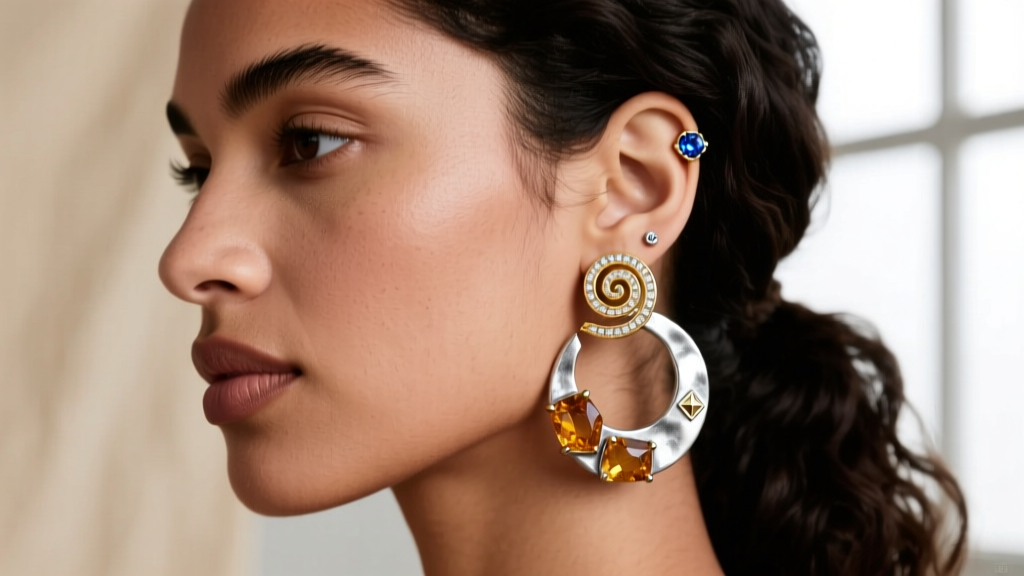
The hallmark of Rumi's earrings is the 'Rule of Three' applied to a single ear, typically the left, leaving the right ear entirely bare or adorned with a single, micro-stud. This creates a striking visual imbalance that draws the eye directly to the curated side. The formula relies on three distinct components:
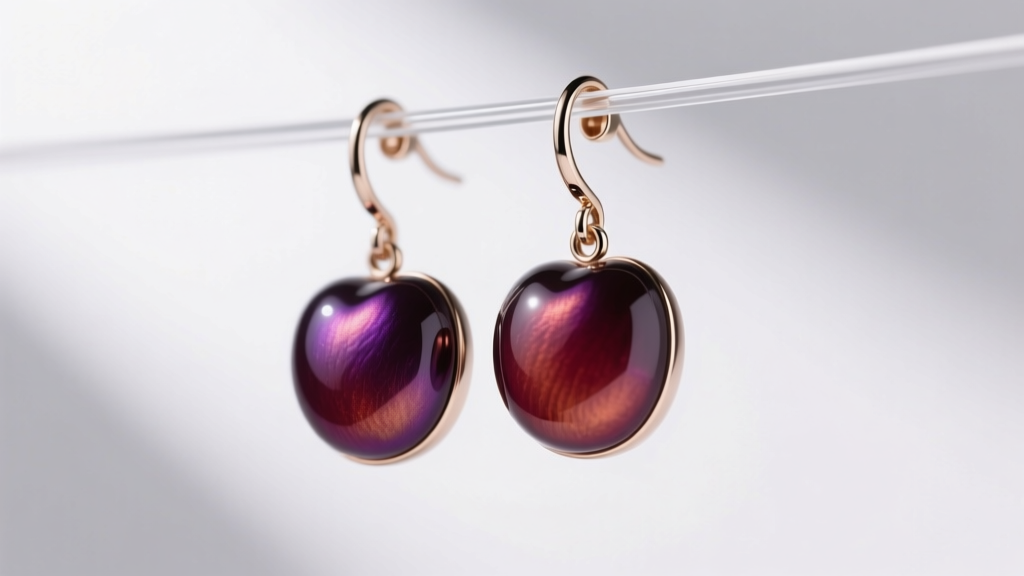
- The Anchor (Lobe): A heavy, sculptural piece. Usually an oxidized silver teardrop, a raw moonstone cabochon, or a textured brass knot. This provides the visual 'weight' of the look.
- The Bridge (Lobe to Helix): A delicate, shimmering chain that physically connects the lobe to the upper cartilage. This is where the 'poetic' element comes in, mimicking the fragility of a spiderweb or a constellation line.
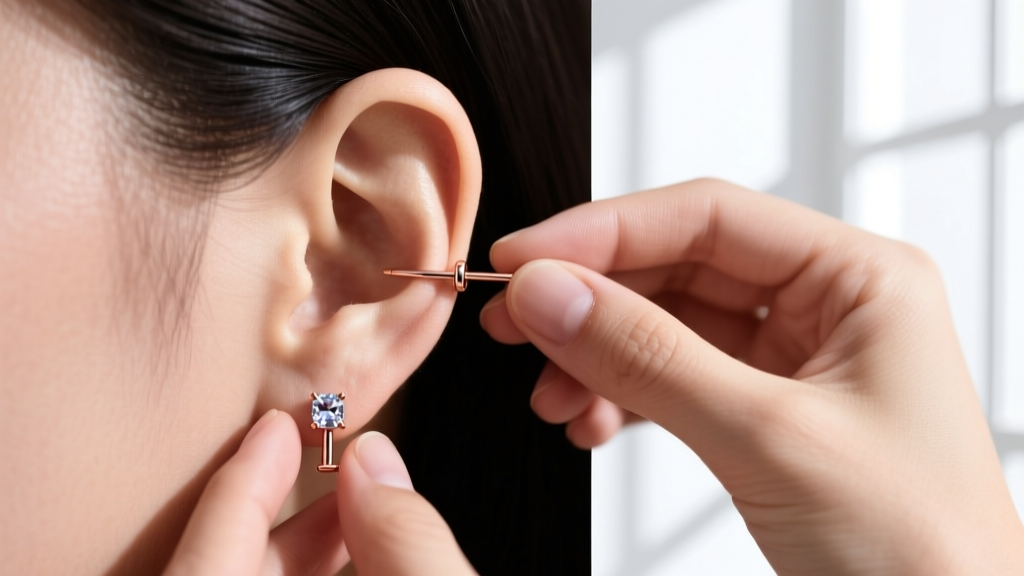
- The Halo (Helix or Conch): An architectural cuff or a bezel-set celestial motif (crescent moon, starburst) that acts as the destination point for the bridge chain.
'The magic of Rumi's earrings lies in the tension between the heavy, oxidized anchor and the weightless, shimmering bridge. It is wearable poetry that challenges traditional symmetry.' — Jewel Style Radar Editorial Board, 2026.
Technical Specifications: Gauges, Metals, and Tolerances
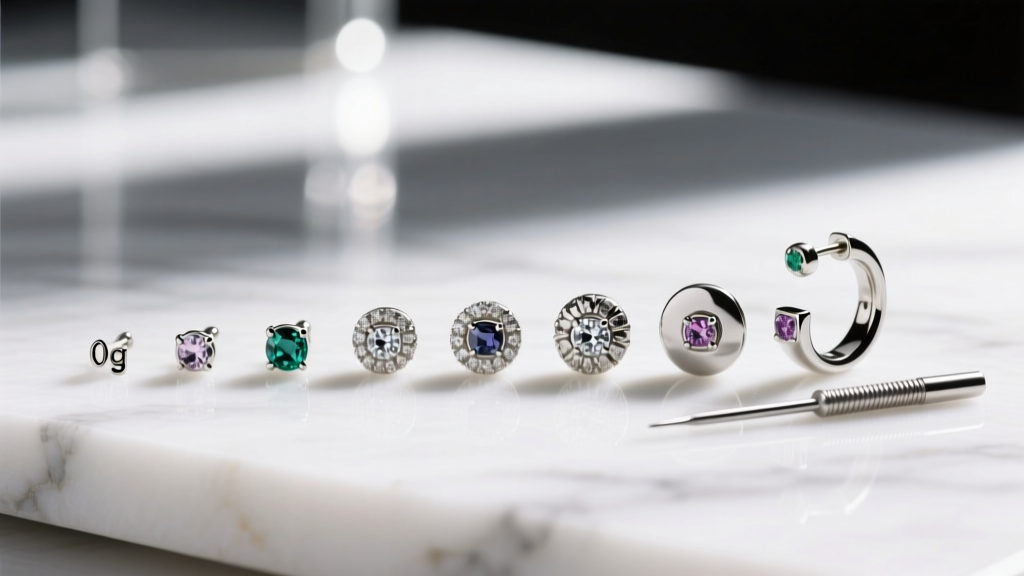
Recreating this trend requires a deep understanding of jewelry mechanics. The most common failure point for enthusiasts attempting Rumi's earrings is the 'cheese-cutter effect'—where a heavy Anchor piece on a thin wire slowly slices through the earlobe tissue over time.
Gauge Sizing Framework
To prevent tissue migration and tearing, you must adhere to strict gauge sizing based on the weight of the component:
| Component | Recommended Gauge | Wire Thickness (mm) | Structural Reason |
|---|---|---|---|
| The Anchor (Lobe) | 14g or 12g | 1.6mm - 2.0mm | Prevents cheese-cutter effect from heavy sculptural drops. |
| The Bridge (Chain) | 20g or 18g | 0.8mm - 1.0mm | Allows flexibility and prevents dragging on the helix piercing. |
| The Halo (Cuff) | 16g | 1.2mm | Standard cartilage thickness; ensures the cuff grips without pinching. |
Metallurgy and the Mixed-Metal Dilemma
The core aesthetic of Rumi's earrings relies on mixing dark, oxidized Sterling Silver (Ag925) with bright 14k Yellow Gold. However, mixing these metals on the same ear introduces the risk of galvanic corrosion. When human sweat (which acts as a saline electrolyte) bridges the gap between the silver chain and the gold cuff, a micro-galvanic cell is created. This can accelerate tarnishing on the silver and, if base metals are present in the gold alloy, cause severe contact dermatitis.
To mitigate this, the National Center for Biotechnology Information notes that nickel-free alloys are paramount. We strongly recommend ensuring that all posts and wires are crafted from ASTM F136 Implant-Grade Titanium, with the decorative mixed-metal elements soldered or mechanically fastened above the skin line. For the oxidized silver elements, ensure the darkening was achieved via a traditional 'liver of sulfur' bath, rather than cheap black rhodium plating, which will flake off within weeks of wear.
Face Shape & Placement Mapping
The visual weight of Rumi's earrings can dramatically alter the perceived geometry of your face. Because the trend relies on a heavy lobe piece and an elongated chain, it naturally draws the eye downward and outward. Here is how to adapt the placement for your specific bone structure:
- Round Faces: Opt for a long, vertical teardrop Anchor (at least 45mm in length) and place the Halo cuff high on the helix. The verticality of the chain will elongate the jawline and create the illusion of a more oval face shape.
- Square or Angular Faces: Avoid sharp, geometric Anchors. Instead, choose a raw, uncut moonstone or opal cabochon for the lobe. The organic, fluid shapes will soften a strong jawline. Keep the bridge chain slightly slack to introduce curved lines to the profile.
- Heart-Shaped Faces: The heavy lobe piece works perfectly to balance a narrower chin. However, avoid large, outward-flaring helix cuffs, which can make the upper half of the head look disproportionately wide. Stick to a tight, flat conch cuff for the Halo element.
Market Pricing & Sourcing Tiers for 2026
Because Rumi's earrings require specific structural integrity (especially for the heavy lobe anchors and custom-fitted bridge chains), fast-fashion alternatives often fail both aesthetically and dermatologically. Here is a realistic breakdown of what you should expect to invest for a safe, authentic curation:
- Entry-Level Artisan ($80 - $150): Handmade pieces from independent jewelers on platforms like Etsy. Look for sellers who explicitly state their oxidation process and use surgical steel or titanium posts. Chains are usually standard cable links.
- Mid-Tier Contemporary ($200 - $450): Dedicated ear-curation studios and boutique brands. At this tier, you get genuine 14k gold-filled chains, properly oxidized Ag925, and custom-length bridge sizing to ensure the chain doesn't pull on your specific piercing anatomy.
- Fine Jewelry Heritage ($800+): Solid 14k or 18k gold pieces with intentional 'blackened' or textured finishes to mimic the oxidized look without the maintenance of silver. Often featuring ethically sourced, custom-cut celestial gemstones.
Maintenance: Preserving the Oxidation
The most critical mistake owners of Rumi's earrings make is cleaning their jewelry in an ultrasonic cleaner or using harsh silver dip solutions. These methods will instantly strip the intentional liver-of-sulfur oxidation from the crevices of the Anchor piece, ruining the 'poetic grunge' contrast and leaving you with flat, shiny silver that completely misses the point of the trend.
Instead, maintain your mixed-metal curation using a dry, microfiber polishing cloth. Gently buff only the high points of the silver Anchor to create a subtle, worn-in patina, while leaving the recessed areas dark. For the gold bridge chain, a simple wash in warm water with a drop of pH-neutral dish soap, followed by thorough air-drying, will remove sebum and sweat buildup without risking any chemical reactions. Store the pieces in an anti-tarnish pouch with a silica gel packet to control ambient humidity when not in use.
By respecting the metallurgy, gauge requirements, and anatomical mapping of this trend, you can master Rumi's earrings not just as a fleeting internet fad, but as a permanent, elevated pillar of your personal style arsenal.