Indian Feather Earrings: Budget & Value Assessment
Are Indian feather earrings worth the price? We break down materials, gauge sizes, ethical sourcing, and price tiers to help you find true value.

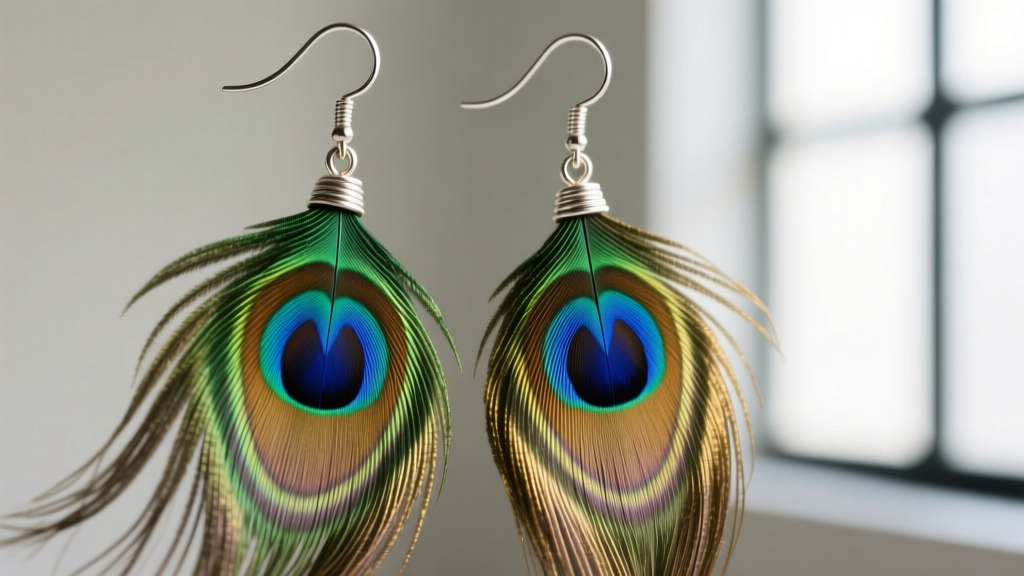
The allure of bohemian and globally inspired jewelry has cemented Indian feather earrings as a staple in contemporary accessory wardrobes. Characterized by their fluid movement, earthy textures, and intricate bindings, these earrings range from quick-checkout festival impulse buys to meticulously crafted artisan heirlooms. But when you are navigating a saturated market, how do you separate genuine craftsmanship from overpriced costume jewelry?
As a jewelry appraiser and style analyst, I approach boho-chic and Native-inspired accessories through a strict lens of material integrity, structural longevity, and ethical transparency. In this comprehensive value assessment, we will deconstruct the pricing tiers of Indian feather earrings, analyze the metallurgy of their hardware, and provide a concrete framework to ensure your next purchase delivers genuine return on investment.
The True Cost: Breaking Down the Price Tiers
Not all feather earrings are created equal. The market is broadly segmented into three distinct pricing categories, each offering vastly different lifespans and material realities. Understanding these tiers is the first step in budget assessment.
| Tier | Price Range | Metal Base & Hardware | Feather Sourcing | Expected Lifespan |
|---|---|---|---|---|
| Fast Fashion | $10 - $25 | Zinc alloy, 'Tibetan Silver', 22g plated wire | Mass-farmed, chemically dyed turkey feathers | 3 - 6 months |
| Artisan Mid-Tier | $35 - $65 | 925 Sterling, Solid Brass, 20g raw wire | Naturally molted, cruelty-free peacock or pheasant | 2 - 5 years |
| Premium Sustainable | $80 - $150+ | Gold Vermeil, Recycled Copper, custom cast hooks | Vegan laser-cut metals, ethically sourced exotic plumes | Lifetime (with care) |
If you are purchasing for daily wear or sensitive earlobes, the Fast Fashion tier represents a poor long-term value due to high risks of contact dermatitis and rapid structural failure. The Mid-Tier Artisan category offers the highest value-to-cost ratio for most consumers.
Material Deep-Dive: What Are You Actually Paying For?
To accurately assess the budget-to-value ratio, you must look past the aesthetic and examine the raw components. The anatomy of a feather earring relies on two critical elements: the metal hardware and the plumage itself.
The Metal Base and Wire Gauge
The most common point of deception in budget boho jewelry is the metal base. Many mass-market pieces advertise 'Tibetan Silver' or 'Antique Silver.' In reality, these are usually zinc or lead alloys with a thin, toxic-prone plating that tarnishes irreversibly within weeks. According to the Federal Trade Commission's guidelines on precious metals, authentic sterling silver must be stamped '925'. If your budget allows, always demand stamped 925 sterling silver, solid brass, or pure copper.
Equally important is the wire gauge of the fishhook or ear wire. Most cheap imports use 22-gauge (0.64mm) wire because it is cheaper to produce and easier to bend during mass assembly. However, 22-gauge wire lacks the tensile strength to survive repeated insertion and removal; it will warp, causing the earring to hang crookedly and eventually snap. For true value, seek out 20-gauge (0.81mm) or 18-gauge (1.02mm) ear wires, which provide the necessary rigidity to maintain their shape over years of wear.
Feather Sourcing: Natural vs. Vegan Alternatives
The term 'Indian feather earrings' often evokes imagery of vibrant, natural plumage. However, the ethical and financial value of the feather varies wildly. Budget earrings utilize feathers from mass-farmed poultry, which are often bleached and heavily dyed, leading to color bleeding when exposed to sweat or rain.
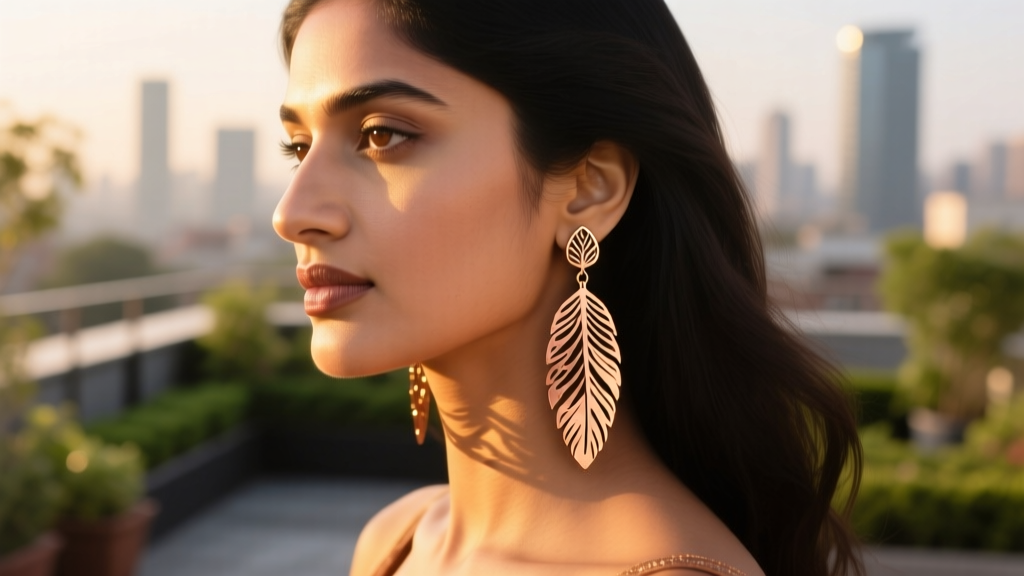
Mid-tier and premium artisans prioritize cruelty-free, naturally molted feathers. These are gathered after the bird naturally sheds them, ensuring ethical treatment without sacrificing the iridescent, structural beauty of the plume. For buyers seeking maximum longevity and zero ethical ambiguity, the premium market now offers stunning vegan alternatives. Laser-cut recycled copper or brass feathers, hand-patinaed to mimic natural barbs, provide the exact boho silhouette with zero risk of moth damage or humidity warping.
Structural Integrity: Common Failure Points
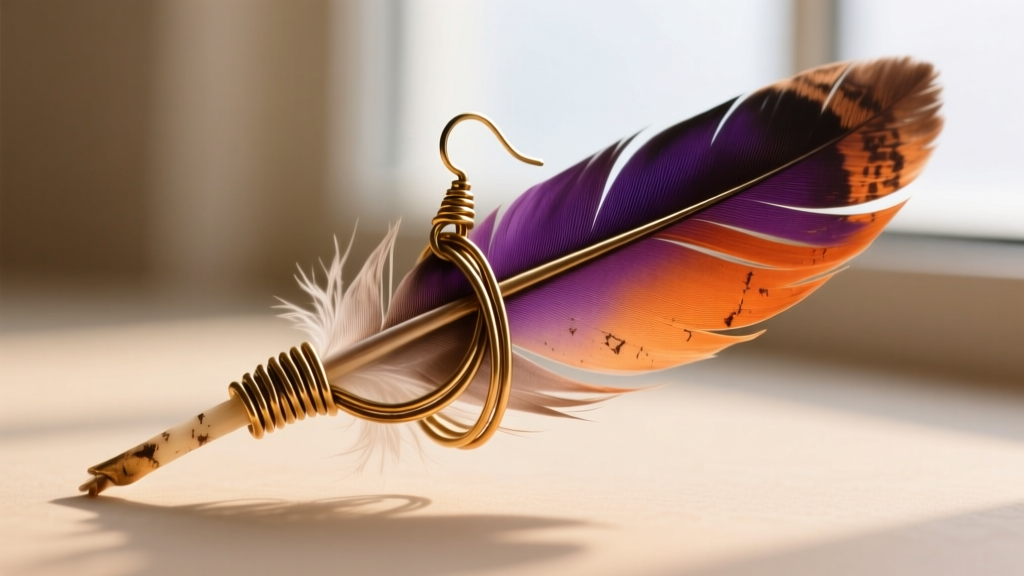
When evaluating a pair of artisan feather earrings in the $40 to $60 range, inspect the binding mechanism. This is where the feather attaches to the metal jump ring or hook. There are two primary methods, and knowing the difference will save you money in the long run.
- Cyanoacrylate (Super Glue) Binding: Common in lower-tier jewelry. The feather quill is dipped in glue and inserted into a metal bead cap. Failure Mode: Body heat, natural skin oils, and ambient humidity degrade the adhesive over time. The feather will inevitably slip out within a year.
- Wire-Wrapping and Silk Threading: The hallmark of true artisan value. The quill is tightly bound with 24-gauge dead-soft brass or silver wire, sometimes reinforced with waxed silk thread. Failure Mode: Extremely rare. If the wire snags, it can be gently tightened with jewelry pliers, making the piece repairable and highly sustainable.
Always gently tug the base of the feather before purchasing. If you feel any micro-movements or see a glossy residue near the bead cap, the piece is glued and should be avoided if you are seeking long-term value.
Ethical Sourcing and Cultural Value
The phrase 'Indian feather earrings' occupies a complex space in the jewelry market. It is frequently used as a catch-all SEO term for boho-chic, festival, and Native American-inspired designs. When assessing value, cultural authenticity and ethical compensation are paramount.
If you are specifically seeking authentic Native American craftsmanship, you must verify the artisan's tribal affiliation. The US Indian Arts and Crafts Act makes it illegal to market jewelry as 'Native American' or 'Indian' if it is not made by a member of a state or federally recognized tribe. Authentic, indigenous-made pieces carry a higher upfront cost—often starting at $85 for small drop styles—but their value is backed by cultural heritage, superior traditional silversmithing techniques, and ethical labor practices.
Conversely, if you are buying general 'boho' feather earrings from global marketplaces, assess the brand's transparency. Platforms like Good On You and similar ethical fashion directories can help you verify whether a brand's supply chain supports fair wages for overseas artisans or relies on exploitative sweatshop labor. A $15 price tag almost always guarantees the latter, stripping the jewelry of any true intrinsic value.
Maintenance: Protecting Your Investment
To ensure your mid-tier or premium feather earrings retain their value and aesthetic appeal, proper maintenance is non-negotiable. Natural feathers are highly susceptible to environmental factors.
- Humidity Control: Store natural feather earrings in a cedar-lined box or with silica gel packets. High humidity causes the barbs to clump and the central quill to soften.
- Steam Resetting: If your natural feathers become crinkled or misshapen, do not iron them. Hold the earring carefully over the steam of a boiling kettle for 3 to 5 seconds. The moisture will allow the barbs to naturally separate and return to their original, fluffy structure.
- Metal Polishing: For solid brass or copper bindings, use a mild, non-abrasive polishing cloth. Avoid liquid silver dips, as the harsh chemicals will strip the natural oils from the feather quill, causing it to become brittle and snap.
Final Verdict: How to Maximize Your Budget
When shopping for Indian feather earrings, the lowest price tag rarely equates to the best value. Fast fashion alternatives will cost you more in replacements and carry hidden costs regarding skin irritation and unethical labor.
For the smartest budget allocation, target the $40 to $65 mid-tier artisan range. At this price point, you secure 20-gauge hypoallergenic hardware, cruelty-free naturally molted plumage, and durable wire-wrapped bindings. By prioritizing material transparency and structural repairability over fleeting fast-fashion trends, you invest in a piece of jewelry that honors both the bohemian aesthetic and your hard-earned budget.

