What to Do If Earring Is Infected & Safe Gift Swaps
Learn exactly what to do if earring is infected, plus discover hypoallergenic, implant-grade jewelry gift ideas for sensitive ears and new piercings.

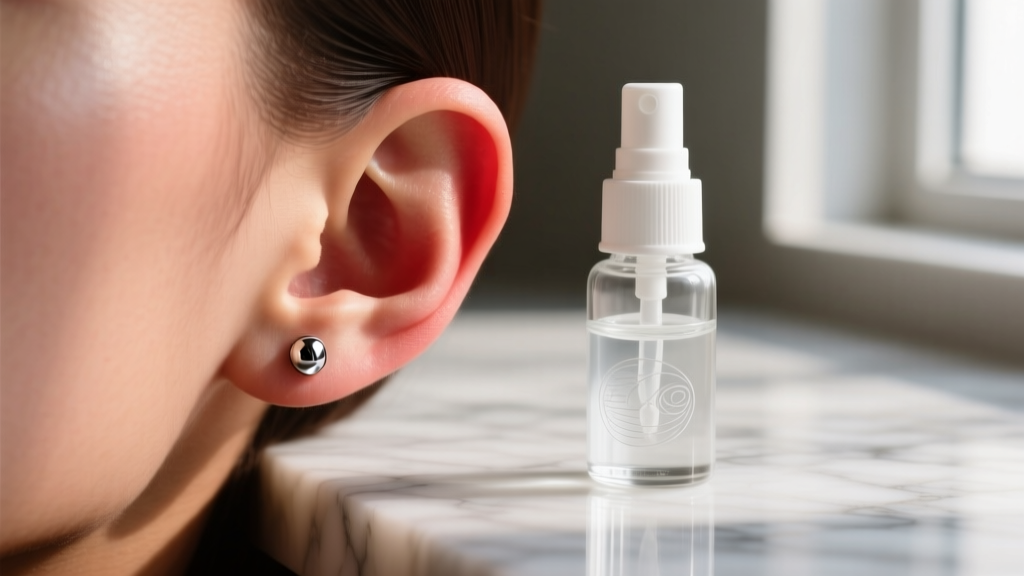
The Gifting Dilemma: When a Jewelry Gift Causes Irritation
Gifting earrings is a timeless gesture for graduations, sweet sixteens, and winter holidays. However, the joy of unboxing a new pair of dangles or hoops can quickly turn into a medical headache if the recipient has sensitive skin, a nickel allergy, or a fresh piercing. When a loved one panics and asks what to do if earring is infected, you need more than just sympathy—you need actionable, medically sound advice and a strategy for safe replacement jewelry.
As a jewelry gifter, understanding the line between a true bacterial infection and contact dermatitis is critical. Furthermore, knowing how to pivot your gift to hypoallergenic, body-safe alternatives ensures your present is cherished, not hidden in a medicine cabinet. Here is your comprehensive 2026 guide to triaging ear issues and selecting the ultimate safe-swap gifts.
Medical Triage: What to Do If Earring Is Infected
Before swapping out the jewelry, you must accurately assess the ear. According to the Cleveland Clinic, true infections are relatively rare compared to localized irritation or allergic reactions. Here is how to tell the difference and what steps to take immediately.
Step 1: Differentiate Infection from Irritation
- Contact Dermatitis (Nickel Allergy): Characterized by intense itching, flaky skin, redness, and clear fluid weeping. This is an allergic reaction to base metals or low-karat gold alloys. The Mayo Clinic notes that nickel is the most common culprit in jewelry allergies.
- Irritation Bumps: Small, flesh-colored or red bumps near the piercing hole, often caused by jewelry that is too long (the "cheese-cutter" effect), sleeping on the ear, or harsh cleaning chemicals.
- True Bacterial Infection: Indicated by severe swelling, throbbing pain, heat radiating from the tissue, and thick, foul-smelling yellow or green purulent discharge. Systemic symptoms like a fever require immediate medical attention.
Step 2: The Sterile Saline Protocol
If the ear is irritated or mildly infected, do not use rubbing alcohol, hydrogen peroxide, or tea tree oil. These destroy healing tissue and exacerbate inflammation. Instead, use a sterile 0.9% sodium chloride wound wash. Spray it directly onto a sterile non-woven gauze and gently wipe away crusties twice a day. For deep cartilage piercings, a 5-minute saline soak using a small shot glass is highly effective.
Step 3: To Remove or Not to Remove?
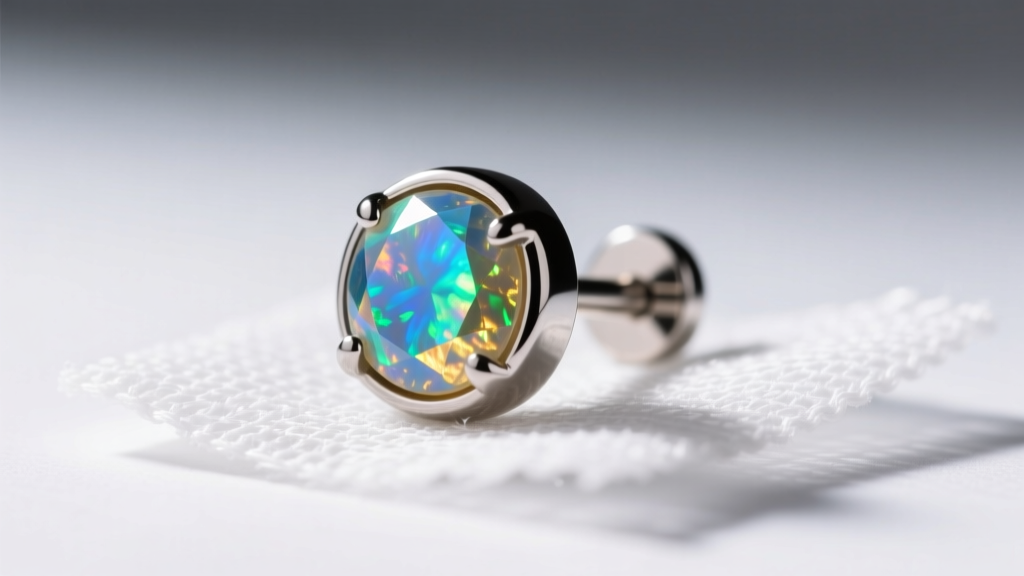
A common mistake when asking what to do if earring is infected is immediately pulling the jewelry out. If the piercing is a true infection and less than a year old, removing the jewelry can cause the surface holes to close, trapping the abscess inside the tissue. If an infection is suspected, the jewelry should be swapped for an implant-grade titanium flat-back labret by a professional piercer to allow for drainage and reduce metal reactivity.
The "Safe Swap" Gift Guide for Sensitive & Healing Ears
If your original gift caused a reaction, the most thoughtful follow-up is a "safe swap." The Association of Professional Piercers (APP) strictly outlines which materials are safe for long-term wear and healing tissue. When shopping for a replacement, ignore terms like "hypoallergenic" or "surgical steel" (which can still contain nickel) and look for exact metallurgical grades.
| Material | Metallurgical Standard | Best Gifting Occasion | Avg. Price Range |
|---|---|---|---|
| Implant-Grade Titanium | ASTM F-136 | New Piercings, Medical Alerts, Teen Gifts | $30 - $85 |
| Niobium | ASTM F-67 | Colorful Hoops, Cartilage Rings, Sensitive Lobes | $25 - $60 |
| Solid 14k/18k Gold | Nickel-Free Alloy (Palladium/Silver) | Anniversaries, Graduations, Milestones | $150 - $500+ |
| Platinum | 950 Platinum | Weddings, Luxury Heirloom Gifts | $400 - $1,200+ |
Why Implant-Grade Titanium (ASTM F-136) is the Gold Standard
Unlike "surgical stainless steel" (which is a vague marketing term often hiding 8-10% nickel), ASTM F-136 titanium is entirely nickel-free and biocompatible. It is the exact same metal used in medical joint replacements. Brands like BVLA, Maria Tash, and Anatometal craft stunning, gem-set titanium pieces that look incredibly high-end but are completely safe for reactive ears.
The Magic of Niobium for Hoops and Huggies
If the recipient loves hoops or huggies but cannot tolerate gold or steel, Niobium is the answer. It is a highly reactive element that is anodized (not plated) to create vibrant, permanent colors like deep purples, ocean blues, and rose golds. Because it contains no nickel or copper, it is exceptionally safe for cartilage and sensitive lobes.
Occasion-Matched Hypoallergenic Recommendations
When selecting the safe swap, consider the recipient's piercing anatomy and the occasion. Gauge sizes and jewelry styles matter immensely for comfort and healing.
For the "New Piercing" Graduate (Lobes & Cartilage)
If you gifted a piercing session or jewelry for a fresh hole, the initial jewelry must be a flat-back labret stud to prevent hair snagging and sleeping discomfort. Pro-Tip: Gift them a "downsizing appointment" at a reputable local piercer. Fresh piercings are done with longer posts (usually 5/16" or 8mm) to accommodate swelling. After 4-6 weeks, the post must be swapped to a shorter length (1/4" or 6mm) to prevent irritation bumps. Paying for this service is an incredibly thoughtful, expert-level gift.
For the Anniversary or Milestone (Solid Gold Huggies)
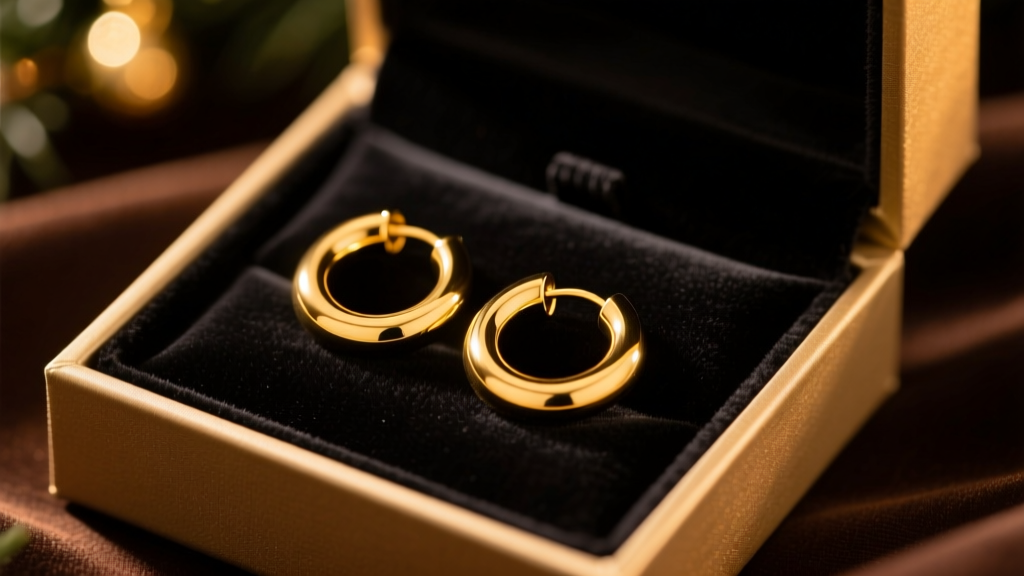
For healed lobes or mature cartilage piercings, solid 14k or 18k gold huggies are a luxurious, safe choice. Ensure the gold is alloyed with palladium or silver, not nickel. White gold is notoriously problematic for sensitive ears because it is frequently alloyed with nickel to achieve its silver color. Always opt for yellow or rose gold, or ensure the white gold is specifically palladium-based.
For the Statement Lover (Threadless Ends)
If the recipient loves elaborate dangles or large gemstone tops, look into "threadless" or "press-fit" jewelry systems. These use tension to hold a decorative end onto a titanium post, eliminating the microscopic threads of traditional screw-on earrings that harbor bacteria and tear healing fistulas.
The Golden Rule of Gifting Jewelry: Never gift plated, dipped, or vermeil jewelry for anyone with a history of ear sensitivity. Once the microscopic plating wears off, the reactive brass or copper base will cause immediate contact dermatitis.
Final Thoughts on Gifting with Care
Knowing what to do if earring is infected is only half the battle; the other half is preventing it through educated purchasing. By pivoting to ASTM-certified titanium, pure niobium, or high-karat nickel-free gold, you transform a potential medical mishap into an opportunity to gift jewelry that will be worn comfortably for a lifetime. When in doubt, a gift card to an APP-certified piercing studio allows the recipient to choose their exact gauge, post length, and preferred metal under the guidance of a professional.


