How to Use and Secure All Types of Hoop Earring Closures
Learn how to open, close, and secure all types of hoop earring closures. Step-by-step guide for latch-back, hinge, and continuous hoops.

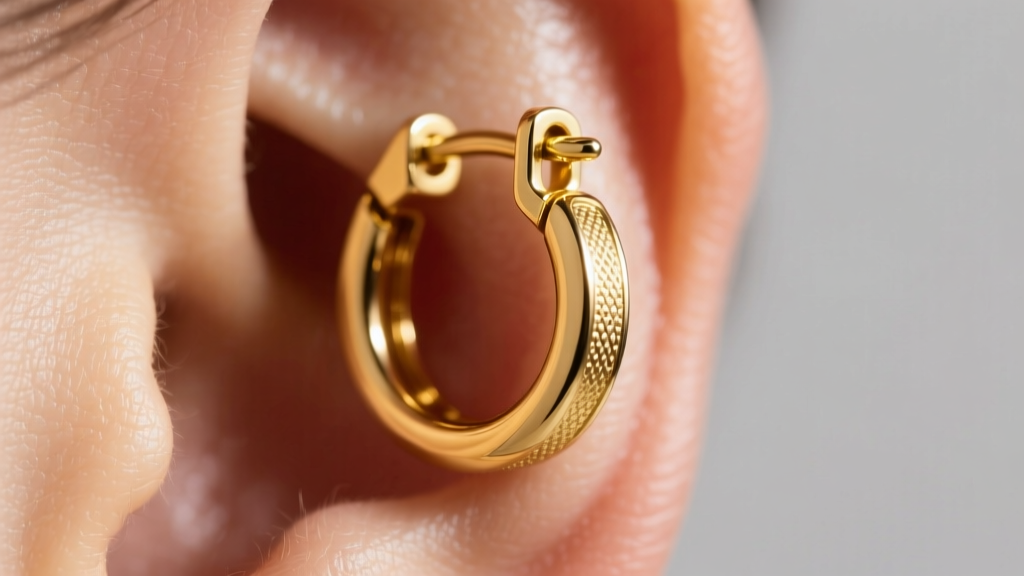
Introduction: The Anatomy of a Secure Hoop
When building a versatile jewelry collection, understanding the different types of hoop earring closures is just as critical as selecting the right metal or gemstone. A lost earring rarely fails due to a broken hoop; it fails because the closure mechanism was improperly engaged, subjected to metal fatigue, or mismatched to the piercing gauge. Whether you are wearing delicate 22-gauge gold endless hoops or heavy 14-gauge titanium cartilage clickers, mastering the mechanics of your jewelry ensures longevity and security.
In this comprehensive guide, we break down the exact step-by-step techniques for operating, troubleshooting, and maintaining every major hoop closure type. By the end, you will know exactly how to handle tension wires, engage internal pins, and fix loose latch-backs without damaging your precious metals.
Step-by-Step: Mastering Latch-Back and Saddle Closures
Latch-back (or saddle) closures are the most common mechanism for standard lobe hoops, typically found in 20-gauge and 18-gauge designs. They feature a hinged post that snaps into a V-shaped catch on the opposite side of the hoop.
Opening and Closing Technique
To open a latch-back hoop, do not pull the post sideways, as this will warp the hinge pin. Instead, grip the hoop body with one hand and gently push the post downward or backward (depending on the hinge orientation) until it clears the catch. To close, align the post with the catch and push upward until you hear and feel a distinct 'snap'. If the post slides in without resistance, the catch has widened and requires adjustment.
Troubleshooting Loose Latches
Over time, the V-shaped catch can stretch. To fix this, use a pair of nylon-jaw pliers—never metal pliers, which will mar the gold or silver finish. Gently squeeze the sides of the catch together by a fraction of a millimeter. Test the closure; it should require a firm push to snap into place. According to jewelry fabrication experts at Rio Grande, work-hardening the catch slightly by squeezing it ensures the metal retains its new shape.
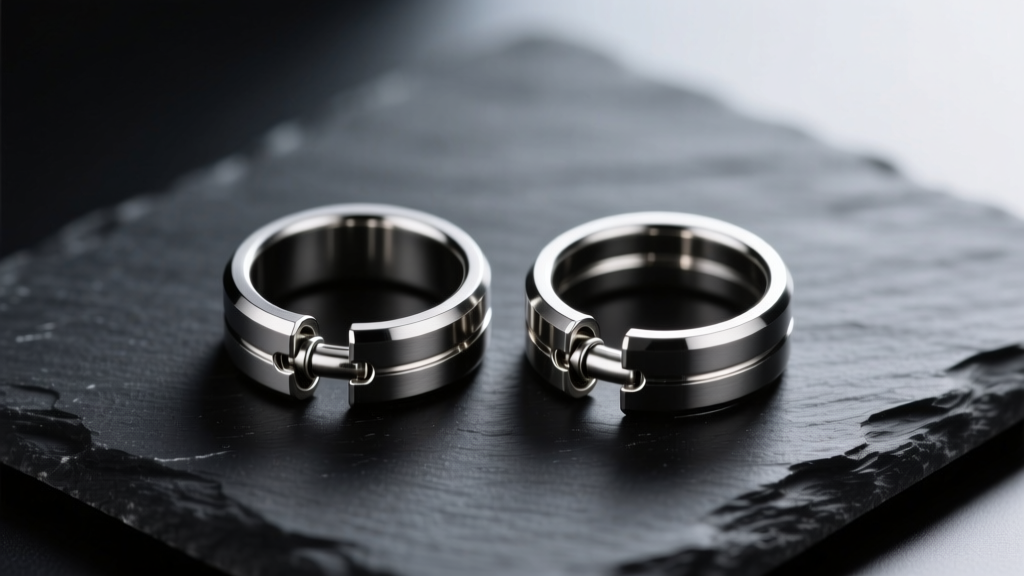
Hinged Hoops and Clickers: The Cartilage Standard
Hinged clickers are the gold standard for cartilage piercings, including the helix, daith, and rook. Usually crafted from implant-grade titanium (ASTM F136) or 14k solid gold, these hoops feature a hidden internal pin that locks into a micro-tube on the opposite end.
How to Engage the Click Mechanism
Opening a clicker requires a specific motion. Hold the main body of the hoop firmly and pull the hinged segment laterally away from the closure tube. Do not twist it. To close, align the internal pin with the hollow tube and push them together. You must hear a sharp 'click'. If it closes silently, the pin has not seated properly, and the hoop will fall out during sleep.
One major failure mode for clickers is lint and sebum buildup inside the micro-tube, which prevents the pin from seating fully. Clean the closure weekly using an ultrasonic jewelry cleaner or by soaking it in warm water with a drop of mild, fragrance-free soap, then flush the tube with a soft-bristled interdental brush.
Comparative Analysis of Hoop Closures
| Closure Type | Standard Gauges | Best Placement | Common Failure Mode |
|---|---|---|---|
| Latch-Back / Saddle | 20g - 18g | Standard Lobe | Catch widens, post slips out |
| Hinged Clicker | 16g - 14g | Helix, Cartilage, Daith | Lint buildup blocks internal pin |
| Continuous / Endless | 22g - 18g | Lobe, Helix, Septum | Tension wire loses spring-back |
| French Wire / Fishhook | 22g - 20g | Standard Lobe (Dangles) | Snagging on hair or clothing |
Continuous (Endless) Hoops: Handling the Tension Wire
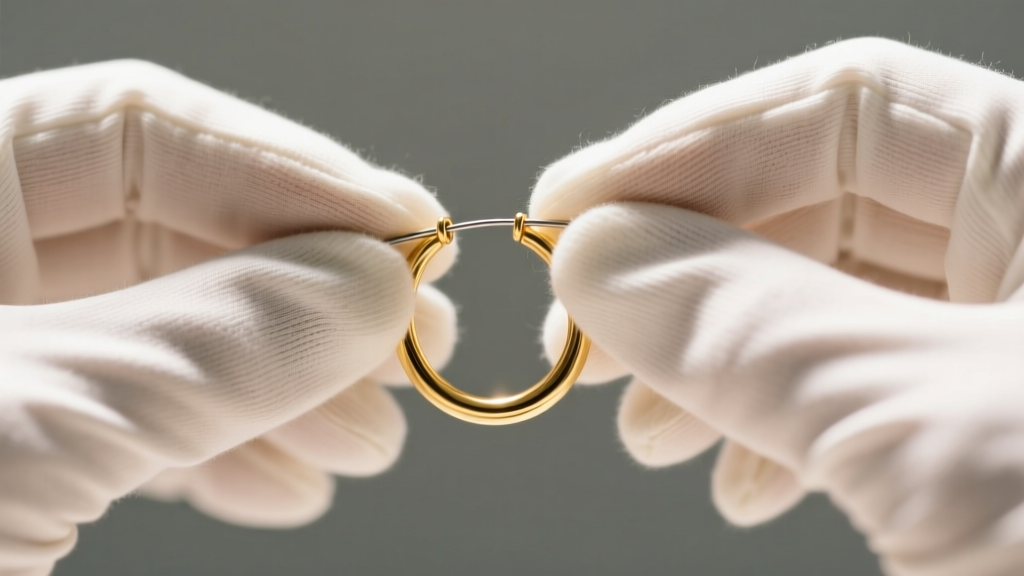
Continuous hoops, often called endless hoops, feature a seamless design where a thin tension wire slides into the hollow opposite end of the hoop. They are incredibly secure when inserted correctly but are highly prone to user error and metal fatigue.
The Pull and Push Method
To open a continuous hoop, grip the main hoop body and the tension wire with your thumb and forefinger. Gently pull the wire laterally away from the hoop—never bend it upward or downward, as this will permanently distort the circular shape. To insert, slide the tension wire through the piercing, align it with the hollow tube, and push it in. The tension of the wire should hold it firmly in place.
'The biggest mistake consumers make with continuous hoops is bending the wire to force it into the tube. Once you bend a 20-gauge gold wire out of its factory-set arc, it loses its structural memory and tension. It will eventually snap or fall out.' — Master Jeweler Bench Notes
For optimal safety, the Association of Professional Piercers recommends avoiding continuous hoops for fresh piercings, as the lateral pulling motion required to open them can cause severe trauma to healing fistulas.
French Wire and Fishhook Closures: Preventing Loss
While technically used for dangle and drop earrings rather than traditional hoops, French wires (fishhooks) are a staple in hoop-adjacent designs. Because they lack a mechanical lock, they rely entirely on gravity and friction to stay in the ear.
To secure French wire hoops and prevent catastrophic loss, implement the following accessories:
- Silicone Earring Stoppers: Slide a hypoallergenic silicone disc or bullet clutch onto the wire behind the earlobe. This provides a physical barrier against snags.
- French Wire Guards (Hooks): For heavy gemstone hoop drops, use a 14k gold ear guard that hooks over the wire and wraps behind the ear, distributing the weight and preventing the wire from pulling forward.
- Locking Ear Wires: Upgrade to lever-back or locking French wires, which feature a mechanical clasp that snaps shut behind the lobe, entirely eliminating the risk of snag-related loss.
Essential Tools for Hoop Maintenance
To properly maintain the types of hoop earring closures detailed above, your jewelry care kit should include specific, non-destructive tools:
- Nylon-Jaw Pliers: Essential for squeezing latch-back catches without scratching 18k gold or platinum finishes.
- 10x Jeweler's Loupe: Use this to inspect the internal pins of hinged clickers for micro-fractures or debris buildup.
- Ultrasonic Cleaner: A must-have for vibrating sebum and dead skin cells out of the micro-tubes in seamless clickers and continuous hoop receivers.
- Microfiber Polishing Cloths: For removing oxidation from sterling silver latch-backs without using harsh chemical dips that can degrade hinge springs.
Conclusion
Securing your jewelry is a matter of mechanical precision, not just luck. By understanding the specific operational requirements of latch-backs, hinged clickers, continuous tension wires, and French wires, you can drastically extend the lifespan of your collection. Always respect the gauge limits, clean the micro-mechanisms regularly, and use the proper tools for adjustments. When you master these techniques, your hoops will remain as secure as the day you first clicked them into place.


