Intan Earrings Buying Guide: Diamond Cuts & Settings
Discover the ultimate 2026 buying guide for Intan earrings. Learn about diamond grading, setting security, gauge sizes, and pricing for perfect studs.

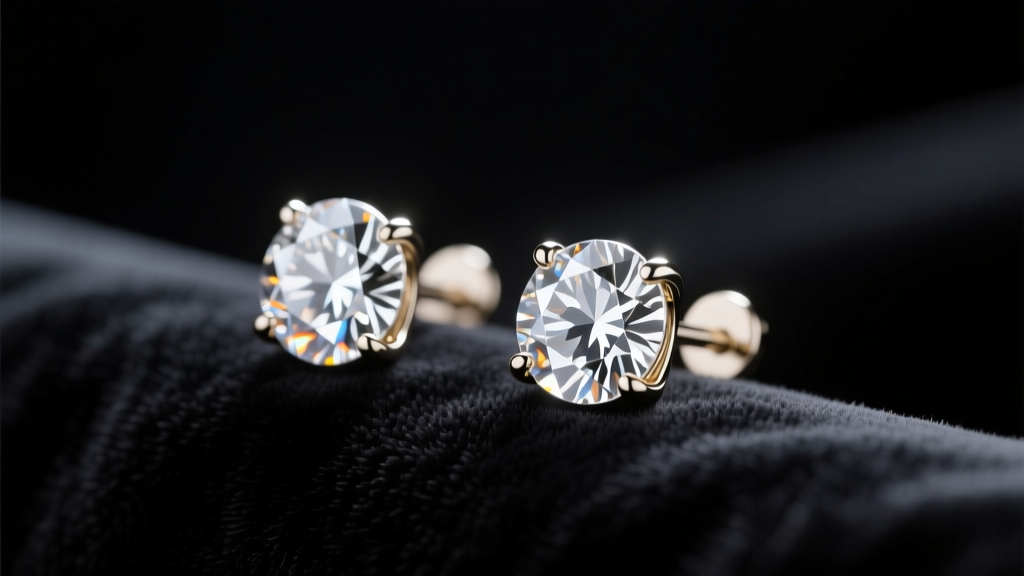
The Definitive Guide to Buying Intan Earrings
When investing in fine jewelry, few pieces hold the enduring appeal and daily versatility of diamond studs. In the global market, Intan earrings—a term rooted in Southeast Asian heritage denoting premium, high-brilliance diamonds—have become synonymous with exceptional light performance and meticulous facet alignment. Whether you are navigating the natural diamond market or exploring the rapidly expanding 2026 lab-grown sector, buying Intan earrings requires looking far beyond basic carat weight. This comprehensive buying guide breaks down the exact grading matrices, structural failure modes to avoid, and metallurgical standards you need to know before making a purchase.
Decoding the Intan Diamond Grading Matrix for Earrings
Unlike engagement rings, where the stone is viewed under intense magnification and direct overhead lighting, earrings are viewed in motion and from a distance. This fundamental difference changes the optimal grading strategy, allowing you to maximize visual size and brilliance without overpaying for invisible characteristics.
The Cut: Non-Negotiable Brilliance
The cut is the most critical of the 4Cs for Intan earrings. A poorly cut diamond will appear dull and lifeless, regardless of its color or clarity. Always demand an Ideal or Excellent cut grade. Specifically, look for a table percentage between 54% and 57%, and a depth percentage between 59% and 62.5%. These proportions ensure that light entering the stone is reflected back through the top (the crown) rather than leaking out the bottom (the pavilion), which is crucial for the 'sparkle' factor when the earrings catch ambient light.
Color and Clarity: The Sweet Spot
According to the Gemological Institute of America (GIA), color and clarity can be optimized for value in earring selections. For white gold or platinum settings, target a G or H color grade. These near-colorless grades face up completely white to the naked eye once set in a prong or bezel. For yellow or rose gold, you can comfortably drop to an I or J color, as the warm metal will naturally mask any faint yellow tint. For clarity, VS2 to SI1 is the ultimate sweet spot. Inclusions in this range are typically invisible without 10x magnification, saving you up to 30% compared to VVS stones without sacrificing visual purity.
Structural Integrity: Settings and the 'Droop' Failure Mode
A common complaint among buyers of premium diamond studs is the 'droop' effect, where the earring leans forward, pointing the diamond toward the floor instead of facing outward. This is a structural failure caused by a mismatch between the diamond's carat weight, the post gauge, and the earring back.
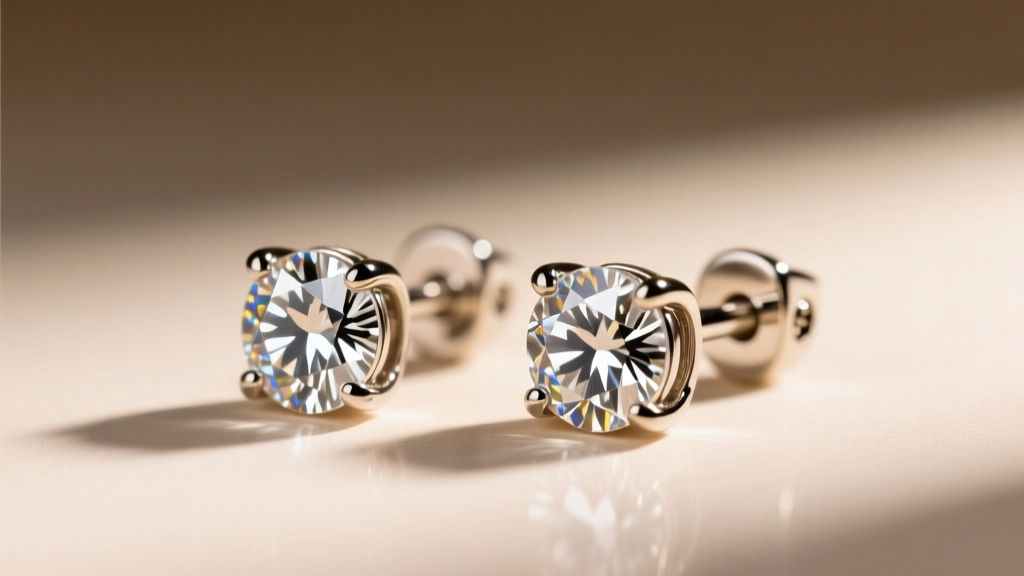
Setting Styles: Martini vs. Bezel vs. Basket
- Martini (3-Prong): Offers maximum light exposure and a modern silhouette. However, the single point of contact at the base can create a fulcrum effect, making heavier stones (over 0.75ct per ear) more prone to drooping if not paired with a heavy-duty back.
- 4-Prong Basket: Provides a wider, flatter base against the earlobe, offering superior stability for larger Intan diamonds. The four prongs also offer better security for the girdle of the stone.
- Bezel: The most secure option, wrapping the diamond in a continuous metal rim. While it sacrifices about 5% of the stone's visible surface area, it eliminates snagging on clothing and hair, making it ideal for active lifestyles or medical professionals.
Post Gauge and Backing Mechanisms
Standard earring posts are typically 20-gauge (0.81mm). While fine for lightweight stones, a 20-gauge post will physically bend under the weight of a 1.00-carat Intan diamond. For any stone over 0.50 carats, insist on an 18-gauge (1.02mm) or even 16-gauge post for rigid support. Furthermore, abandon standard friction backs (butterfly backs), which easily slip off and fail to support the stone's weight. Upgrade to La Pousette backs (which use a spring-loaded locking mechanism) or screw-backs to ensure the earring sits flush and secure against the lobe.
Metallurgy and Hypoallergenic Requirements
The metal holding your Intan earrings must be as durable as the diamonds themselves. The Federal Trade Commission (FTC) Jewelry Guides strictly regulate metal hallmarks, but understanding the alloy composition is vital for sensitive ears.
14k vs. 18k Gold vs. Platinum
18k Gold (75% pure gold) is the industry standard for fine Intan earrings. It offers a rich color and is generally hypoallergenic, provided it is alloyed with silver, copper, or palladium rather than nickel. 14k Gold (58.5% pure gold) is harder and more scratch-resistant, making it a good choice for intricate huggie or drop earring hinges, but it carries a higher risk of containing nickel alloys. Platinum (95% pure) is the ultimate choice for heavy diamond studs. It is naturally white, will never fade or require rhodium plating, and is 100% hypoallergenic. Its density also provides the strongest grip on diamond prongs, reducing the risk of stone loss over decades of wear.
2026 Pricing Guide: Natural vs. Lab-Grown Intan Earrings
The market for Intan earrings has shifted dramatically with the maturation of lab-grown diamond technology. Below is a comparative pricing matrix for round brilliant, G-H color, VS clarity Intan earrings in 18k white gold settings, reflecting current 2026 market averages.
| Total Carat Weight (TCW) | Natural Diamond Price Range | Lab-Grown Diamond Price Range | Visual Spread (mm per stone) |
|---|---|---|---|
| 0.50 ct (0.25ct each) | $800 - $1,200 | $250 - $400 | 4.1mm |
| 1.00 ct (0.50ct each) | $2,500 - $3,800 | $600 - $900 | 5.1mm |
| 1.50 ct (0.75ct each) | $5,000 - $7,500 | $1,100 - $1,600 | 5.8mm |
| 2.00 ct (1.00ct each) | $9,000 - $14,000 | $1,800 - $2,500 | 6.5mm |
Note: Prices fluctuate based on specific cut grades, fluorescence, and retailer overhead. Always verify that lab-grown stones are certified by IGI or GIA to ensure accurate grading.
Proportion and Face Shape Pairing
While studs are universally flattering, the millimeter spread of your Intan earrings should complement your facial geometry. Carat weight measures mass, not visual size; a deeply cut 1-carat diamond will face up smaller than a well-cut 0.90-carat stone.
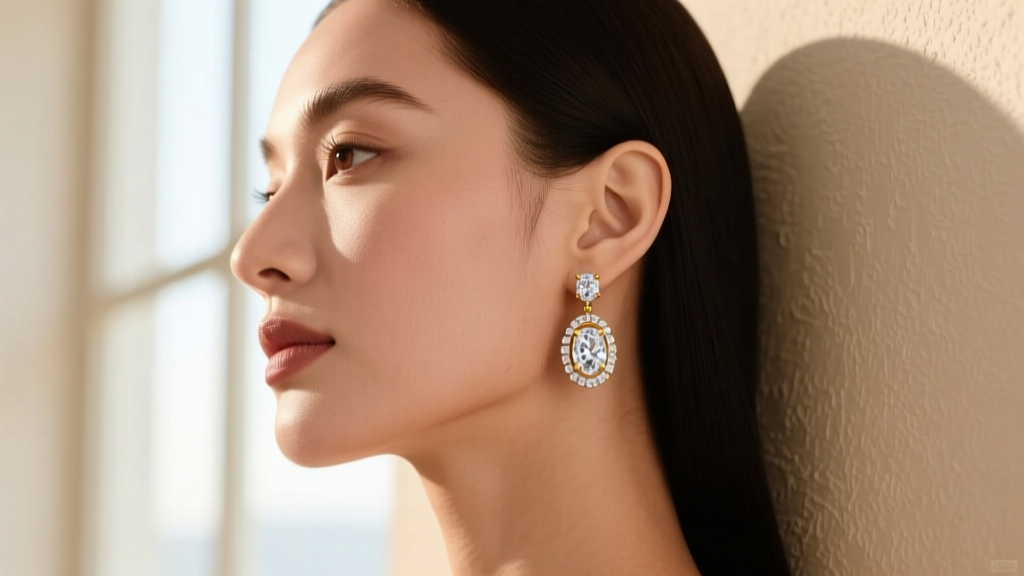
Sizing Recommendations by Face Shape
- Round Faces: Opt for slightly elongated Intan drop earrings or oval-cut studs (e.g., 0.75ct oval) to create vertical lines that lengthen the face. Avoid massive, wide halo studs that add horizontal bulk.
- Oval Faces: The most versatile shape. Classic round brilliant studs (1.00ct TCW) sit perfectly in the center of the lobe, drawing attention to the cheekbones without disrupting the face's natural balance.
- Square/Angular Faces: Soften strong jawlines with curved silhouettes. Intan diamond hoops or rounded bezel-set studs provide a softening contrast to sharp angles.
- Heart-Shaped Faces: Balance a narrower chin with teardrop or pear-shaped Intan earrings that add visual weight to the lower half of the face.
Final Purchasing Checklist
Before finalizing your Intan earrings purchase, run through this expert checklist to ensure you are getting a structurally sound and visually optimized piece of fine jewelry:
- Certification: Does the diamond come with a GIA, AGS, or IGI report detailing the exact cut proportions?
- Post Thickness: Is the post at least 18-gauge for stones over 0.50ct to prevent bending and drooping?
- Backing Security: Are you receiving screw-backs or La Pousette locks instead of standard friction backs?
- Alloy Verification: Has the retailer confirmed the gold or platinum alloy is completely nickel-free?
- Return Policy: Does the jeweler offer a minimum 30-day return window so you can test the earrings for lobe comfort and droop in real-world conditions?
By prioritizing cut quality, structural stability, and precise metallurgical standards, your Intan earrings will not only captivate with their brilliance but will remain a comfortable, secure, and enduring staple in your daily jewelry rotation for decades to come.


