Interlocking Gold Hoop Earrings: The Ultimate Buying Guide
Discover what to look for when buying interlocking gold hoop earrings. Expert guide on gold purity, joint durability, clasps, and pricing.

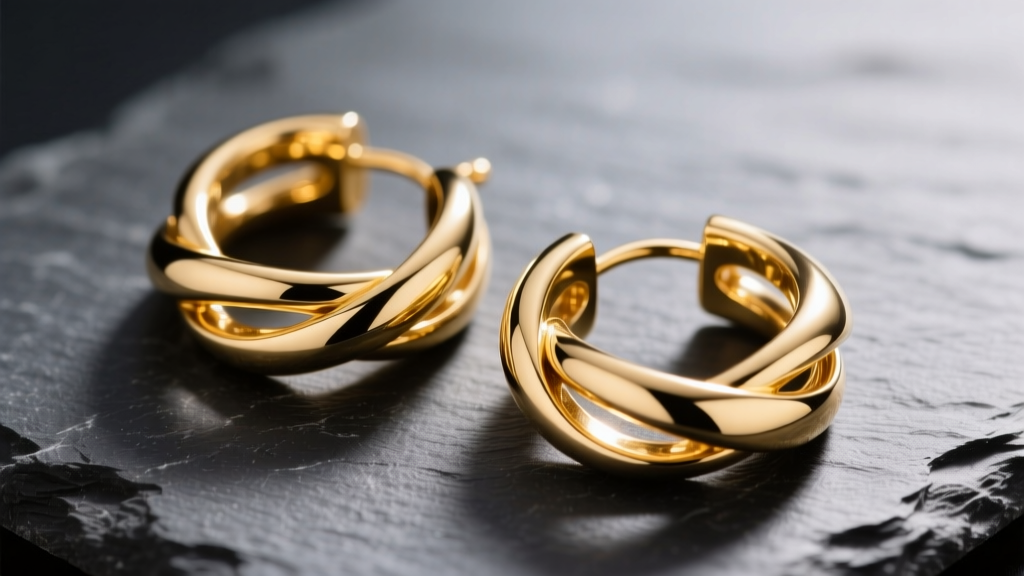
Interlocking gold hoop earrings have transcended fleeting trends to become a staple in modern jewelry wardrobes. Unlike traditional continuous hoops, interlocking designs—featuring linked circles, infinity motifs, or chain-style connections—introduce kinetic movement and architectural depth. However, this structural complexity introduces unique points of failure that buyers must carefully evaluate. When investing in interlocking gold hoop earrings, understanding the metallurgy, joint engineering, and clasp mechanics is the difference between acquiring a lifelong heirloom and a fragile accessory destined for the repair bench.
The Anatomy of Interlocking Gold Hoops
The defining feature of interlocking gold hoop earrings is the connection point where two or more metal loops intersect. This joint bears the brunt of kinetic stress every time you move your head, brush your hair, or take the earrings on and off. Understanding how these joints are manufactured is your first line of defense against premature breakage.
Cast vs. Die-Struck vs. Laser-Welded Links
Mass-market interlocking hoops are often cast as a single solid piece or cast with basic jump rings. Casting can leave microscopic porosity (air bubbles) inside the metal, making the interlocking links brittle. Premium manufacturers utilize die-striking, which compresses the gold alloy under immense pressure, aligning the grain structure and significantly increasing tensile strength. For multi-piece interlocking designs, look for brands that use laser welding to seal the jump rings. Laser welding creates a microscopic, ultra-precise fusion point without the heat distortion associated with traditional torch soldering, ensuring the interlocking links move freely without snagging.
The Friction Factor
Because interlocking hoops constantly rub against one another, friction is inevitable. If you are considering gold-plated or gold vermeil interlocking earrings, be aware that the friction at the joints will wear away the gold layer much faster than on a solid, non-moving surface. For interlocking designs, solid gold is highly recommended to prevent the unsightly exposure of base metals at the connection points.
Gold Purity & Alloy Composition: What Actually Lasts?
Gold purity dictates not just the color and value of your earrings, but their structural integrity. Pure 24k gold is far too soft for interlocking links; the tension would easily pull the rings apart. Therefore, alloying metals are added to increase hardness.
- 14k Gold (58.5% Pure Gold): The undisputed champion for interlocking gold hoop earrings. The higher ratio of alloy metals (typically copper, zinc, and silver) provides exceptional tensile strength. According to the Gemological Institute of America (GIA), the specific alloy mix in 14k gold offers superior resistance to bending and warping, which is critical for the moving parts of an interlocking design.
- 18k Gold (75% Pure Gold): Offers a richer, deeper yellow hue and is hypoallergenic for most, but it is noticeably softer. If you choose 18k interlocking hoops, ensure the gauge (thickness) is substantial to compensate for the softer metal.
- Gold Vermeil (Sterling Silver Base + 2.5 Microns Gold): A budget-friendly alternative. However, because sterling silver is relatively soft and the gold plating will eventually wear at the friction points, vermeil interlocking hoops require gentle wear and should be removed before sleeping or exercising.
Expert Tip: If you have a nickel allergy, always verify the alloy composition. While 14k and 18k yellow gold are typically nickel-free (alloyed with copper and silver), some white gold interlocking hoops are alloyed with nickel and require rhodium plating to act as a barrier. As the plating wears from the interlocking joints, skin reactions can occur.
Clasp Mechanisms & Security Features
The interlocking links add weight and momentum to the earring. When you turn your head, the kinetic energy of the swinging links pulls on the earlobe and the clasp. A weak clasp will easily pop open under this dynamic load.
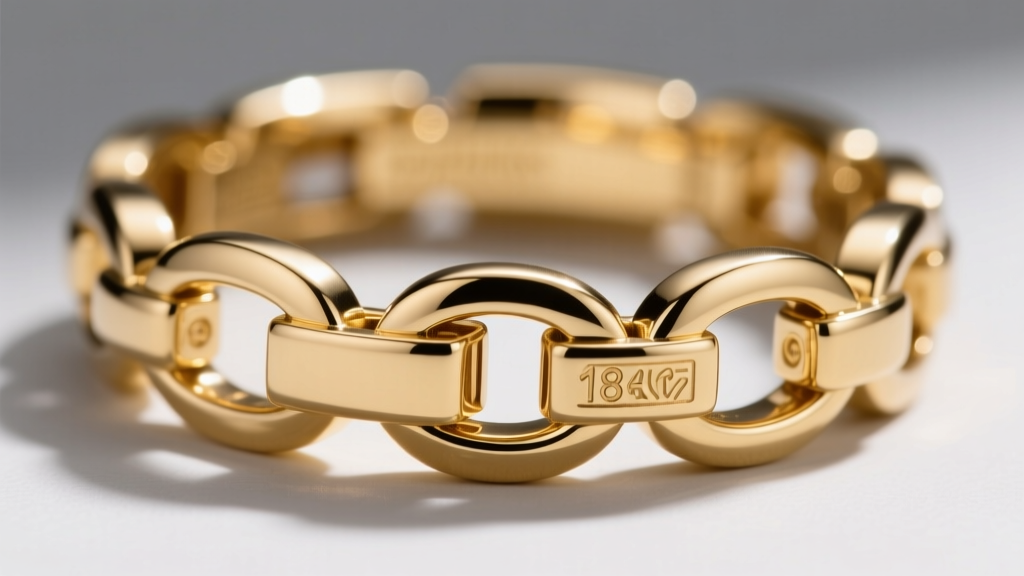
Evaluating Clasp Types for Linked Hoops
| Clasp Type | Mechanism | Security Rating for Interlocking Hoops |
|---|---|---|
| Hinged Click-Top (Snap) | A hinged post that clicks into a grooved catch inside the hollow back of the hoop. | Excellent. The internal locking groove resists the downward pull of heavy interlocking links. |
| Latch-Back | A hinged wire that passes through the ear and hooks over the top of the hoop. | Moderate. Can easily unhook if the interlocking links catch on a sweater or hair. |
| Continuous (Endless) | A thin wire that slides through the ear and tucks into the opposite hollow end. | Poor. The tension required to keep the wire inside the tube is easily compromised by the swinging weight of linked hoops. |
For interlocking gold hoop earrings, always prioritize the hinged click-top or a secure lever-back mechanism. These designs physically lock the post in place, neutralizing the pendulum effect created by the interlocking links.
Sizing, Gauge, and Proportion Guide
The visual impact of interlocking hoops depends heavily on the relationship between the hoop diameter, the thickness of the wire (gauge), and the size of the interlocking links themselves. A common mistake buyers make is selecting a hoop with a thick diameter but thin interlocking links, resulting in a top-heavy earring that droops forward on the earlobe.
The Golden Ratio of Gauge and Diameter
Wire gauge measures thickness; the lower the number, the thicker the wire. For interlocking designs, structural integrity is paramount.
- 20-Gauge (0.81mm): Too thin for interlocking joints. The links will warp and lose their circular shape under normal wear.
- 18-Gauge (1.02mm): The industry sweet spot. Thick enough to maintain the structural integrity of the interlocking solder joints, yet light enough to prevent earlobe stretching over a full day of wear.
- 16-Gauge (1.29mm) & 14-Gauge (1.63mm): Reserved for heavy, oversized statement hoops or cartilage piercings. The interlocking links on these gauges are incredibly durable but add significant weight.
When evaluating proportions, ensure the interlocking links are scaled correctly to the main hoop. If the main hoop is 30mm in diameter, the interlocking secondary links should ideally be between 10mm and 15mm to maintain visual balance without overwhelming the earlobe's natural curvature.
Pricing Tiers & Brand Benchmarks
Understanding the market landscape helps you identify true value and avoid overpaying for inferior construction. Pricing for interlocking gold hoop earrings is heavily dictated by material purity, manufacturing technique, and brand positioning.
Entry-Level ($40 - $150)
In this tier, you will primarily find gold vermeil, gold-filled, or hollow-tube 10k gold designs. The interlocking links are often cast, and clasps are usually basic latch-backs. These are suitable for occasional wear but expect the plating to wear at the joints within 12 to 18 months of regular use.
Mid-Tier & Fine Jewelry ($250 - $800)
This is where you find solid 14k gold interlocking hoops with superior engineering. Brands in this space utilize die-striking or precision casting, laser-welded joints, and secure click-top clasps. The gold weight typically ranges from 2.5 to 5 grams per pair. This tier offers the best balance of longevity, material value, and everyday wearability.
High-End & Designer ($1,200 - $4,000+)
Designer pieces in 18k gold, often featuring pave diamond accents on the interlocking links or proprietary clasp mechanisms. At this level, you are paying for bespoke design, brand prestige, and flawless hand-finishing. The interlocking joints are meticulously polished by hand to ensure seamless movement.
Care & Maintenance for Interlocking Joints

The moving parts of interlocking gold hoop earrings require specific maintenance protocols to prevent seizing, snagging, and accelerated wear.
What to Avoid
Never use ultrasonic cleaners on interlocking hoops if the design includes tension-set stones or delicate friction-fit clasps. The high-frequency vibrations can loosen the settings and degrade the internal grooves of click-top clasps. Furthermore, avoid applying lotions, perfumes, or hairspray while wearing them; these products accumulate in the microscopic gaps between the interlocking links, creating a gritty paste that acts like sandpaper against the gold.
The Proper Cleaning Protocol
- Soak: Submerge the earrings in a bowl of warm water mixed with a few drops of mild, phosphate-free dish soap for 10 minutes.
- Agitate the Joints: Use an extra-soft baby toothbrush to gently brush the interlocking connection points. Move the links back and forth while brushing to dislodge trapped sebum and dust.
- Rinse and Dry: Rinse thoroughly under lukewarm running water. Pat dry with a lint-free microfiber cloth. Ensure the inside of the clasp mechanism is completely dry before storing to prevent moisture-induced corrosion of the internal alloy metals.
By prioritizing structural engineering over fleeting aesthetics, you can confidently select interlocking gold hoop earrings that offer both dynamic movement and enduring resilience. Whether you opt for the robust utility of 14k gold or the luxurious drape of 18k, paying attention to the joints, gauge, and clasp will ensure your earrings remain a flawless fixture in your collection for years to come.


