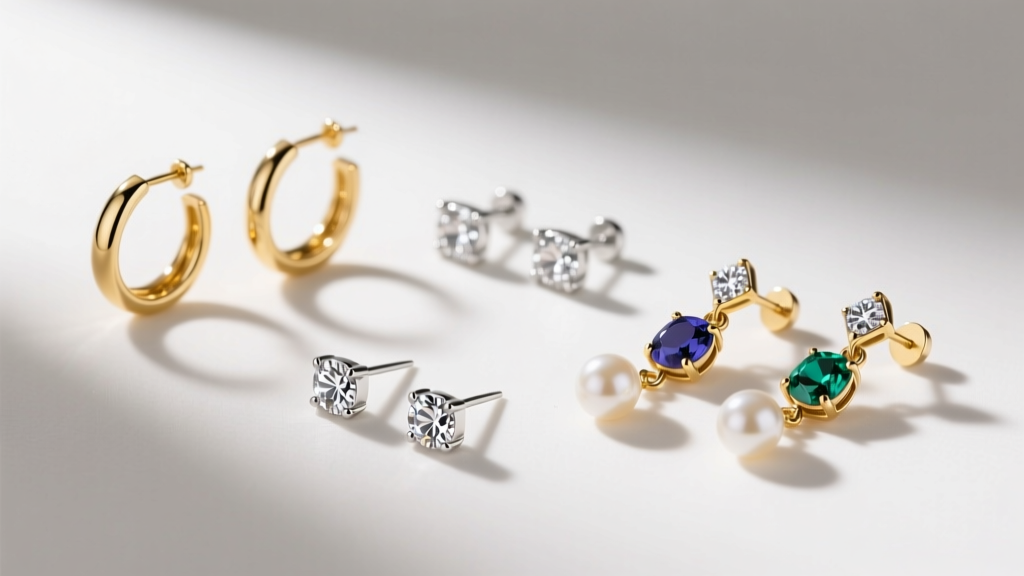
Is Sterling Silver Good for Earrings? The Technical Truth
We analyze the metallurgy of .925 sterling silver for earrings, covering copper alloy risks, rhodium plating, and healing piercing safety.

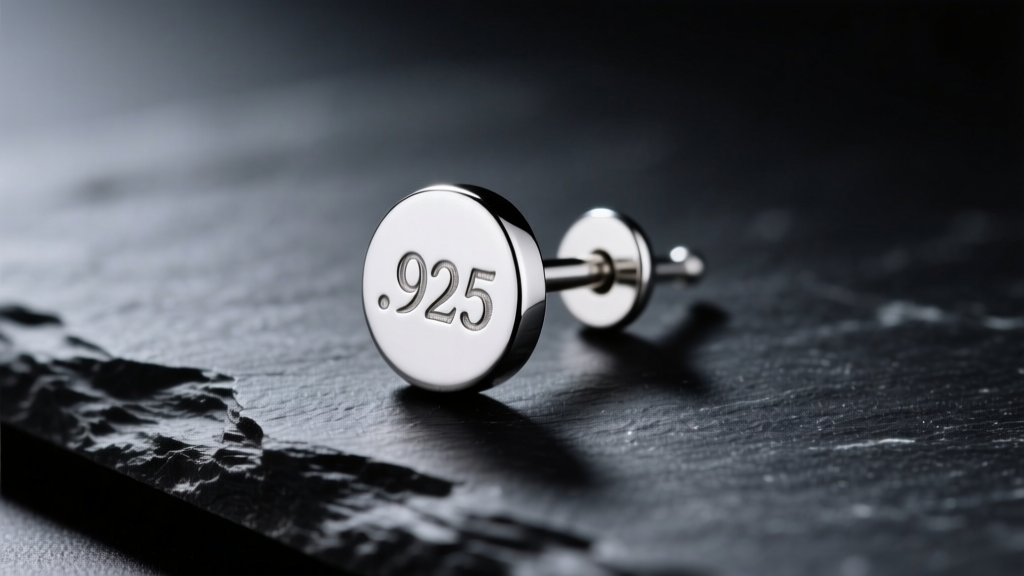
When navigating the vast landscape of jewelry metals, consumers and collectors alike inevitably ask: is sterling silver good for earrings? The answer is not a simple yes or no. It requires a nuanced understanding of metallurgy, dermatological reactivity, and structural engineering. While .925 sterling silver remains a cornerstone of the global jewelry market due to its brilliant luster and workability, its suitability for ear piercings depends entirely on the healing status of the fistula, the specific alloy composition, and the structural demands of the earring design.
In this expert deep dive, we bypass the marketing fluff and examine the exact chemical and physical properties of sterling silver. We will explore why it excels in certain applications, where it catastrophically fails, and how modern manufacturing techniques attempt to mitigate its inherent vulnerabilities.
The Metallurgical Reality of .925 Sterling Silver
To understand how sterling silver performs in the ear, we must first look at its atomic composition. Pure silver, known as fine silver or .999 silver, is exceptionally soft. On the Vickers hardness scale, fine silver registers at approximately 25 HV. While this makes it highly malleable and resistant to tarnish, it lacks the tensile strength required to hold a secure clasp, maintain a rigid post, or support the weight of a gemstone setting without bending.
To solve this, metallurgists created sterling silver, an alloy consisting of exactly 92.5% pure silver and 7.5% secondary metals. This addition increases the Vickers hardness to roughly 65 HV, providing the necessary structural integrity for everyday jewelry. According to the Gemological Institute of America (GIA), copper is the traditional and most common alloying agent used in this 7.5% matrix. However, it is this exact 7.5% copper content that introduces the primary biological and chemical complications associated with wearing sterling silver earrings.
The Hypoallergenic Myth: Copper, Nickel, and Contact Dermatitis
A pervasive myth in the jewelry industry is that sterling silver is universally hypoallergenic. In reality, the term 'hypoallergenic' is largely unregulated in many global markets, and sterling silver's reactivity is entirely dictated by its 7.5% alloy mix.
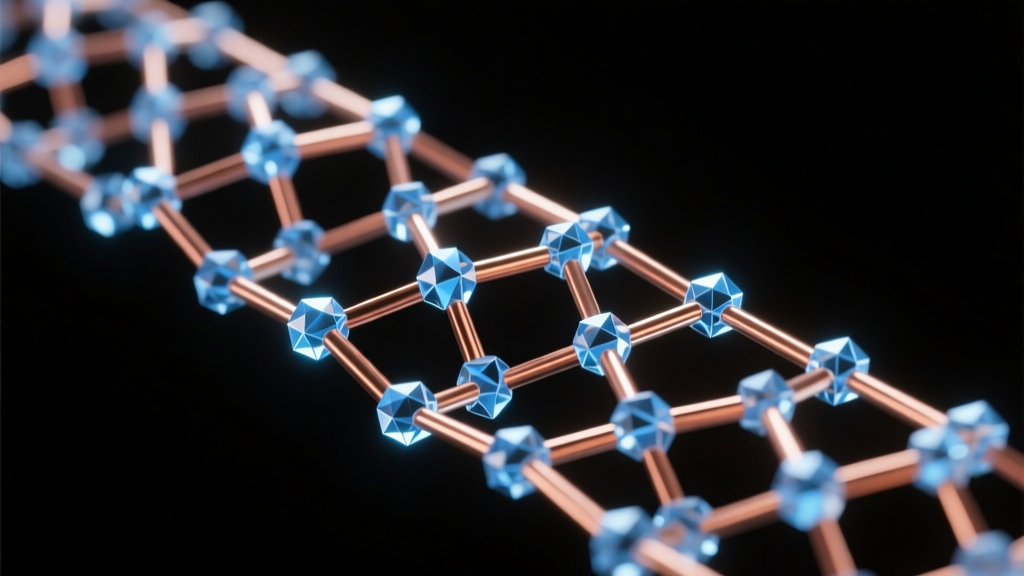
When copper is used as the alloying agent, the primary risk is not an allergic reaction, but rather a chemical one. Copper reacts with the chlorides and acids present in human sweat to form copper chloride, which manifests as the infamous 'green ear' effect. This is a harmless surface oxidation, but it is highly undesirable for consumers.
The more severe risk arises when unethical manufacturers substitute copper with nickel or zinc to cut costs or alter the metal's color. Nickel is a potent contact allergen. According to data published in the National Center for Biotechnology Information (NCBI) regarding nickel contact dermatitis, prolonged exposure to nickel-leaching alloys can cause severe erythema, vesiculation, and chronic itching. The European Union strictly regulates this under REACH Annex XVII, limiting nickel migration to 0.2 micrograms per square centimeter per week for post-assemblies. However, cheap, unverified imports frequently bypass these standards, making unbranded sterling silver a gamble for sensitive ears.
| Alloy Type | Composition (7.5%) | Tarnish Rate | Allergy Risk | Best Use Case |
|---|---|---|---|---|
| Standard Sterling | Copper | High | Low (but causes green skin) | Healed lobes, occasional wear |
| Argentium Silver | Copper & Germanium | Very Low | Very Low | Healed cartilage, daily wear |
| Nickel-Silver (Illegal in EU) | Nickel / Zinc | Medium | Extremely High | Avoid entirely for piercings |
Rhodium Plating and Flash Coatings: The Temporary Shield
To combat both the copper-induced tarnishing and the risk of allergic reactions, high-end jewelers frequently plate sterling silver earrings with rhodium, a platinum-group metal. Rhodium is completely inert, highly reflective, and exceptionally hard.
However, not all plating is created equal. 'Flash plating' involves a microscopic layer of rhodium (often less than 0.1 microns thick) applied via electroplating. This thin layer wears away rapidly against the friction of the earlobe, exposing the reactive sterling silver beneath within a few weeks of daily wear. For long-term ear safety, consumers should seek 'heavy plating' or 'mil-spec plating,' which deposits 1.0 to 2.5 microns of rhodium. Even then, the earring post—the part that actually sits inside the piercing fistula—is subject to high friction and acidic sebum buildup, meaning the plating on the post will eventually degrade, requiring re-plating by a professional jeweler.
Structural Limitations: Gauge Sizes and Tensile Strength
Is sterling silver good for earrings from a structural standpoint? Only within specific gauge limitations. Because sterling silver possesses a relatively low tensile strength compared to modern alternatives like Grade 23 Titanium or 316L Surgical Steel, it is highly susceptible to deformation.
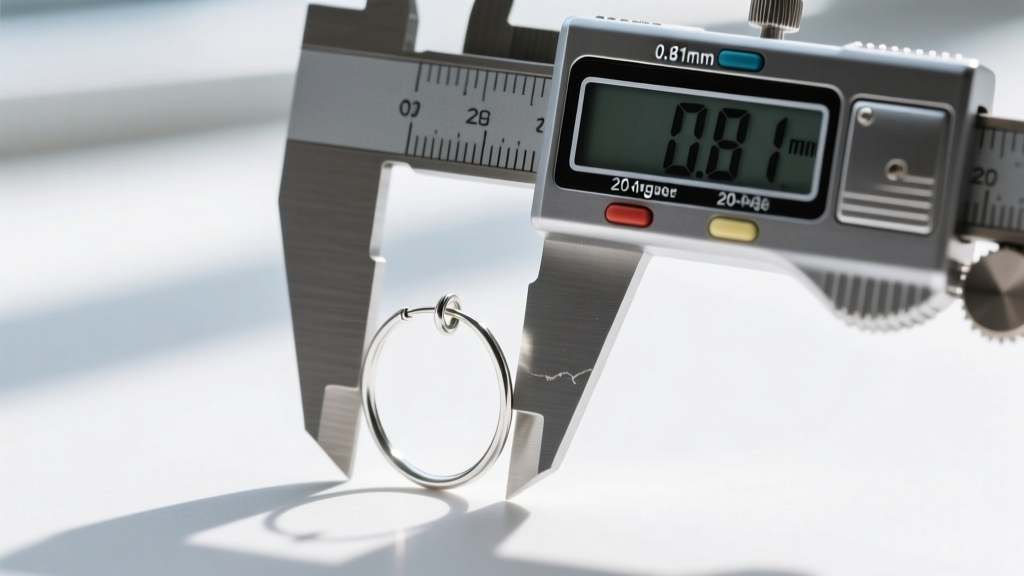
Standard earlobe piercings are typically done at 20G (0.81mm) or 18G (1.02mm). A 20G sterling silver wire is incredibly soft; simply sleeping on a sterling silver stud or catching a thin silver hoop on a sweater can permanently bend the post or warp the circle. For cartilage piercings, which generally require 16G (1.29mm) or 14G (1.63mm) jewelry to prevent the 'cheese-cutter effect' (where thin wire migrates through the tissue), sterling silver is even more problematic. The thicker the gauge, the more force is required to bend it, but the heavy weight of a 14G silver hoop can still cause it to slowly oval out over time under its own weight. For large structural pieces, heavy hoops, or threadless ends that require a precise press-fit bend, titanium and steel are vastly superior engineering choices.
Cartilage vs. Lobe: Healing Piercings and the 'Argyria' Risk
The most critical distinction in the 'is sterling silver good for earrings' debate is the healing status of the piercing. For fully healed, mature earlobes, sterling silver is generally safe and comfortable. For fresh, healing piercings—especially in dense cartilage tissue—it is universally condemned by professional body modification experts.
'Silver should never be worn in a healing piercing. The porous nature of a healing fistula allows oxidized silver particles to become embedded in the tissue, leading to a permanent, localized blue-grey staining known as argyria, alongside severe irritation bumps caused by copper oxidation.' — Guidelines adapted from the Association of Professional Piercers (APP).
When silver tarnishes, it forms silver sulfide. In an open wound or a healing fistula, the body's macrophages can ingest these microscopic tarnish particles. Because the body cannot easily metabolize or excrete heavy metals, these particles become trapped in the dermal layers, resulting in a permanent tattoo-like stain around the piercing hole. Furthermore, the microscopic pitting that occurs on tarnished silver creates a rough surface that harbors bacteria, drastically increasing the risk of staphylococcal infections in fresh cartilage piercings.
Maintenance Chemistry: Reversing Silver Sulfide Tarnish
If you choose to wear sterling silver earrings in healed piercings, proper maintenance is non-negotiable. Sterling silver reacts with hydrogen sulfide ($H_2S$) in the ambient air and in cosmetic products (like sulfur-based acne treatments or keratin hair products) to form black silver sulfide ($Ag_2S$).
Avoid abrasive silver polishing cloths for the earring posts. Abrasives remove microscopic layers of the silver and any rhodium plating, accelerating future tarnish rates and creating micro-scratches that irritate the ear. Instead, utilize an electrochemical reduction bath. By lining a glass bowl with aluminum foil, adding boiling water, a tablespoon of baking soda (sodium bicarbonate), and a pinch of salt, you create a galvanic cell. When the sterling silver touches the aluminum foil in this electrolyte solution, the aluminum (being more reactive) sacrifices its electrons, reducing the silver sulfide back into pure silver and releasing the sulfur into the water as hydrogen sulfide gas. This removes tarnish without removing any base metal, preserving the structural integrity and exact gauge thickness of your earring posts.
Final Verdict: When to Wear Sterling Silver
Ultimately, sterling silver is a legacy metal that requires informed management. It is an excellent, cost-effective choice for intricate, lightweight dangle earrings or studs worn in fully healed lobes for short durations. However, for initial piercings, cartilage placements, heavy structural hoops, or individuals with known contact dermatitis, implant-grade titanium (ASTM F136) remains the undisputed gold standard for biocompatibility and structural permanence.